








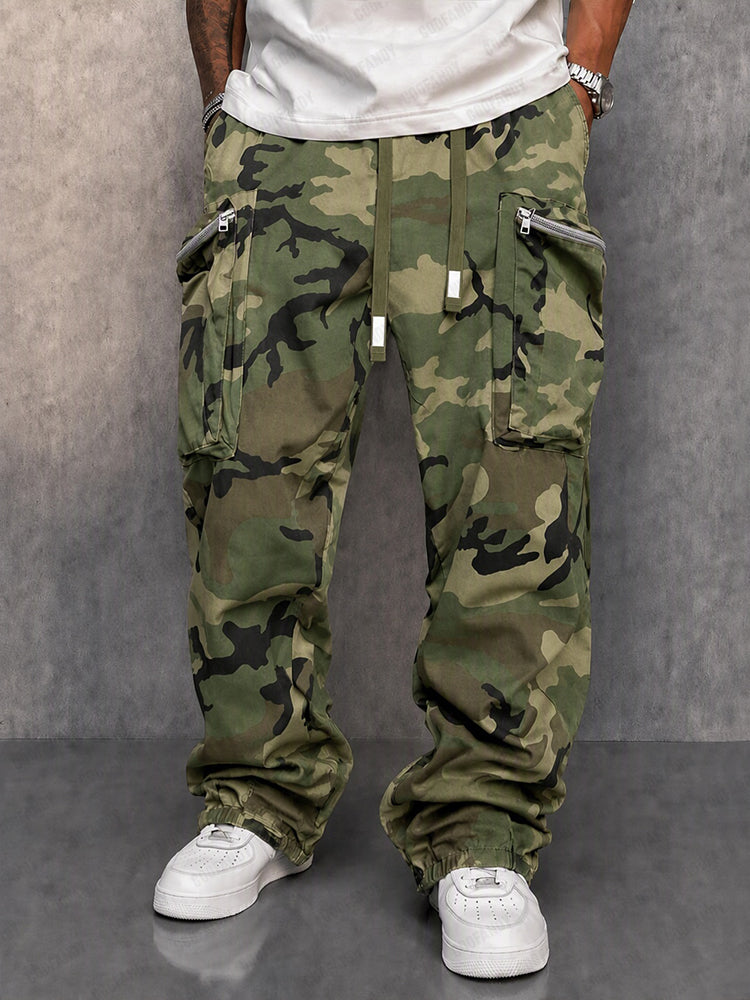
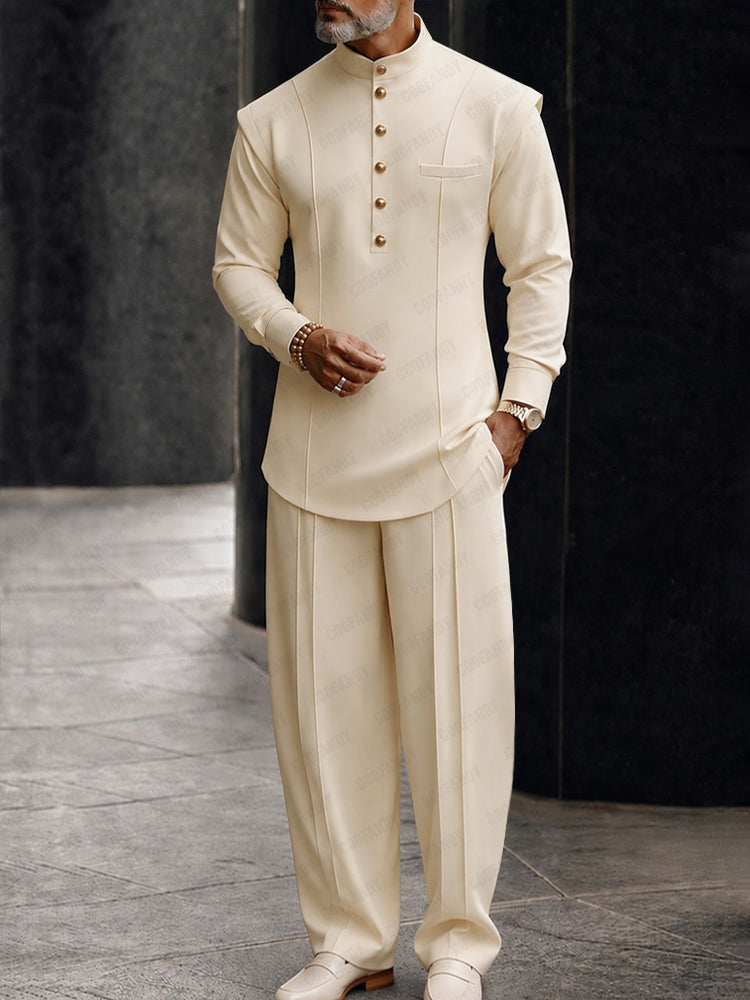
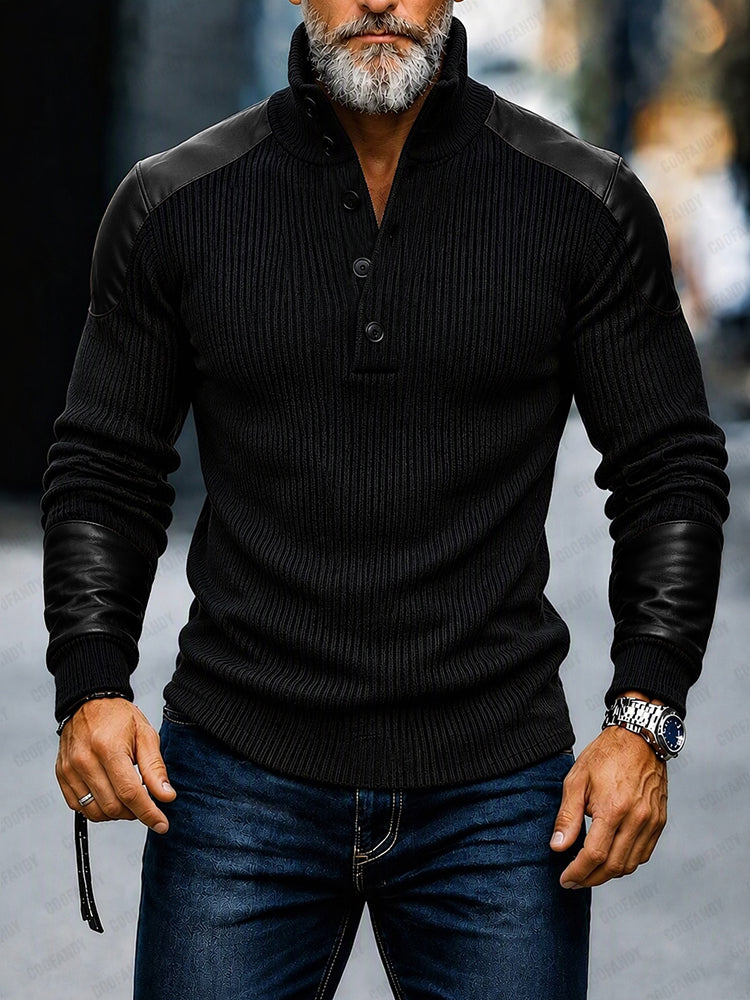
A Four Occasion Capsule With One Shirt and One Blazer

A small wardrobe becomes useful when the same pieces can take on different jobs without looking like the same outfit repeated four times. This capsule uses one shirt and one blazer as the fixed center, then changes the trousers, shoes, layer and styling level around them. The goal is not to make two garments cover every dress code. It is to give you a practical test for four real plans and a clear point at which another garment category is the better answer.
Start with the occasions on your calendar. If one invitation requires a matching suit, a specific uniform, formalwear or another defined garment category, follow that requirement first. If the plans allow a shirt-and-blazer combination, lay out the supporting pieces you already own before ordering anything. A capsule works when its fixed pieces have partners, not when they are asked to rescue an empty closet.
Why a Two-Piece Capsule Needs Four Different Jobs
One shirt and one blazer can look versatile only when the complete outfit changes in a visible, useful way. Swapping a watch while keeping the same trousers, shoes and styling usually does not create a new outfit. Changing the trouser line, shoe level, shirt treatment or layer can create a different result because it changes the balance around the fixed pieces.
For this four-occasion test, keep the shirt and blazer constant. Let the supporting pieces perform four different jobs:
- A relaxed workday: keep the combination clean and restrained, with practical trousers and shoes that match the workplace.
- Dinner: make the outfit more deliberate through a darker trouser, a sharper shoe or a more controlled shirt treatment.
- Travel or a resort itinerary: use a lighter visual balance and a small packing list, while checking the actual destination, schedule and venue requirements separately.
- A social gathering or permitted event: let the blazer carry a clear center, but confirm that the invitation allows separate trousers before you treat it as an option.
These are styling jobs, not guarantees. Venue rules, required uniforms, destination conditions and your own fit can override the capsule. The four jobs show where the same pair might be useful when the surrounding conditions support it.
Before you buy, write down the actual clothes that will complete each version. You should be able to name at least two trousers, two shoe options and one layer or accessory that you already own. If the pair only works after you add several new items, you are building a larger wardrobe purchase rather than testing a two-piece capsule.
The Fixed Shirt-and-Blazer Starting Point
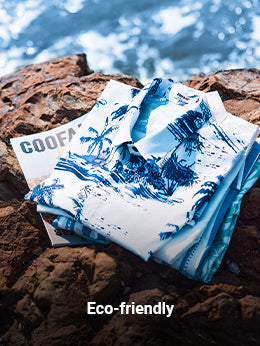
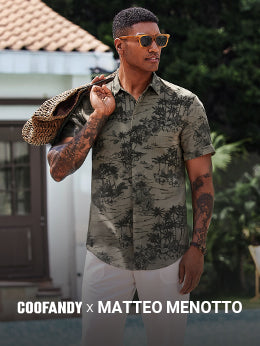
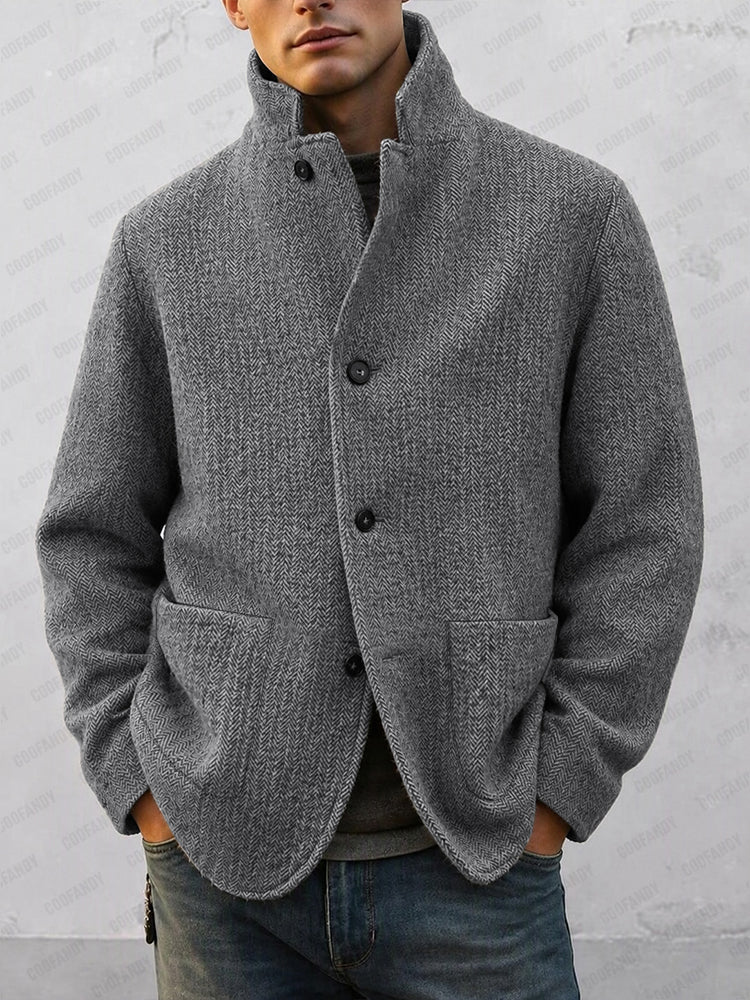
The fixed pair in this example is the Vacation Casual Hidden Placket Linen Blend Shirt and the Classic Textured Sheep Wool Blend Blazer. The shirt has a Cuban collar, hidden button placket, short sleeves, side slits, back pleats and a straight hem. The current product page lists Olive Green and Black options. The blazer has a notched lapel, two-button front, patch-pocket layout and slim, streamlined fit, with Gray and Khaki options listed on its current page.
Those details give the pair two starting directions. A Black shirt with a Gray blazer creates controlled contrast; Olive Green with Khaki keeps the colors closer. Reverse either choice if your wardrobe makes it easier to wear. Your existing clothes decide the final result.
Use this check before choosing a color:
| Check | What to lay out | What a useful answer looks like |
|---|---|---|
| Trouser compatibility | The two pairs of trousers you would use most often | Both pairs work with the shirt and blazer without needing a special occasion to explain the combination. |
| Shoe range | One relaxed pair and one more deliberate pair | The shoes change the outfit's level without fighting the collar or lapel. |
| Color control | The shirt, blazer, trousers and shoes together | One piece provides the visual center and the other colors support it. |
| Layer plan | A sweater, overshirt, coat or no extra layer, as appropriate | You have a realistic answer for the setting instead of treating the blazer as the only possible layer. |
| Repeat use | Two occasions you will actually attend | The second use is specific, such as a dinner or permitted business event, rather than “someday.” |
The first test is a flat lay. Put the pieces together and photograph the four strongest combinations before you order, while a missing color or shoe is still easy to spot.
If you need a broader view of the series before selecting your pair, visit the COOFANDY Signature page. The COOFANDY Signature collection is the better browsing route when you want to inspect the current assortment. For this capsule, keep the decision narrow: one shirt, one blazer and the supporting pieces that make them useful.
Build the Four Occasion Versions
1. Relaxed workday
Start with the version that has the least formal pressure. Use the Gray blazer with the Black shirt, medium-gray or navy trousers and clean leather sneakers, loafers or another shoe that fits your workplace. If the shirt's straight hem works with the trousers, leave the styling simple. If the setting expects a tucked shirt, test the actual shirt length and the way the blazer sits over it before deciding.
The workday version should have one clear center. The blazer's notched lapel and two-button front already give the upper half a defined outline, so keep the trousers and shoes quiet. Avoid adding a patterned tie, a loud pocket square and a statement shoe at the same time. The purpose of the first outfit is to establish a reliable base that can be adjusted later.
Check your calendar rather than assigning the outfit a label. A casual office, a client meeting and a creative studio may all use different standards even when someone describes them as “business casual.” If your meeting requires a matching suit, use the required suit. The capsule is useful only inside the actual dress boundary.
2. Dinner after work
Keep the same shirt and blazer, then change the outfit's lower half. Try the Black shirt with the Khaki blazer, dark trousers and a more deliberate shoe. If the contrast between black and khaki feels too strong for the restaurant, use the Gray blazer and keep the trousers dark. If the jacket is the strongest visual element, let the shirt remain simple and skip an extra patterned accessory.
The dinner version should feel planned without looking like a costume change. Change one or two high-impact elements: the trouser color, the shoe shape or the shirt treatment. Do not add a new layer merely to prove that the outfit is different. A clean change in the lower half often does more than several small accessories.
Lay out the full combination before leaving work. Look at it under the light in which you will actually meet people, then sit, stand and reach forward. If the jacket pulls when you move, the problem is not solved by a different pocket square. If the jacket fits but the shirt and trousers compete, change the supporting piece first.
3. Travel or resort itinerary
For a travel plan, choose the shirt color that works with the trousers you can realistically pack. Olive Green can be tested with cream, stone or dark trousers; Black can be tested with lighter trousers or a tonal dark base. Wear the blazer only when the itinerary and setting call for another layer. A short-sleeve shirt may be one part of the plan, but it does not answer every destination condition by itself.
Build the travel version around a small, repeatable list: the fixed shirt, fixed blazer, one lighter trouser, one darker trouser, one relaxed shoe, one more deliberate shoe and a removable layer if the itinerary calls for it. Keep accessories small and easy to carry. The point is to change the outfit's visual role without packing a different wardrobe for every stop.
Use the Men's Beach Vacation Shirt Capsule for a 5-Day Trip for the narrower packing question if your route includes a beach itinerary. That page addresses a five-day shirt capsule. This article's job is different: it tests one shirt and one blazer across four types of plans, so do not treat a travel example as proof that the same pair suits every climate, venue or activity.
Check the schedule before departure. A long day outdoors, a restaurant requirement or formal ceremony may need different pieces; pack the required item rather than forcing the capsule into every plan.
4. A social gathering or permitted event
This version starts with the invitation. Confirm that a blazer with separate trousers is allowed. Then use the pair that gives the gathering one clear visual center: a Black shirt with a Gray or Khaki blazer, dark trousers and a shoe that matches the stated level. If you choose Olive Green, keep the rest of the outfit restrained so the color remains intentional rather than becoming one of several competing accents.
The event version is not a ranking of the blazer as formalwear. A notched lapel and two-button front describe visible design. They do not override an invitation that asks for a matching suit, tuxedo or another defined category. If the event permits smart-casual separates, test the complete outfit with the actual shirt, trousers and shoes. Remove the accessory and see whether the base still works. If it does not, the accessory is hiding a problem.
Give this version a second use before buying for one event. Another dinner, a permitted business occasion or a future reception can count if it uses the same level of dress and clothes you already own. A vague future possibility does not count. The capsule becomes more useful when the event version can return in a different setting without requiring a new supporting wardrobe.

Change the Supporting Pieces, Not the Capsule's Logic
The fixed pair gives the capsule continuity. Change supporting pieces in a deliberate order so the outfit stays coherent.
| If you need the outfit to feel… | Change first | Keep constant |
|---|---|---|
| More relaxed | Trousers and shoes | The shirt-and-blazer color relationship |
| More deliberate | Trouser depth and shoe shape | One clear visual center |
| More travel-ready | Trouser color and removable layer | A small number of pieces that work in more than one combination |
| More event-appropriate | Invitation-permitted styling, then shoe and trouser level | The requirement that the complete outfit must satisfy the invitation |
If both the shirt and blazer already have visible details, keep the trousers plain. If the shirt is the stronger color, let the blazer and shoes support it. If the blazer carries the stronger outline, do not add a shirt pattern that competes with the lapel. This is a visual editing rule, not a claim about which product is objectively better.
Build substitutions before you pack:
- Choose one dark trouser that can support the workday, dinner and event versions.
- Choose one lighter or mid-tone trouser that changes the travel or relaxed version.
- Choose one shoe that keeps the outfit easy and one that raises the level when the setting permits it.
- Choose one removable layer only if the schedule or setting calls for it.
- Keep accessories optional until the shirt, blazer, trousers and shoes work together.
The strongest supporting pieces move between versions. If a trouser works only with one shoe and one shirt treatment, record it as a specialty piece. If the blazer only works when every other item is carefully matched, record that limitation instead of adding accessories.

Pack and Test the Capsule Before the First Occasion
Do not wait until the first morning to discover that the four combinations are theoretical. Run the test in order.
First, write the four occasions and the required dress level beside each one. Mark any occasion that requires a matching suit, a uniform or another garment category. That occasion has already produced a stop condition.
Second, make four flat lays. Use the same shirt and blazer in every layout. Change at least two supporting elements in each version, such as trousers and shoes. If two layouts look identical, decide whether the difference is useful enough to keep. A new accessory alone is usually too small a change.
Third, try on the most demanding version with the actual shirt, trousers and shoes. Check the shoulder area, chest, sleeve, hem, button position and movement while standing, sitting, reaching and walking. Compare the product page's current size information with your own measurements before ordering, then reserve the final judgment for the target garment when it is available to try.
Fourth, perform a repeat-use check. Name two occasions for the pair and write the supporting pieces beside each. If the same trousers, shoes and styling appear in all four versions, you may have a single outfit with four captions rather than a four-occasion capsule.
Finally, pack only after the combinations work: the fixed shirt and blazer, two trousers, two shoes, one optional layer and removable accessories. Keep the list tied to the itinerary. More pieces do not automatically create more options.

Know When Two Pieces Are Not Enough
A good capsule includes a stop rule. Pause the plan when:
- The invitation requires a matching suit, tuxedo, uniform or another defined garment category.
- The shirt or blazer has no second use with clothes you already own.
- The shoulder, chest, sleeve, hem or movement remains unresolved after you check the size information and try the complete outfit.
- The destination or schedule requires layers, coverage or activity-specific clothing that this pair cannot provide.
- The outfit only works after several emergency accessories or new purchases are added.
- You cannot explain how the four versions differ in a way that helps you dress for the actual occasions.
When one of these conditions appears, choose the missing category or wait. A full suit may be the right answer for one event. A different shirt may be the right answer for a route with another set of conditions. No purchase may be the right answer when the pair has no defined role. Stopping protects the usefulness of the capsule; it does not mean the individual pieces cannot work in another wardrobe.
Your Four-Occasion Capsule Checklist
Before you order or pack, confirm these five points:
- The shirt and blazer work with at least two supporting combinations you already own.
- Four actual occasions have been named, and none requires a category the capsule cannot provide.
- Each version changes the trousers, shoes, shirt treatment or layer in a visible and useful way.
- The most demanding outfit has been tried with the complete combination and movement checks.
- You can name two real future uses and a clear stop condition.
If all five answers are clear, browse the current COOFANDY Signature collection for the pair and supporting direction, or return to the Signature page for broader series context. Keep the decision anchored to your own calendar and wardrobe. The value of a two-piece capsule comes from repeated, deliberate use, not from making one shirt and one blazer answer every possible occasion.
FAQ
Can one shirt and one blazer really cover four occasions?
They can form a useful four-occasion test when the invitations permit the combination and your supporting trousers, shoes and layers create genuinely different outfits. They cannot replace a matching suit, a uniform or every category your itinerary may require. Name the four occasions first, then check the complete combinations before buying.
What should I change first when the same two pieces look too repetitive?
Change the trousers and shoes first, then adjust the shirt treatment or add a removable layer when the setting calls for it. Keep one visual center and avoid stacking several accessories to disguise an unchanged outfit. If the combinations still look the same, the capsule may not have enough range for your schedule.
When should I stop using the two-piece capsule?
Stop when the dress code requires another category, the fit remains unresolved, the pair has no second use, the schedule needs clothing the pair cannot provide, or the outfit only works after several new purchases. Use the required garment or wait for a better-defined wardrobe role.


Leave a comment