









Smart Casual vs Business Casual: What to Wear on a Date or for a Client Meeting
A date and a client meeting can both call for a shirt and trousers, but they ask different things of the outfit. For a client, the clothes should help you look prepared and easy to take seriously. For a date, the clothes can show more of your taste while still looking like you gave the plan some thought. The distinction becomes clear when you picture the actual moment instead of trying to memorize a dress-code chart.
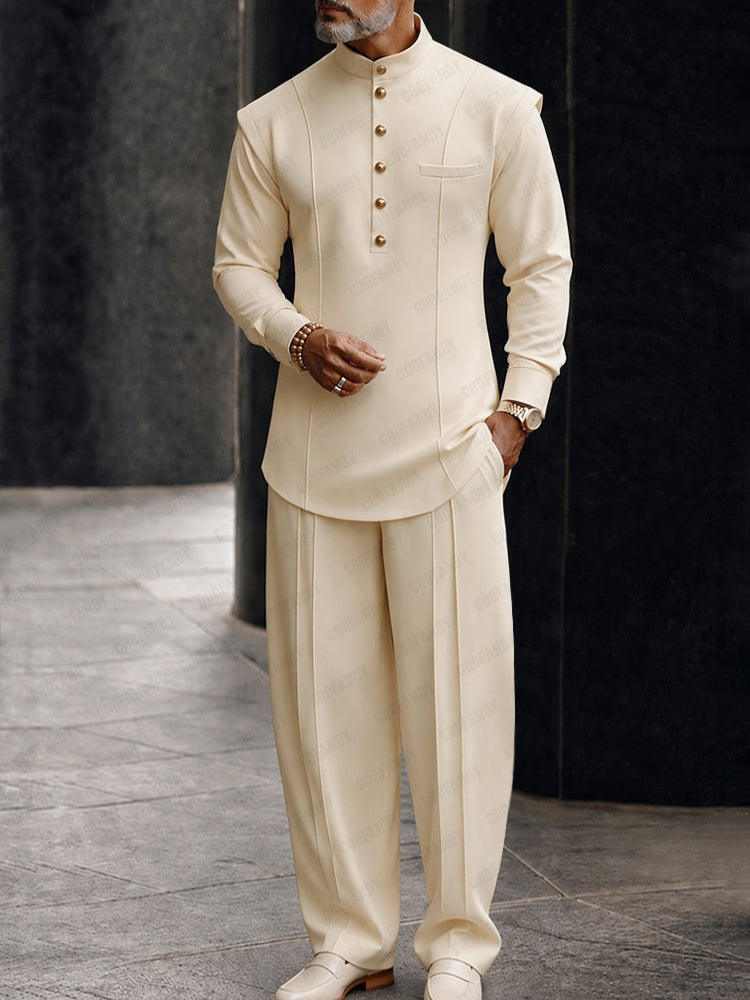
Take a weekday client lunch first. You arrive a few minutes early, greet someone you may not know well, sit across a table, and talk about work. The outfit has one job: stay composed without making the conversation about what you are wearing. A clean collar, trousers with a settled fit, restrained color contrast, and tidy shoes are a sensible combination.
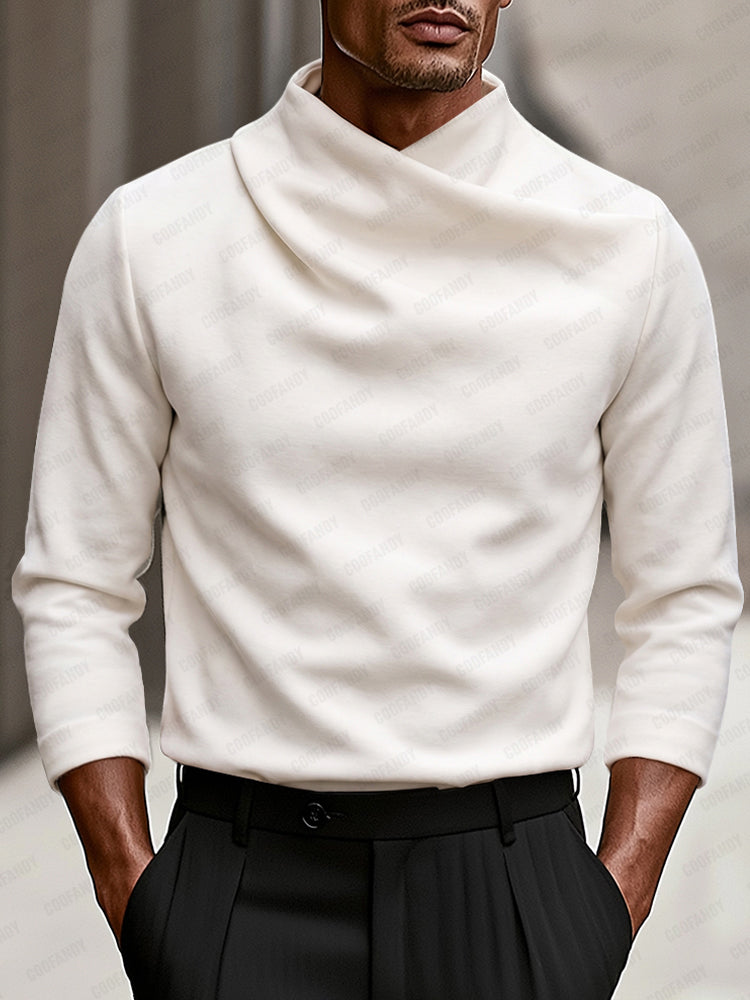
Now picture an evening date at a neighborhood restaurant. You may walk a few blocks, meet at the bar before a table opens, and stay out longer than planned. The same basic pieces can work, but a more relaxed shirt finish, one textured layer, or a color combination you genuinely enjoy has more room here. Smart casual is not an excuse to dress carelessly. It is an invitation to let one choice feel personal.
The client meeting begins before the table
Business casual works best for a client meeting when you plan for the greeting, not only the chair. You may be walking through an office lobby, meeting a host, or waiting at a restaurant entrance. Check the complete outfit from a standing position before you leave. Does the collar sit evenly? Do the trousers look appropriate with the shoes? If the shirt is tucked, does the waistband still look clean after you have sat down?
Keep the color relationship calm. That does not mean only black, navy, or gray. It means the pieces do not compete with one another. A shirt and trouser combination with moderate contrast is often easier to wear when the purpose of the meeting is professional. Save the bolder choice for a time when the clothes can be a small part of the conversation rather than an unnecessary distraction.
Accessories should be quiet and useful. A watch, belt, or bag can belong in the outfit, but none needs to become the focal point. The same restraint applies to layers. If the venue calls for one, choose a layer that works at the table and after you take it off. Avoid bringing a complicated office look to a lunch where the host has said business casual.
A date gives the outfit more room to breathe
For a date, begin with the venue and the person you are meeting, then leave room for yourself. A casual wine bar, a museum opening, and dinner at a place with a stated dress expectation are different plans. The best smart-casual outfit acknowledges the location without making you look as though you dressed from a script.
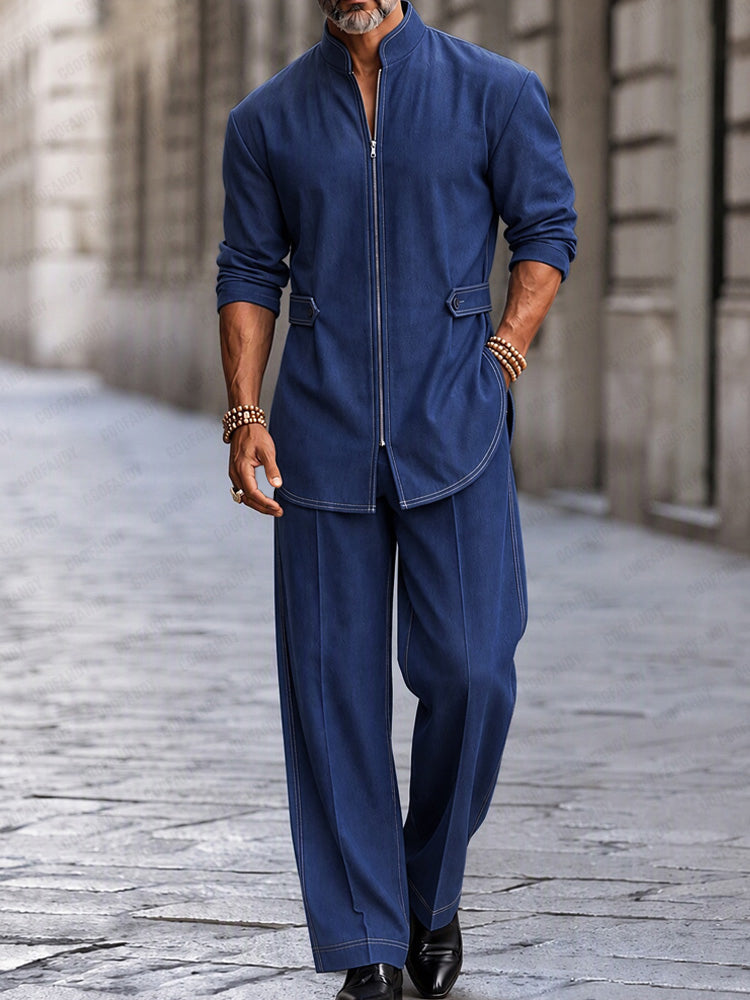
One point of character is enough. It might be a knit polo, a shirt with a deeper tone, a relaxed but intentional hem, or shoes with slightly more personality than you would choose for a client. Keep the remaining pieces simple. When every item tries to stand out, the result can feel fussy rather than relaxed.
Pay attention to the way the outfit moves. You may be walking, sitting in close quarters, or taking off a layer. A shirt that looks good only when you stand perfectly still is not the right answer. Try the combination on at home, sit down, and look at it again. This is not about chasing a perfect reflection; it is about avoiding the small discomforts that can make you preoccupied during the evening.
The same trousers can be the steady part
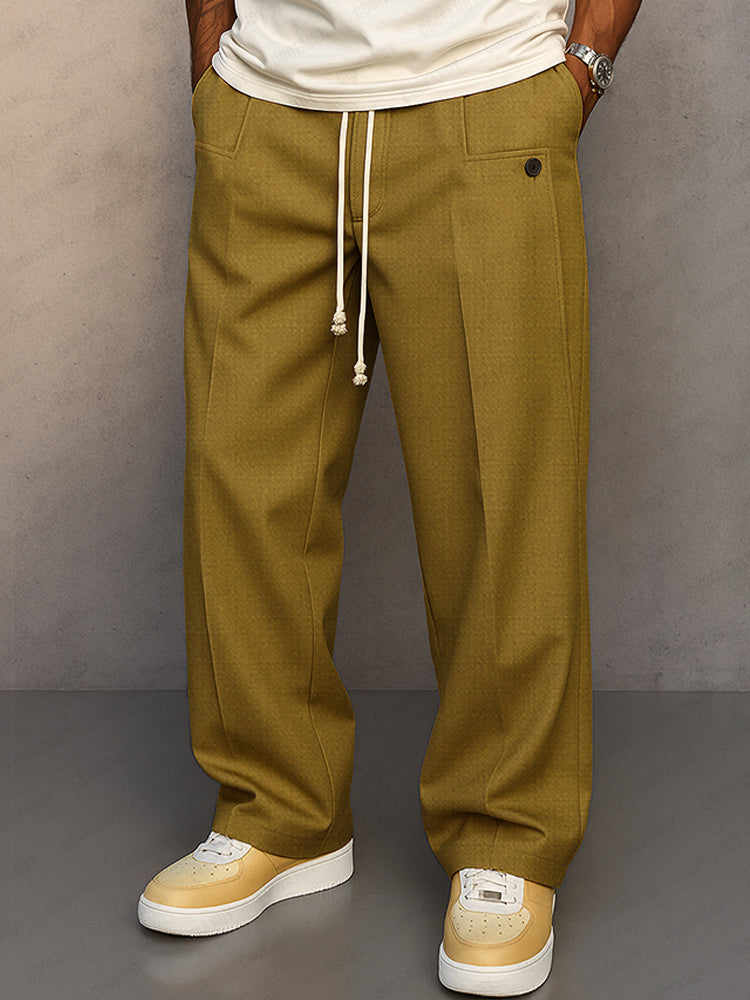
You do not need separate trousers for every kind of plan. A pair that fits well and works with both a collared shirt and a more relaxed top can move between business casual and smart casual. The larger changes often come from the shirt, shoes, and finish around it.
For the client version, you may tuck the shirt, choose a cleaner shoe, and keep the colors close. For the date version, you might leave a suitable shirt untucked, swap in a textured top, or add a simple outer layer. Make only the changes that the venue actually needs. Replacing every item can make the final outfit feel less like you and more like a costume change.
The waistband deserves a quick check in both versions. A tucked shirt brings it into view. An untucked shirt can work well when the hem length supports it, but it should not be used to hide a trouser fit issue. Walk, sit, and stand in the exact combination before relying on it for an important meeting or a night out.
Two product pages to consider by occasion
For a date built around a polo, review the knit-polo product page against the restaurant, trousers, and shoes you intend to wear. For a client meeting that needs a sharper collar line, compare the dress-shirt product page with the rest of your work outfit.
Read the listed sizing, composition, care directions, and item details, then decide whether the completed outfit fits the room. Match the item to the restaurant, client, or workplace you are actually dressing for.
When the date follows the meeting
This is where the distinction becomes practical. Put on the client-ready version first. A client meeting is harder to recover from if you arrive too relaxed, while an outfit can often become more personal later with one planned adjustment. Pack only the item that changes the evening most clearly: a different top, a lighter layer, or a second pair of shoes when the venue truly justifies it.
Keep the change simple enough to make in a restroom, at the office, or before you enter the restaurant. If your plan requires a full replacement outfit, it may be worth reconsidering the base. Trousers that work for both settings, along with one well-chosen shirt change, usually make the transition easier.
If the order is reversed, do not assume the date version can be tightened up on the fly. Have the business-casual shirt, shoes, and any needed layer ready before you leave for the first plan. A spare minute in the car or at the office is not the time to discover that the shirt you meant to wear needs care.
Close calls come down to the room
A restaurant can be more formal than a client’s casual office. A creative workplace can be more relaxed than an evening reservation. When the labels do not settle the question, look at the people you will meet, the location, and the activity. Are you sitting through a presentation? Walking through a gallery? Having dinner somewhere that asks for a particular standard? These details give you better guidance than the word “casual” on its own.
Do not make the outfit louder to compensate for uncertainty. A clean shirt, trousers that fit, and shoes in good condition are a credible answer in most close calls. Then add one personal detail for a date, or remove one unnecessary flourish for a client meeting.
The final mirror check
Before a client meeting, look for consistency: shirt, trousers, shoes, and any layer should belong to the same occasion. Before a date, look for ease as well as intention. The clothes should feel like you chose them, not like you are borrowing a version of someone else’s style.
Smart casual and business casual overlap because both rely on judgment. A client meeting asks for confidence without distraction. A date allows a little more individuality. Once you dress for the real plan, the difference is usually easier to see.
FAQ
Can I wear the same trousers on a date and to a client meeting?
Often, yes. Let the trousers be the stable base, then change the shirt finish, shoes, layer, or color contrast to suit the specific occasion.
Is a polo shirt smart casual or business casual?
A polo can work for either when the venue supports it. For a client meeting with unclear expectations, a button-down may give the outfit a more direct sense of structure.
Should I tuck in my shirt for a client meeting?
A tuck can be useful when it looks clean with the trousers and the meeting is more visible or formal. An untucked shirt can work in a relaxed setting when its hem is designed to look intentional.
How can I change from a client meeting to a date without carrying a full outfit?
Keep the trousers when they suit both plans and pack one item that changes the mood clearly, such as a different top, a light layer, or another shoe when the venue calls for it.

Leave a comment