










All-Black Halloween Outfits for Men

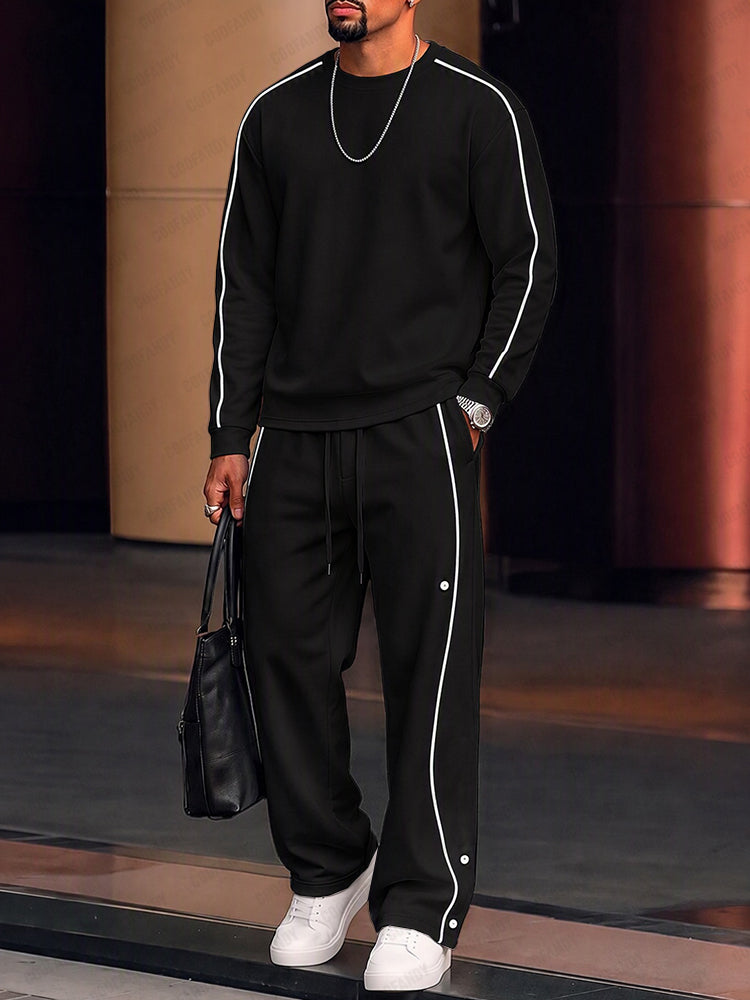
An all-black Halloween outfit starts with black clothing from top to shoes, then uses texture and shape to make the pieces look considered together. Try a ribbed knit with smooth trousers, a black shirt with a plain jacket, or a simple black base with one character detail the event allows. You do not need orange accents to finish the palette. You do need to decide whether you are assembling party clothes or a costume.
We would begin by laying out the black pieces you already own. Compare them together before adding accessories or ordering a replacement. A favorite shirt and favorite jeans may each look good separately yet create a combination you do not like. The useful fix is often one changed garment, not a more elaborate Halloween idea.
Choose What Your Black Outfit Needs to Do
Here, all-black means the main visible clothes, socks and shoes are black. Small fastening hardware need not disappear, but a white T-shirt, charcoal trousers or brown boots would change these particular recipes. Those can be good alternatives; they are simply different palettes. Keep that distinction clear when you decide which pieces to use.
Check the invitation before concentrating on color. For dinner or a gathering that welcomes themed everyday clothes, a black outfit can stand on its own. When costumes are required, black is a base to build on, not the identity itself. Ask whether your proposed character is suitable rather than assuming that a dark outfit meets the request.
Then keep the destination's usual clothing requirements in view. If it requires a collared shirt or particular footwear, start there. You can still work in black, but changing the color does not change the garment category. A black sneaker remains a sneaker, and a black sweater does not become a collared shirt.
Three All-Black Outfits to Build From Your Closet
A textured knit for a casual gathering
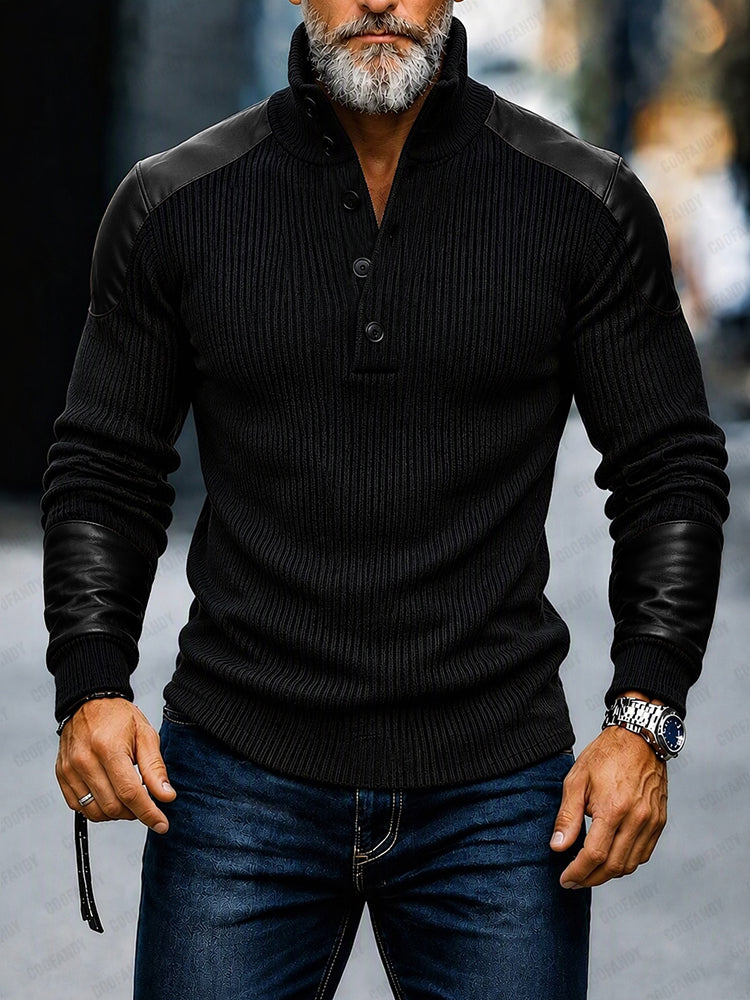
Wear a black ribbed crewneck or turtleneck with plain straight black trousers, black socks and black boots you already use. Add a short black jacket with room for the knit. This is our starting point for a casual gathering where ordinary seasonal clothing is welcome: the ribbing supplies the main surface detail while the trousers stay quiet.
Keep a substantial sweater untucked if tucking creates a thick waist roll. Look at its hem above the trouser pockets, then sit down and reach into them. If the sweater hides the pockets you need, try a shorter knit rather than folding several inches underneath and hoping it stays put. Repeat the test with the jacket on.
If you dislike the high neckline, use the crewneck version. If the boots and trousers bunch together at the ankle, change the trouser length or choose another black pair whose hem sits more cleanly over those boots. You are correcting a specific join, not choosing an entirely new theme. Indoors, the knit, trousers and boots should remain the outfit you intended.
A black shirt and jacket for dinner
Start with a plain black collared shirt, black tailored trousers, black socks and black dress shoes. Add a plain black blazer that works with those actual clothes. Keep the shirt collar visible and choose one surface to lead: for example, a relatively smooth shirt beneath a visibly textured jacket, with unpatterned trousers below.
If the jacket and trousers came from different outfits, compare them before treating them as a suit. Do not assume two items labeled black will look identical. For this separate-jacket recipe, a clear difference in surface can make their separation intentional. If they look like a near-matching suit you do not want, change the jacket rather than trying to disguise the join with a belt.
A smooth shirt, shiny jacket and highly polished shoes may give you more shine than you wanted. Keep the shoes if they suit the venue and replace one of the larger shiny areas. Try the shirt tucked, fasten the trousers, then sit: if excess fabric gathers above the waistband, use a better-fitting shirt or a different allowed top. Tightening the belt is not a substitute for that correction.
This can remain ordinary dinner clothing. It does not need an invented character name to justify being worn on Halloween. If the next stop requires a costume, agree on the extra detail before leaving rather than expecting the dinner outfit to qualify by itself.
A fictional poet for an agreed costume event
For a simple character proposal, try a black crewneck, straight black trousers, black socks and black shoes, with a black cardigan over the top. Carry a small black notebook containing a short invented poem and, if useful, an invented character name on an inside page. These are our suggested storytelling details, not a claim that this combination represents a particular real writer.
Ask the host whether this understated idea meets the costume request. A notebook may need an explanation, and recognition is not guaranteed. If the host wants a visibly identifiable character, choose an agreed reference instead; do not assume that adding a beret will settle the question. You can keep the black clothing for another evening.
Try carrying the notebook while using your phone and sitting down. If you need both hands frequently, use a bag you already plan to carry or choose an accepted detail that can stay attached without catching clothing. Check where it goes when you eat. Removing the cardigan leaves a complete black base, but putting away the notebook may also remove the character's main clue. That tradeoff is part of choosing this idea.

Compare the Blacks Before You Compare Accessories
Place the shirt or knit directly beside the trousers and jacket in the same light. Look at the largest adjoining areas first. Does one piece look noticeably faded, warmer or cooler beside the other? You do not need to assign technical names to the difference. Decide whether you like the clothes together, rather than relying on separate product photographs or labels.
Repeat the comparison while wearing them. An overlap that looked harmless on a bed may become conspicuous where a long top meets a jacket hem. Try the outfit in ordinary daylight and in the indoor lighting available to you. A phone photo can help you compare two choices, but judge the actual clothes too; the photo is a check, not proof of how every party photograph will look.
If a mismatch bothers you, keep the garment you most want to wear and swap its neighbor. Compare the same black trousers first with one shirt, then another. Changing the shoes, jacket and accessories simultaneously makes it harder to see which choice solved the problem. There is no requirement to find identical blacks across unrelated fabrics.
For a strictly black outfit, use a different black garment or a clearer surface difference as the correction. Switching to charcoal can be an attractive tonal alternative, but acknowledge the change instead of calling it the same all-black formula. If none of your black combinations appeal, choosing that alternative is more sensible than buying several speculative replacements.

Give Texture and Shape Separate Jobs
Use texture to choose what you notice first. A ribbed knit above plain trousers is one clear relationship. A smooth shirt under a textured jacket is another. Begin with one conspicuous surface and inspect the result before adding a second. This is our editing method, not a rule that every other piece must be perfectly flat.
For the casual knit route, our Ribbed Slim Fit Knitted Pullover Turtleneck Sweater (US Only) is one optional example. Its description lists a thick knit, turtle neckline, solid color, long sleeves, pullover construction and slight stretch; the product options include Black. Check the current selected option and individual size chart. The slim-fit description identifies the cut, not your size, and slight stretch does not establish that a smaller size will work.
Treat that thick knit as the substantial garment in the combination. Do not assume it will tuck cleanly or fit under the dinner outfit's blazer. Use it loose with an actual roomy jacket if the trial works, or choose another top. The product example is a way to consider surface and construction, not a promise about comfort, warmth or availability for your event.
Shape answers a different question: where do you want volume? Try the substantial knit with straight trousers before choosing a very full pair. If you prefer wide trousers, compare them with a shorter or less bulky black top. Neither silhouette is forbidden. Choose the relationship you like instead of accidentally adding volume at the sleeves, waist and ankles all at once.
Shine needs its own check. If a glossy jacket already catches your attention, begin with a quiet top and trousers. If a shiny shirt is the piece you love, try it under an unpatterned jacket with a less reflective appearance. Look at those actual garments together; a fabric name alone does not tell you how the finished outfit will appear.

Correct the Three Garment Boundaries
**At the neck:** turn your head, look down and inspect the collar with the jacket open and closed. If a turtleneck crowds the jacket collar, try the crewneck version or a different outer layer. If a shirt collar disappears awkwardly beneath the lapel, rearrange it and test again before adding a chain. Jewelry cannot correct the position of the underlying collar.
**At the waist:** decide which hem should be visible. For the knit outfit, let one intentional top hem sit over the trousers. If a long base T-shirt creates an extra strip you do not want, change that base rather than adding another layer to cover it. For the dinner outfit, check the tuck after sitting, not only immediately after fastening your belt. Keep pockets usable.
**At the shoes:** put on the intended socks and footwear before judging trouser length. If the hem piles on the boot, try a shorter black pair or have an appropriate length adjustment considered for those shoes. If sitting exposes a sock color that changes the palette, use black socks. Do not alter your walking position to keep a preferred trouser break in place.
Finish by reaching forward and sitting in the full outfit. When a jacket pulls, compare it over a familiar thinner top before deciding the jacket size is wrong. If the shirt or trousers restrict ordinary movement, change that garment. Compare measurements with each product's own chart when buying; there is no automatic instruction to size everything up for Halloween.
Keep the Indoor Outfit and the Journey Separate
Remove the outer jacket before your final mirror check. The casual look should still have its textured top and plain bottom half. The dinner look should work as a shirt-and-trouser combination wherever removing the blazer is appropriate. The character proposal needs its agreed identifying detail to remain available. Do not put every purposeful choice on a coat you expect to leave at the door.
Choose travel outerwear for the actual forecast and time outside. If a suitable coat you own is not black, wear it for the journey and keep the indoor outfit black; you need not claim the fully covered travel version follows the same palette. Black fashion clothing does not establish visibility, weather protection or a venue's safety requirements. Follow the requirements that apply to your route and destination.
If one piece is genuinely missing, browse our men's party outfits collection for that particular job. Compare design, selected color and measurements rather than buying anything simply because it is black. Check current delivery information for your address and keep an owned outfit as the fallback for a fixed-date event.
For the next ordinary evening, remove the character detail or change the outer layer. The same black base can remain useful without Halloween. Stop adding pieces once the actual clothes, the intended setting and the amount of attention you want agree.
Frequently Asked Questions
Do all the blacks in my outfit need to match exactly?
No. Compare adjoining clothes in the same light and decide whether their difference looks deliberate to you. A ribbed knit beside smooth trousers can work without identical blacks. If the difference bothers you, swap one neighboring garment. Charcoal is an alternative palette choice, rather than an exact black match.
Can an all-black outfit count as a Halloween costume?
Black clothing alone does not identify a character or guarantee that an event's costume requirement is met. Add an agreed identifying detail or choose a reference the host accepts. The fictional-poet proposal may need explanation; ordinary all-black party clothes are a separate choice when the gathering welcomes them.
Can I wear brown shoes with an all-black Halloween outfit?
You can choose brown shoes if they suit the outfit and venue, but the result is black clothing with a brown footwear accent. For the fully black recipes here, use black shoes and socks. The palette should not override footwear requirements or the practical shoes you need for the evening.
About COOFANDY
Founded in 2015, COOFANDY is a menswear brand created for modern men navigating work, weekends, celebrations, and everyday life. Its collection includes shirts, suits, pants, sweaters, and tees designed to help men build versatile, confident looks for different moments and personal styles. Guided by the belief that clothing can reflect confidence and character, COOFANDY focuses on making approachable menswear part of every stage of life.
COOFANDY in the Press
- Is COOFANDY Worth It? The $20 Shirt Test vs. Ralph Lauren, Express and 8 More Menswear Brands
- Best Picks: COOFANDY Shirts & Suits for Commuting, Vacation, and Wedding Season
- From Amazon Basics to 70M+ Customers: The COOFANDY Story Adds a New Chapter with Walmart Distribution



Laissez un commentaire