









Back-to-School Pants for Men in 2026: Bike Commutes, Long Lectures and Campus Events
For a bike commute, long lectures, and a campus event, choose pants you can pedal, sit in, and still wear after a quick check of the hems and shirt. Test the pair with your bike shoes and in a chair before the semester starts; pack a change only when the evening event has a stated dress requirement or the route is likely to mark the first pair. That is more useful than choosing one pair only for the ride or only for a seated class.
Picture the Day in Three Locations
Look at the schedule before you look at the closet. Note where you park or lock the bike, which building holds the longest class, and whether you are going straight to a club meeting, campus job, or dinner afterward. The distance between buildings matters, but so does the kind of time you spend in each place.
A fifteen-minute ride followed by a lecture hall has different demands from a short walk to the library, even if both end in the same afternoon event. Think in locations rather than a broad category called “campus.” That keeps the decision anchored to your own day instead of someone else’s college routine.
| Location | What happens there | Useful check |
|---|---|---|
| Bike rack and route | Riding, locking up, carrying a bag | Can you pedal, step over the frame, and manage your bag without fussing with the pants? |
| Lecture hall | Sitting, taking notes, standing between classes | Does the waistband and seat feel workable after a full class block? |
| Dining hall or evening event | Moving among people after a long day | Are the pants clean enough, and does the rest of the outfit give the setting the right signal? |
Let the Bike Commute Expose Bad Choices Early
Put on the pair you are considering and take a short test ride if your commute involves a bike. If that is not practical, mimic the motion: lift one knee, bend to lock a bike, reach for a bag, and sit down. Notice the hems as well. Pants that drag near the chain or catch on a pedal create a problem before the first class starts.
Keep the items in your pockets modest. A wallet, phone, keys, and student ID are usually sufficient. A laptop charger, notebook, and water bottle belong in the bag rather than crammed into the pants. This is not only about appearance; it makes the bike ride and the walk from the rack less awkward.
The commute should inform the base, but it does not have to dictate a sporty-looking outfit all day. A clean shirt and appropriate shoes can make the same pair read differently once you reach the lecture hall. The trick is choosing pieces that are familiar enough to move in and tidy enough for the next stop.
Treat Long Lectures as a Fit Test
Standing fit can be misleading. In a lecture hall, you may be seated through a full class, lean forward to write, stand to let someone pass, then walk straight to another building. Test your pants in a chair at home for longer than a glance. Bring a notebook onto your lap, shift as you normally would, then stand and look at the waistband and front again.
If you find yourself planning to adjust the pants every time you sit, that is useful information. Choose another pair or alter the rest of the outfit plan. Clothing should not become the thing that occupies your attention while an instructor is speaking or a classmate is introducing themselves after class.
Fit also affects proportion. A roomy pair can work with a top that has a clearer shape; a closer-fitting pair can work with a less structured shirt. The point is not to enforce one silhouette. It is to make sure the shirt, pants, and footwear look intentional together when you are both seated and walking across campus.
Save the Dining Hall Reset for the Actual Transition
The dining hall is where an ordinary class outfit may become more visible. Before you head in, take a minute in a restroom or a quiet corner: check the hems, brush off anything from the bike route, straighten the shirt, and empty any bulky pocket. If the pants are still in good order, you probably do not need a change merely because the clock has moved past class time.
When dinner leads to an event with a stated dress expectation, use the event information to decide whether to change a shirt, add a layer, or bring another pair. Do not carry a second pair every day on the chance that plans appear. A backup earns bag space only when it solves a known conflict, such as a long ride followed directly by an occasion with clearly different expectations.
Check Product Details for a Bike-to-Class Day
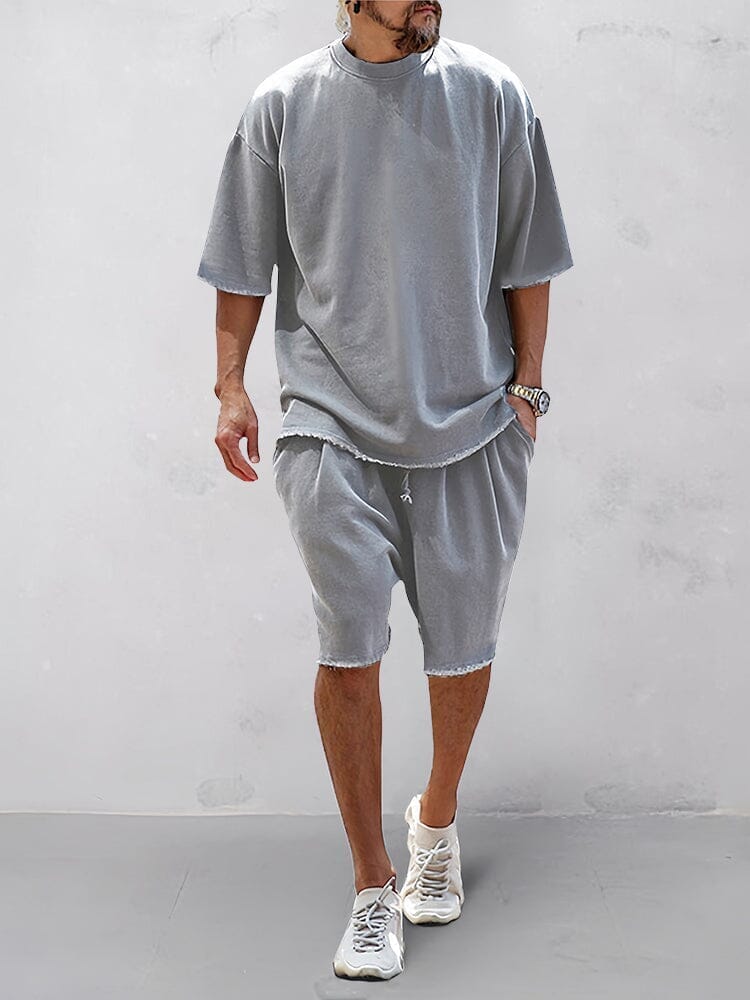
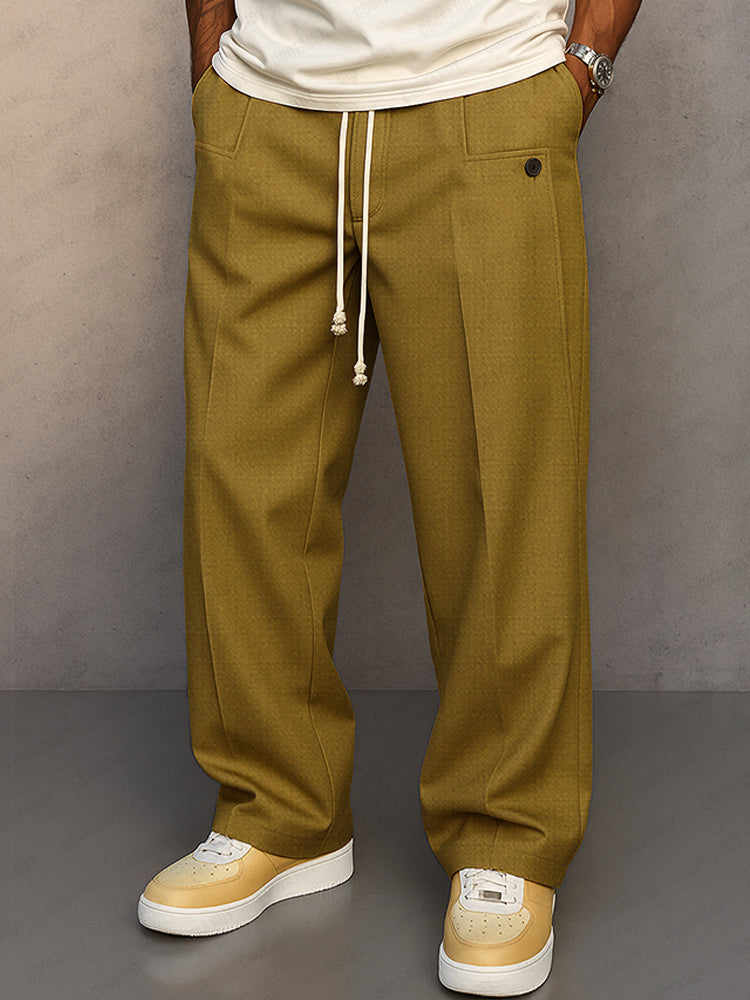
The Comfy Urban Style Drawstring Pants are worth reviewing for the listed size, fit, fabric, and care details if your day includes a bike commute and classes. Check the information against how you sit, what you carry, and the shoes you intend to wear. The name on the page does not answer those questions for you.
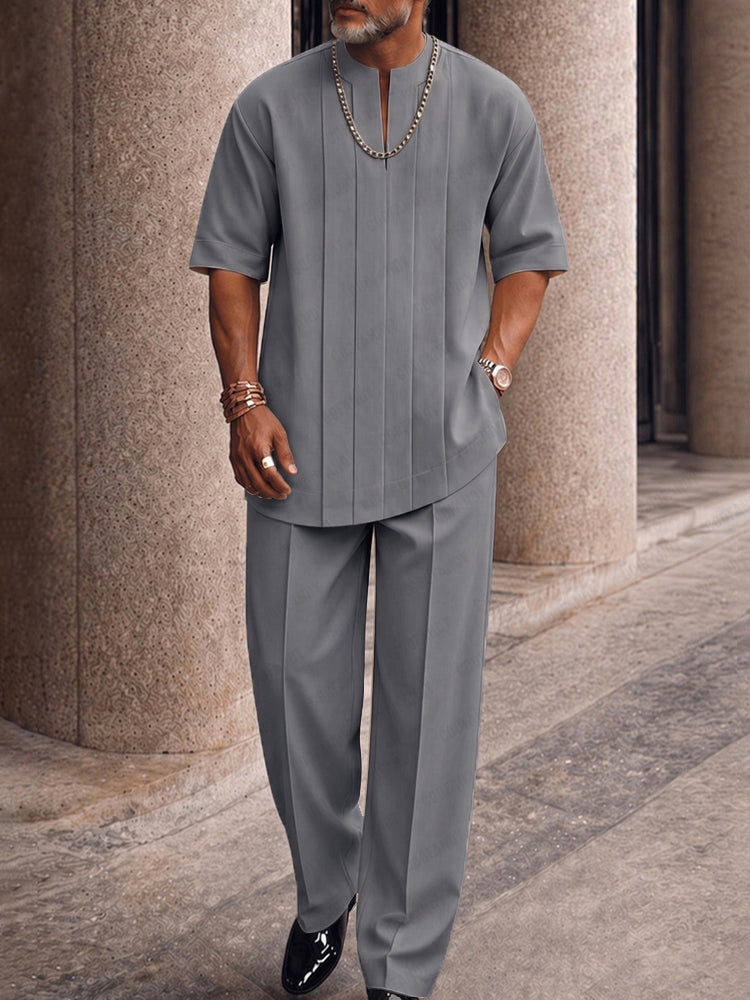
For a lecture-heavy schedule, compare the Cozy Straight Leg Cotton Linen Pants against the same route. Read the current measurements and care guidance, then decide whether the listed cut aligns with your own proportions and the length of your day. This is a more useful product check than treating any fabric or style label as a universal campus answer.
Build a Repeatable Rotation, Not a Costume
Two or three pairs that suit your real route are more valuable than a drawer full of pants chosen for isolated occasions. Keep track of which pair worked when you biked, sat through back-to-back lectures, or stayed out for dinner. That is personal evidence you can use the next time a busy day appears on the calendar.
The rest of the outfit can change the message without forcing you to rebuild it from the waist down. A different shirt, a clean overshirt, or a more considered shoe may be all that a campus event requires. Make those adjustments for the actual venue and people involved, rather than because a normal day somehow became a formal one at sunset.
At the Last Stop
By the time you reach the dining hall, the best choice is usually apparent. If the pants have handled the bike rack, the lecture seat, and the walk between buildings without becoming a distraction, give them a quick reset and keep going. That is not settling; it is using one pair for the day it was chosen to cover.
When the schedule genuinely changes, change for the reason in front of you. A presentation, hosted dinner, or event with clear instructions may call for another piece. Otherwise, let a practical campus base do its job, and spend the evening thinking about the conversation rather than the pants.
FAQ
What should I wear to class if I bike to campus and have a club meeting afterward?
Start with the pants and shoes that work for the ride and classroom, then pack one clean layer only if the meeting has a known expectation. Check the club's event details before deciding that the daytime base needs changing.
How can I tell whether my lecture pants are too restrictive before the semester starts?
Sit in them at a desk with your usual bag nearby, lean forward as if taking notes, then stand and walk across the room. Repeated pulling at the waistband, seat, or hems is a useful sign to choose another pair.
Should I bring a second pair of pants for a campus job after class?
Bring one only when the job has a stated dress requirement that differs from your class outfit or when the work itself is likely to mark the first pair. Otherwise, reserve the bag space for the materials the shift actually requires.
What should I do if rain or a bike chain marks my pants before an evening plan?
Assess the mark as soon as you reach a restroom or quiet spot, following the garment's care directions where relevant. If it is noticeable and the evening matters, use the backup you planned for that specific transition rather than trying to disguise it.

Laissez un commentaire