










Halloween Bar Outfit Ideas for Men
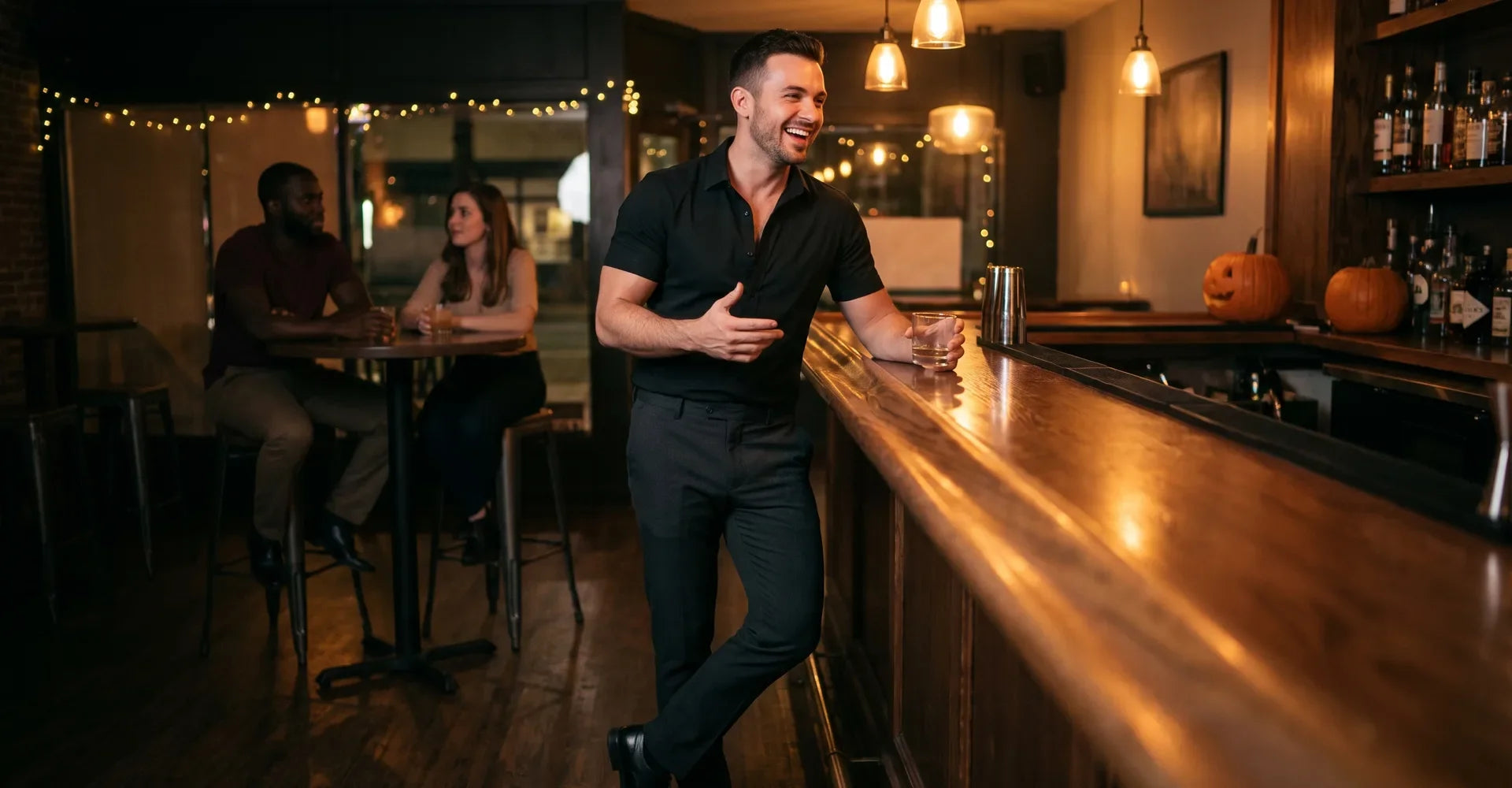
For a Halloween bar night, choose a complete outfit for the time you will actually spend there: sitting at a table, standing with friends or dancing. Then add a seasonal shirt detail or a permitted character accessory. Dark separates, a rust shirt with dark denim, and a simple costume built around ordinary clothes are three starting points. None replaces the bar's actual clothing requirements or a costume-required invitation.
We would settle the shoes and indoor base before choosing a large prop or an extra layer. Your outfit needs to work after the travel coat comes off and when your hands are occupied. A look that needs constant rearranging for every seat, doorway or photograph is worth simplifying before you leave.
Choose for the Bar Plan, Not Just the Photo
Name the main activity first. A reserved table gives you a different outfit trial from an evening of standing, moving between rooms or dancing. You may do more than one, but choose the clothes for the most demanding part of your actual plan rather than the brief moment when you take a picture.
Check the destination's own event instructions. Ask about the footwear or garment you are uncertain about, any costume requirement, and whether your proposed accessory is permitted. A useful question is, “Can I wear dark jeans and these sneakers, and is a small headpiece allowed?” Do not rely on another bar's answer or assume the Halloween theme overrides the normal requirements.
If you are meeting friends, agree on the location before committing to a costume that depends on a mask, headpiece or prop. If the chosen place does not allow that item, settle another accepted detail or concept in advance. Removing the only identifying accessory may leave a complete ordinary outfit while leaving a required costume unresolved.
This guide is for guests. A bartender or another staff member needs to follow the role's actual clothing and work requirements, not adapt a guest outfit by adding a festive accessory. For a seated evening that also includes dinner, our fall date night outfit guide provides broader venue-and-weather combinations.
Three Complete Halloween Bar Outfits
Start with the proposal that fits the evening, then correct its uncertain pieces before buying anything. These are suggested combinations, not admission promises.
Seated evening: dark separates and one shirt detail
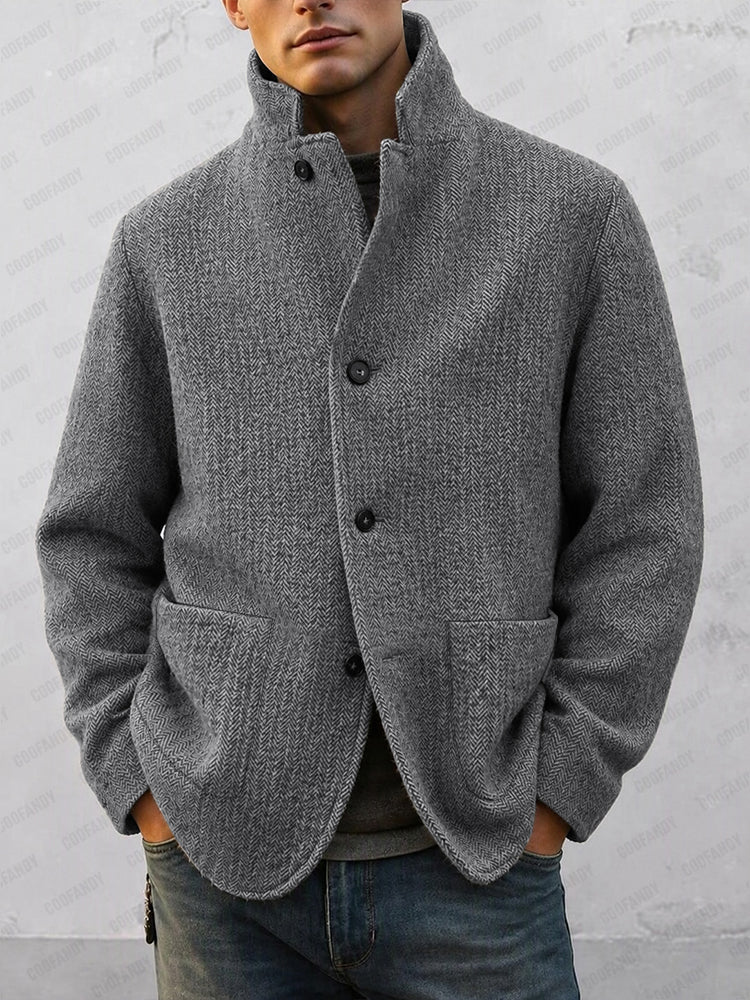
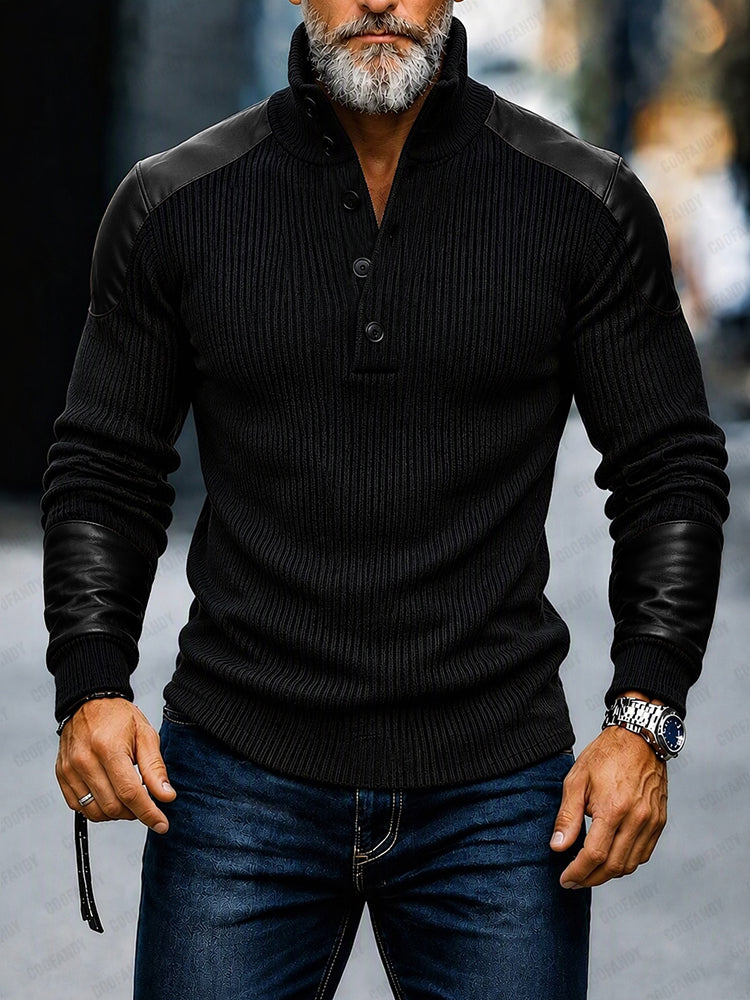
Try a dark collared shirt, charcoal trousers, dark dress shoes or accepted boots, and a blazer with enough room for the shirt. Wear dark socks and bring separate outerwear for the journey when needed. Let the shirt's collar or a small burgundy accent provide the seasonal direction rather than adding a large prop beside the table.
Try the outfit seated with the blazer open and closed. If the shirt bunches at the waist, compare the tucked and untucked versions where both are appropriate. If neither sits as you want, choose another shirt length or cut. If the jacket makes the sleeves crowded, change the jacket or top rather than hoping you will remain still all evening.
This proposal works as festive everyday clothing where that participation is welcome. If the invitation requires a character costume, agree on a concept and identifying detail instead. A dark shirt and trousers do not become a costume merely because you wear them on Halloween.
Standing or dancing: rust shirt, dark denim and familiar shoes
Where the venue allows denim and your chosen footwear, start with a rust collared shirt, straight dark jeans, clean familiar sneakers and a plain removable overshirt. Dark socks keep the footwear simple. Bring a coat for the trip when the conditions require it, and plan to wear the rust shirt as the complete indoor top if the overshirt comes off.
Move in the outfit before leaving. Raise your arms, step sideways and sit briefly. If the shirt pulls tightly across the shoulders, try another size or cut rather than leaving several buttons open to compensate. If the jeans restrict the movement you expect to make, change the trousers. Familiar shoes still need an actual trial with the chosen hem; they are not a universal guarantee of comfort.
If the bar rejects sneakers, choose accepted shoes you can use for the evening and repeat the trial. If it rejects denim, keep the shirt but replace the jeans with suitable trousers. You do not need to abandon the seasonal color when one supporting piece fails. If a costume is required, this rust-shirt proposal still needs a separately accepted character plan.
Costume event: an ordinary dark base with a small permitted detail
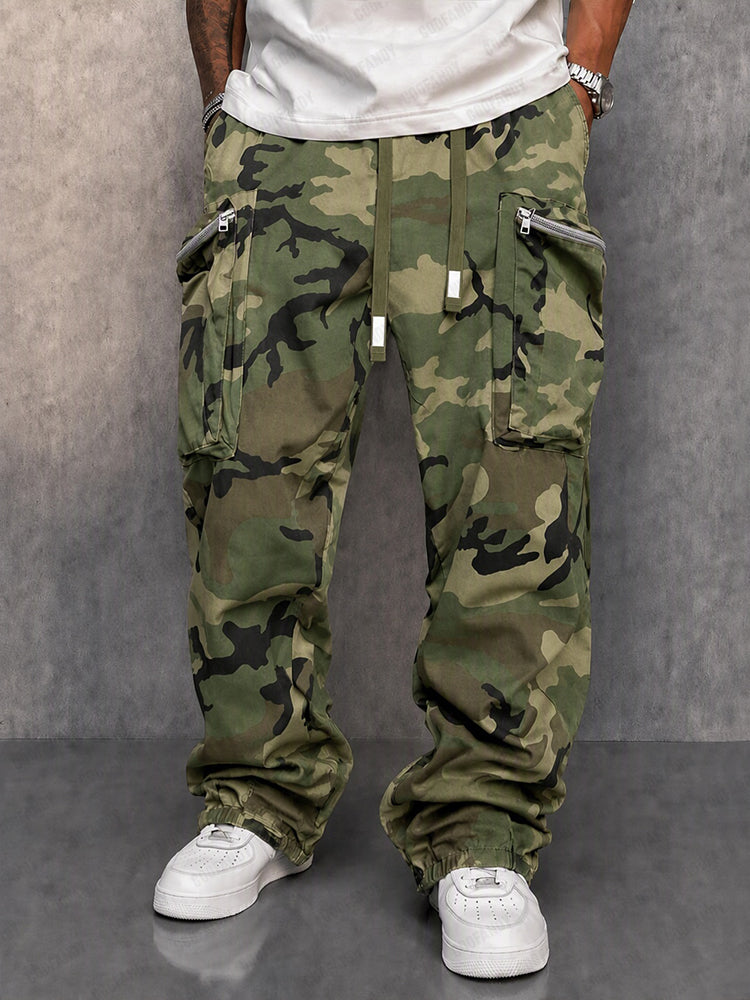
If the organizer accepts a devil-inspired concept and a small horns headband, try a black collared shirt, dark trousers, accepted dark boots or dress shoes, and the headband. A restrained red detail can be part of your proposed look if you like it. Bring a plain jacket or coat for the journey, then choose the indoor layers according to the actual room and your trial. Leave large props and a trailing cape out of this proposal.
Try the headband before choosing it. If it slips, interferes with your view or feels wrong for the activities, change the detail or concept. Do not rely on holding it in place all evening. Keep a pouch in your bag for the headband when it comes off, and check whether that bag is permitted before depending on it.
If the venue bars the headpiece, choose another concept it accepts or resolve an exception before attending. The black shirt, trousers and shoes remain an ordinary outfit; a red accent alone is not a guaranteed substitute for the required character. This is a suggested costume application, not a promise that every guest or organizer will recognize it.

Let the Shirt Do Some of the Work
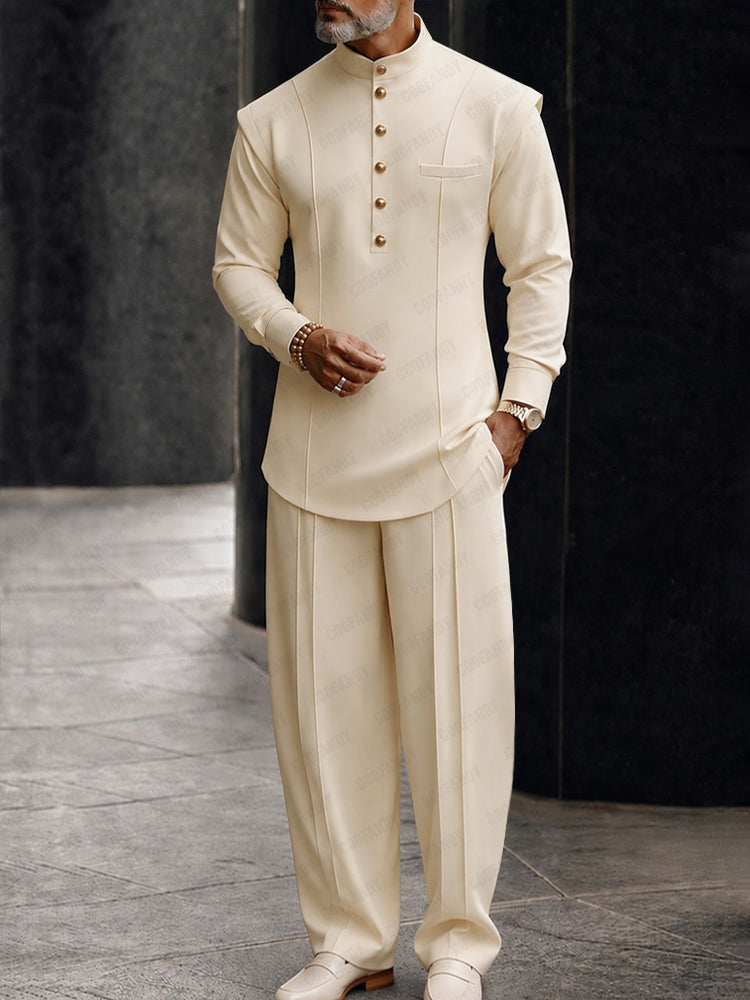
If you want an outfit with a noticeable detail but do not want to carry a prop, choose a shirt you like wearing on its own. A diagonal fastening or an unusual collar can be the visual focus of a festive everyday look. Keep the trousers and outer layer plain while you decide whether the result is enough for your intended level of participation.
Our Avant-Garde Asymmetrical Collar Diagonal Placket Shirt is one optional example. Its description lists 100% polyester, an asymmetrical collar with a straight stand collar on one side and an extended pointed lapel on the other, and a diagonal off-center button placket. It also lists long sleeves with buttoned cuffs, a curved hem and a relaxed loose fit. Those are design details, not a guarantee about how the shirt will fit you or what the bar will permit.
Choose a current color option and use the corresponding measurements and size chart. Try the shirt with the trousers and jacket you intend to wear. If a jacket hides the collar detail you wanted, decide whether to wear the shirt without that indoor layer where appropriate, or choose a different detail. If the jacket is required, keep the requirement and change the shirt plan rather than treating the design as a reason to ignore it.
Compare the hem tucked and untucked when both versions are acceptable. If a tuck creates bulk you dislike, try a different trouser rise or leave the shirt untucked where permitted. A relaxed fit label does not settle the shoulder, waist or movement check. For the color relationship around a statement shirt, our fall color guide gives useful neutral-and-accent starting points.

Plan the Doorway, the Coat and the Indoor Outfit
Put on your travel coat over the whole outfit, including any accessory you expect to carry. Decide which items will be worn outside and which will stay packed until the venue. A headpiece does not need to compete with a hood or hat during the journey; add it at the allowed point after arriving.
Check whether the destination has a usable place to store your coat and what conditions apply. Do not assume every bar offers a coat check or room for a large bag. If you need to keep the coat with you, choose one you can realistically carry or fold over your arm, while still dressing for the actual forecast and time outdoors. Avoid solving storage by leaving behind outerwear you need for the return journey.
Name the outfit after the coat comes off. In the rust-shirt proposal, that is the shirt, dark jeans or replacement trousers, socks and accepted shoes; remove the overshirt too if that is the version you prefer indoors. In the dark-separates proposal, decide whether the blazer stays or the shirt becomes the complete indoor top. The seasonal detail should be on a piece you intend to keep visible, unless you are happy for it to disappear indoors.
If the only festive feature is on a coat you will store, move the cue to the base shirt or a small permitted accessory. If it is the only identifying part of a required costume, ask whether the remaining concept is accepted. Removing a layer can solve the clothing problem without automatically solving the costume problem. For the general layer-off method, use our fall layering guide.

Rehearse Standing, Sitting and Moving
Wear the actual shoes for a short outfit trial. Stand, walk, sit and make the movement you expect at the event. If a new pair rubs or makes you reluctant to move, use another permitted pair rather than committing because it matches the photograph. This is an individual trial, not a claim that one shoe style is suitable for every floor or every person.
Check the trouser hem with those shoes. If it drags or catches during your trial, use a shorter pair or a stable adjustment that you can keep in place. Repeat the movement check after changing the hem; a quick turn-up is useful only if it stays how you want it. If you will change shoes between venues, check the trousers with both pairs before deciding that the same length works.
Put your phone, keys and planned essentials in the pockets or bag you will actually use. If one pocket bulges and distorts the trousers, move an item to a permitted bag or reduce what you carry. Do not assume a decorative pocket, flap or accessory provides enough storage for the whole evening. Try reaching into the chosen pocket while the jacket is on.
Hold an empty cup during the trial and use the other hand to reach for an ordinary item. If a loose cuff or hanging costume detail repeatedly gets in the way, adjust the cuff, secure the detail where practical or remove it. If removing it breaks a required costume concept, choose a different accepted addition. The aim is a usable outfit with fewer interruptions, not a safety or spill-proof guarantee.
If You Are Visiting More Than One Bar
Check the proposed clothes against both destinations rather than treating the first admission as permission for the second. Suppose the first bar accepts the dark shirt, trousers, dress shoes and horns headband, while the second accepts the ordinary clothes but bars the headpiece and does not require a costume. Put the headband in its pouch before the second stop; the shirt, trousers and shoes remain the complete indoor outfit. Add the travel coat between venues when needed.
If the second venue also requires a costume, that removal leaves a different problem. Arrange another accepted identifying detail or choose a concept that works at both places before leaving. Do not rely on arguing that the plain dark base is “close enough” to the costume you wore earlier.
For the rust-shirt route, a second bar might require trousers and dress shoes instead of jeans and sneakers. You can start the evening in the stricter venue's accepted combination if it also works for the first stop. If you prefer changing footwear, arrange the changing point and storage for the removed pair; repeat the hem and movement trial for both. A second outfit in a bag is only useful when you have a practical place to use it.
Finish With Fewer Things to Carry
Choose the indoor base, settle the actual footwear and costume permissions, and decide where the coat and any removable detail will go. Use the clothes you own before adding a new purchase. If one item is missing, browse our Men's Party Outfits collection for the garment with a defined job rather than a whole replacement outfit.
Let the evening determine how much you add. A shirt-led festive look can be enough where costumes are optional; a required costume needs an accepted concept, not just more accessories. Leave with a complete outfit you can sit, stand and move in during your trial, and a clear plan for the version you will wear after each layer comes off.
Frequently Asked Questions
Can I wear sneakers to a Halloween bar night?
Only where the venue accepts them. Check the actual event's footwear instructions, then try your chosen pair with the trouser hem and movement you expect. If sneakers are not permitted, use another accepted pair you can wear for the evening and repeat the trial.
What if the bar does not allow my costume accessory?
Choose another detail or concept the venue accepts, or arrange an exception before attending. Removing the accessory may leave complete ordinary clothes, but it may also remove the identifying part of a required costume. Do not assume a seasonal color replaces that requirement.
How can I make a bar outfit festive without wearing a costume?
Use a rust or burgundy shirt, a noticeable collar or fastening detail, or a small permitted accent with plain supporting clothes. This works where festive everyday clothing is welcome. If the invitation requires a character costume, confirm an accepted concept instead of relying on color or design alone.
Related Reading
- Fall Colors for Men: Oatmeal, Brown, Burgundy & Olive
- How to Layer Clothes for Fall: A Men's Guide
- Men's Fall Date Night Outfits by Venue and Weather
About COOFANDY
Founded in 2015, COOFANDY is a menswear brand created for modern men navigating work, weekends, celebrations, and everyday life. Its collection includes shirts, suits, pants, sweaters, and tees designed to help men build versatile, confident looks for different moments and personal styles. Guided by the belief that clothing can reflect confidence and character, COOFANDY focuses on making approachable menswear part of every stage of life.
Laissez un commentaire