











How to Carry Your Phone, Keys and Wallet in a Halloween Outfit

Give your actual phone, keys and wallet a place in the clothes you will keep wearing, or in a bag you are allowed to bring. Try each item while seated as well as standing, and move anything out of a removable layer before putting that layer away. A pocket that works only while your coat stays on needs a second destination.
At COOFANDY, we recommend working out where everything goes before changing the outfit. Try the suggestions below with your own clothes and belongings, and let what you find decide the changes. You may need to move just the keys, choose different trousers or bring a bag rather than rebuild the whole look.
Start With the Essentials You Will Actually Carry
Lay out your phone in its usual case, the keys you need for the trip and your wallet with the ID and payment items you plan to use. Include any required access card, medication or other personal necessity. Phone, keys and wallet are the starting point, not a limit on what you are allowed to need.
Make optional reductions here, before choosing pockets. If old receipts or unused cards are taking up space, decide whether to leave them at home. Keep the physical ID, payment method and keys you actually require; a phone should replace one only if you have confirmed that the substitution works for your plans. Keep your usual phone protection in place for the fitting, too, rather than making the pocket work by removing it.
Use the complete key ring you intend to take, including its fob. Try the wallet after filling it, not while it is empty. If you expect to carry an additional item home, reserve a destination for it now. The useful question is whether this particular set of belongings works with the outfit. A smaller stand-in phone or an empty wallet cannot answer that for you.
Give Each Usable Pocket a Specific Job
Begin with the garment itself. Find the opening and check the inside before assigning an item; a flap, welt or pocket square is not enough to establish usable storage. Then put the intended object in, take it out and return it. Where there is a closure, try it with the object inside. Treat a pocket as an option only after that check.
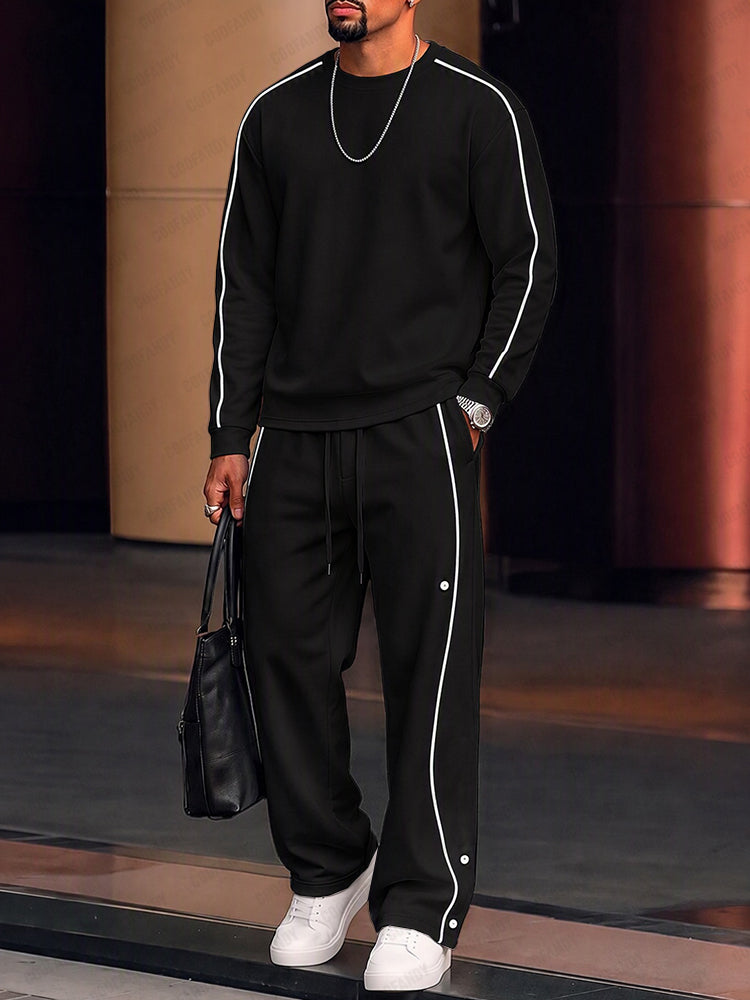
For a knit-and-trouser outfit, start with the phone alone in a trouser pocket. Add the key ring there if that is how you usually carry it, and try the filled wallet in another usable pocket. Choose sides according to your own reach. If the knit hem catches your hand when you retrieve the phone, compare another accessible pocket. If you still have to hold the hem up throughout retrieval and replacement, consider a bag or another pair of trousers.
If your key fob crowds the phone in that shared pocket, give the keys their own pocket or bag compartment and check both again. If the filled wallet produces a shape you dislike, move that wallet and compare before changing everything else. Include any additional necessity alongside the phone, keys and wallet; it needs a real place, too. Keep the separated arrangement only if the complete set works in the pockets you have.
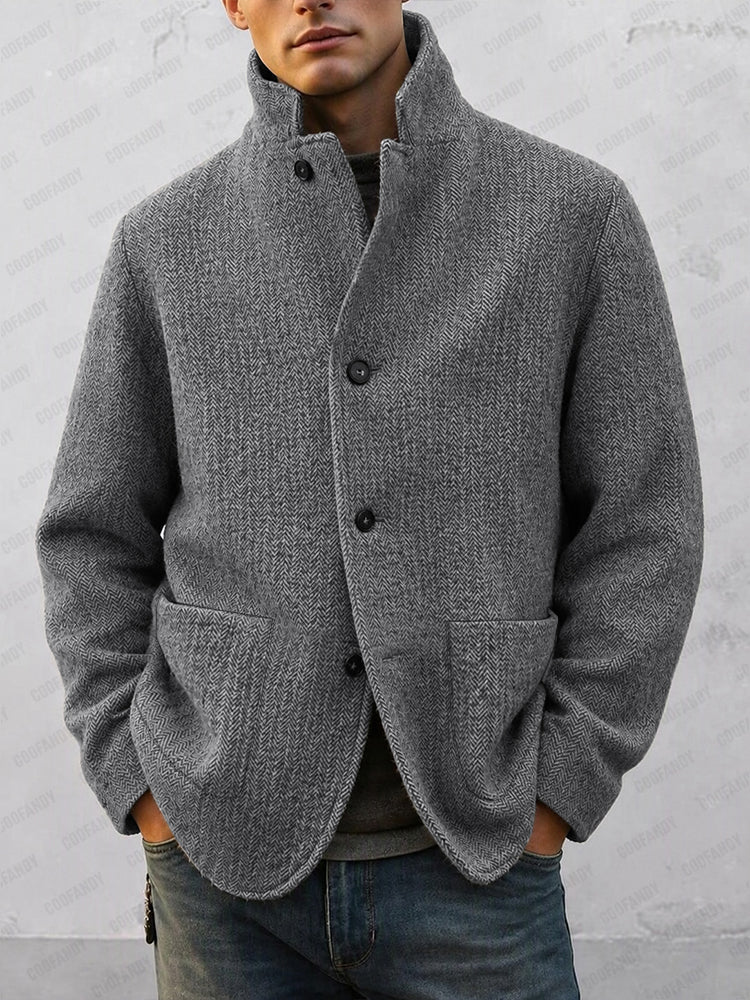
With a tailored outfit, consider the blazer and trousers separately. If the phone pulls a blazer pocket out of the line you want, try a trouser destination. Should that pocket fail the actual-phone check, compare different trousers. Our Polished Casual Front-Pleat Design Suit Pants description lists two slant pockets and one back pocket. That gives you a layout to consider, not a measure of what each pocket holds. Check your own phone, keys and wallet individually, then together in the outfit.
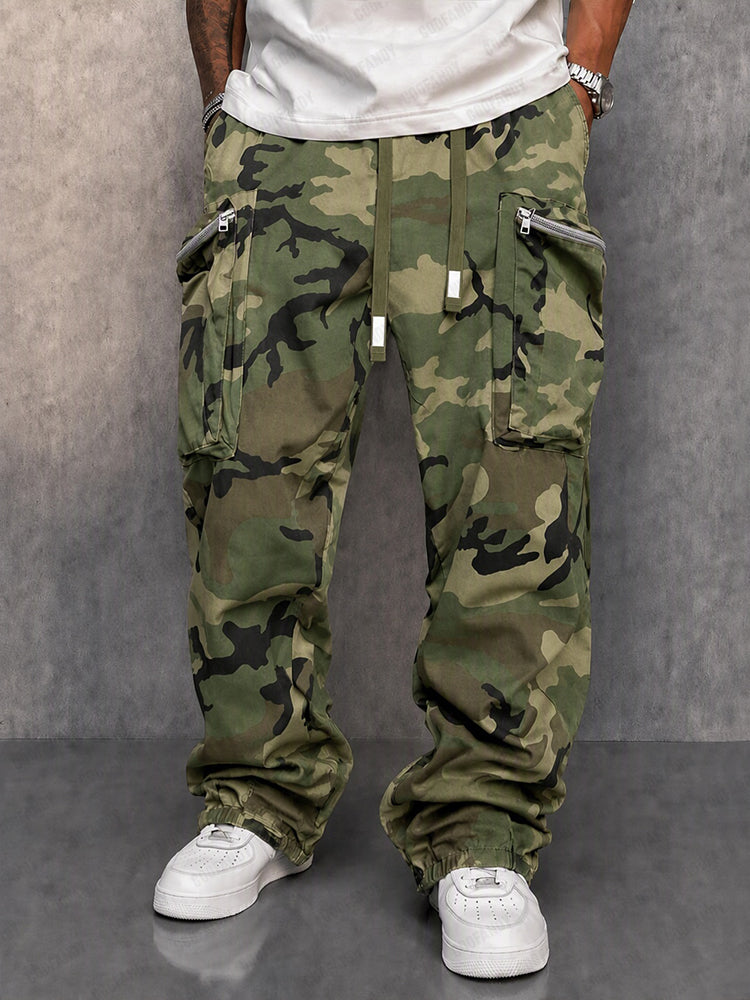
If different trousers are the correction you need, browse our Men's Pants collection with those destinations in mind. Look for a layout you can use, then assess the actual pair with your belongings. Three listed pockets need not mean three suitable destinations for your particular load, and an unused pocket is fine if a permitted bag works better for one item.

Keep Essentials With You When Layers Come Off
Follow the same objects through a closed coat, an open coat and the outfit without it. Suppose your phone and keys are in trousers while the wallet is in the coat. With the coat closed, try reaching both trouser pockets. If the coat opening blocks your hand, check whether opening it gives you workable access or whether a different destination is needed.
With the coat open, retrieve and replace the wallet as well. Then consider where it will go when the coat comes off. The phone and keys are already in clothes that stay on; the wallet still needs a place. A trouser pocket or permitted bag is worth trying before relying on a coat pocket for the evening.
When you do use a removable layer, make the transfer before storing it:
- Identify what is in the coat, blazer or cardigan you are about to remove.
- Move those belongings to the usable pockets or bag you chose for the outfit underneath.
- Locate your phone, keys, wallet and any other required items in their resulting positions, then put the garment away.
Check the receiving pocket with its existing contents. If the wallet joins the keys and that combination fails, choose another destination before you leave the layer behind. An empty pocket that accepted the wallet earlier is not the same arrangement as a pocket now holding both objects.
For a blazer over a shirt, try keeping all essentials in the trousers or bag from the start if those destinations work. That removes a transfer from your plans. If you prefer temporary blazer storage, keep the later destination specific: "wallet in the bag's inner compartment" is usable; "somewhere in the outfit" still leaves a decision for later.

Check the Loaded Outfit While Seated
Sit down in the trousers and base layer with the pockets empty first. Notice whether you can sit as intended and reach the openings. If the empty trousers already feel wrong to you, try a different pair before blaming the phone or wallet. Keep the rest of the clothes unchanged so the comparison answers the trouser question.
Next, load the pockets you selected and sit in the same place. If the phone now presses somewhere you dislike or becomes difficult to retrieve, take it out and compare again. Try it alone in an unoccupied usable pocket or bag compartment while leaving the other items where they were. That gives you a reason to keep or reject the new location instead of guessing that every garment needs a larger size.
If each object works alone but the combined load does not, separate the combination that failed. For example, if the wallet is manageable alone but awkward beside the keys, move the keys first. If every workable trouser arrangement still fails your seated check, choose a permitted bag or different trousers.
Our front-pleat pants description also lists a zip fly, a back elastic waistband and belt loops. The zip is at the fly, not a pocket fastening. Back elastic does not guarantee seated comfort; assess the actual pocket load as well as the waistband.
At a table or chair, practice taking out and returning the phone, wallet and keys in turn. Include the layer or bag you will actually wear. If you must leave an item on the table because returning it is awkward, revise its destination. The arrangement needs somewhere for the item after use, not just somewhere to carry it until you sit down. These checks assess access and fit, not protection against theft or loss.

Choose a Bag or Prop by How It Works
Keep a bag-free plan only if every required item has a usable pocket in clothes that stay with you, including while seated and after layers come off. If one item has no workable destination, compare a different garment with a bag the venue permits. Confirm the venue's bag rules before choosing one; an outfit match alone does not establish permission.
A wearable bag is one option to try if you want your hands available. Load it with the actual belongings, put it on over or under the intended layer and work the opening. If the strap crosses the pocket you need, or the coat covers the bag opening, try a different position. Also take the layer off: if the bag comes away with it, decide whether to change how you wear it or transfer the contents before storage.
A hand-carried pouch may suit the look you prefer. Compare it while holding any prop you intend to bring. If you have to put the pouch down to retrieve and replace your phone, consider whether a wearable option would work better. Include picking the pouch back up in that check, along with putting the phone away.
A character bag designed for storage can be considered in the same way. Load it, try the closure and retrieve each item while wearing the outfit. A hollow or decorative prop alone does not establish a usable compartment. Choose it for carrying only if the actual opening, closure and access work with your items.
If managing both a bag and a prop is awkward, change or leave the optional prop before sacrificing medication, an access card or another required item. Pick the bag by the complete load and how you use it, rather than by a size rule assumed to work for everyone.
Run One Complete Carry Rehearsal
Put on the chosen clothes with the same phone and case, filled wallet, key set and other necessities. Fill the pockets or bag compartments you intend to use, so the rehearsal includes everything you will carry. Follow one connected trip through the outfit:
- Start as you would leave home. Take out the keys, then return them. Retrieve the phone through the coat opening and replace it in its assigned pocket or bag compartment.
- Sit down with the full load. Take out the wallet as if you needed your payment item, put it back, then retrieve and replace the phone without leaving either on the table.
- Transfer any belongings out of the removable layer, take it off and confirm where every essential now sits before putting it aside. Retrieve and return each item you moved.
- Put the departure layer back on if you intend to wear it home. Keep or deliberately change each destination, then retrieve the keys as you would at your door and return them afterward.
If one transition fails, adjust the relevant item or garment and repeat that part. A blocked phone opening calls for another phone-access check; it does not call for repeating every successful wallet movement. If moving the phone changes a shared pocket, recheck the objects affected by that move together. Finish with a clear destination for each belonging in both the layered outfit and the clothes underneath.
Keep the Outfit, Change the Carry Plan
Choose the smallest change that resolves the problem you found. Move the keys if they crowd an otherwise usable phone pocket. Try different trousers if the empty pair already fails your seated check. Bring a permitted bag when required belongings have no workable pocket destination.
Keep the parts of the outfit that work, and give optional props less priority than the things you need to carry. Before leaving, you should be able to name where your phone, keys and wallet will go after use and after a layer comes off. Keep that look when you can reach for each belonging and put it away again, with a place for everything you need.
Frequently Asked Questions
Can I carry my phone and wallet in a blazer I will take off?
Yes, if the pockets work with your actual items and you have checked another destination for both before removing the blazer. Transfer them to usable trouser pockets or a permitted bag before storing it. If those destinations work from the start, consider using them throughout instead.
What can I do if my Halloween outfit has no usable pockets?
Choose a bag the venue permits or change a garment to one with pockets you can use. Try the complete load, closure and retrieval with the outfit on. Keep required essentials; change an optional prop if necessary. A decorative prop should count as storage only if its actual compartment works for your belongings.
Why does my phone fit when standing but not when I sit down?
Standing fit alone has not established seated access. Compare the same trousers empty and loaded, then try moving only the phone. If it works alone but not beside another item, separate them. If the empty trousers already fail your seated check, try different trousers; if only the loaded arrangement fails, compare another pocket or a permitted bag.
About COOFANDY
Founded in 2015, COOFANDY is a menswear brand created for modern men navigating work, weekends, celebrations, and everyday life. Its collection includes shirts, suits, pants, sweaters, and tees designed to help men build versatile, confident looks for different moments and personal styles. Guided by the belief that clothing can reflect confidence and character, COOFANDY focuses on making approachable menswear part of every stage of life.
COOFANDY in the Press
- Is COOFANDY Worth It? The $20 Shirt Test vs. Ralph Lauren, Express and 8 More Menswear Brands
- Best Picks: COOFANDY Shirts & Suits for Commuting, Vacation, and Wedding Season
- From Amazon Basics to 70M+ Customers: The COOFANDY Story Adds a New Chapter with Walmart Distribution



Laissez un commentaire