









Men's Dress Shirts: A Practical Guide to Fit, Collar Styles and Everyday Pairing
A dress shirt needs to do more than look tidy on a hanger. It has to work when you are seated at a meeting, reaching for a coffee, walking into dinner, or standing through an introduction. The useful details are visible ones: where the collar sits, what the sleeves do when your arms bend, and whether the shirt still looks right after twenty minutes in a chair.
Try a shirt with an actual trouser and shoe pairing before you decide it has a place in the wardrobe. That small effort reveals more than a category label. It also makes it easier to see whether the shirt belongs at a meeting, a dinner reservation, or a relaxed social plan.
Look at the Collar After You Move
Button the collar as you would for the day and look at it before adjusting anything. Then turn your head, sit down, and stand again. A collar that lies evenly through those movements gives the shirt a composed starting point. One that pulls at the closure or folds into itself will keep asking for attention.
There is no single collar shape that solves every wardrobe. The better choice is the one that sits comfortably on you and looks right with the plans you actually keep. A work meeting may call for a cleaner, tucked shirt-and-trouser direction. Dinner might leave room for a more relaxed hem if the restaurant and the rest of the outfit support it.
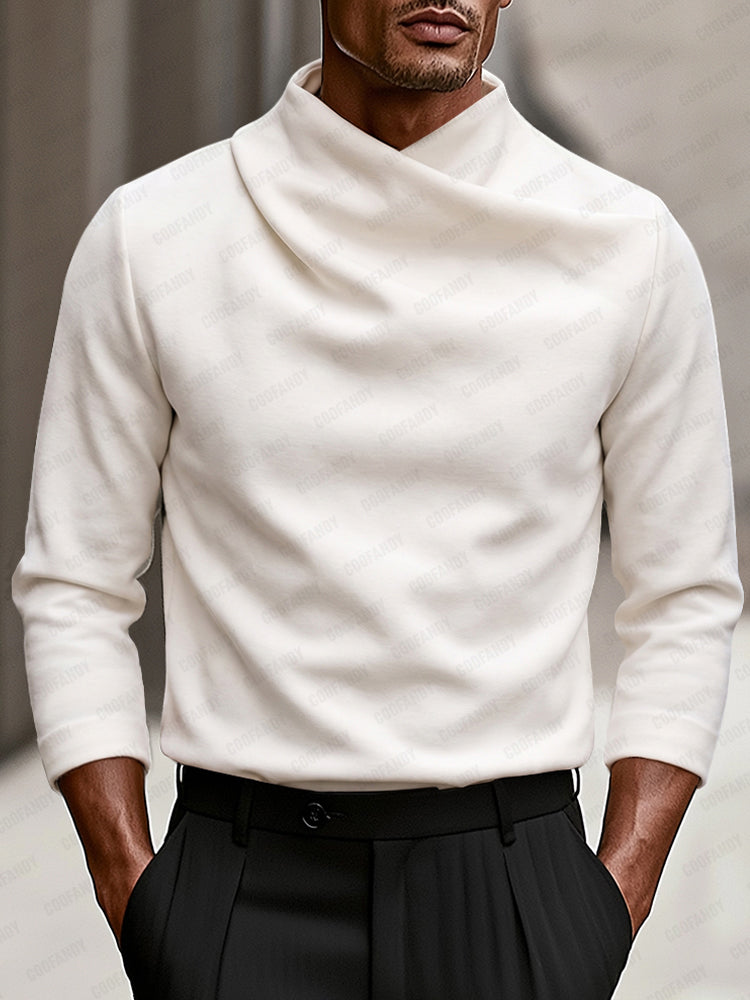
For everyday pairing, choose collar style by the neckline you will actually use. A collar that stays even when buttoned is the easier choice for meetings; a more open-looking collar must still lie flat when you leave the top button undone for dinner. Try both positions with the same trousers before calling either style versatile.
Look at the collar from a few steps away, not just close to the mirror. That distance shows whether it belongs with the trouser line and shoes. It also saves you from trying to fix a shirt choice with an extra accessory.
Sleeves Tell You More Than the Size Tag
Sleeves are easy to judge while your arms are still. They become more revealing when you bend an elbow, reach across a table, or lift a bag. Check where the cuff ends and how much fabric gathers at the forearm. The sleeve should not look like it is pulling you backward, nor should it overwhelm the line of the shirt.
Roll or button the sleeve only in a way that fits the day you are dressing for. A casual dinner may allow an easier treatment. A client-facing meeting may look better with a clean cuff and a simpler finish. The useful choice is not the most styled one; it is the one that keeps the shirt looking settled when you use your hands.
Shoulders belong in this check too. Let your arms hang, then see where the shoulder seam lands. If the shirt looks strained before you move, another layer will not make the fit more convincing. A jacket can change the outline, but it cannot solve the shirt underneath.
Sit Down Before Calling It a Good Fit
Standing in front of a mirror is only half the test. Sit at a desk or dining table in the shirt and trousers you intend to wear. Notice whether the placket pulls, the collar changes shape, or the hem behaves differently than it did while standing. This is where an outfit becomes real.
For a tucked shirt, check whether the hem remains in place after you sit and stand. For an untucked finish, look at where the hem falls against the trouser rise when you are seated and when you walk. The same shirt can work two ways, but only when its proportions support the choice.
This quick test is useful before travel and before a longer event as well. You are not looking for perfection. You are looking for a shirt that will not become the thing you think about all day.
Pair It With the Trousers You Reach For Most
Dress shirts become easier to wear when you test them against the trousers already doing the most work in your closet. Put the shirt with a more composed trouser and one with a relaxed line. Change the shoes only after you have looked at both. The contrast tells you whether the shirt has range or needs a very narrow outfit around it.
For a meeting, a tucked shirt, clean trouser line, and shoes that suit the office can make the outfit feel clear. For dinner, the same shirt may work with a different trouser and an easier hem treatment when the venue supports it. The event remains the deciding factor. A preferred pairing does not overrule a written dress request or a client-facing plan.
Keep color simple. A shirt and trouser combination that separates clearly is easier to read than one where every shade competes for attention. One point of contrast is enough.
A Signature Lens for the Same Shirt Checks
COOFANDY Signature is COOFANDY's premium menswear collection, with a design focus on fabric, fit, and finishing details. Use those as questions, not as promises about a shirt you have not handled. First, read the actual fabric composition and care instructions: will this shirt suit a long office day, or are you choosing it for an easier dinner? Then try your usual size with the trousers and shoes you intend to wear. Check the shoulder when you reach, the collar when you turn, and the hem after sitting. Look closely at the placket, cuffs, and seams in normal light, and see whether they still look orderly after movement.

The collection brings shirts and blazers into focus for smart-casual and resort-inspired dressing, but your venue still sets the level of formality. A tucked shirt under a jacket for a meeting calls for a different collar and hem decision than an open-neck dinner outfit. Read the COOFANDY Signature story for the collection's direction; use the Signature collection to explore the assortment. Before choosing anything, check each item's current size chart, material and care information. A collection name cannot tell you how a particular shirt will fit.
Two Shirt Directions to Try at Home
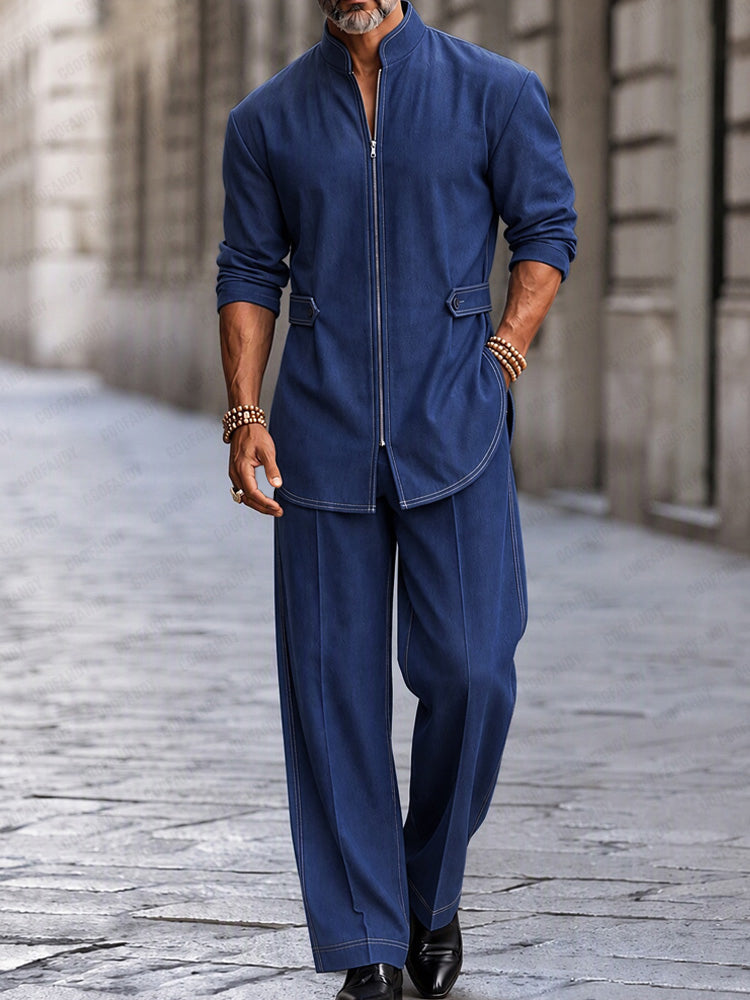
Formal Wrinkle Free Dress Shirt (US Only) is a useful option to try with your office trousers. Sit down in the complete outfit, check the collar after moving, and review the current size and care information before you choose a size.
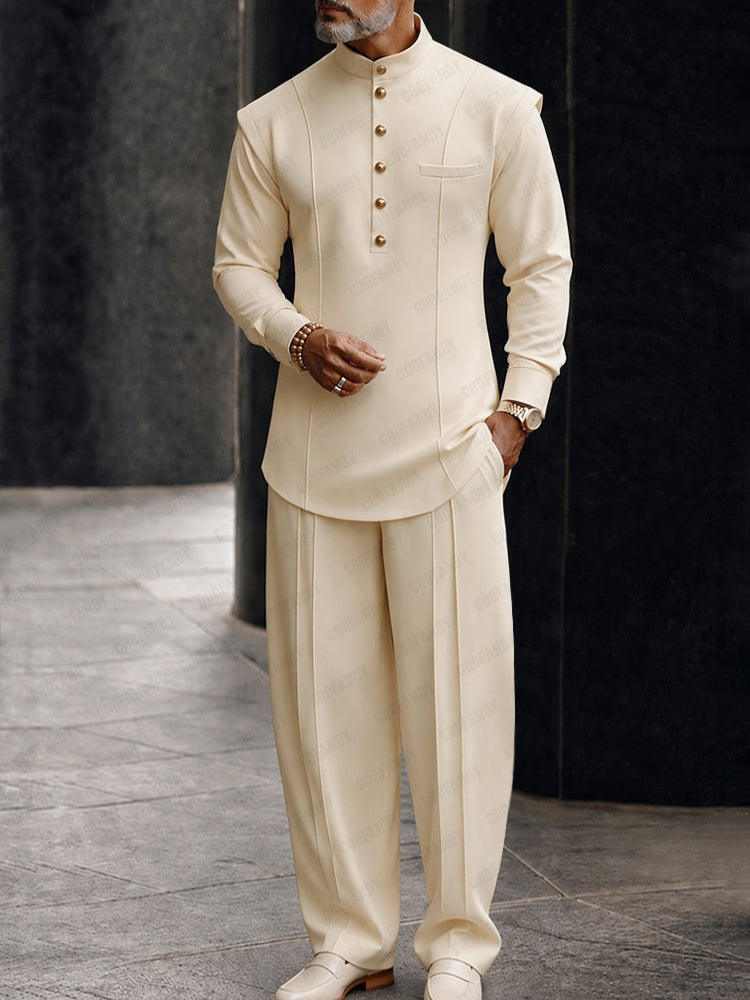
For a setting that supports an untucked proportion, try Elegant Untucked Dress Shirt (US Only) with the shoes you would wear to dinner. Look at the hem from the front and side, then take a short walk. That is a more useful check than deciding from the product name alone.
Make the Shirt Earn a Place in Rotation
One shirt can handle several plans when it works with more than one trouser and stays composed through normal movement. Test two or three pairings at home, then remember the ones that looked settled. This makes a weekday morning much easier.
The collar, sleeves, and seated fit are not fussy details. They are the parts you notice once you actually wear the shirt. Get those right, and the rest of the outfit usually comes together quickly.
FAQ
How should a men's dress shirt fit in the shoulders?
The shoulder seam should sit close to where your shoulder naturally ends. Try moving your arms as well as standing still, because pulling often shows up once you reach or sit.
What should I look for in a shirt collar?
Check whether it lies evenly after you sit, stand, and turn your head. The collar should work with your trousers, shoes, and the level of formality the day requires.
Can I wear a dress shirt untucked?
Sometimes. Look at the shirt length and hem with your actual trouser rise, then judge it while standing and seated. An untucked finish should look intentional in that venue.
How can I tell whether a sleeve length works?
Bend your arms and reach across a table. Look for cuffs and forearms that stay visually balanced instead of pulling or gathering heavily.

Laissez un commentaire