









What to Wear in Hot and Humid Weather: Men's Outfit Formulas
Hot, humid days are easiest to dress for when you plan around the moments that make you change your mind: the walk to work, a cold restaurant, an afternoon outside, or dinner after you have already been out for hours. Pick a base outfit that works for the longest stretch, then make one adjustment for the next setting instead of piling on extra pieces. In this COOFANDY guide, the focus is on making a few everyday clothes work across a humid day.
Map the Pressure Points in Your Day
Outdoor commute
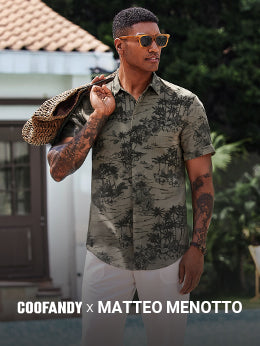
For a humid-street commute, start with an outfit that does not need a jacket to look considered: a collared short-sleeve shirt with relaxed trousers has more range than a clearly casual tee-and-shorts combination.
Air-conditioned interiors
Restaurants, offices, and terminals can call for more coverage than the street. An open-collar shirt over a plain tee or a lightweight long-sleeve shirt with sleeves rolled gives you an adjustment without requiring a full change.
Late-afternoon heat or rain
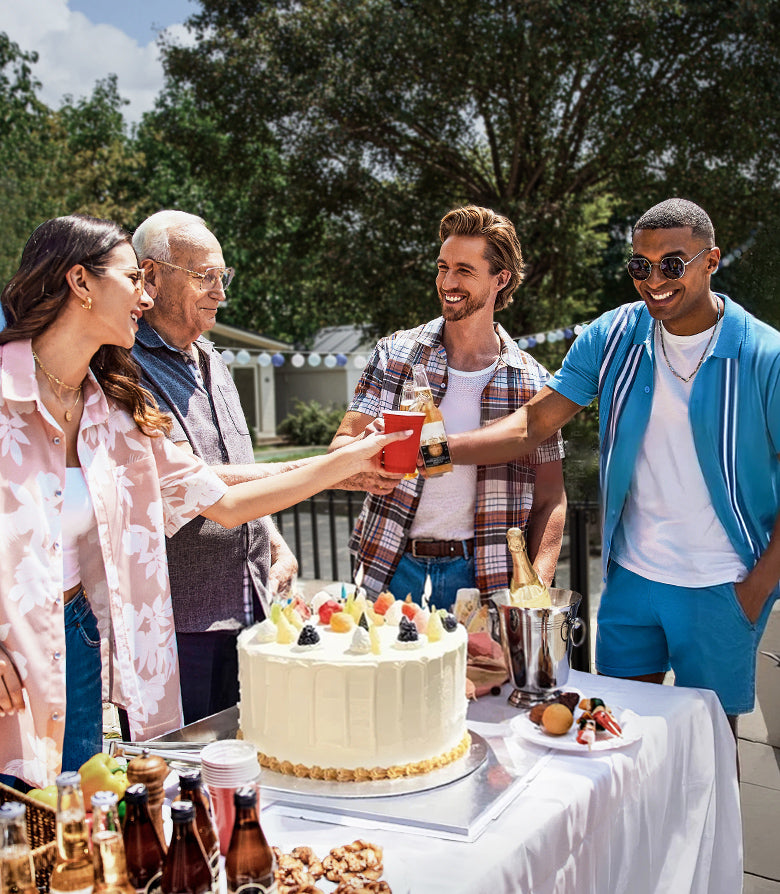
The last outdoor stretch may be a backyard gathering, patio meal, or evening social plan. Choose footwear for the walking you expect, and keep the pieces at the same level of dressiness when the plan shifts toward dinner.
Hot-and-Humid Outfit Scenario Table
| Scenario | Base outfit | One useful adjustment | Keep in mind |
|---|---|---|---|
| Outdoor commute to a casual office | Collared short-sleeve shirt + relaxed trousers + clean sneakers | Add a light layer for cold interiors | Let the office dress code set the final level of polish |
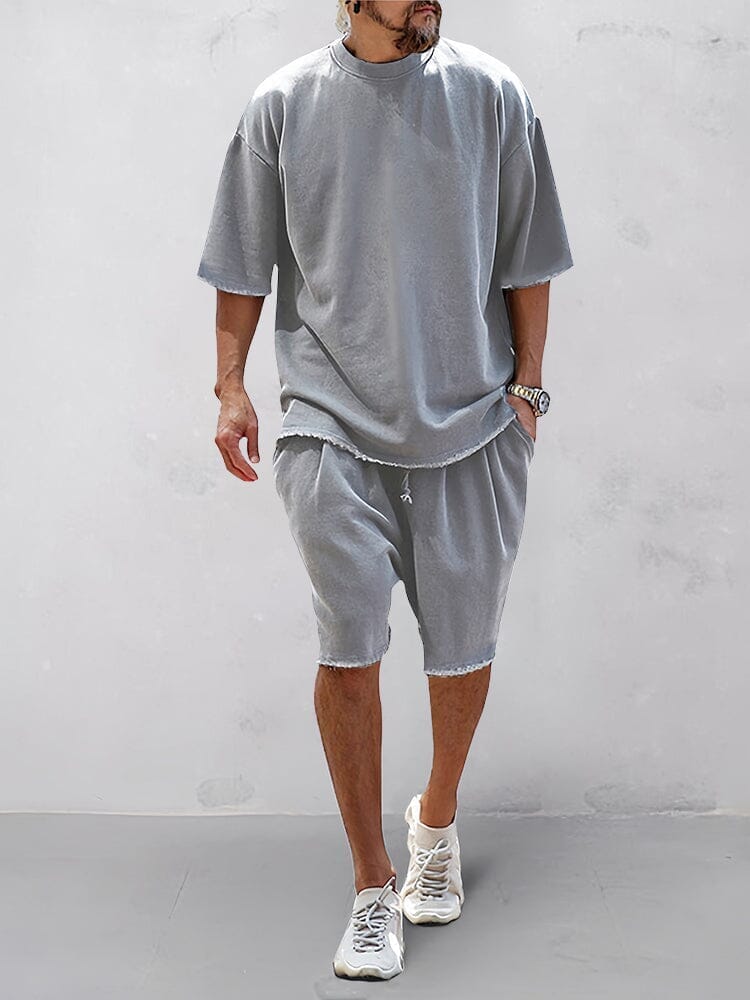
| Long day of errands or sightseeing | Easy tee or short-sleeve shirt + straight shorts + walking shoes | Carry an open shirt for indoor stops | Choose footwear for the distance you will actually walk |
| Patio lunch or backyard gathering | Open-collar shirt + relaxed pants or tailored shorts | Switch to a cleaner shoe if dinner follows | Keep the colors and level of formality consistent |
| Dinner after an outdoor afternoon | Collared shirt + relaxed trousers + loafers or minimal sneakers | Change from shorts into dry trousers | One sharper element is usually enough |
| Transit with changing temperatures | Tee + trousers + clean sneakers | Use an open shirt or light layer for the cabin | Pack the layer instead of wearing extra pieces from the start |
Choose One Base Outfit That Can Adapt
Begin with the bottom half. Straight shorts make sense for clearly casual daytime plans; relaxed trousers give you more range for a commute, restaurant, or evening stop. From there, choose a tee, textured polo, or collared short-sleeve shirt based on how much definition the day needs.
Leave room through the torso and leg, but do not treat loose as a substitute for proportion. The shoulder seam should still sit close to the shoulder, and the trouser hem should not collect heavily over the shoe. If the outfit feels restrictive before you leave, simplify it rather than expecting the weather to make it feel better later.
Five Adjustments That Change the Same Outfit
Collar
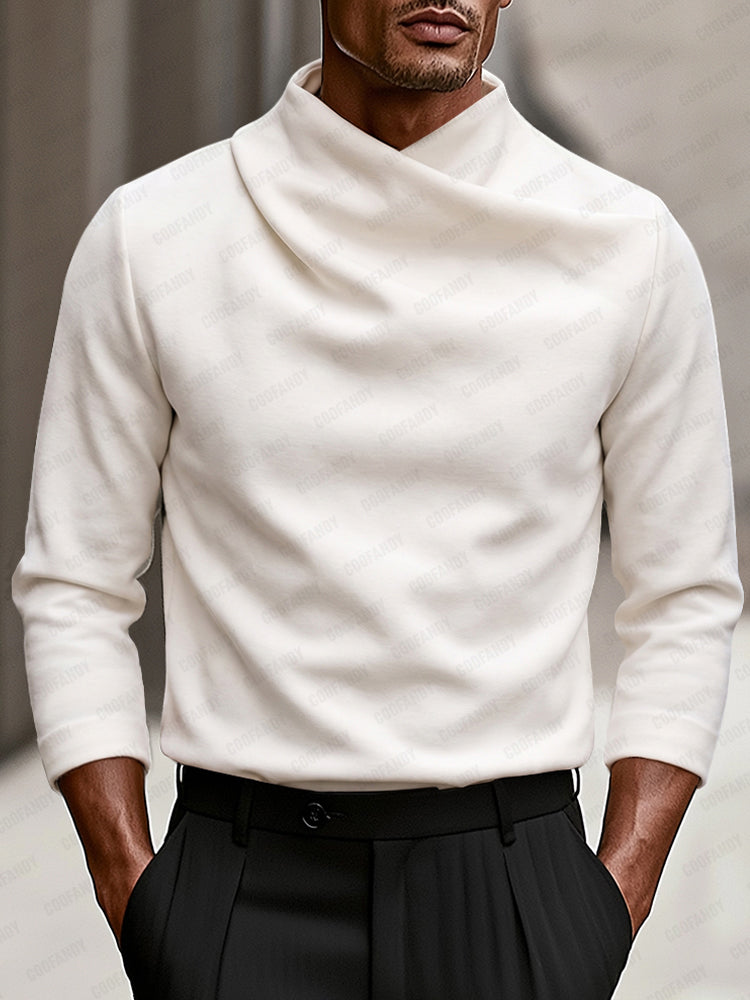
Move from a tee to a collared short-sleeve shirt when an office, restaurant, or evening stop needs more definition. Keep the top button open in a casual office, or wear an open-collar shirt over a plain tee for transit.
Bottom
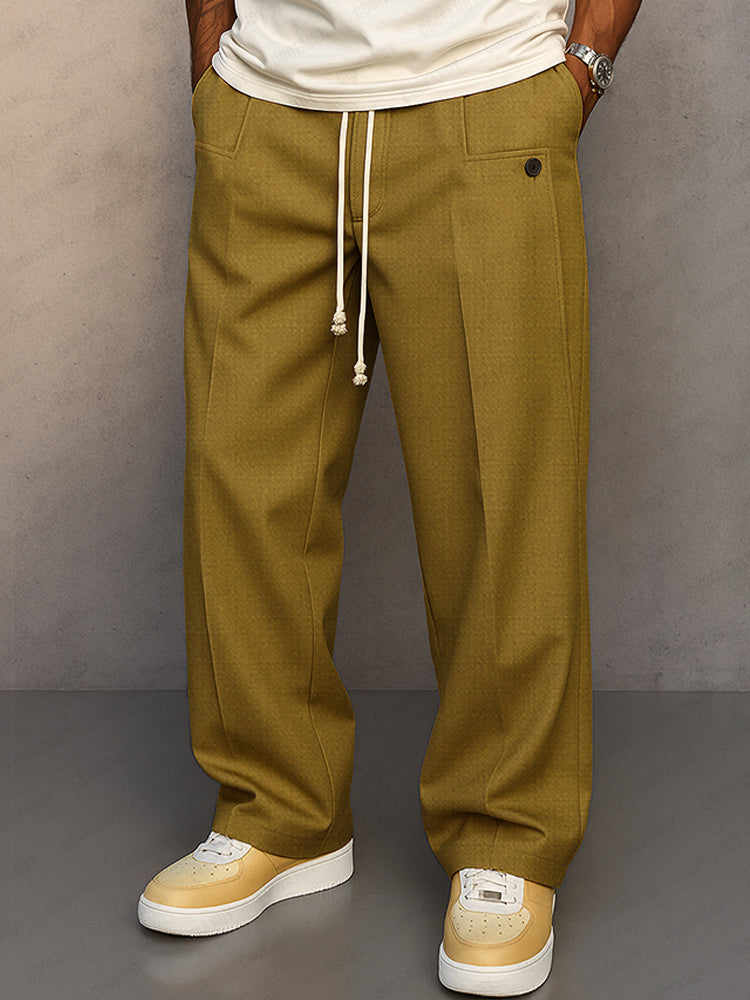
Swap straight shorts for relaxed trousers when you need more coverage or a clearer dinner line. Chinos or relaxed pants also work with a lightweight long-sleeve shirt for an outdoor lunch.
Dry layer
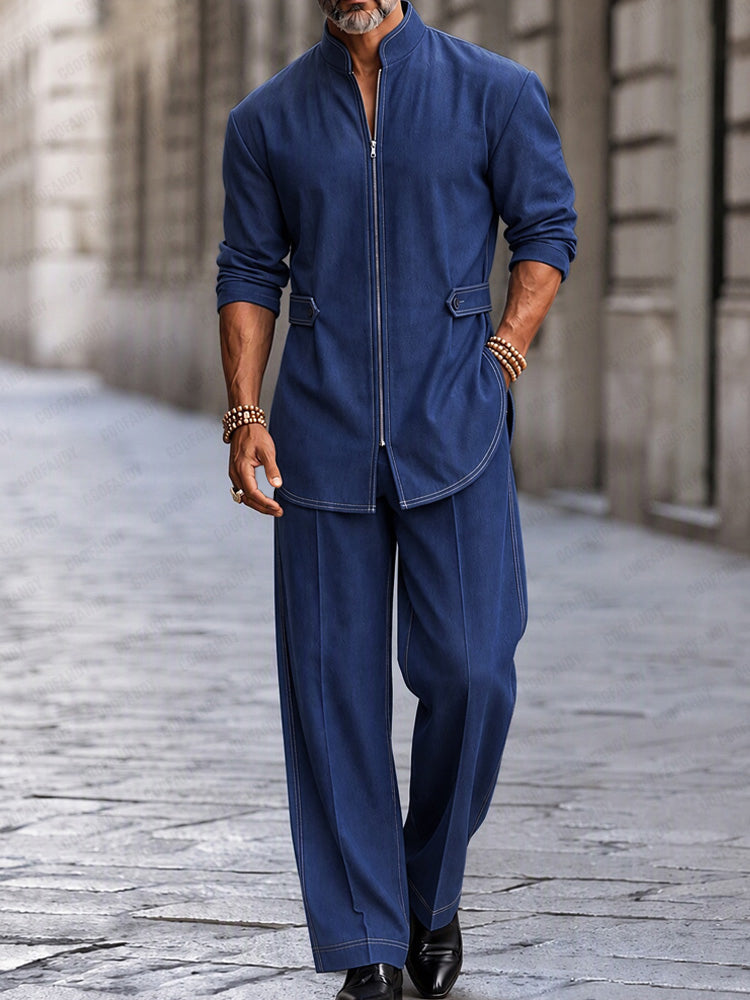
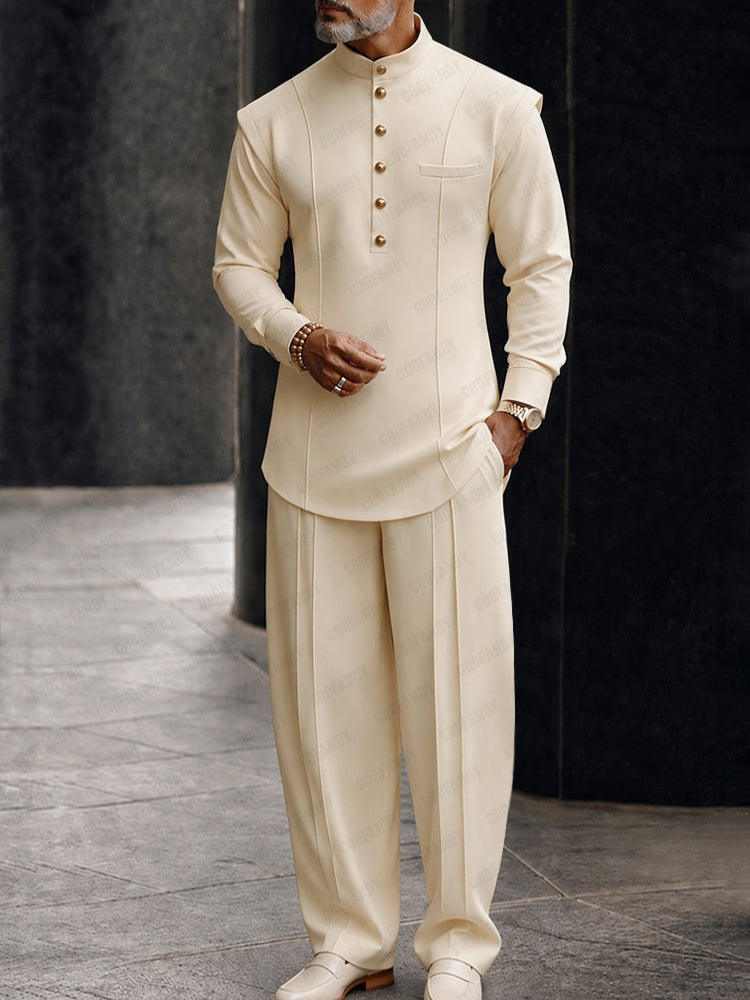
Use an open shirt or lightweight layer for cool interiors, then remove it or wear it open as the temperature changes. A matching shirt-and-bottom set can also reduce decisions on a trip when its shirt works over a tee or on its own.
Footwear
Choose clean low-profile sneakers or loafers for a casual office, walking sneakers for travel, and loafers or understated leather sandals for an evening social plan. Minimal sneakers or sandals can work for weekend errands where appropriate.
Color
Use two neutrals and one muted color. Let a patterned shirt have plain shorts, or let a plain shirt carry a more interesting pair of bottoms. A darker bottom adds visual structure after sunset without making the outfit formal.
Shopping Checklist for Hot and Humid Days
- Choose shirts with enough room to move through the shoulder and torso.
- Build around two or three colors that can be mixed without much thought.
- Bring one collared option for offices, restaurants, and evenings.
- Use trousers when you need more coverage; use shorts when the setting is clearly casual.
- Match footwear to the amount of walking and the formality of the plan.
- Check the garment care label before washing, drying, or packing for a trip.
For category comparison, browse our men's linen clothing collection and our men's pants collection. These are category pages; once you narrow down a piece, rely on its own product page for fit, material, and care information.
The One-Day Transition Rule
Build for the longest part of the day, then change one element for the next setting. A collar, bottom, dry layer, shoe, or color shift is usually enough; add a full outfit only when the venue or weather truly requires it.
FAQ
What should men wear when it is hot and humid?
Begin with a light shirt or polo, an easy-fitting bottom, and shoes suited to the plan. Keep the silhouette relaxed and the layers few. A collared shirt with relaxed trousers covers many smart-casual settings; a tee with straight shorts suits clearly casual plans.
Are long sleeves practical in humid weather?
They can be, especially when you need a little more coverage or will move between outdoor heat and cool interiors. Choose a light, easy shirt with sleeves that can be rolled cleanly. The fit matters more than the sleeve count: a restrictive long-sleeve shirt will feel less useful than one with room through the arm and body.
What colors work well for hot-weather outfits?
Light neutrals, soft blue, muted green, and washed tones are easy starting points because they pair well and look appropriate in daytime settings. You can still use darker colors. Try placing them in one item, such as pants or shoes, so the outfit retains contrast without feeling heavy.
How can a summer outfit look polished without a jacket?
Use a collared shirt, pants with a clean line, and footwear that matches the occasion. A tidy hem, a simple tuck, or a darker shoe can add structure. The point is not formality; it is for the pieces to look chosen for the same setting.
Laissez un commentaire