









Camera-Ready Shirts for Remote Internship Meetings
Your remote internship interview starts in twenty minutes. You grab what looks like a solid shirt from the closet, sit down, open your laptop—and the webcam turns your light blue button-down into a washed-out blur against the white wall behind you.
Most guys pick shirts by how they look in the mirror. But a webcam is not a mirror. It compresses color, flattens texture, and crops everything below your chest. The rules change, and nobody really teaches you the new ones.
Why Your Favorite Shirt Might Fail on Camera
Webcams handle color differently than your eyes. Auto-exposure algorithms constantly adjust based on what dominates the frame. A bright white shirt can trick your camera into underexposing your face. A very dark shirt against a dark background causes the opposite—your face gets blown out.
Then there's resolution. Most calls run at 720p. Fine patterns like thin stripes or micro-checks create a visual buzzing called moiré. It's distracting, and it makes you look like you're vibrating. Not the first impression you want.
The fix isn't complicated: treat your shirt as part of a visual system—shirt + background + lighting, all working together.
Picking Shirt Colors by Background Type
White or Light Walls
The most common home-office setup, and ironically the trickiest for shirts. White-on-white is the obvious mistake—you'll blend into the wall and lose all definition.
What works:
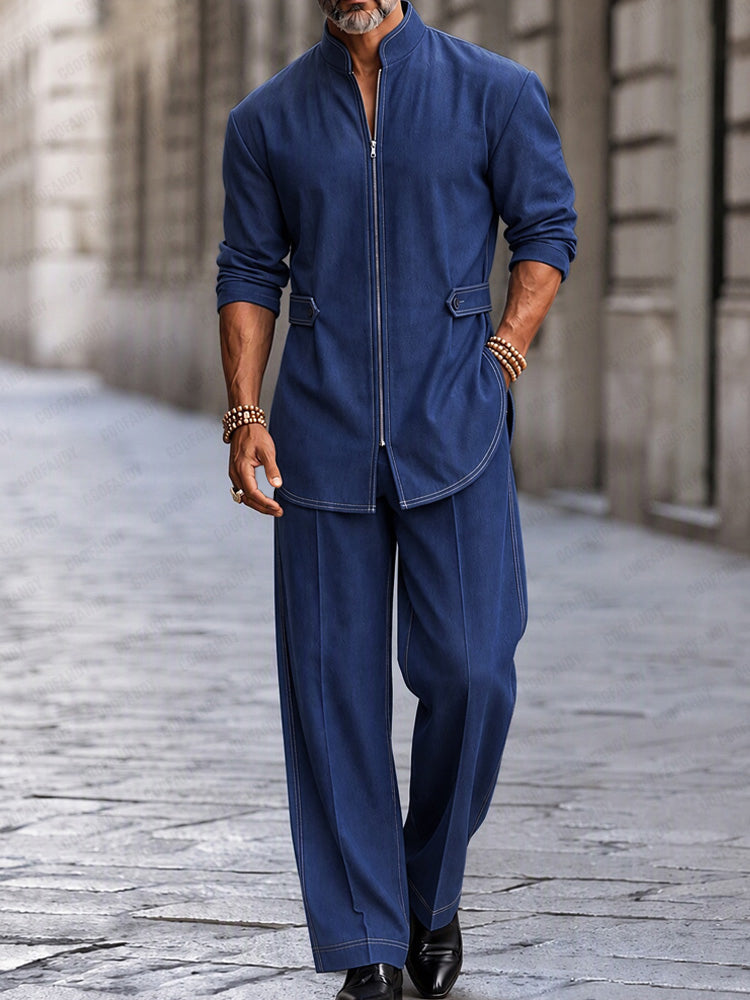
- Medium blue or steel blue — creates clean contrast without coming across as aggressive
- Light lavender or soft lilac — subtle enough to feel professional, distinct enough to separate you from the wall
- Light sage or muted olive — an underrated option that reads well on screen
Skip pure white, very pale pastels, cream, or anything that could match your wall color within a shade or two.
Dark or Bookshelf Backgrounds
Darker environments give you more freedom. Your face is already the brightest element in the frame, which is exactly what you want.
Strong options:
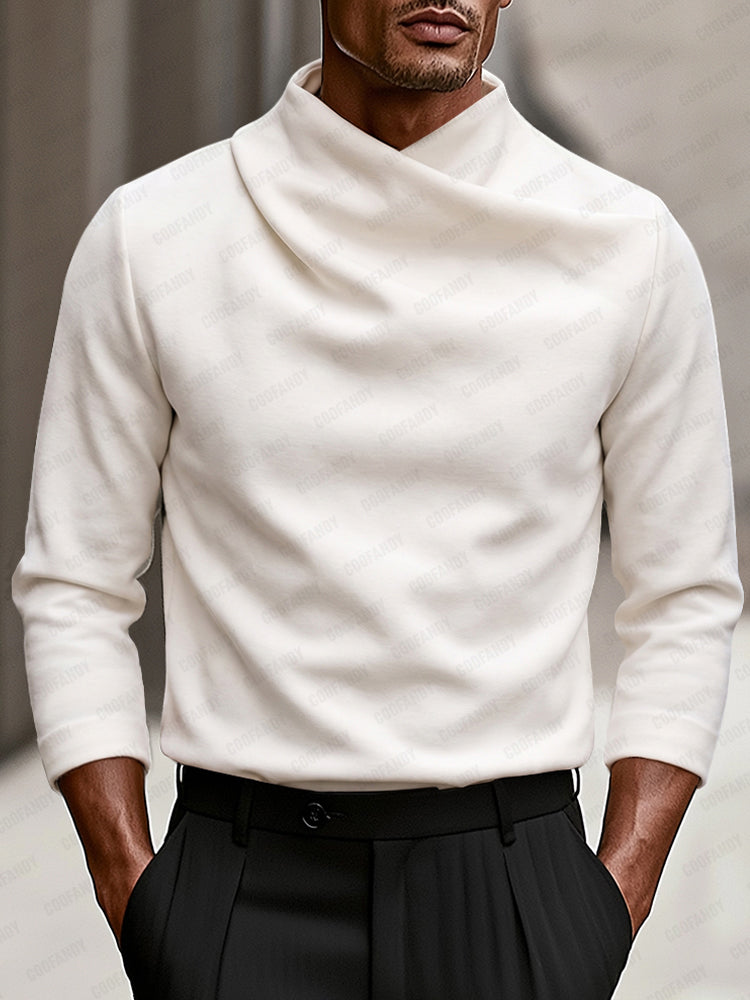
- White or off-white — genuinely works well here because the dark background provides natural contrast
- Light pink — reads confidently on camera, especially against dark wood or navy walls
- Pale blue — universally flattering and always safe for professional calls
Avoid dark navy or charcoal shirts unless you want to become a floating head.
Virtual Backgrounds
Virtual backgrounds detect edges between you and whatever's behind you. Shirts with busy patterns or colors too close to the virtual image cause flickering—parts of your shirt disappearing and reappearing. Stick with solid colors in medium tones and fitted shirts with clean shoulder lines. If your virtual background is a beach scene, don't wear sandy beige. A solid medium-blue or dusty rose handles most setups without edge glitches.
Collar Styles That Frame Your Face Right
Your collar is the closest visual element to your face on a video call. It's doing more work than you think.
Spread Collar
The wider opening draws attention toward your face and creates a balanced look on camera. Generally the most flattering style for video calls because it mirrors the horizontal webcam frame. Works well buttoned up or with the top button undone.
Point Collar
A classic that's perfectly fine for video meetings. The narrower profile works well if you have a broader face, since the vertical collar points create a slimming effect. Just make sure the points lie flat—a curled collar tip is much more noticeable in a cropped video frame.
Button-Down Collar
Casual but controlled. The buttons keep everything in place, so you won't have a collar point going rogue mid-meeting. Solid pick for startups or creative companies. For more traditional corporate internships, a spread or point collar signals more formality.
Band Collar (Mandarin)
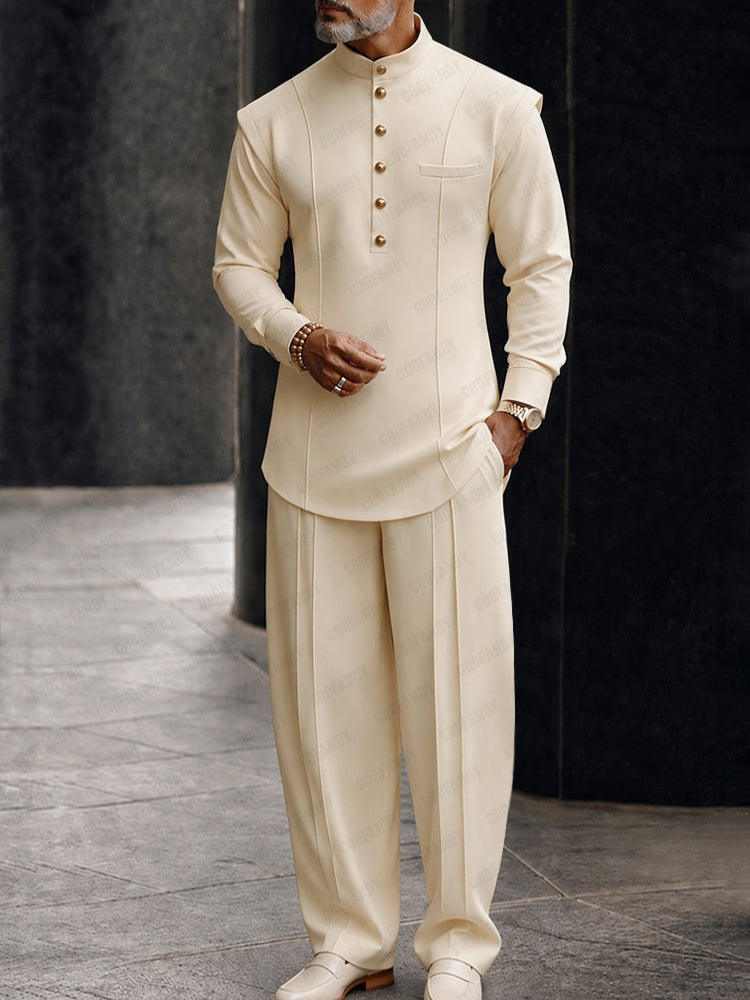
Modern and minimal on camera. But some interviewers may read it as too casual for a first meeting. Save this for after you've established yourself.
The "Only Showing My Top Half" Trap
Yes, they can only see you from the chest up. No, that doesn't mean you can ignore everything else.
Wrinkles show more on camera. Flat, frontal webcam lighting makes creases more visible, not less. Hit the front panel and collar with a steamer or iron—you don't need to do the whole shirt, just the parts the camera sees.
Fit matters at the shoulders and chest. Too big creates bunching and shadows. Too tight pulls at buttons, which the camera catches immediately. You want a clean line from shoulder seam to chest.
Fabric texture reads on screen. Smooth weaves like poplin or twill look cleaner on video than heavily textured fabrics. Oxford cloth or linen still works—just know they'll read more casual on camera than in person.
Quick Reference: Camera-Ready Shirt Checklist
| Factor | What Works on Camera | What Doesn't |
|---|---|---|
| Color (light wall) | Medium blue, lavender, muted sage | White, cream, very pale pastels |
| Color (dark background) | White, light pink, pale blue | Dark navy, charcoal, black |
| Color (virtual background) | Solid medium tones | Busy patterns, edge-matching colors |
| Collar | Spread or point collar, lying flat | Curled tips, oversized band collars |
| Pattern | Solid or subtle texture | Thin stripes, micro-checks (moiré risk) |
| Fit | Clean shoulder line, no pull at buttons | Oversized or too-tight torso |
| Fabric | Poplin, twill, smooth weaves | Heavily textured weaves (less crisp on camera) |
Building a Small Rotation That Covers Every Call
You don't need a closet full of shirts. Three well-chosen options cover almost any remote meeting scenario:
-
A solid medium-blue dress shirt — your everyday default. Works against nearly any background and reads as professional without being stiff.
-
A white or off-white shirt — for darker backgrounds or when you need to look slightly more formal. Keep it crisp.
-
A soft-toned alternative (lavender, sage, or dusty rose) — for when you want to stand out slightly without taking risks. Shows personality while staying professional.
Our men's shirts come in these tones—solid colors, clean collars, and fits that look sharp on webcams without overthinking it. The COOFANDY business clothing collection is also worth browsing if you're putting together a small professional rotation for internship season.
Whatever you buy, test it on camera first. Put the shirt on, open your webcam, and check it against your actual background. What looks great in the store might wash out on your specific setup. Position your webcam at eye level, keep the lighting in front of you (not behind), and frame yourself so the shirt occupies roughly 30-40% of the visible area. Ten seconds of testing saves a last-minute scramble before a call with your supervisor.
FAQ
What color shirt is best for Zoom meetings?
Medium blue is the most universally reliable choice—it creates contrast against both light and dark backgrounds, flatters most skin tones, and reads as professional without feeling stiff. If your background is dark, white or off-white also works well.
Do patterned shirts work on video calls?
Simple patterns can work, but avoid thin stripes and micro-checks. These fine patterns create a visual distortion called moiré on most webcams, making the fabric appear to shimmer or vibrate. Stick with solid colors or very subtle textures for the cleanest on-camera look.
Should I wear a tie for a remote internship meeting?
It depends on the company culture. For most remote internships, a well-fitted collared shirt without a tie strikes the right balance. If you're interning at a law firm or financial institution, ask your supervisor about dress expectations during your first call—better to ask directly than guess wrong.
How do I stop my collar from looking messy on camera?
Choose collar styles with built-in structure, like a spread collar or button-down collar. Before your call, open your webcam preview and check that both collar points lie flat and symmetrically. If they're curling, a quick press with a warm iron or collar stays will fix the issue instantly.
Can I wear the same shirt to every remote meeting?
If meetings are with different people, sure. But if you're meeting the same team regularly, rotating two or three solid-color shirts keeps things fresh. A medium blue, a white, and one accent color give you enough variety for a full internship.

Leave a comment