







College Career Fair Outfit Research Checklist for Men in 2026: Match Your Look to the Employer
A college career fair outfit should start with the employer, not a one-size-fits-all dress rule: research each priority employer's fair guidance, recruiting materials, and role, then choose the corresponding level of polish. For mixed or unclear signals, wear restrained business casual: a clean collared shirt, neat pants, and tidy shoes. That base stays orderly while you queue with a folder, offer a resume, sit with a representative, and move to the next table.
Read the Employer Signals, Then Stop Researching
Give yourself ten focused minutes per priority employer. Check the fair instructions, recruiting pages, recent campus-event posts, and the role description. You are looking for a pattern: whether the organization presents a formal client-facing environment, a polished office setting, or a more relaxed one. A leadership headshot is not enough evidence by itself, and neither is one casual team photo.
Write down the answer in plain language: “collared shirt and trousers,” “business casual with a sharper layer,” or “tidy campus casual.” That note is more useful than saving a dozen images. It also prevents a common mistake at large fairs: dressing for the most formal company in the room when the conversations you care about have a different tone.
| What you find | A sensible interpretation | Clothing response |
|---|---|---|
| The career center specifies professional dress | The host has set a clear expectation | Use a neat collared shirt, structured-looking pants, and clean shoes |
| Recruiting material repeatedly shows business casual | The employer’s everyday presentation is polished but not ceremonial | Keep the outfit simple and well fitted |
| The table is for a campus organization or informal program | The interaction may be conversational rather than interview-like | Remain tidy without adding formal pieces for their own sake |
| Guidance is mixed or absent | There is no strong reason to choose an extreme | Wear the most restrained version of business casual you already own |
Dress for the Queue Before the Handshake
The first part of the fair is often a line. You may spend several minutes standing behind other students, checking the company name on your notes, holding a portfolio, and deciding how to introduce yourself. That is why an outfit should be checked in an ordinary stance, not only in a posed mirror view.
Wear the shoes you plan to bring. Put your resume folder under one arm. Let your arms hang naturally. Notice whether the shirt pulls across the chest, whether the waistband feels distracting, or whether loaded pockets change the line of the pants. Empty the pockets of everything except essentials. A phone, card holder, and keys are usually enough; the rest can go in a bag.
There is no prize for looking as though you borrowed a much more formal wardrobe for the morning. A clean collar, a shirt that sits properly at the shoulders, pants with an appropriate length, and shoes that have been wiped down are easy signals for another person to take in while the queue moves forward.
Make the Resume Handoff Uncomplicated
When your turn arrives, you want to reach for a resume without searching through a backpack or adjusting your sleeves. Set the folder or portfolio up before you enter the building, with a few clean copies ready to hand over. That preparation matters more than a fussy accessory.
Choose an outfit that lets you move your arms freely. Practice taking out a resume, offering it across a table, and replacing the folder at your side. If a shirt cuff catches, a jacket feels cumbersome indoors, or a beltline becomes the thing you keep touching, simplify the combination. The clothing should disappear into the interaction once you say hello.
For employers with a more traditional professional signal, raise the formality in one visible place rather than trying to upgrade everything. A sharper shirt and neater trousers can do more than a pile of extra details. For a creative, technical, or community-facing conversation, the same clean base often works with a less formal finishing choice. The research you did earlier is there to guide that distinction.
Check the Outfit Sitting Down
Some of the best conversations at a career fair happen away from the main table: a recruiter may invite you to sit at a small round table, or an alumnus may take a few extra minutes after the line. Test your outfit for that possibility before the event.
Sit in a standard chair with your folder on your lap. Check that the shirt remains comfortable at the waist and that the pants do not pull in a way that makes you self-conscious. Stand up again and look at the front of the shirt. A useful outfit returns to a presentable shape with one small adjustment, not a full reset.
This also helps with your conversational posture. You will listen and speak more naturally when you are not wondering whether a hem is caught under a shoe or a shirt has come untucked in an awkward way. Keep the silhouette familiar enough that you can focus on names, questions, and the details of the role.
Verify Two Specific Options Against Your Route
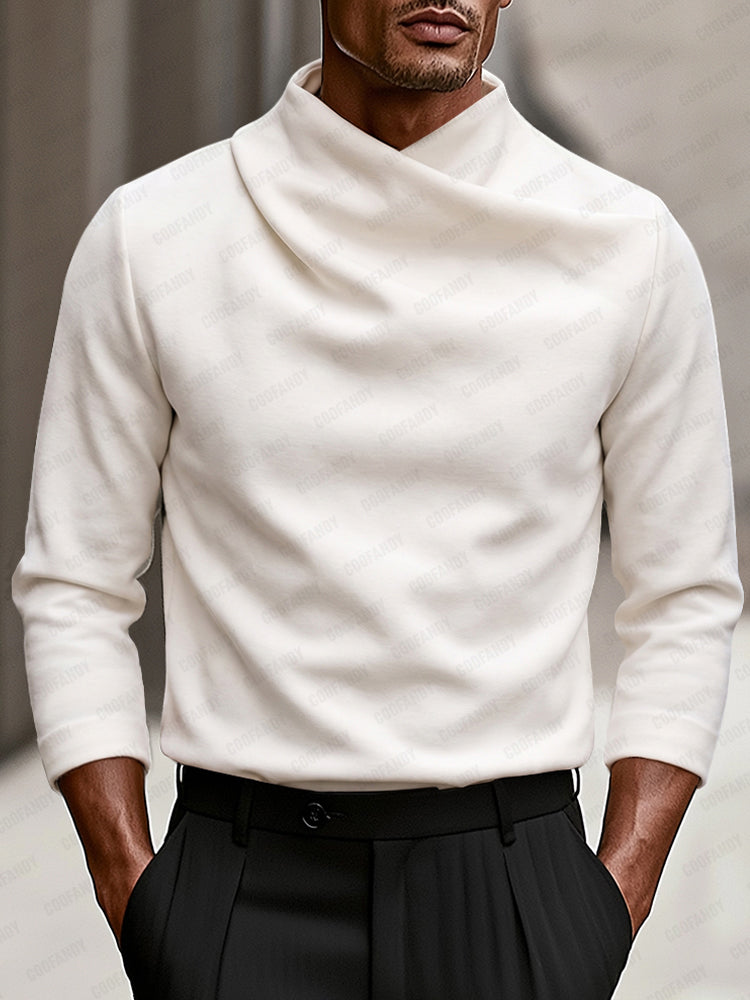
Once you know the fair format and your employer list, review the Formal Wrinkle Free Dress Shirt for its current size, fit, fabric, and care information. Compare those details to the kind of shirt you need for a queue, a resume handoff, and a seated conversation. A product name is not a substitute for checking the measurements and guidance that apply to you.
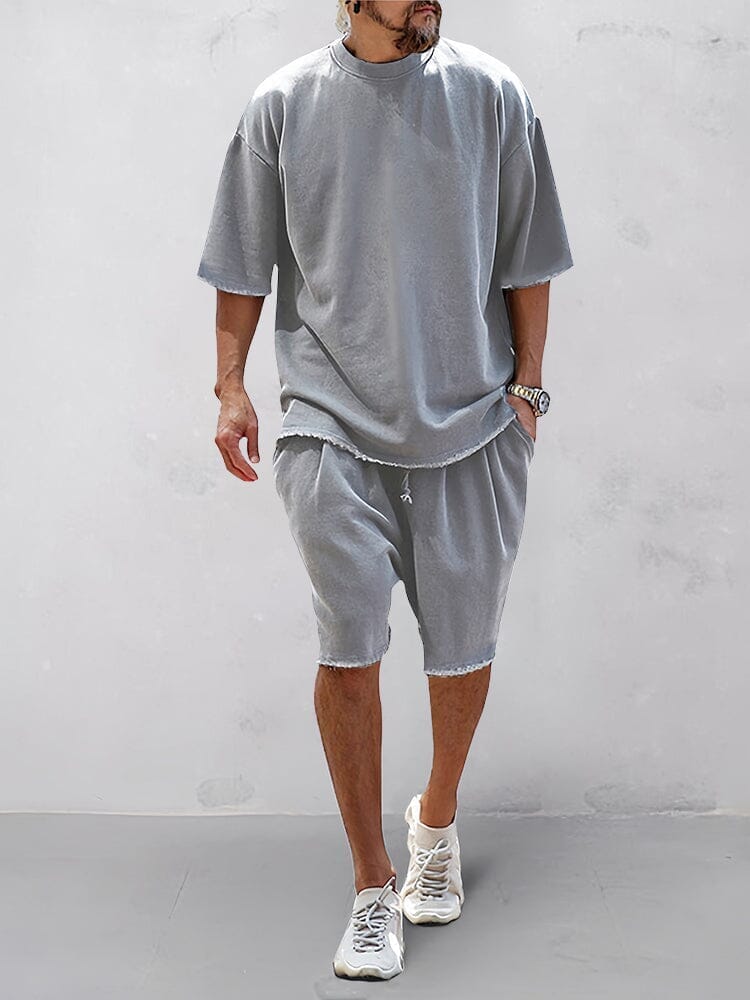
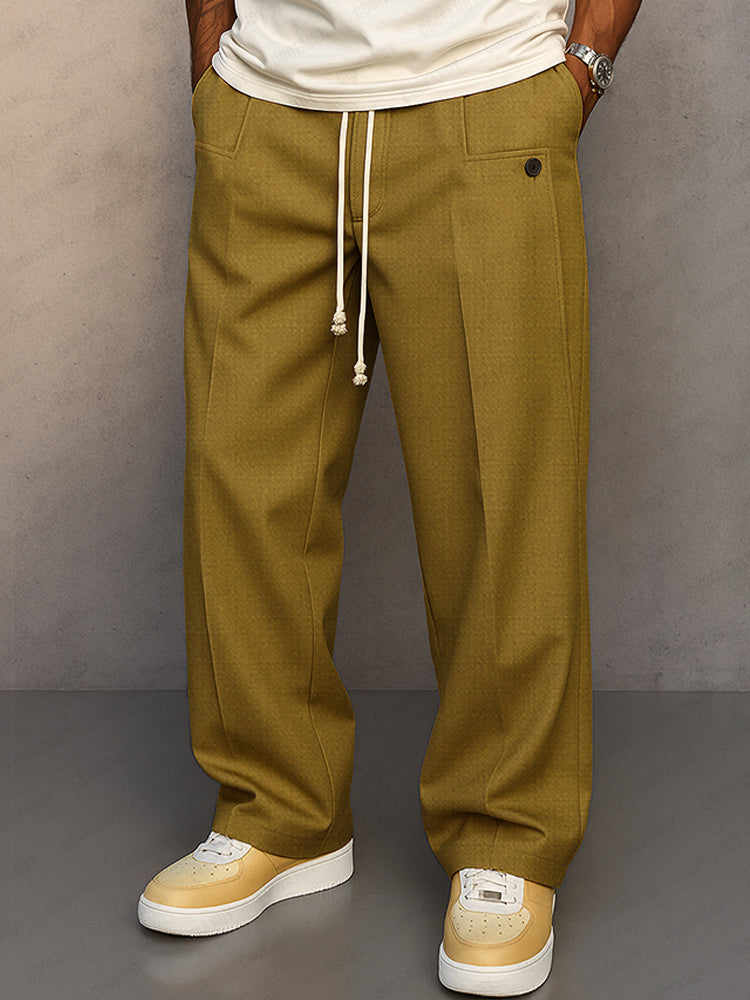
Do the same with the Comfy Urban Style Drawstring Pants. In this scenario, the relevant check is whether the listed fit and care details suit the time you will spend standing, sitting, and carrying materials. Read each page as a decision aid for this specific fair, not as a promise that one item fits every campus employer or every body type.
Take a Post-Photo Look Before the Next Table
Career fairs often include a photo moment: a career-center volunteer may ask a group to gather, or a recruiter may suggest a quick shot after a campus conversation. That is not a reason to dress for social media. It is a reason to check the practical details that photographs make visible.
After a photo, step aside for thirty seconds. Straighten the shirt front, check the collar, brush off anything picked up while waiting, and make sure your folder has not bent the hem. Look at the shoes and the back of the pants if a restroom mirror is available. Then move on. The check should be brief enough that it does not turn into preening between every table.
Let Preparation Carry the Stronger Message
An employer is likely to remember whether you introduced yourself clearly, explained what you are studying, and asked a real question about the work. Clothing supports that exchange when it is clean, fits reasonably, and respects the setting. It cannot replace the preparation behind the conversation.
Before leaving home, run the route once: documents ready, phone silenced, shoes checked, and the outfit tested while standing and seated. Then leave room for the day to be slightly imperfect. A long queue or an unexpected conversation does not call for a different wardrobe. It calls for an outfit that lets you stay present.
FAQ
What should a man wear to a college career fair?
Use the employer and host guidance to choose the formality. A clean collared shirt, neat pants, and tidy shoes are a dependable base when the instructions are unclear.
Is a tie necessary for a career fair?
Wear one when the fair or the employers you are prioritizing clearly point to a formal professional standard. It is not a replacement for good fit, clean shoes, or research.
Can I wear jeans to a career fair?
Jeans may fit a clearly casual campus event, but they are not the clearest default for an employer fair with mixed expectations. When in doubt, choose a more polished pair of pants.
What should I carry while talking to recruiters?
Bring resumes in a simple folder or portfolio, plus only the essentials in your pockets. Keeping the handoff easy helps the conversation begin without a search through a bag.

Leave a comment