













How to Check Whether a Clothing Deal Is Worth It

A clothing deal is worth considering when the amount you will actually pay fits your budget, the garment is likely to fit, and you can name a real job for it in your wardrobe. A large percentage-off label answers none of those questions. Before you check out, calculate the total, check the terms, and picture the item in outfits you would wear this season. If one of those tests fails, the lower price may simply make an unnecessary purchase easier to justify.
Start With the Price You Will Actually Pay
Begin with the current price of the exact size and color in your cart. Then check whether a coupon applies to that item, whether a minimum order changes shipping, and what tax will add at checkout. Compare the resulting total with the amount you were already willing to spend on that kind of garment. Do not compare a sale badge with your budget: you cannot pay with a percentage.
Imagine a sweater advertised at $80 with 25% off. The discounted item price is $60. Suppose shipping for this order is $8 and the applicable tax at checkout is $5. The total is $73. If your sweater budget is $65 delivered, this is not a $60 purchase for you. A coupon promising another 10% may not stack with the first reduction, so verify the actual cart total rather than adding percentages in your head. These figures are an example, not a current offer or a tax estimate for your address.
The crossed-out price is not proof that $80 was the price you would otherwise have paid. Would you choose this sweater at $73 against other options, including keeping the one you own? If you have time, compare the exact garment's price on another date or with a comparable item. Compare like with like: the same size and color can have different availability or terms.
Avoid adding a filler item solely to clear a free-shipping threshold. If you need $22 more in your cart to avoid $8 shipping, spending the extra $22 is not an $8 saving unless you were going to buy that item anyway. Similarly, a multi-item promotion only helps when both pieces pass the tests below. Write down the final total for the purchase you actually want, not the cheapest possible total for a bigger basket.
Price the Risk of a Bad Fit

A good sticker price is less useful when the item cannot be worn and cannot be returned. Before choosing a size, look for garment measurements or a size chart for that specific style. Measure a comparable piece you already like while it lies flat, following the seller's measurement instructions. Compare chest, shoulder, sleeve and length where those dimensions are supplied. Body measurements and garment measurements are different: a chest number measured around your body is not automatically interchangeable with a flat garment width.
Decide what will go under and over the new piece. A sweater intended to sit over a shirt needs enough room at the chest and upper arm; a coat intended to cover that sweater needs space in its sleeves and shoulders. If the available chart does not answer the relevant fit question, do not guess that your usual letter size guarantees the same result across cuts. Look at the product's listed cut and the dimensions you can verify, then consider asking for clarification before buying.
Read the exact checkout and product terms for your order. Is this particular color or size marked final sale? Is there a return window, a return-shipping cost, or an exclusion that would apply? Terms can vary by item and change, so use the live product and checkout information, not an old article or a general assumption. A $12 discount can disappear quickly in your own decision if an uncertain fit would leave you with a garment you cannot return. That does not mean every final-sale item is a bad buy; it means the size and intended use need stronger evidence before you accept that risk.
If the item is a familiar cut you have already worn and the order terms are acceptable, fit uncertainty may be modest. If you are trying a new silhouette, a new fabric or a hard-to-judge layer combination, waiting for measurements or choosing an order with workable return terms may be the better decision even at a higher price.
Check the Job It Will Do in Your Wardrobe
Name the occasions first. Is the new layer for a chilly commute, an office with unpredictable heating, or weekends outdoors? These are different jobs. A heavy-looking sweater might be appealing in a product photo but awkward if you spend most of the day in a warm room; a light shirt might fill a gap you actually face every week. Neither label tells you how the piece will behave in your own routine, so think through how and where you would wear it.
Build two or three outfits from clothes you already own, down to shoes and an outer layer. For a fall sweater, that might mean one pair of work pants, one pair of jeans and the coat you use most. Check color, collar, hem length and the room available under that coat. If every proposed outfit requires another purchase, the sweater costs more to integrate than its sticker price suggests. It may still be worth buying as part of a planned wardrobe change, but count the full change rather than treating the first item as the whole cost.

You can use cost per wear as a rough thought experiment: divide the total paid by the number of times you reasonably expect to wear the piece. At $73, a sweater worn twenty times would work out to $3.65 per wear; worn twice, it would be $36.50. Neither figure predicts what will happen. Seasons, fit, care and your preferences can change. The useful question is whether you can point to recurring occasions, not whether you can invent an optimistic number to justify the purchase.
Check for duplication too. If your closet already has three similar dark shirts that fit and serve the same occasions, a fourth has to solve a specific problem: perhaps the others are worn out, need different care, or do not work with the jacket you actually use. If you cannot name that difference, a markdown is not a wardrobe need.
Make a Buy, Wait or Pass Decision
Use all three tests together rather than letting the discount decide for you. A purchase can be useful but too expensive at checkout; it can fit the budget but carry too much sizing risk; it can fit perfectly but duplicate something you rarely wear.
| Decision | What you know | Next move |
|---|---|---|
| Buy | The final total fits a pre-set budget, size and terms are acceptable, and you can name recurring outfits or occasions. | Check the live cart one last time and buy only the item or items that passed. |
| Wait | The item would fill a real gap, but the size chart, terms or final total is unclear. | Get the missing measurement or checkout detail; keep the item on your list without assuming the sale will last. |
| Pass | It exceeds your delivered budget, carries fit risk you cannot accept, or duplicates a piece you already use. | Leave it behind even if the advertised percentage is large. |
Set the budget before browsing. Otherwise the price you are willing to pay can drift upward with every appealing badge. If the cart total changes while you shop, repeat the calculation. If you need to add unplanned pieces to make the promotion work, evaluate each one on its own. A deal that only works after you change your original need deserves a second look.
Run the Check on Two Common Fall Purchases
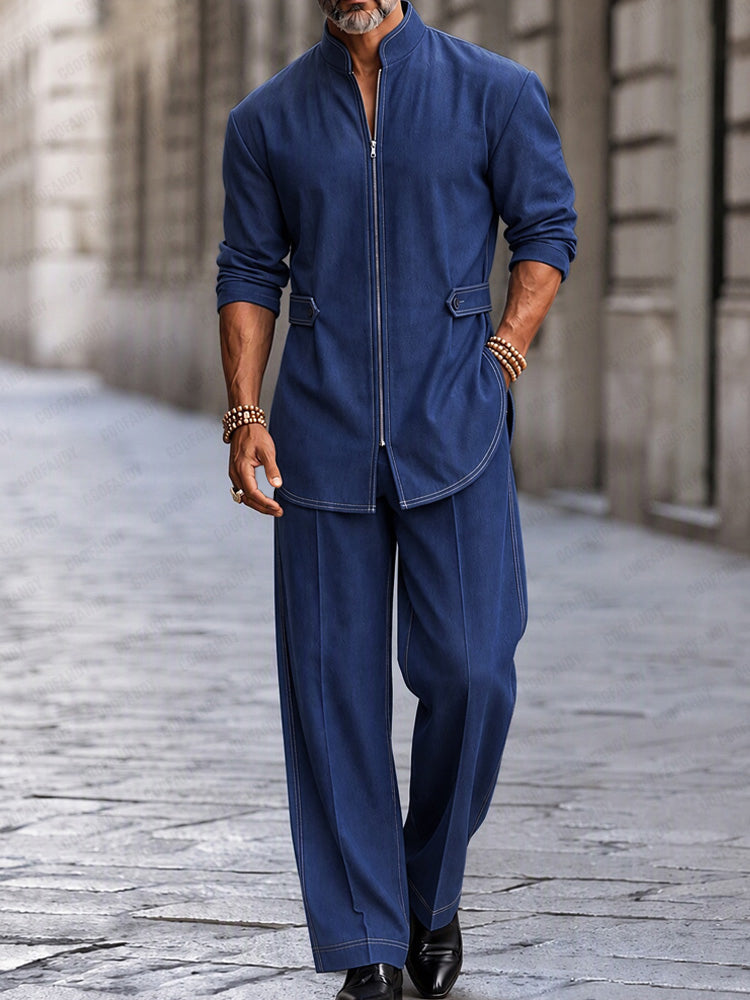
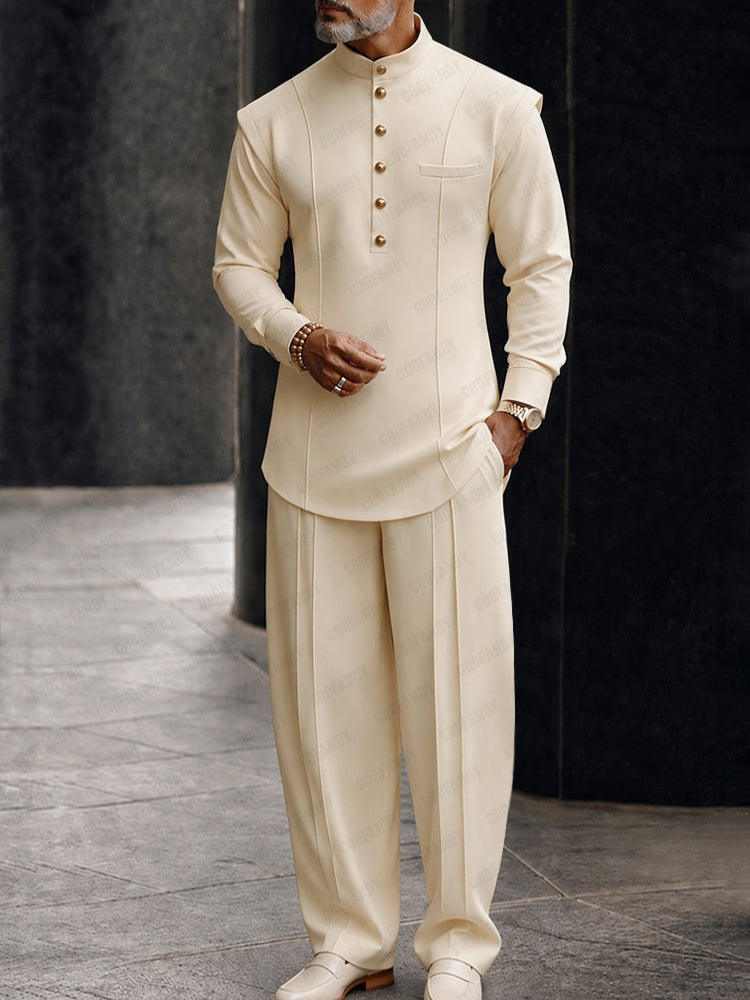
Suppose you need a jacket for recurring office outfits. On COOFANDY's Casual Suit Jackets (US Only) page, the description lists 100% polyester with a one-button closure, recommends dry cleaning and says not to bleach. Factor care into your routine and budget; check the garment label before cleaning. Compare the size information with a jacket you wear over your intended shirt, and check whether it works with pants you own. If fit is unclear, wait for clarification. If fit, care, order terms and the final total work for you, it may fill that gap. The product name and specifications alone do not establish a deal.
Now suppose a sharply marked-down shirt looks almost identical to two shirts already hanging in your closet. The size information is vague and the selected item is final sale. You can afford it, but you cannot name a distinct use or resolve the fit risk. Passing is a rational outcome; the lower sticker price has not created a better shirt or a new occasion. If one of your existing shirts is wearing out, measure that shirt and reassess a replacement on its own merits, rather than buying the discounted item by default.
When browsing a live clearance selection, use this check on the individual item you are considering. Availability, checkout totals and terms should be read on the current product and cart pages. The goal is not to win the biggest percentage-off badge. It is to leave with clothing that fits your life and a total you knowingly chose to pay.
Frequently Asked Questions
How can I tell whether a large clothing discount is actually a good deal?
Judge the final amount for the exact item, including applicable shipping and tax, against a budget you set before browsing. Then check fit evidence, return terms and a real use in your wardrobe. A crossed-out price is not proof of what you would otherwise have paid, and a large percentage does not make an unsuitable item valuable. Where possible, compare the same garment's price over time or compare suitable alternatives, including keeping what you own.
Is a final-sale clothing item worth buying if I am unsure about the size?
Treat uncertain sizing as part of the decision, not as something the discount resolves. Check the exact style's measurements and compare them with a similar garment that fits, allowing for intended layers. Confirm whether your selected variant is final sale and which return costs or exclusions apply. A familiar cut can reduce uncertainty; an unfamiliar shape or incomplete chart may justify waiting or choosing more workable terms. Final sale is not automatically a bad buy, but it calls for stronger fit evidence.
Is cost per wear a reliable way to decide whether to buy sale clothing?
Use it as a rough thought experiment, not a prediction. Divide the total paid by a realistic number of wears, then ask whether you can name the recurring occasions and existing outfits that support that estimate. Fit, care, weather and preferences can change how often you use a piece. An optimistic wear count cannot make an unnecessary duplicate or an over-budget purchase sensible. Price, acceptable fit risk and a real wardrobe role still need to pass together.
Related Reading
- Turtleneck Under a Blazer: The Complete Formula
- How Many Fall Jackets Does a Man Need?
- Men's Fall Capsule Wardrobe: 10 Pieces, 30 Outfits
About COOFANDY
Founded in 2015, COOFANDY is a menswear brand created for modern men navigating work, weekends, celebrations, and everyday life. Its collection includes shirts, suits, pants, sweaters, and tees designed to help men build versatile, confident looks for different moments and personal styles. Guided by the belief that clothing can reflect confidence and character, COOFANDY focuses on making approachable menswear part of every stage of life.

Leave a comment