










Do You Need More T-Shirts—or a More Useful Shirt Rotation?
Short answer: Maybe. But do not let a nearly empty drawer make the call for you. Try the last-day-before-laundry test. If you are down to a tee you would rather not wear out, pick up a few more. If you have plenty of clean tees but still freeze before an office day, dinner date, trip, or event, another duplicate will not help much. You need a shirt for that part of your life.
On a normal Tuesday, a T-shirt drawer can seem perfectly fine. The problem tends to show up later: friends ask you to meet them after work, you are packing for a warm weekend, or dinner has a reservation attached to it. You look at the same stack of tees and nothing lands. Maybe the drawer is not empty. Maybe every shirt in it is trying to do the same job.
Calculate Your Tee Rotation
Start with an honest count. Pull out the tees you would put on for lunch, errands, or a casual plan today. Leave behind the paint-shirt, the stretched-collar favorite, and the size you keep promising yourself you will wear again. The number in your drawer does not matter much. The number you trust does.
Then be honest about laundry. Not the day you intend to do it; the day it usually gets done. If Sunday is laundry day and you wear a tee Monday through Thursday, four solid everyday tees cover the basics. Add one or two more for the gym, a spill, or a plan that changes. The T-shirt you wear to lift in is not automatically the one you want for lunch afterward, so count it separately.
Use this as a quick check: tee days before laundry + one or two backups = enough for the week. No magic number. Just enough clean shirts that you would be happy to put on, even when the plan changes.
Try this quick audit:
- Wear-outside count: How many tees are clean, fit well, and feel right for your normal casual plans?
- Tee days: How many times will you realistically reach for one before laundry?
- Separate pile: Which shirts are for the gym, sleep, yard work, or staying home?
If your wear-outside count is lower than your tee days, you have your answer: add a few everyday tees. If the count works on paper but you still change outfits before leaving, stop buying tees for a minute. The problem is probably somewhere else.
A tee makes a low-key day easy. It does not have to cover every plan on your calendar. That small distinction saves you from buying the same shirt in a slightly different shade, then wondering why getting dressed still takes more thought than it should.

Is the Gap Really a T-Shirt Gap?
A full tee drawer handles a lot of life well: coffee runs, work-from-home afternoons, the grocery store, a relaxed weekend. Then come the other days. Think about the last time you changed twice before leaving, or picked the safest thing you owned because nothing else felt right. Pay attention to that little pause. It is usually pointing somewhere.
| Situation | When a tee may be enough | What the missing category may be |
|---|---|---|
| Casual office or client-facing day | Only when the workplace is truly casual and the rest of the outfit looks deliberate | A polo or a clean Smart Casual shirt |
| Date night or a dinner reservation | For a low-key plan where you feel appropriately dressed | A shirt with more structure, texture, or a sharper collar |
| Hot-weather trip | For a pool day, a long drive, or a relaxed daytime plan | A linen shirt or a matching set for the parts of the trip that call for more polish |
| Birthday, rooftop, graduation, or similar event | When the invite and the venue are both casual | An outfit built around a polo, button-front shirt, or coordinated set |
The table is not a dress code. It is a way to name the hesitation. The same tee can feel perfect for Friday takeout and a little flat for Friday drinks. Nothing is wrong with the tee. The plan just changed. Ask yourself: when do I want to look like I put in a little effort, without feeling dressed up for someone else's life?
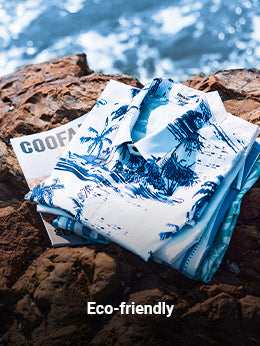
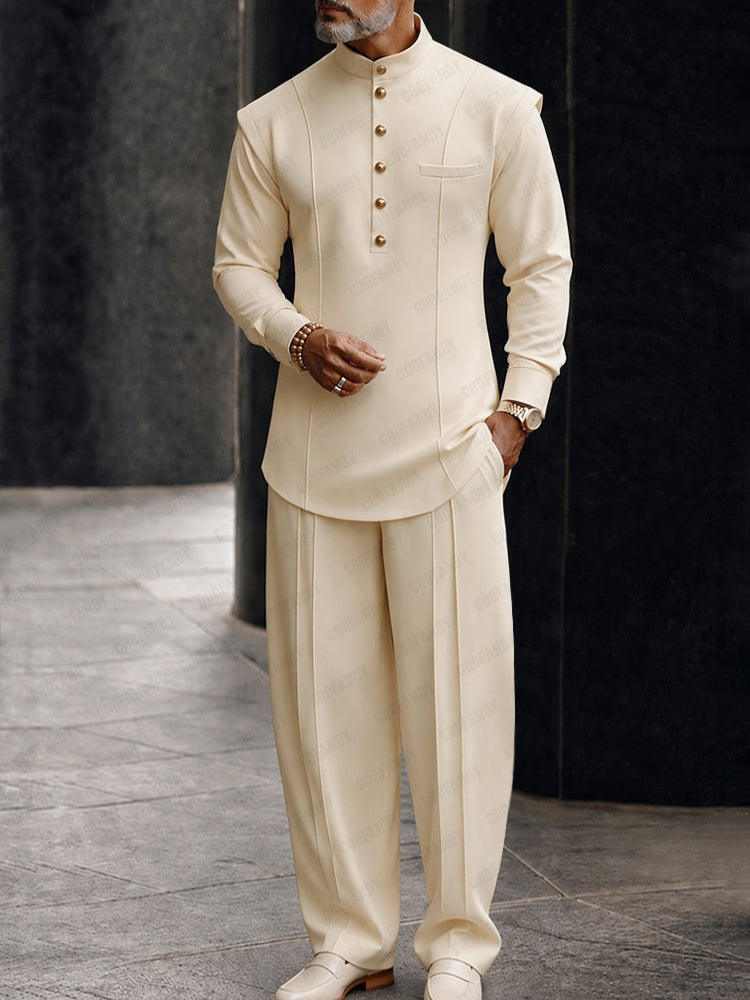
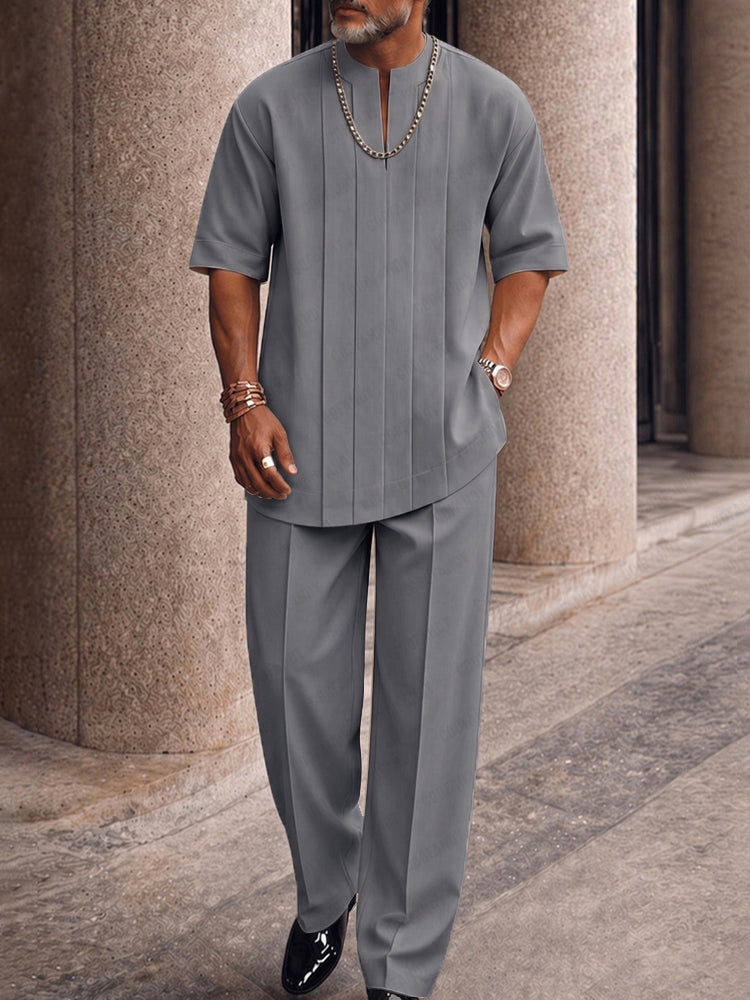
You may not need a full wardrobe reset. You may only need one better answer for the kind of plan that keeps coming up. A polo can help when a tee feels too casual but a button-front feels like too much. A linen shirt gives warm days and travel plans their own lane. A matching set makes packing or getting ready less of a debate. Start with what happens most often. That is where an addition will earn its keep.
COOFANDY's men's capsule wardrobe guide takes the same approach: start with the life you already have, not a checklist. If you work from home and live in tees, a few more may be exactly right. If your drawer is full but your month includes office days, dinners, and travel, one versatile shirt may help more.

Keep, Replace, or Upgrade
Before you decide to replace anything, take a minute with your most-worn tees. Judge them by how they show up in your life, not by guilt. You do not need a retirement date for every shirt. Some will serve you for years because they still fit, still feel good, and still earn a place in your week. Others look newer but never leave the hanger. That tells you something, too.
Keep
Do not start with a shopping cart. Start with two tees from the drawer: one you reach for and one you skip. Put them side by side. You will usually see the difference right away. Maybe the good one sits cleanly at the shoulders. Maybe you never have to tug the hem or think about the collar. Keep the shirts that make getting dressed feel uneventful. That is exactly what they are supposed to do.
Replace
Replace the tee you keep talking yourself into wearing. Maybe the collar has gone soft, the fabric looks tired in daylight, or the fit belongs to a version of you from a few years ago. No shame in keeping it for a Saturday project. Just do not count on it when a last-minute dinner pops up.
Upgrade
Upgrade only when you keep hitting the same wall. You like the tee; it just never feels right for the work meeting, date, travel dinner, or family event. That is your cue. A knit polo is an easy step up without feeling formal. A linen shirt takes over on warm days. A matching set can make a trip or social weekend feel less like a packing puzzle. Buy for the problem that keeps showing up, not the fantasy closet in your head.

Build a Week That Dresses Itself
Think in moments, not uniforms. A good mix of shirts carries you through a normal week without asking you to overthink it. Tees still matter. They just do not have to do all the work.
1. Hybrid worker with casual evenings
Most of the week may be simple: a tee at home, another for errands, maybe one after the gym. Then Wednesday puts you in the office, or a Friday-night text asks whether you are free. A polo or Smart Casual shirt gives you another lane without making the whole day feel formal. On the weekend, your tee can still cover daytime while a cotton-linen shirt waits for dinner. One extra option can take a surprising amount of second guessing off your plate.
2. Office commuter with a busy calendar
Here, tees may be what you pull on after work or save for Sunday. The weekday core is likely polos or other Smart Casual shirts that go with your usual pants and shoes. Then there is the unplanned dinner, date, or birthday. One option that is not your office default helps you leave work behind when the workday is over.
3. Warm-weather traveler or weekend planner
Trips show you what is missing fast. A tee works for the flight, the beach, sightseeing, and a slow breakfast. By dinner, you may want something else. Pack tees for the casual parts, then one or two pieces for the plans where you want to arrive feeling put together. A linen shirt or a matching set can carry that side of the trip. At home, the same idea works for patios, birthdays, and last-minute invitations.
That is what a well-rounded shirt drawer gives you. You are not trying to make one casual tee work for every plan. You already know what to grab.

FAQ
How many T-shirts should a man own?
There is no universal number. Cover your usual tee days until laundry day, then add one or two backups. Keep workout, sleep, and home-only shirts out of that count. If you are down to a tee you would not wear out before your next wash, then yes, you need more. Add enough everyday tees to make that problem go away. Then stop.
I have plenty of T-shirts, but still feel underdressed. What am I missing?
You may be missing a shirt for one part of your life, not another basic. Where do you keep second guessing a tee: an office day, date night, vacation dinner, or an event? Begin there. A polo, linen shirt, or matching set does a different job from a tee. COOFANDY's capsule wardrobe guide can help you choose based on how you spend your time, not just the nagging feeling that your closet needs more.
What if my current rotation is already enough?
Keep it. A good closet does not need a new purchase every time you organize it. If your tees are clean, you enjoy wearing them, and you already have something for work, social plans, and warm-weather occasions, you are covered. Wear what you own. When you do consider an addition, compare your measurements with the product size chart and read the fit notes for that specific item. COOFANDY's size, fit, shipping, and returns FAQ recommends this category-by-category approach. Before wearing an order out, review the current return and refund policy, including its condition requirements and set-return rules.

Deixe um comentário