















How to Store a Blazer Without Losing Its Shape

Start with the blazer's care label and the storage situation. For ordinary between-wear storage, choose a hanger that supports the shoulder line, leave enough room for the garment to hang without being pressed against other clothes, and follow the garment's own care instructions. A short pause, a seasonal pause and a trip create different pressure points, so they may need different handling. Before wearing the blazer again, inspect the shoulders, front, sleeves, pockets and closure. If the label, product page or garment condition leaves an important question unanswered, stop and ask the seller or a qualified cleaner rather than treating a general storage tip as a guarantee.
Start With the Care Label and the Storage Situation
Read the care label before choosing a storage method. It is the most direct instruction attached to the garment you actually own, and it can change what you do next. Then name the situation in one sentence: “I am putting it away until tomorrow,” “I will not wear it until next season,” or “I need to take it on a trip.” A method that makes sense for a blazer worn again this week may not be the right method for a long pause or a crowded suitcase.
Use this first decision route:
| Storage situation | First question | Practical route |
|---|---|---|
| Between wears | Will I need it again soon? | Follow the label, give it a supported place to hang and check for visible moisture, marks or damage before closing the closet. |
| Short-term pause | Is it clean and ready to be put away? | Resolve any care question first, then protect it from pressure and avoid leaving it in a place where other garments will crush it. |
| Seasonal storage | Will it stay untouched for an extended period? | Recheck the label, the storage space and the garment's condition before choosing a longer-term setup. |
| Travel | What pressure, folding or handling will it face? | Use a travel method that fits the garment and itinerary, then inspect it after unpacking rather than wearing it immediately. |
The table is a routing tool, not a promise that one storage setup works for every blazer. Construction, material, lining, label instructions and the actual space available all matter. If you cannot identify the garment's care direction, keep the decision open until you can read the label or obtain qualified advice.
Choose the Hanger and the Space
For ordinary wardrobe storage, begin by checking whether the hanger supports the blazer's shoulder area instead of forcing the garment onto a narrow point. Place the blazer on the hanger and look at the shoulder line from the front and side. If the hanger ends far inside the shoulders, pushes them outward, or creates a visible point, choose a different one. The goal is a stable, natural resting position for this garment, not a universal hanger specification.
Give the blazer enough space to hang without being compressed by neighboring pieces. A crowded rail makes it harder to see the front, pockets and sleeves, and it can make the garment difficult to remove without dragging it across other clothes. Leave enough access to take it out by the hanger and return it without pulling on a lapel, pocket or closure.
Before storing it, check three simple points:
- The hanger sits securely and supports the shoulder area.
- The blazer is not pressed tightly between heavier garments.
- The storage space is dry and clear enough for you to inspect the garment later.
If one of these checks fails, change the space before trying to solve the problem with extra folding, force or a tightly closed container. If the garment is damp, marked, strongly odorous or damaged, deal with that condition according to the label or qualified advice before treating it as ordinary wardrobe storage.

Everyday Between-Wear Storage
After taking off a blazer, give yourself a short inspection before returning it to the closet. Look at the front, lapels, sleeves, pockets and closure. Check whether anything was left in a pocket, whether the garment picked up a mark during the day and whether the fabric or lining feels damp. This inspection is more useful than automatically applying the same routine after every wear.
If the blazer is ready to return to the wardrobe, place it on the chosen hanger and close the closet without wedging it into a dense row. Keep the front and shoulder line visible enough that you can notice a problem when you take it out next time. When the garment needs a care action, follow the label instead of guessing from a similar-looking jacket.
The right everyday question is not “What is the best blazer storage method?” It is “What does this blazer need before the next wear?” For one garment, the answer may be a supported hanger and a clear space. For another, it may be reading the label, addressing a mark or asking whether a professional cleaner is appropriate. Storage begins after those conditions are understood.
Avoid turning a quick visual check into an unsupported performance claim. You can inspect how the garment is resting; you cannot use that inspection to promise that it will keep its shape indefinitely. If the shoulders look different, the front has developed a persistent crease or the closure no longer sits as expected, pause and identify the cause before wearing it again.
Short-Term, Seasonal and Travel Storage
Short-term storage usually means the blazer will return to use soon, but it still deserves a clear route. Confirm its condition, read the care direction and choose a place where it will not be crushed by the next items you add. If you cover it, make sure the cover and the available space suit the garment and do not create a new pressure or moisture concern. When you are unsure, ask the seller or a qualified cleaner about that exact situation.
Seasonal storage needs a longer pause before you put the blazer away. Check the garment while the details are easy to see: front, shoulders, sleeves, pockets, closure and lining if it is visible without forcing the garment. Note anything that needs attention, then follow the label before deciding that the item is ready for a longer period. Choose a storage place you can access and inspect later. A forgotten garment can become harder to evaluate simply because the original condition was not recorded.
Travel storage is a pressure and retrieval problem. Before packing, read the label and decide what the itinerary actually requires. Reduce unnecessary handling, avoid placing objects where they will press against the blazer, and make a plan for taking it out and inspecting it after arrival. If the trip includes a formal event, leave enough time to address visible creases or other concerns rather than assuming the blazer can go straight from a bag to the event.
These situations should stay separate in your mind:
- Between wears: return the blazer to a supported, accessible place after checking its condition.
- Short-term: resolve immediate care questions before a brief pause.
- Seasonal: prepare the garment for a longer period and plan a later inspection.
- Travel: account for pressure, handling and the time available after unpacking.
None of these routes proves a universal result. They help you choose the next check that matches the situation in front of you.

Read the Exact Product Page Before You Store It
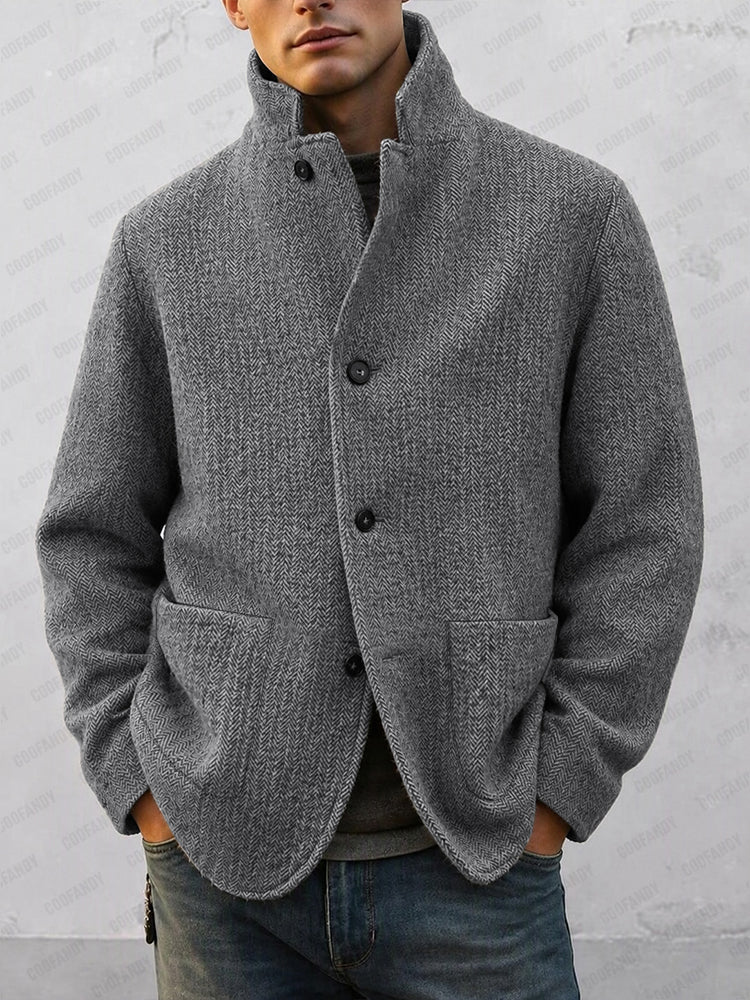
The exact product page can help you identify the garment and find its listed care information, but it cannot replace the label on the garment in your hands. For example, the current page for COOFANDY's Tailored Fully-Lined Peak-Lapel Wool Blend Blazer identifies an extended peak lapel, structured waist, crisp shoulder line, single welt chest pocket, two flapped pockets and fully lined construction. It also lists the product's composition and professional dry-clean-only care instruction.
Those fields give you a useful reference before storage: you can confirm which blazer you are handling and return to the listed care direction when a question comes up. They do not establish that the blazer will fit every wearer, feel a certain way, stay warm, remain durable, or keep its shape under every storage method. They also do not turn a page description into a substitute for checking the actual garment.
Read the page in the same order each time:
- Confirm the product identity and the visible construction details.
- Find the listed composition and care instruction.
- Compare those instructions with the condition of the blazer you own.
- Follow the label on the garment if the page and the garment raise different questions.
For a second opinion on the shoulder area after storage, you can read How Should a Casual Blazer Fit Through the Shoulders. For a trip-specific packing route, see How to Pack a Suit or Blazer for a Wedding Trip. Use those pages to support a decision about the situation; keep the exact product page and care label in view for product-specific details.
Inspect the Blazer Before You Wear It Again
Take the blazer out by its hanger or the part of the garment that the care instructions make appropriate, then inspect it in good light. Start with the front. Look for new creases, marks, loose threads or a change you did not notice before storage. Move to the shoulders and lapels. Check whether they sit as you expect and whether the hanger or surrounding clothes left a visible pressure point.
Next check the sleeves, pockets and closure. Make sure the sleeves are not twisted, the pockets are not carrying forgotten items, and the buttons, fasteners or other closure details do not show a new problem. Look at the lining where it is visible without pulling the garment out of its construction. If there is a smell, moisture, stain, damage or care uncertainty, pause before wearing it and follow the label or seek qualified advice.
Do not treat a quick inspection as a fit test or a guarantee. If the blazer looks different from before storage, identify whether the issue is a temporary crease, a care problem, a damaged component or a fit concern. The right next step depends on the condition and the garment's instructions. If you cannot tell, ask the seller or a qualified cleaner rather than pressing, washing or altering it on a guess.

When Storage Is the Wrong Problem
Sometimes a blazer is stored correctly enough for the situation, but the problem you notice is elsewhere. A persistent shoulder issue may call for a fit check. A mark, odor or moisture concern may call for label-specific care or professional assessment. A broken closure or loose construction detail may be damage that storage advice cannot resolve. A garment that feels wrong on the body may need a sizing or alteration conversation rather than a different hanger.
Use this stop rule:
- Stop if you cannot read or interpret the care direction.
- Stop if the blazer is damp, marked, odorous or visibly damaged.
- Stop if the page and label leave a product-specific question unresolved.
- Stop if a storage change appears to have created a new pressure point.
- Stop if the issue is fit or alteration rather than storage.
The pause is part of responsible care. Storage advice can help you choose a place and a next inspection, but it cannot diagnose every garment problem or promise a particular outcome.
Blazer Storage Checklist
Before putting the blazer away:
- Identify whether this is between-wear, short-term, seasonal or travel storage.
- Read the exact care label and note any instruction that changes the method.
- Inspect the front, shoulders, sleeves, pockets and closure.
- Choose a hanger and space that support the garment without crowding it.
- Resolve moisture, marks, odor, damage or care uncertainty before closing the closet.
- If you are using a product page, confirm its identity and listed care information without treating it as a guarantee.
- Plan when and how you will inspect the blazer before its next wear.
For a broader place to explore current menswear directions, visit the COOFANDY Signature page and the COOFANDY Signature collection. The collection can help you compare garments; the exact product page, the garment's own label and the storage situation still determine the next sensible step.
FAQ
Should I hang a blazer or fold it for storage?
For ordinary wardrobe storage, start with a hanger that supports the shoulder area and a space where the blazer will not be crushed. Folding may be relevant for a short pause or travel, but the right choice depends on the garment's label, construction, available space and the pressure it will face. Inspect the blazer after storage and follow qualified advice when the label or condition is unclear.
Can the product page tell me how to store a blazer?
It can help identify the exact product and show listed composition or care information. It cannot replace the care label on the garment or prove that one storage method guarantees shape retention. Use the page as a reference, then match the instruction to the garment and the situation.
What should I check before wearing a blazer after storage?
Check the front, shoulders and lapels first, then the sleeves, pockets, closure and any visible lining. Look for new creases, marks, moisture, odor, loose threads or damage. If a problem is persistent or you cannot identify the correct care step, pause and ask the seller or a qualified cleaner before wearing or treating the blazer.



Deixe um comentário