










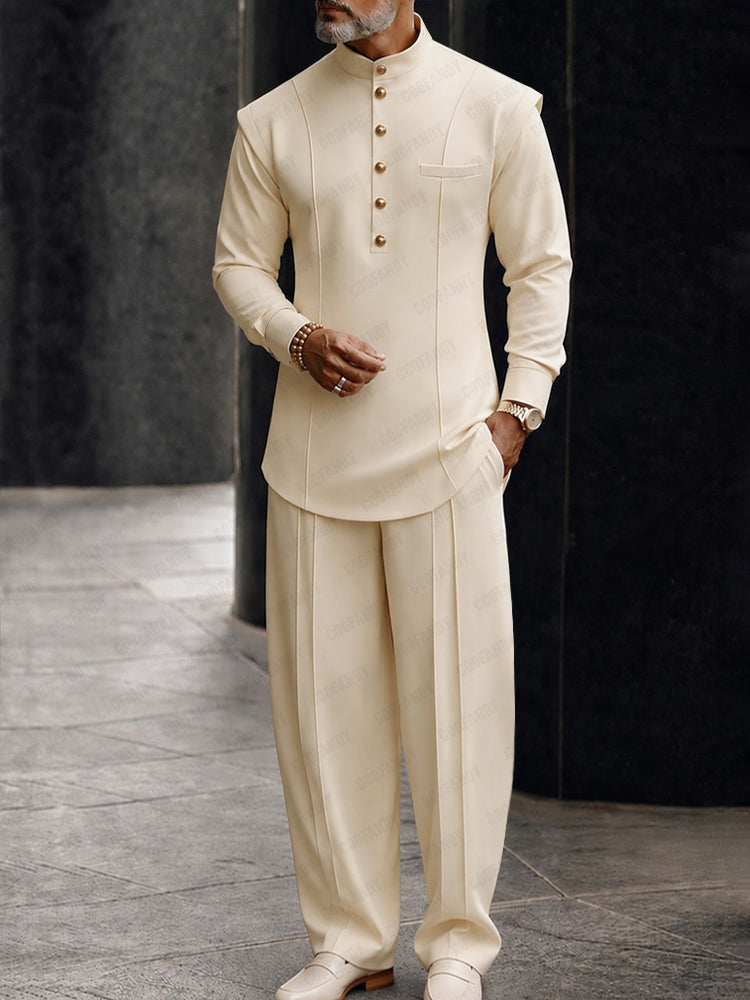
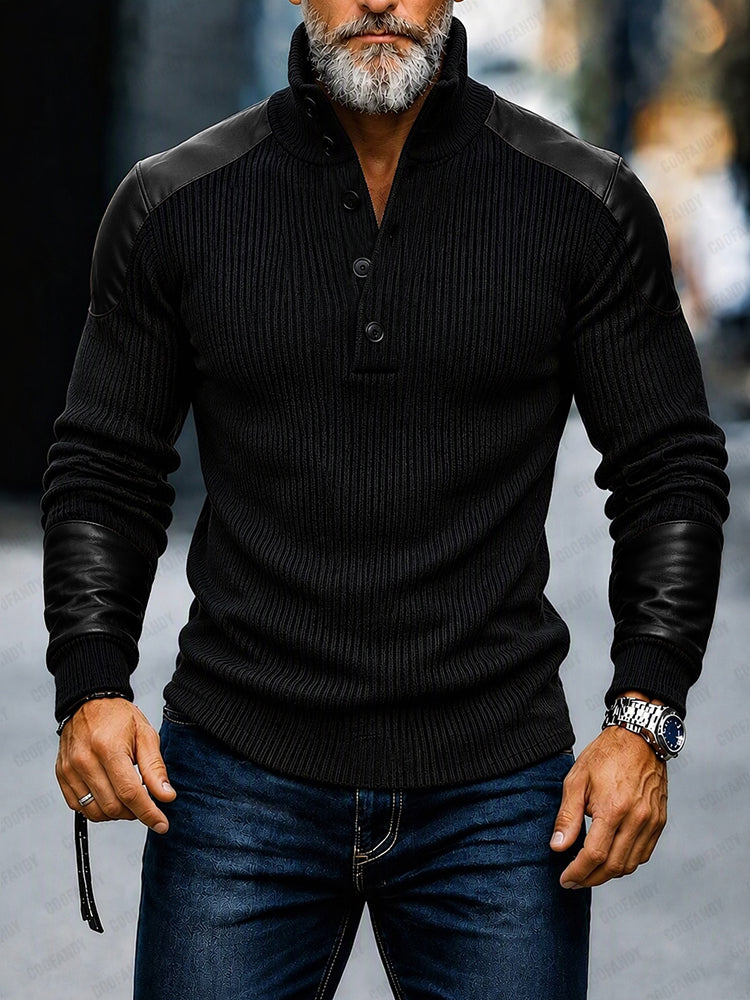
Is a $120 Men's Shirt Worth It?

A $120 men's shirt can be worth buying when it gives you a specific fit, design or wardrobe use you value enough to pay for—and you can name realistic occasions to wear it. The price alone cannot tell you that it will last longer, feel better or solve a fit problem. Start with the shirt you already reach for, identify what you want to change, and decide whether the new shirt earns the additional spend.
Here, $120 is a shopping-budget example, not a quoted price for a COOFANDY product. If you are exploring COOFANDY Signature, use the same test: choose the detail you want to wear, then check whether the complete purchase makes sense for your life.
Name the Upgrade You Would Actually Use
Finish this sentence before opening another product tab: “I want this shirt because my current one does not…” A useful answer might be “give me the clean front I want beneath an open jacket” or “work untucked with the trousers I wear to dinner.” Those answers describe an outcome you can check. “Look more premium” leaves you with no clear way to decide whether the shirt delivers.
Separate a practical gap from a design preference. If your current shirt pulls across the chest, measurements and a try-on need to resolve that problem. A different price cannot do it. If you simply want a pleated front or a different collar, that preference is a legitimate reason to shop. You do not need to invent a functional problem to enjoy a design.
Next, give the new shirt a place in your week. Name an actual dinner, workday or trip and the trousers and shoes you would wear with it. A shirt for a rare occasion can still be worthwhile, but judge it as an occasional purchase. Do not justify it with daily use you are unlikely to give it.
The strongest reason is specific enough to test and personal enough to matter. If you cannot name that reason yet, keep looking without committing the budget.
Compare the Extra Spend With Your Current Shirt
The relevant comparison is between your real options, including keeping what you own. Imagine that the $120 shirt would replace a shirt you already wear successfully. What changes in the outfit? If the answer is only the label inside the collar, decide whether that matters to you enough to justify another purchase.
For a different example, suppose you are choosing between a hypothetical $80 shirt and a hypothetical $120 shirt. The decision concerns an additional $40. Write down what that $40 buys you in the garments you are actually considering: a different front design, a collar you prefer, or measurements that better match your reference shirt. If you cannot identify the difference, a higher price is doing the reasoning for you.
Keep three types of information separate:
| What you know | How to use it |
|---|---|
| A listed design or composition | Decide whether it matches the feature you want. |
| Comparable measurements | Screen whether the shirt deserves a try-on. |
| A result you have not observed | Leave it out of the justification until you can check it. |
For instance, a fabric close-up may help you choose a texture. It cannot establish that the shirt will remain unchanged after a year of use. You can pay for a design you like without assigning it an unproven lifespan.
There is also a third option between the two new shirts: buy neither. If your existing shirt already performs the intended wardrobe job, the new one needs a reason beyond the fact that you have found it.

Calculate Wear Without Predicting a Lifespan
Cost per wear is useful arithmetic when you keep the assumptions visible. Divide the purchase price by the number of wears in the scenario you are considering. For a hypothetical $120 shirt, the results are:
| Assumed wears | Purchase price divided by wears |
|---|---|
| 10 | $12 per wear |
| 20 | $6 per wear |
| 40 | $3 per wear |
These numbers do not predict how long a shirt will last. They show how much your decision depends on actually wearing it. Forty wears is not automatically the right target, and a ten-wear occasion shirt is not automatically a mistake.
Build the first estimate from your calendar. Two suitable outings a month over five months would create ten opportunities. That is still a plan, not ten completed wears: you may choose another shirt, the event may change, or the garment may not suit the occasion after you try it on. Start with the uses you can name before adding hypothetical future seasons.
Then run a lower-use scenario. Would you still be comfortable with the purchase if you wore it half as often? If halving the expected wear turns the decision into a clear no, repetition is central to its value. Choose a design you can already combine with your wardrobe rather than relying on a future change in your habits.
Keep the calculation modest. It is a check on your assumptions, not proof that a higher-priced shirt saves money.
Count the Clothes and Care the Shirt Needs
A shirt may fit your clothing budget and still require a larger purchase than you intended. Lay it out with pieces you own before counting it as ready to wear. If the color requires different trousers and the hem needs a jacket to make the proportion work, those additions belong in your decision.
Use actual costs when you have them. If you are considering an alteration, get an assessment and quote for that garment before treating the change as available or worthwhile. Do not build the purchase around an assumed easy fix, especially when you have not settled the shoulder or chest fit.
Read the garment's care instructions against your routine. The useful question is whether you will follow those instructions, not whether a fiber name sounds easy to maintain. If the required care involves a service you would use, include its real cost in a separate ownership estimate. Avoid assigning an invented cleaning price to every wear.
Finally, leave room for the purchase to fail the try-on. Check the current return conditions, then assess the shirt with its intended trousers and any jacket before wearing or washing it. A return option can help manage a decision; it cannot guarantee that the shirt will fit or make an unresolved measurement irrelevant.
Apply the Test to a Signature Shirt
The Minimalist Front Pleats Linen Blend Shirt gives the exercise a concrete design focus: short sleeves, a fold-down collar, front pleat detailing and a fitted shape. Those details let you ask a more useful question than whether a shirt simply looks expensive.
If you want the pleated front to be visible at dinner, test it as the main detail with plain trousers. Then check how much of the front remains visible beneath the jacket you would actually wear. If the jacket hides the feature you most want, decide whether the shirt still offers the change you are buying it for.
The short sleeves create another clear choice. They may suit the uncovered-shirt outfit you have in mind; they will not provide the visible long shirt cuff you might want beneath a blazer. Neither result makes one sleeve length universally better. It determines whether this design answers your particular plan.
Compare the current size information with a shirt that fits you, using equivalent measurements and units. A fitted description should prompt that check rather than replace it. Once you can try the garment, look at the front pleats while standing and sitting, with the shirt worn as intended. Decide whether the detail and the shape work together on you.
Browse the COOFANDY Signature collection for the current assortment and individual product information. This example illustrates how to evaluate a design; it does not assign the shirt a $120 price or promise a particular number of wears.

Choose Buy, Wait or Keep What You Own
Buy when the shirt offers a change you want, the measurements support trying it, the care suits your routine and the total spend remains comfortable even under a conservative wear estimate. A clear design preference can be enough; it does not need a fictional durability argument.
Wait when one answer could change the result: an important measurement, the actual alteration cost, or whether the front works beneath your jacket. Resolve that question before using a cost-per-wear table to persuade yourself.
Keep what you own when the existing shirt already does the job and the new one has no meaningful role. The useful outcome of this exercise is a deliberate purchase decision, including a decision to leave the budget unspent.

FAQ
Does a $120 shirt automatically last longer?
No. Price alone does not establish a shirt's lifespan. Assess the particular garment and its care instructions, and avoid justifying the purchase with an unverified durability promise. You can choose a shirt for a design or fit you value without assuming it will outlast another shirt.
How many times should I expect to wear a $120 shirt?
There is no universal required number. Start with occasions you can realistically name, calculate the cost for that scenario, then try a lower-use estimate. For illustration, $120 divided by 20 wears is $6 per wear; that calculation is not a prediction that the garment will deliver 20 wears.



Deixe um comentário