










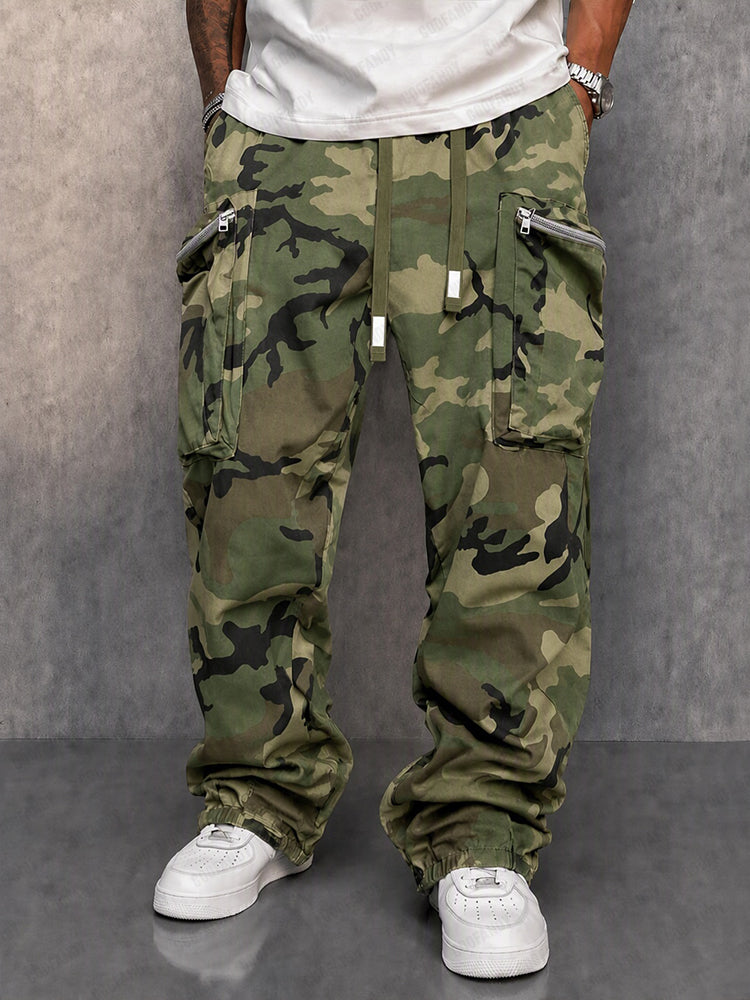
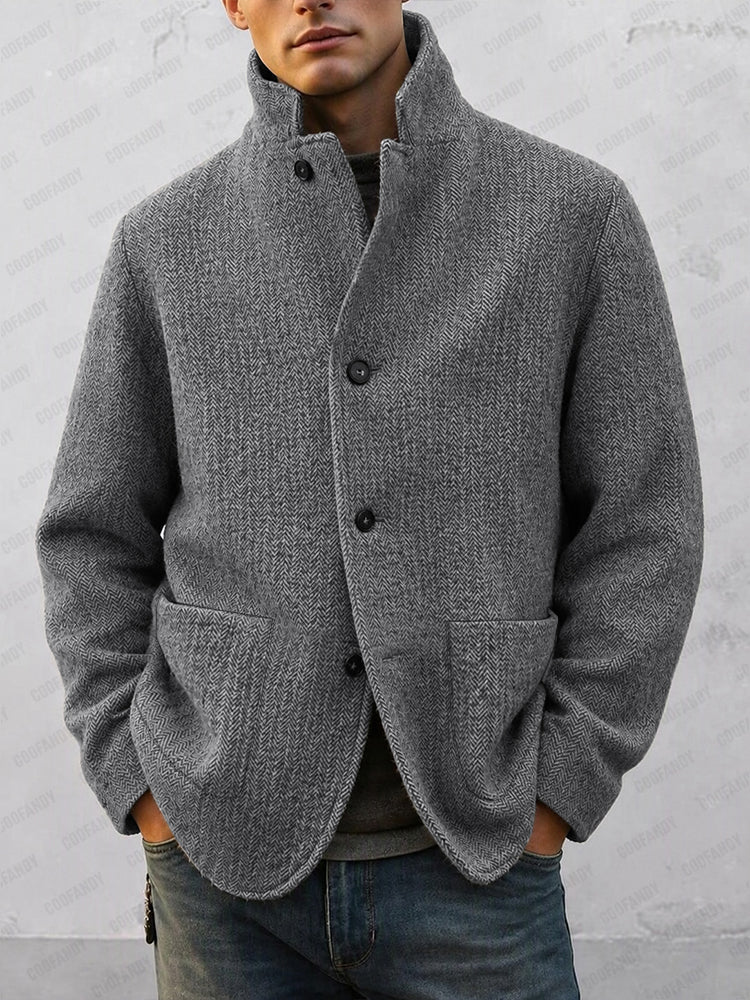
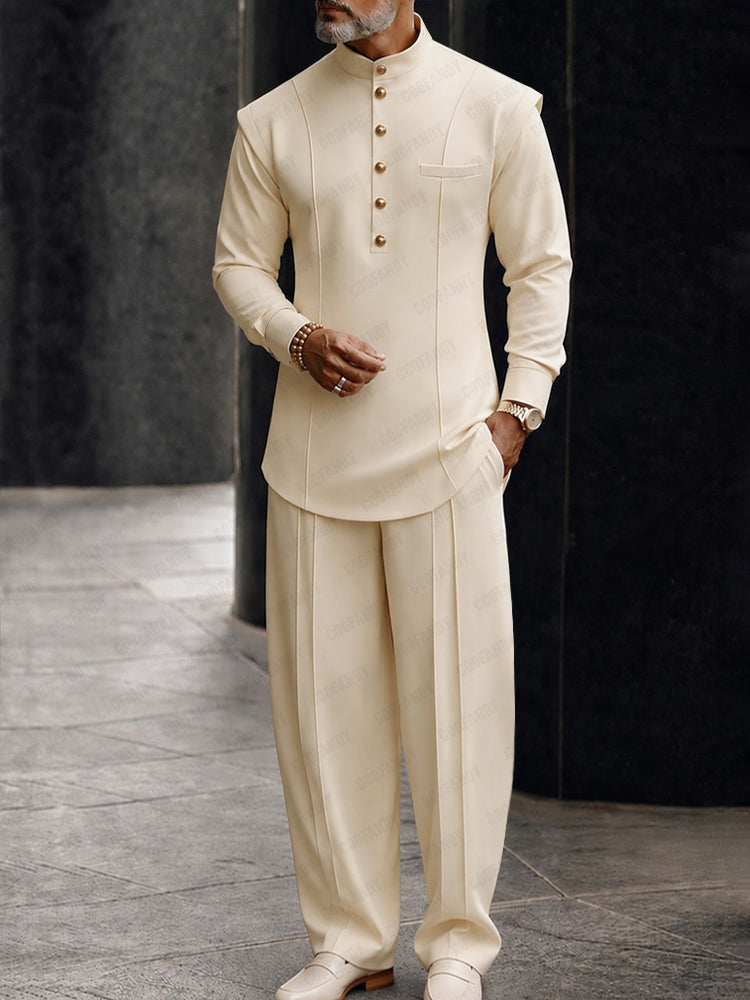
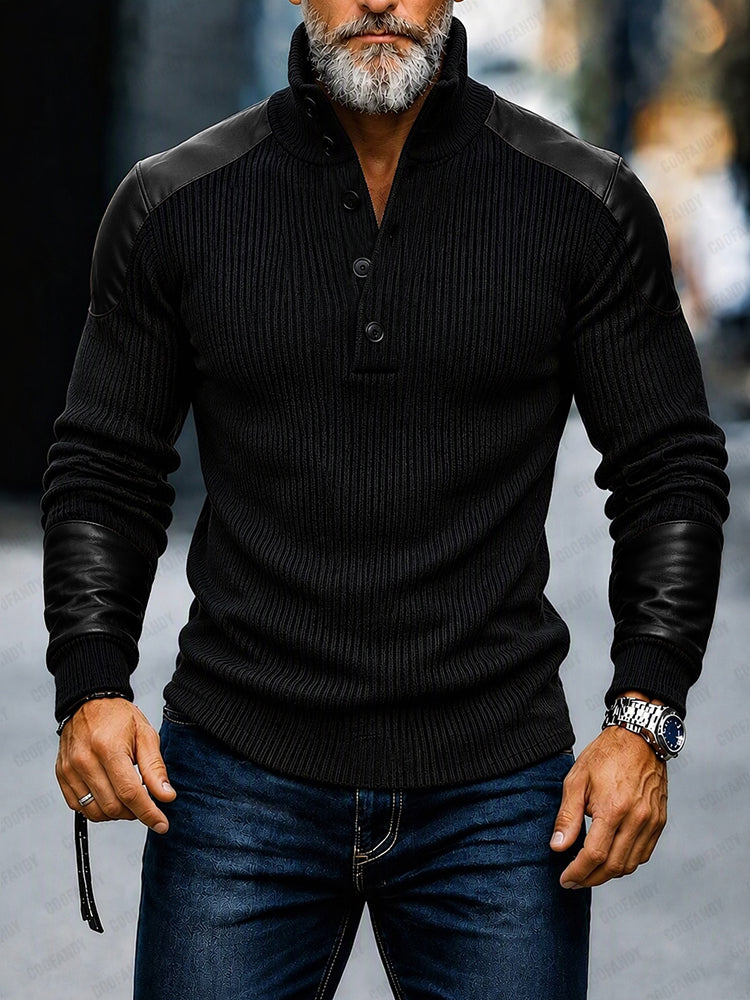
Men’s Halloween Date Night Outfits

For a Halloween date, start with an outfit that works for your actual plans, then agree on the festive detail with your partner. A dark top, trousers and familiar shoes can suit a quiet dinner; a rust shirt and dark denim can suit a casual outing; a character-inspired outfit needs a shared concept and permission at the places you will visit. Matching is optional. Agreeing on how much you want to dress up is more useful than buying identical clothes.
We would plan the evening in two parts: what you will wear together, and what changes if dinner leads to a Halloween gathering. That keeps a small seasonal accent from becoming an unwanted full costume, while giving a costume-loving partner room to participate. You can share the occasion without making either person wear something they dislike.
Agree on the Kind of Halloween Date
Ask a concrete question before sending outfit pictures: “Are we doing a normal date with a Halloween detail, or do we both want costumes?” Then name the plans. Dinner followed by a friend's costume party is a different problem from a neighborhood walk and a casual meal. Decide which part of the evening needs the most preparation.
If neither of you wants a costume, choose one seasonal detail each and build the rest from clothes you already like. You might wear a rust shirt while your partner chooses a dark outfit with a rust accessory. Those pieces need not match exactly. If only one person wants to dress up, ask whether that person is happy wearing a standalone costume rather than half of a paired concept.
The answer also needs to fit the invitation. If a host requires costumes, settle an accepted concept or exception before arriving; a burgundy shirt is not automatically a costume. If the restaurant has clothing or accessory requirements, build around those too. Keep the questions specific to your proposed outfit rather than trying to define every possible dress code.
For example, suppose your partner wants a vampire-inspired look, you prefer ordinary clothes, and dinner allows a plain knit with trousers. If the later gathering welcomes both costumes and festive clothes, you can wear the knit with a burgundy accent while your partner wears their chosen costume. If the gathering instead requires both guests to be in costume, that plan still needs another decision. Neither partner preference nor a color connection replaces the host's requirement.
Three Outfits You Can Plan Together
These proposals give you a clothing base and a partner coordination idea. Use the one that fits the evening you have agreed on, then change individual garments to meet the actual venue's instructions.
Quiet dinner: dark separates with a burgundy detail
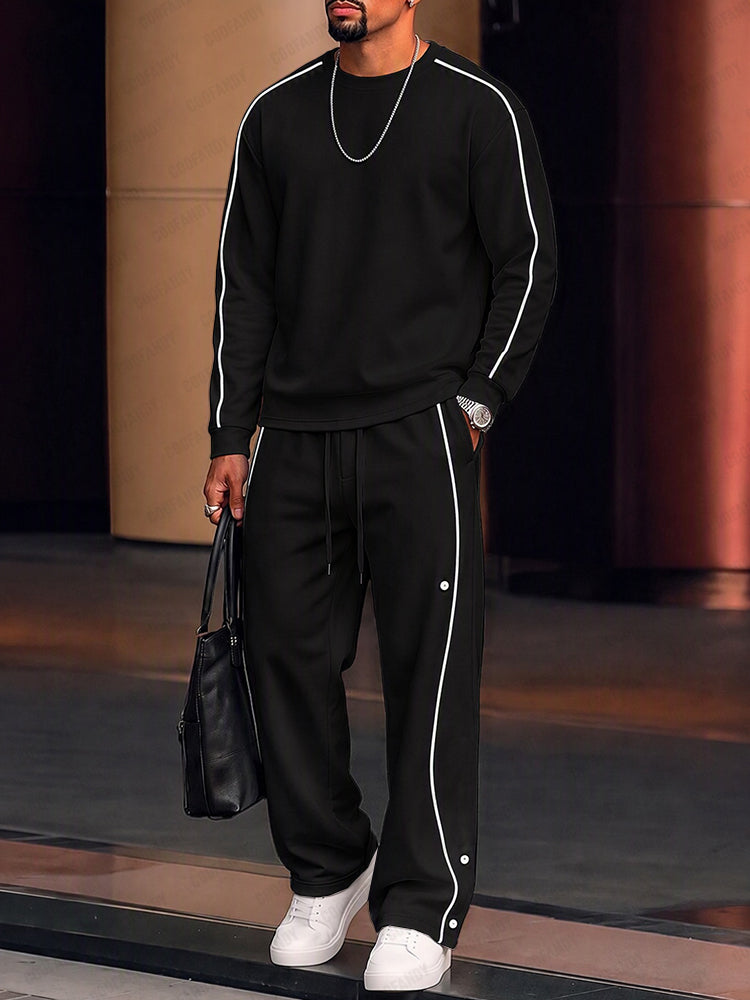
Try a plain dark mock-neck top, charcoal trousers, dark dress shoes and a blazer with enough room for the top. Add a burgundy pocket square if you want a seasonal accent. Bring a separate coat or jacket for the journey when the conditions call for it; the blazer is part of the dinner outfit, not an automatic answer to the weather.
Your partner could choose charcoal, black or another neutral outfit and carry burgundy in one garment or accessory. Agree on the overall level of dress rather than the same neckline or matching pocket squares. If your partner would rather wear a light outfit, retain the burgundy connection and let the contrast be intentional.
Try the men's combination seated before committing. If the mock neck feels crowded under the blazer, use a plain collared shirt instead. If the venue requires a collar, start with the shirt rather than negotiating around the knit. Keep the trousers, shoes and small accent when they still work. One changed top can solve the problem without buying an entirely new outfit.
This is a festive dinner proposal, not a named character. If costumes are optional, you can stop here. If you want to add a character for a later party, agree on that change separately instead of assuming dark clothes alone make the outfit recognizable.
Casual outing: rust shirt and dark denim
For a date that permits casual clothes, start with a rust collared shirt, straight dark jeans, clean familiar sneakers and a plain overshirt or jacket. Dark socks keep the footwear choice simple. Wear the shirt tucked or untucked according to the actual fit; choose the version that stays where you want it while sitting and walking.
Your partner can repeat rust in a small detail, choose a related burgundy accent, or stay neutral while your shirt carries the seasonal color. You do not both need bright tops. If you want a coordinated photograph, lay the two proposed outfits beside each other first and decide whether their contrast looks the way you intended.
If the outing includes a restaurant that does not permit jeans or sneakers, replace those pieces with accepted trousers and shoes before leaving. Keep the rust shirt only if it also meets the restaurant's expectations. For the general venue-and-weather combinations, our fall date night outfit guide is a useful next step; here, the shared Halloween choice remains the priority.
If you plan to walk before eating, try the actual route footwear with the outfit. Do not introduce unfamiliar shoes solely to match your partner's look. Change the color connection if necessary rather than making identical footwear a condition of the date. Add outerwear for the forecast and the return journey, even when it hides the rust shirt outside.
Costume date: two independently usable agent outfits
If you both want an agent-inspired costume and the host accepts that concept, try a dark suit, white shirt, black tie and dark dress shoes. A permitted pair of sunglasses can supply the character detail at the party. Leave toy weapons and bulky props out of this proposal. Your partner can choose their own suit or dressier separates suited to the venue, with an agreed identifying detail rather than an identical cut or size.
Make sure each person's outfit works alone. If one of you arrives later or removes the accessory, the ordinary clothes should still be a complete outfit. Decide where the sunglasses will be worn and stored; do not rely on wearing them in a setting where they interfere with seeing or are not permitted.
If sunglasses are barred, do not call two undecorated suits a solved costume requirement. Offer a different concept to the host, or choose a permitted identifying detail before the date. If only your partner wants the agent look, choose a standalone concept they like and let your ordinary outfit coordinate through dark colors where non-costume participation is welcome.
The useful part of a paired proposal is shared planning, not a promise that strangers will recognize it. Ask whether the concept satisfies the invitation, and make sure neither outfit depends on a prop that must be left at the door.

Coordinate One Element, Not the Whole Outfit
Choose which connection matters to you: a color, a level of dress or a character idea. Starting with one gives you room to make different garment choices. The dinner example uses burgundy against dark neutrals; the casual example lets one rust shirt carry most of the color; the agent proposal connects the concept while leaving each person free to choose their own clothing.
If both outfits already have a strong pattern, simplify one of them before adding another matching element. For example, pair a patterned shirt with plain dark trousers while your partner keeps the shared color in one accessory. If both of you prefer statement clothes, try the two outfits together and decide whether that is the result you want. Coordination is a choice between the two of you, not a universal rule against color or pattern.
Different levels of Halloween participation can also look deliberate. One partner might wear a full costume while the other wears a plain outfit in a connected color. Agree on that difference in advance, and check whether the event accepts it. Do not surprise your partner with an elaborate paired concept that requires them to change clothes at the last minute.
For color choices beyond these examples, use our fall color guide. Keep the date conversation practical: which clothes do you each already own, what do you each want to wear, and is the proposed connection worth buying anything new?

Make the Dinner-to-Party Change Specific
Imagine dinner accepts a dark suit, white shirt, tie and dress shoes, while the later party welcomes your agreed agent concept with sunglasses. Wear the complete suit-and-shirt outfit at dinner. Keep the sunglasses in a case in your bag; add them only at the party where they are permitted. Your partner follows their own complete dinner outfit and adds their agreed detail at the same point. The change is small, but its timing and storage are settled.
Now consider the ordinary-clothes route. You wear a rust shirt, dark trousers, accepted shoes and a plain jacket to dinner. Your partner wears neutral separates with a rust accessory. At a gathering that welcomes festive everyday clothes, you can remove the travel jacket and keep those complete outfits. Nothing needs to change merely because the second venue has Halloween decorations.
If either plan requires a different top, name the changing place before leaving. A full costume shirt packed in a bag is useful only if there is a suitable place to change and somewhere to carry the removed shirt afterward. If that is not practical, choose an accessory-based concept the host accepts or arrange a separate stop to change. Do not depend on an improvised change at the restaurant table.
Plan for the accessory to come off as well. If your partner removes the only identifying piece, ask whether they are happy returning to ordinary festive clothes and whether the host permits that. When costume participation remains required, settle another acceptable detail or concept. The transition should leave each person with usable clothing and a clear plan, not an unexplained obligation to carry the other's prop all evening.
Check the Neckline and the Seated Outfit
A neckline is one part of the outfit, not a guarantee about how the whole combination will feel. Our Modern Stretch Crossover Mock Neck Top is an optional example when a pullover top is permitted. Its description lists long sleeves, a crossover mockneck and 92% polyester with 8% spandex. Choose from the current product options and check the corresponding size chart rather than assuming the exact color in an outfit proposal is available.
The crossover mockneck is not the same design as a folded turtleneck. Choose the neckline you actually want, and try it with your jacket. If it presses where you dislike it or the shoulder and sleeves become crowded, switch the top or jacket; the composition and product name do not guarantee personal comfort or blazer compatibility. Our mock neck versus turtleneck guide helps separate the neckline choice from the fit trial.
Sit at a table, reach forward and stand again in the complete outfit. If the shirt pulls out each time, compare the tucked and untucked versions where both are permitted. If trousers remain restrictive after an ordinary adjustment, try a different size or cut rather than hiding the problem with the jacket. Check that your phone, keys and planned accessory fit where you intend to carry them without making you rearrange the outfit repeatedly.
Then try the travel layer. Select it for the actual forecast, time outside and return trip; a Halloween color or mock neckline does not establish weather protection. If the coat covers the shared detail, that is fine for the journey. Decide which pieces stay on indoors, and let your partner make the same check for their own outfit rather than assuming your layering choice works for both of you.

Leave With a Plan You Both Want to Wear
Settle the participation level, choose two complete outfits, and name any change between venues. Start with the clothes you own. If one garment is genuinely missing, browse our Men's Party Outfits collection after deciding its job: a top for dinner, trousers that work with the chosen shoes, or an outer layer for the trip.
You can coordinate through one small detail, wear different levels of costume where allowed, or choose a paired concept you both enjoy. The result should be two outfits you are happy to wear through the evening, not a matching exercise that leaves one person wishing they had dressed for a different date.
Frequently Asked Questions
Do couples need matching Halloween date outfits?
No. You can coordinate one color, a level of dress or a character idea while choosing different garments. Agree on the connection together, and check the host's instructions if it is a costume event. Identical outfits are an option, not a requirement of a Halloween date.
What if my date wants a costume and I do not?
Ask whether they would enjoy a standalone costume while you wear ordinary festive clothes. That can work where mixed participation is welcome. If the event requires costumes for both guests, agree on an accepted concept or exception before attending; a shared color does not replace that requirement.
Can I wear the same outfit to dinner and a Halloween party?
Yes, when the complete clothing base meets both venues' requirements. Add or remove a permitted character detail at the planned point, and decide where it will be stored. If the party requires a full costume that the dinner outfit cannot support, arrange a suitable changing stop or choose a different accepted concept.
- Men's Fall Date Night Outfits by Venue and Weather
- Fall Colors for Men: Oatmeal, Brown, Burgundy & Olive
- Mock-Neck vs Turtleneck: Which Layer Works Better?
About COOFANDY
Founded in 2015, COOFANDY is a menswear brand created for modern men navigating work, weekends, celebrations, and everyday life. Its collection includes shirts, suits, pants, sweaters, and tees designed to help men build versatile, confident looks for different moments and personal styles. Guided by the belief that clothing can reflect confidence and character, COOFANDY focuses on making approachable menswear part of every stage of life.

Deixe um comentário