








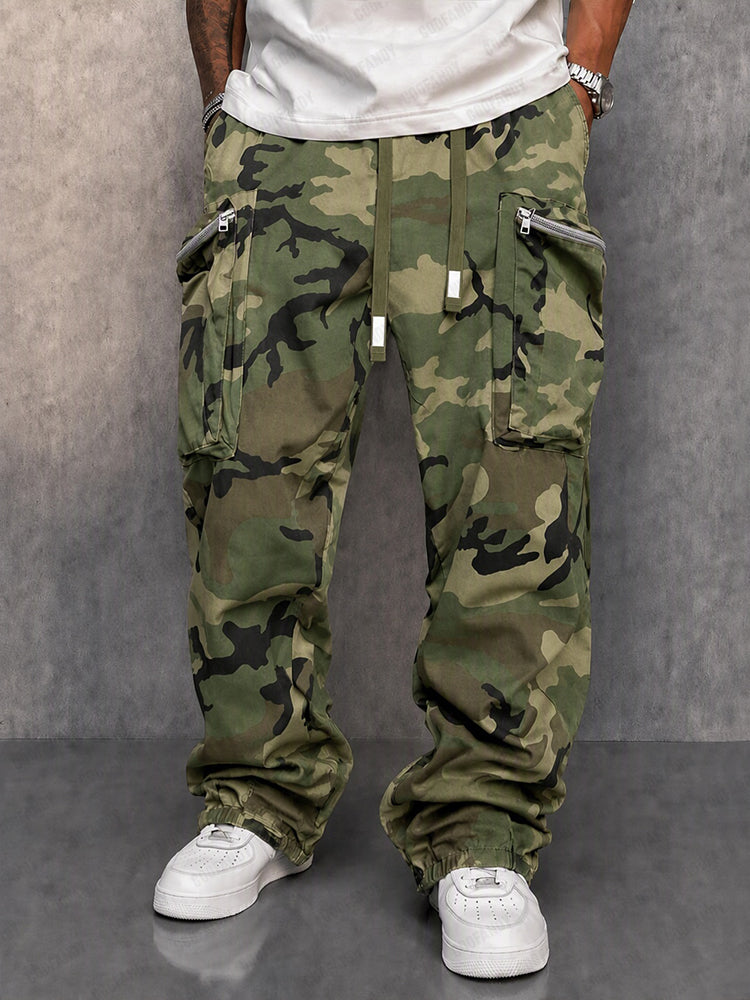
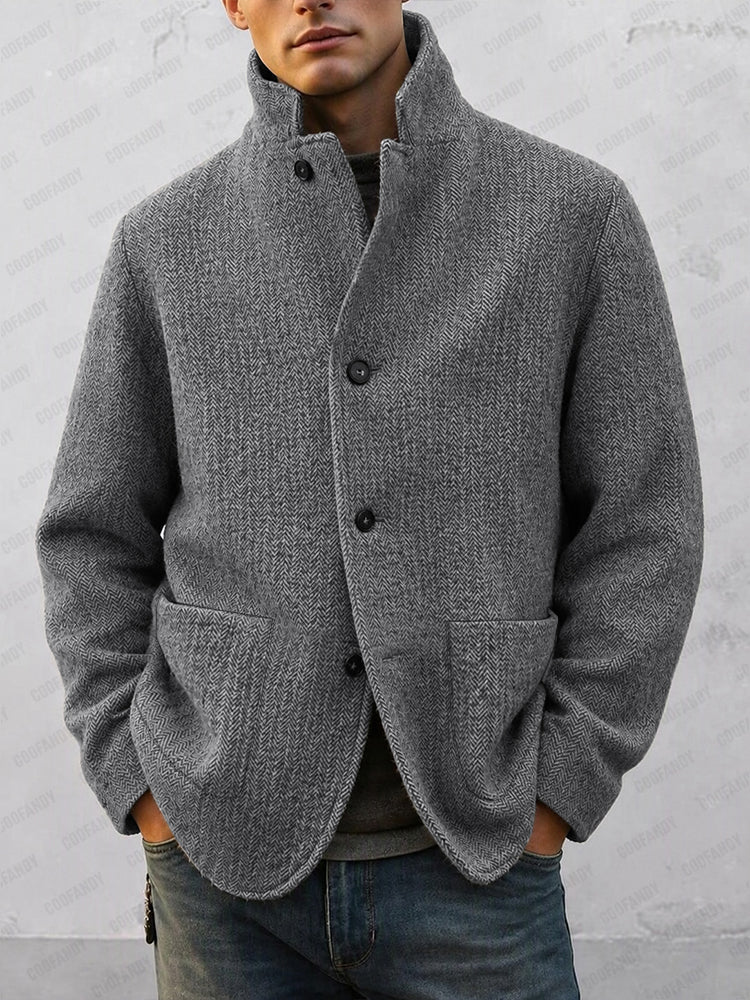
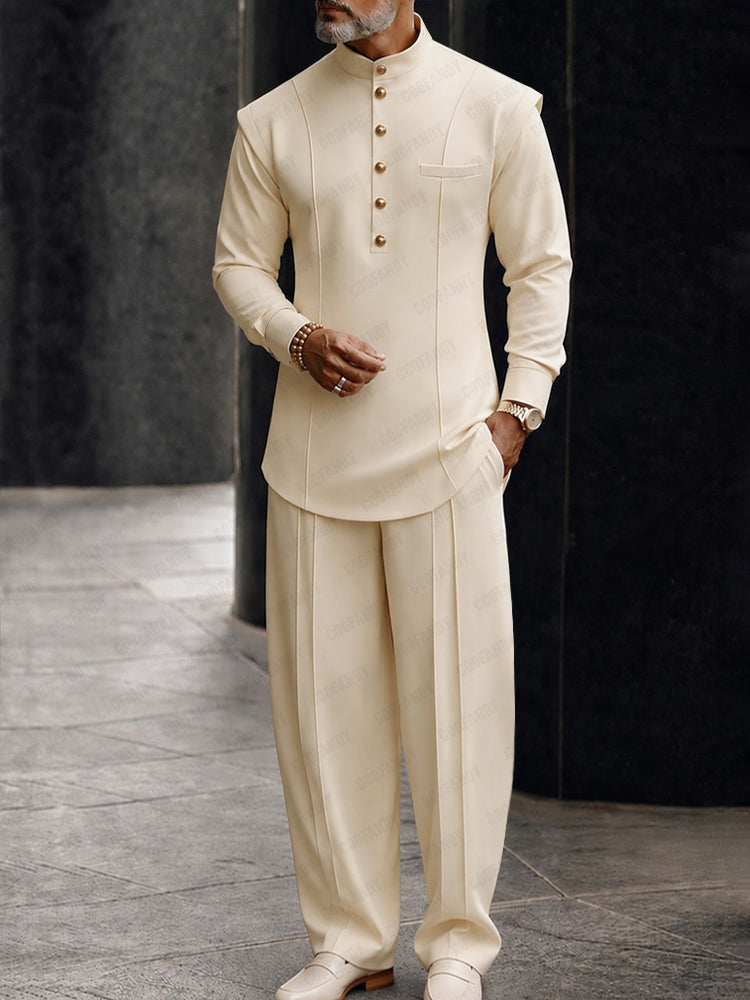
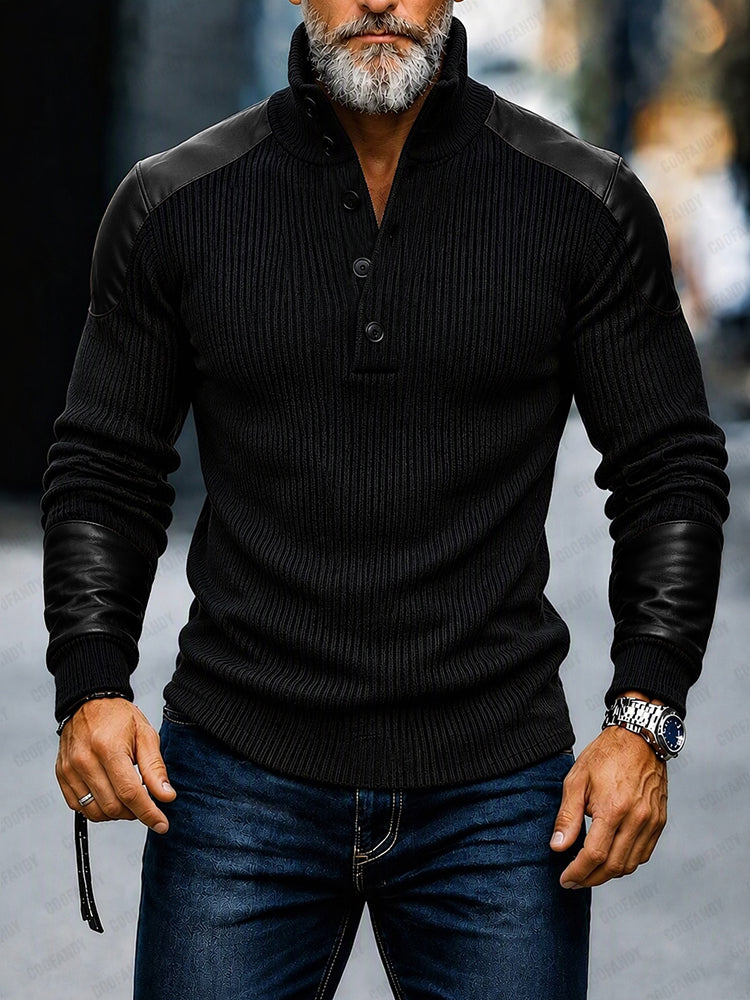
NASCAR Outfit Guide for Men: Comfortable Race-Day Looks That Actually Work

A comfortable NASCAR outfit starts with a breathable shirt, shorts or lightweight chinos, and sneakers you already trust. Add a cap and a separate long-sleeve layer for a cooler finish. This guide shows how to choose the fit and fabric, with COOFANDY options for the stands and hospitality seats.
Your seat and forecast help determine what to wear to a NASCAR race; a few NASCAR outfit ideas can help you choose colors and combinations once those practical details are covered.

Key takeaways
- Check the fit while seated, not just standing in front of a mirror.
- Compare garment measurements rather than buying your usual size automatically.
- A removable layer should work with the exact shirt underneath it.
- Straight trousers can connect casual grandstand clothes with smarter plans.
- Buy for a wardrobe gap, not an outfit that only works for one photograph.
Fit and pockets for a long day
Start with the movements your clothes need to allow. Sit down, lean forward, cross your arms, and raise one knee as if stepping onto a stair. A shirt should not pull sharply across your upper back, and a waistband should not dig in when your hips bend. These checks reveal more than a relaxed standing pose.
For online shopping, measure a shirt you enjoy wearing. Lay it flat without stretching and compare chest width, shoulder width, and back length with the measuring diagram. A body chart and finished-garment measurements are different references. A shirt measuring 22 inches across the chest has roughly two inches more circumference than one measuring 21 inches across, regardless of their size labels.
For trousers, compare front rise, thigh width, and inseam as well as waist. Measure from the points specified in the diagram. A larger waist tightened with a belt does not necessarily fix a tight seat. If pocket openings flare when you sit, or the fabric pulls across your thighs, investigate that area rather than changing only the waist size.
Try your phone in its intended pocket during the seated check. Hard objects can distort an otherwise comfortable fit. Extra pocket capacity is useful, but filling every pocket changes how trousers hang and how a jacket closes. Keep the silhouette and the seated experience in mind together.
Take a side view as well as a front view. A shirt can look balanced head-on but bunch above the waistband at the back. Likewise, trouser fabric catching behind the knee can reveal excess length or a cut that does not settle as expected.
Choose clothing weight for your seat
An exposed afternoon seat favors a base you can comfortably wear without an outer layer. A tee, polo, or relaxed woven shirt can fill that role. Consider fabric weight and construction alongside fiber content: two polyester garments can occupy completely different places in a wardrobe.
A shaded suite, a breezy forecast, or dinner afterward creates a reason to bring another piece. That does not mean wearing it all afternoon. Make the base outfit look complete, then select the layer for the part of the day when you actually expect to use it.
Do not infer insulation from a hood or cooling performance from a visible weave. A textured casual jacket is not automatically a hot-weather shirt, and a hoodie is not automatically fleece. If cold conditions are expected, choose coverage and clothing weight you can assess rather than relying on the category name.
A four-piece formula that survives the stands
Base. Choose a tee or polo that sits smoothly at the shoulder and remains comfortable when seated. An untucked hem should leave a clear proportion between the upper and lower halves rather than concealing most of your shorts.
Removable layer. An open shirt, hoodie, or casual jacket needs room over the actual base. Cross your arms with both on. Bunching at the upper arm or a collar folded against your neck can make an otherwise suitable garment the wrong partner.
Bottoms. Straight shorts or trousers give the outfit a clear lower line. Pay attention to the rise: pulling a low-rise pair higher to solve a waist problem usually creates a different fit problem.
Shoes. Start with broken-in, closed-toe footwear. A shoe that looks right with tailoring still needs to suit the walking you expect to do.
| Decision | Warm afternoon | Mild or breezy conditions | Hospitality or dinner |
|---|---|---|---|
| Base | Tee, polo, or relaxed shirt | Base that works under a layer | Smooth tee or neat polo |
| Layer | Optional and removable | Separate hoodie or overshirt | Casual jacket if appropriate |
| Bottoms | Shorts or light trousers | Straight trousers | Trousers with a tidy hem |
| Fit check | Seated room and hem balance | Reach forward with layers on | Button jacket and sit down |
The pieces do not have to match. Their proportions need to cooperate. A roomy top usually benefits from a clearer trouser line; a more structured jacket needs enough space underneath without several competing collars.
Fabric, color, and sun
A knit, a smooth woven fabric, and a linen-like texture create different visual effects. Fiber percentages tell you what a garment contains, but not its complete feel, thickness, or suitability for a particular temperature. Stretch also cannot rescue shoulders that are too narrow or a rise that is too short.

Use texture to distinguish pieces when the palette is simple. A textured jacket above smooth trousers can look considered without another pattern. If the shirt carries a large driver graphic, quieter surrounding fabrics give that graphic room instead.
Pale and mid tones are easy starting points for daytime. Darker bottoms can anchor a lighter shirt, while a team-colored cap creates a focal point near the face. Neither color nor sleeve coverage establishes a sun-protection rating; keep sun-care preparations separate from styling claims.
Shoes that work with the outfit
Check heel security, toe room, and socks before deciding between white, gray, or brown. Stairs and extended walking make a familiar fit more valuable than an exact color match. Trouser length matters too: a hem piled over the shoe can make a straight cut appear wider and less deliberate.
For smart-casual plans, a clean sneaker may work when the host's dress notes allow it. If you prefer loafers, choose a pair you already wear comfortably, not an unfamiliar purchase whose fit you will discover at the track.
Team color in small accents
A cap or a single garment can establish support without turning every piece into team merchandise. With an official driver shirt, repeat one color rather than every color in the graphic. Large blocks of competing color can make the outfit feel busier than the shirt alone.

If you are dressing with friends, coordinate around a shared accent and let everyone keep their preferred neckline and trouser shape. The NASCAR outfit ideas explore that approach without requiring identical outfits.
How Coofandy fits a long race day
Founded in 2015, COOFANDY builds its “Dress the Journey” philosophy around menswear for everyday life. A useful race-weekend purchase can therefore earn its place on the drive, at lunch, or in your regular wardrobe, rather than depending on race-day styling alone.
Through COOFANDY's partnership with Joe Gibbs Racing, Christopher Bell, driver of the No. 20, is the brand's global spokesman. His achievements include:
- 2025 NASCAR All-Star Race winner
- 2024 Coca-Cola 600 winner
- 2017 CRAFTSMAN Truck Series champion
- Three Chili Bowl wins
The ambassador page introduces Bell, while the JGR No. 20 collaboration connects the brand with his racing team. That story gives the clothing a race-weekend connection; fit and the role in your wardrobe still determine the purchase.
These three recommendations solve different problems: adding a casual layer, sharpening an existing base, and finding trousers with a more accommodating upper cut.
Casual Classic Versatile Hoodie: build around the base you own
The Casual Classic Versatile Hoodie is the focused choice if your tee and trousers already work but you want a separate athleisure piece. Its 92% polyester and 8% spandex composition, adjustable drawstring hood, and kangaroo pocket give it a straightforward identity without requiring matching bottoms. Buy it to extend an existing outfit, not to replace clothes that already fit.

Start by trying it over the tee you intend to wear. The extra layer should leave the base smooth through the upper back rather than drawing it tight when you reach forward. If you prefer a polo, settle the collar before assessing the neckline; a collar that bunches inside it will remain distracting even when the chest measurement is right. Leave the hood resting behind the shoulders so it does not crowd that area further.
For proportions, pair it with straight chinos or jeans rather than assuming a hoodie requires joggers. That contrast keeps the upper half casual while giving the lower half a clearer line. Check where the hem lands relative to the trouser rise, especially if you dislike a long top. Compare the garment measurements with a familiar hoodie, paying attention to how chest room and overall length work together rather than sizing up automatically.
The kangaroo pocket creates an easy place for your hands, but it is not a secure closure for valuables. Use the drawstring to adjust the hood opening, not as a reason to expect weather protection. There is no need to treat this as a fleece or assign it a warmth rating. Cold machine washing, with light and dark clothes separated, fits a regular casual-care routine. This is the strongest choice when a standalone hoodie would also get worn on ordinary weekends.
Casual Suit Jackets: give a simple outfit a defined shape
The Casual Suit Jackets are the sharper option for hospitality or a meal after the race. The jacket is 100% polyester with a notch lapel and a one-button closure. The lapels frame a plain tee or polo, giving the outfit a more defined upper half. It offers a useful alternative when a familiar polo and trousers need more structure without becoming a complete suit.

Start at the shoulders. A pronounced overhang or pulling across the back can spoil the line before the front is buttoned. Next, fasten the button while standing: the lapels should lie naturally rather than bow outward above a strained closure. Sit down and reach forward as a separate check. A jacket that looks neat only with your arms at your sides is not a useful choice for a long social occasion.
A smooth crewneck makes the simplest base because it leaves the lapels uninterrupted. With a polo, keep its collar inside the jacket neckline rather than spreading it over the lapels. Straight dark jeans can keep the combination casual; plain trousers make the transition to dinner clearer. Neither pairing requires matching jacket fabric, and a deliberate contrast is easier to judge than two almost-matching shades.
The chest pocket, two front flap pockets, and inside pocket provide several places for small items. Distribute them lightly: a thick wallet or overloaded flap pocket can change the front shape you selected the jacket for. This is a reason to choose considered storage, not fill every compartment. Its lightweight casual construction does not establish cooling or insulation performance. Follow the sewn-in care label. Choose this jacket if you want a distinct outer silhouette that also makes sense with clothes you already wear away from the track.
Classic-Fit Flat-Front Straight Pants: prioritize the seated fit
The Classic-Fit Flat-Front Straight Pants fill a different gap: trousers that can sit beneath a casual top or a jacket without a sharply tapered silhouette. They combine 80% polyester and 20% viscose with a flat front, straight legs, and room through the hip and thigh. A hidden expandable waistband adds adjustment at the waist, while belt loops and a zip fly with button closure preserve a conventional trouser finish.

That combination is worth considering if your usual trousers fit at the waist but feel restrictive across the upper leg when seated. The roomy hip and thigh address the cut in that area; the waistband serves a separate purpose. Do not use its expansion as a substitute for selecting the right size. Compare the rise and thigh measurements with a comfortable pair, then assess the waist without pulling a belt tight to force the fit.
Straight legs give you a stable base for different upper shapes. Under the hoodie, they keep the outfit from reading as an all-over athletic set. With the casual jacket, they produce a clearer smart-casual outline. A tee worn untucked softens the flat front; a polo tucked in makes the waistband and belt part of the composition. Check the hem with your intended shoes so the leg falls cleanly rather than collecting excess fabric at the ankle.
Two side pockets and two back button-through welt pockets provide defined storage positions without cargo styling. Keep the back pockets lightly loaded if you will spend much of the day seated. Machine washing makes these a practical candidate for repeat use beyond the event. They are the most useful purchase here when the real problem is an uncomfortable or overly narrow lower half, rather than a shortage of tops. Build the outfit from that corrected foundation first.
The hoodie, jacket, and trousers are marked US Only. Check delivery eligibility for your address before ordering. Bell's Picks and the JGR collection offer broader browsing, but a clear wardrobe need is a better starting point than adding several pieces at once.
Three copy-ready outfits
Warm afternoon, general admission. Wear a relaxed woven shirt, straight shorts, and familiar sneakers. Keep the shirt length in proportion to the shorts. This is a complete daytime outfit without forcing either a hoodie or jacket into conditions that do not need one.
Hospitality followed by dinner. Build around the straight trousers, a smooth tee or neat polo, and the casual jacket. A distinct contrast between jacket and trousers looks more intentional than an attempted near-match. Check the host's dress notes before choosing denim or sneakers.
Casual base, changing conditions. Wear a tee with straight trousers and bring the separate hoodie if its weight suits the forecast. Test the two tops together before packing, with enough room to reach and bend your arms.

Conclusion
Choose the missing function first. The hoodie adds an independent casual layer; the jacket gives a simple base more structure; the straight trousers address the lower silhouette and seated fit. A useful NASCAR outfit comes from those decisions working together, not from buying every piece in one look.
FAQs
What should men wear to a NASCAR race?
A comfortable shirt, suitable shorts or trousers, a cap, and familiar closed-toe shoes are a useful starting point. Add layers according to your seat and forecast.
Can I wear jeans?
Yes, if the weight and seated fit work for your plans. Compare the rise and thigh room with trousers you already find comfortable.
Do I need closed-toe shoes?
They are a practical choice for stairs and busy concourses. Prioritize a secure heel and comfortable toe room over matching the shirt exactly.
How do I show support without wearing a jersey?
Use one team-colored cap or garment and keep the surrounding pieces quiet. The connection does not need to appear in every accessory.
What about night races?
Assess the forecast and bring a layer whose coverage and weight you understand. A hood alone does not establish warmth or weather protection.


Deixe um comentário