










No-Belt Pants for Men: What a Real Fit Test Reveals
No-belt pants earn their place when they stay put through an ordinary day. The useful test is not a front-facing mirror check in a fitting room. Wear the pair with your usual shirt, put your phone and keys in the pockets, sit down, walk a block, and see what happens to the waist. If you stop thinking about it, you are close. If you keep tugging at it, the issue is worth solving before the pants leave the house.
Men often reach for a belt-free waist because they want a cleaner shirt line, a less fussy weekend outfit, or a pair that works when the day includes travel and long stretches of sitting. Those are reasonable reasons, but construction names do not tell the whole story. A drawstring, an elastic section, or an adjustable side tab can all be useful in the right pair. The outcome matters more: does the waistband look settled, stay secure, and work with the shirt you chose?
A fitting-room success can fail by lunch
Standing still is generous to almost every waistband. The real test starts when your day does. Sit in a chair for a few minutes, then stand without using your hands to pull the pants back into place. Walk with a normal stride. Bend to pick up a bag. Put your usual pocket items where you would carry them. These small movements show whether the waist is holding comfortably or merely looking acceptable for thirty seconds.
Pay attention to the difference between a minor readjustment and a recurring one. Everybody smooths a shirt after sitting. That is ordinary. Re-tying a waist, pulling up the rise, or trying to hide a bunched front every time you move is a fit problem. It may mean the size is wrong, the rise is not right for you, or the waistband does not suit the way you wear the pants.
The shirt changes the result. With an untucked tee, polo, or casual button-up, much of the waistband disappears from view. A tucked shirt puts the waist at the center of the outfit. Try both treatments before deciding. A pair that feels fine under an untucked shirt may look busy when a shirt is tucked in, while another pair may have a clean enough front to handle either option.
Put the pants through your actual routine
Think through the first occasion you have in mind. For a travel day, that may mean a car seat, a terminal chair, a meal, and a walk after arrival. For a low-key office day, it could mean desk time, a quick meeting, stairs, and lunch. For dinner, the test may be simpler: a walk from the car, a seat at a table, and a shirt that stays in place when you stand to leave.
Try the pants in that order. Do not turn the fitting exercise into a workout; you are only checking the movements that the outfit will actually face. Notice whether the shirt comes untucked in a way that looks accidental, whether the pockets change the line too much, and whether you feel tempted to keep checking the waist. A good no-belt pair does not need constant supervision.
Shoes matter here too. A relaxed shoe can make an adjustable waist feel at home on a weekend. A cleaner leather shoe or a more structured sneaker puts more attention on the trouser line. There is no universal rule, but the shoes can expose a mismatch between a very casual waist and a more polished shirt. Judge the whole outfit in ordinary light rather than evaluating the pants in isolation.
What a secure waist looks like in motion
A waistband does not need to be rigid to look composed. It does need to avoid obvious strain at the front, excess fabric gathered into a knot, and a back that drops when you sit. Check from the side if you can. This angle often shows what the front mirror misses: whether the seat and rise remain balanced or whether the pants are being held in place by a drawstring that is doing too much work.
Use a chair test with the shirt you would really wear. Sit normally, lean forward to reach something, and stand again. Then walk long enough for the fabric to settle. If the waistband is still in roughly the same position and the shirt treatment still looks deliberate, the pair has passed a meaningful check.
Pocket use is another honest measure. Put in the items you carry every day, not a staged empty-pockets version of yourself. A phone, card holder, or keys can alter how a waistband sits. The point is not to make pockets invisible. It is to see whether the pants still feel balanced under normal use.
Two product pages worth checking against your plan
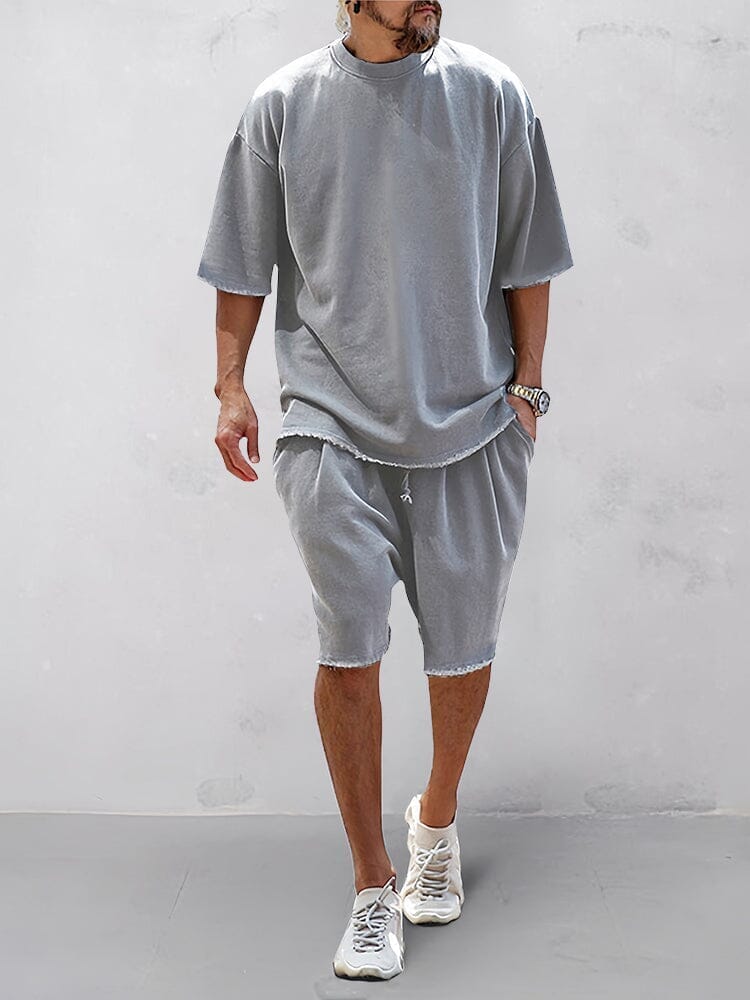
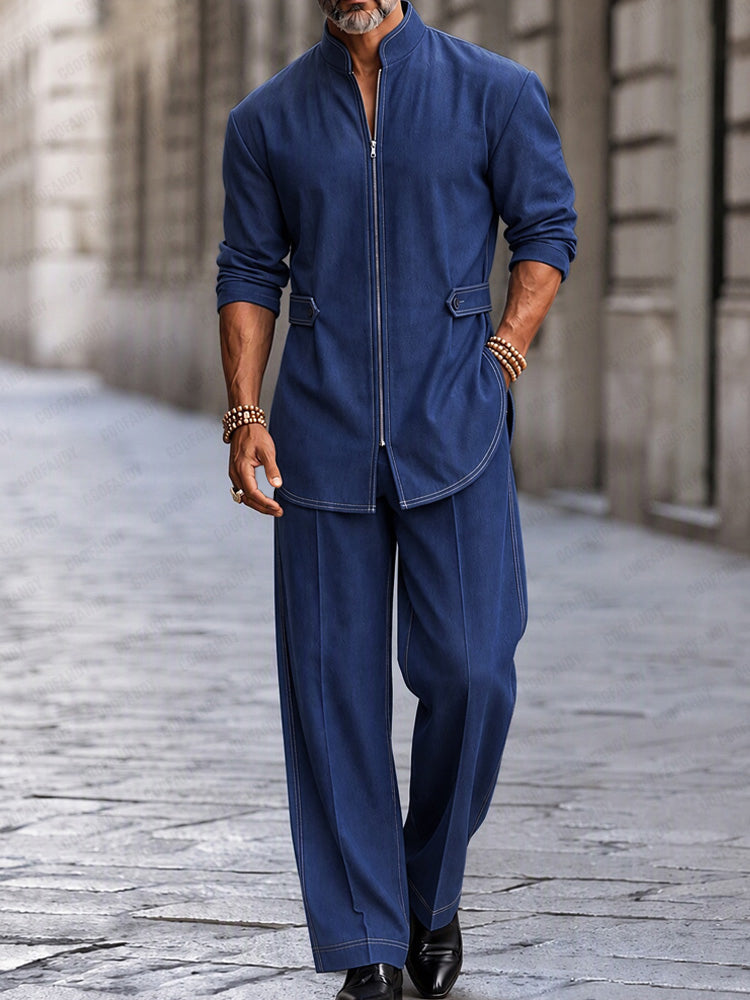
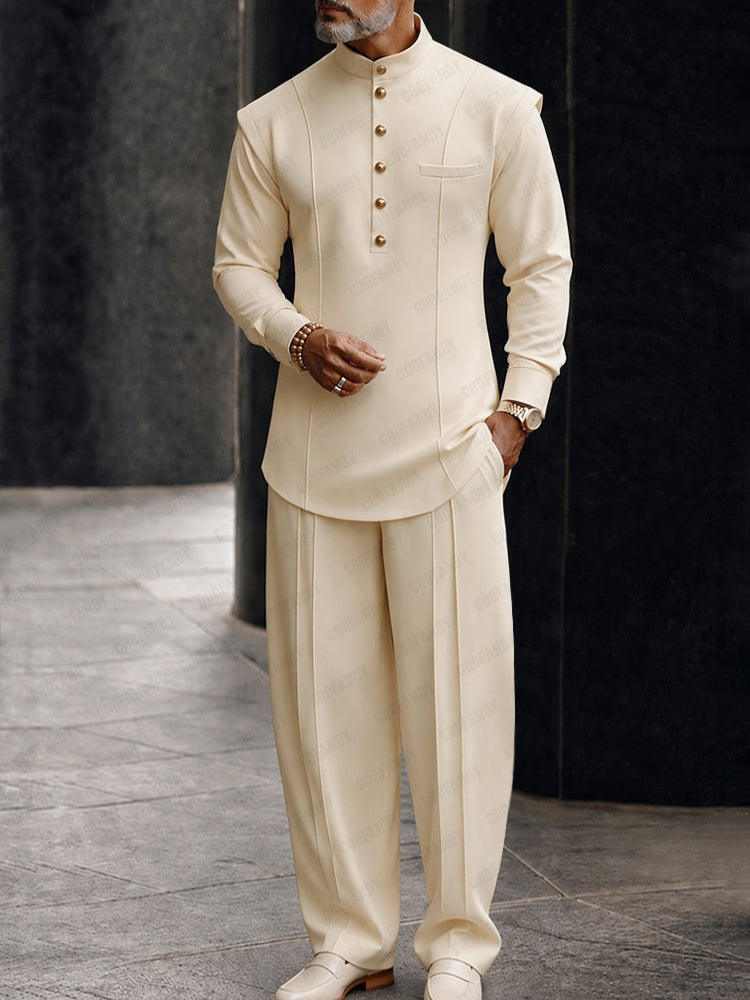
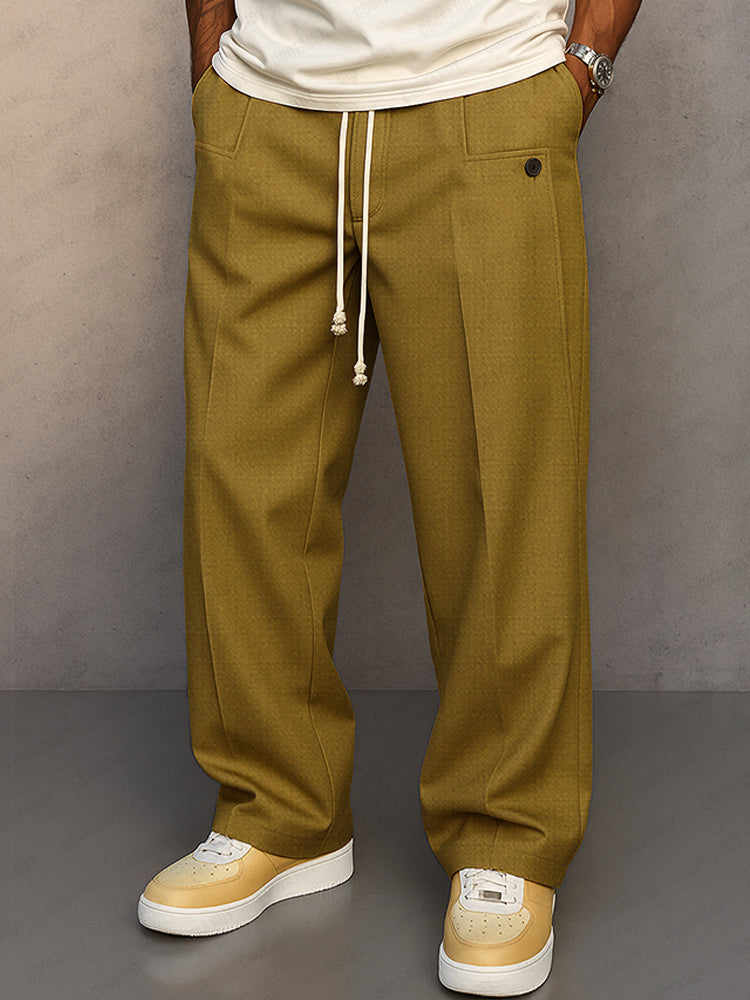
The Comfy Urban Style Drawstring Pants offer a specific drawstring option to inspect alongside the shirt, shoes, and occasion you have in mind. For another trouser reference, look at the Multi-Pockets Cotton Linen Pants and compare the listed details with the amount of pocket use and movement in your day.
Read the sizing, listed composition, and care directions on each page with the planned occasion in mind. The useful comparison is between two wardrobe roles: one pair with a tucked shirt at dinner, another under a casual top on a travel day, or either option through a relaxed work schedule.
Dress for the visible part of the day
No-belt pants can be especially easy when the waistband is mostly covered. An untucked shirt gives you room to prioritize a straightforward, relaxed outfit. When the waistband will be visible, give the front a longer look. Does the shirt tuck cleanly? Is any adjustment hardware quiet enough for the rest of the outfit? Does the waist look intentional once you have moved around?
For a social plan, the venue and shirt finish usually settle the question. A casual restaurant with an untucked overshirt asks less of the waist than a dinner where you expect to wear a tucked button-down. At work, take the calendar seriously. A quiet day at your desk may leave room for a more relaxed pair; a presentation or external meeting may be the day for trousers with a cleaner visible finish.
Avoid forcing one pair into every role. A waistband can be excellent for the plan it suits and still not be your choice for a different setting. That is a more useful standard than treating adjustable construction as either dressed up or dressed down by default.
When the answer is a different size or pair
If a drawstring must be pulled tight enough to create a prominent gather, pause before calling it a styling detail. If the back slides lower during a walk, do not assume a tucked shirt will disguise it. If the trousers only feel secure with empty pockets, that is useful information. A no-belt waist should simplify getting dressed, not create a list of conditions you must manage all day.
Sizing guidance and care instructions belong in the final check. Follow the information supplied for the specific pair, especially before washing or relying on it for a trip. Then repeat the sitting and walking test after the pants are ready to wear with the rest of your outfit.
The best belt-free look is quiet. The shirt, trousers, and shoes look like they were chosen together, and the waistband stops being the story once you have left home.
FAQ
How should no-belt pants fit at the waist?
They should stay secure while you sit, stand, walk, and use your pockets without repeated adjustment. Test the actual pair with the shirt and everyday items you plan to wear.
Can I tuck in a shirt with drawstring pants?
You can when the specific waistband looks clean and remains settled through movement. Try the tuck before relying on the outfit for dinner, work, or another occasion where the waist will be visible.
Why do no-belt pants slide down when I sit?
The size, rise, waistband construction, or pocket load may not suit the way you wear the pair. A seated test is a better guide than a quick standing mirror check.
Are adjustable-waist pants only for casual outfits?
Not necessarily. The shirt, shoes, visible waistband, and setting determine the result. Assess the complete outfit for the specific occasion instead of relying on the waistband category alone.

Deixe um comentário