









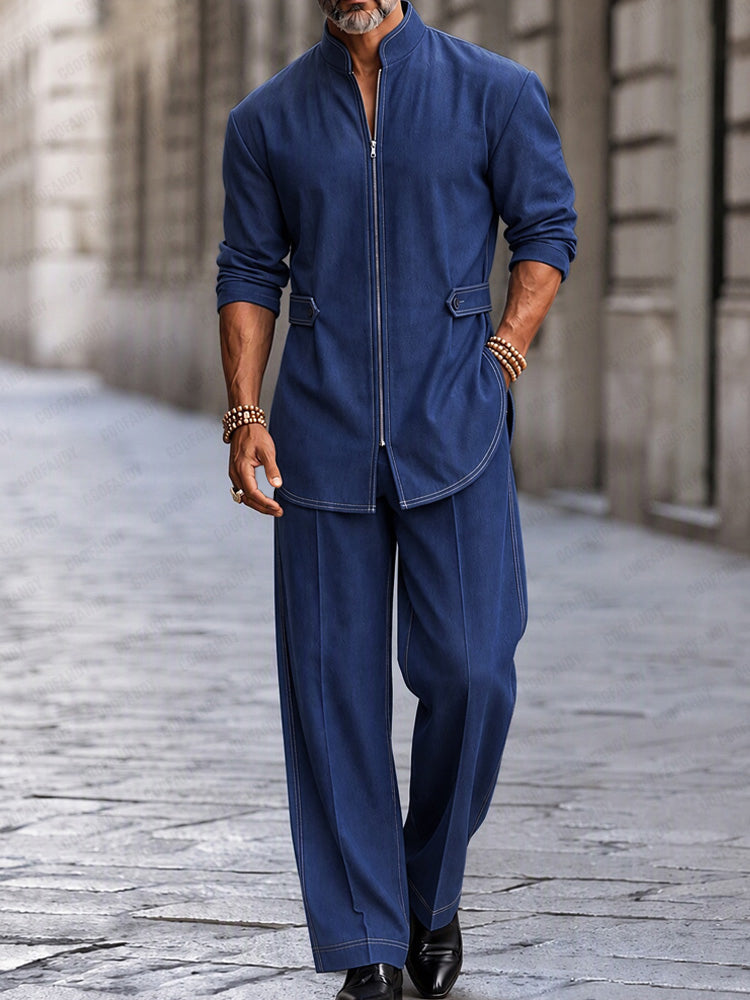
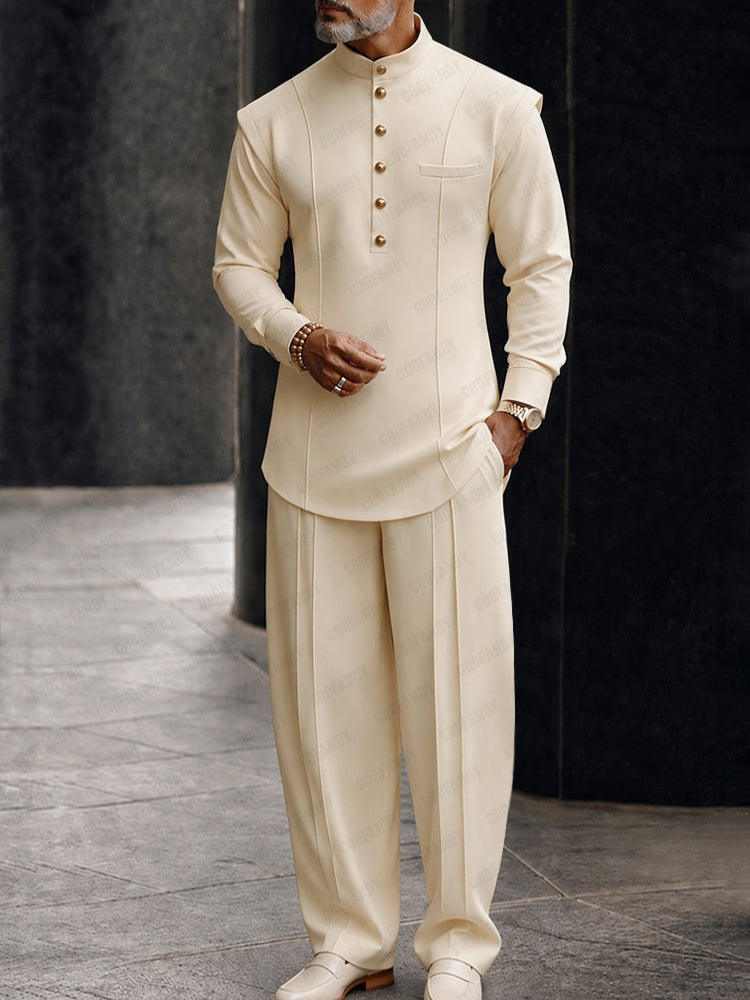
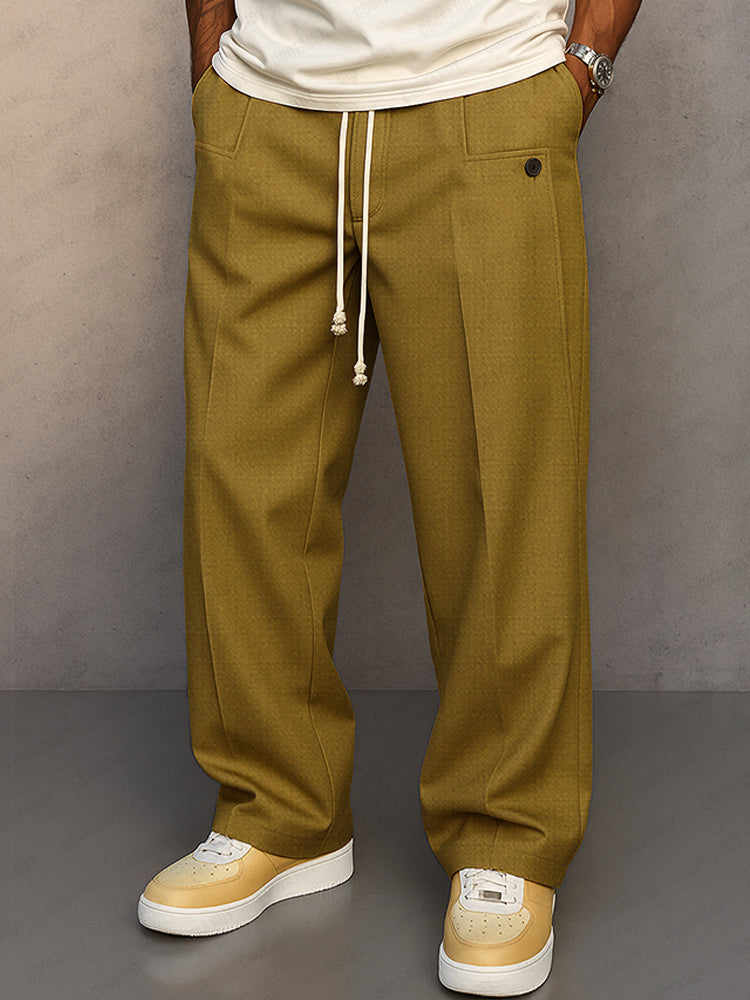
What Pants Should I Buy? Build a Rotation Around Your Real Week

Short answer: If you are wondering what pants to buy next, think about the last time your current pairs let you down. Maybe everything felt too casual for work, too stiff for a flight, or your only reliable pair was in the laundry. The next pair should solve the problem that comes up most often, or the one that causes the most trouble when it does. Your regular rotation might have three pairs, seven, or something in between. Laundry, weather, dress codes, and the number of settings one pair can handle all affect the answer.
Start With the Week You Actually Live
Look back at your last normal week. For each day, jot down where you went and what the day asked of your clothes. Heat, rain, a client visit, a long drive, lots of stairs, or a late laundry day can all change which pants feel useful.
Give each day a rough formality score: 1 for relaxed casual, 2 for neat casual, 3 for smart casual or office-ready, and 4 for a dress code that calls for formal trousers. Do not worry about making the scale perfect. It is just a shortcut for spotting the situations that keep coming back. If 4 appears often, note it separately; the rotation examples below do not include a formal wardrobe.
The table is only an example. Replace every row with your own week, then use the last column to note what worked, what bothered you, and what was missing.
| Day | Main setting | Setting formality (1–4) | Weather, movement, or practical need | What to notice |
|---|---|---|---|---|
| Mon | Commute and desk work | 3 | Warm, moderate walking | Could you wear the same pair again before laundry? |
| Tue | Remote work and errands | 2 | Mild, short drives | What did you reach for? |
| Wed | Office work | 3 | Cool, seated most of the day | Did the waistband stay comfortable? |
| Thu | Errands and family time | 2 | Walking, possible spills | Would a darker color have helped? |
| Fri | Work and dinner | 3 | Commute and a change of setting | Did one pair work for both? |
| Sat | Outdoor social plan | 2 | Mixed weather, walking and sitting | Would a current pair cover it? |
| Sun | Home and laundry day | 1 | Indoors, little movement | Which pairs are actually clean? |
Once the week is on paper, look for patterns. Casual days may be most common, but being underdressed for a weekly client meeting may be the bigger problem. Also flag the days when you settled for the wrong pair because the better option was dirty, too formal, too casual, or uncomfortable. Those misses point to the gaps in your wardrobe.
Find the Gaps and the Pairs Doing the Same Job
Now open the drawer. Count only the pairs you would still choose to wear—ones that fit, are in usable condition, and suit a recurring or important part of your life. A pair does not count just because you still own it. If it pinches at the waist, pulls through the thigh, or needs care you never have time for, it is not helping your rotation.
Use any of these broad job labels for each wearable pair: everyday or work-ready, slightly dressier, active or outdoor, comfort or travel, and seasonal. The next section explains what each label covers. For now, put the labels beside the days each pair can handle. This makes gaps and duplicates easier to see.

A coverage gap is a repeated or important setting with no pair you would choose confidently. Maybe your weekend pants are fine, but nothing feels neat enough for the office. Or every travel option feels restrictive as soon as you sit down. Weather can expose a gap too; a stretch of hot, humid days may make your usual rotation feel wrong for the season.
A duplicate does the same job as a pair you already use while another part of your week has no good option. Color alone does not decide it. Five nearly identical casual pairs will not solve an office, travel, or warm-weather gap. Two workweek pairs can both be useful when laundry timing means both get worn.
If two pairs do the same job, notice which one you reach for first and why. The other may still earn its place as a laundry backup. If you use both, keep both. Just cover another part of your week before buying a third near-copy.
Give the Next Pair a Job Before You Pick a Type
Before you compare cuts or colors, finish this sentence: “I need these pants for ______.” The five labels below can help, but they are prompts rather than a must-own list. One pair may do several jobs, especially if your workweek is relaxed and the weather stays fairly steady.
Everyday or work-ready: This is the pair you expect to wear most. Its main job might be errands, casual work, or regular office days. It should fit easily into the outfits you already own, and its care routine should suit your real life, not an ideal version of it.
Slightly dressier: Maybe your usual casual pair works most of the time but feels a step too relaxed for the office, dinner, or a family event. How much dressier you need to go depends on the venue and the rest of the outfit. Formal trousers only make sense when the setting genuinely calls for them.
Active or outdoor: Think long walks, active errands, yard time, transit, or outdoor plans that make your other pants feel impractical. Ordinary casual pants are not protective workwear or specialized sportswear. If the activity requires either one, choose clothing made for that purpose.
Comfort or travel: Long drives, flights, and sitting-heavy days tend to make waistband comfort hard to ignore. A relaxed but tidy pair may also work for remote days or a casual dinner on the road. If your everyday pair already handles all of that, there is no reason to invent a separate travel category.
Seasonal: Give weather its own slot only when it repeatedly changes what you reach for. Warm-weather travel, a humid commute, or a long cold season can create that need. A few unusual days probably do not justify a separate pair.
A pair that can handle everyday wear, travel, and casual dinners may be more useful than a specialized option for rare plans. A formal workplace can put the dressier pair first. Which job comes first depends on your week. Once the missing job is clear, the plans below show where it might fit.
See Where the Gap Fits in a Three-, Five-, or Seven-Pair Rotation
Treat these plans as checkpoints, not targets. Pick the one that looks most like your week, then cross out the jobs you already have covered and the ones your life does not require. The jobs left over are the ones worth considering first. Rank those gaps by how often they come up and how much it matters when you get them wrong. The examples assume laundry about once a week and occasional rewearing when the pair is still clean and the setting allows it. They do not cover uniforms, protective workwear, or a separate formal wardrobe.

Three-Pair Plan: Low-Variation Week
Works best for: Mostly remote or casual work, one or two social plans a week, and easy access to weekly laundry.
- One everyday or work-ready pair for your most frequent setting.
- One pair for the next most important setting—often meetings, dinner, or an office that expects a neater look.
- One pair for whichever remaining need repeats most: comfort, travel, active days, warm weather, or another clear gap.
Swap it: If a suggested job does not belong in your life—or is already covered—use that slot for the most important gap in your own week.
Five-Pair Plan: Hybrid Workweek
Works best for: Several office or client-facing days, casual weekends, and a need to rotate around laundry.
- One everyday or work-ready pair.
- A second everyday or work-ready pair for weekday rotation.
- One slightly dressier pair if your work or social plans require it.
- One active or outdoor pair.
- One comfort, travel, or seasonal pair, based on the next gap.
Adjust it: If any listed job does not belong in your week, or you already have it covered, use that slot for the next uncovered job.
Seven-Pair Plan: Varied Schedule or Longer Rotation
Works best for: Most days spent away from home, changing weather, different dress standards across the week, regular travel, or a longer gap between laundry days.
- One everyday or work-ready pair for your most frequent setting.
- A second everyday or work-ready pair.
- A third high-use pair if another setting repeats or laundry timing requires it.
- One slightly dressier pair.
- One active or outdoor pair.
- One comfort or travel pair.
- One seasonal pair.
Stop before seven if your week is already covered. If one of the listed jobs does not fit your life, leave it out or use that slot for a need that comes up more often.
Choose a Color You Can Already Wear
Skip the generic list of “essential” colors for a moment. First, pick two or three colors that suit the job you need the pants to do. Then compare each one with the three shirts and two pairs of shoes you wear most. Start with the color that gives you the most outfits you would genuinely put on.
A darker neutral may make sense if your week includes commuting, public transit, meals with children, or other situations where visible marks are a nuisance. A lighter neutral may work better when warm weather and pale shirts dominate. Use the one that fits your routine and the way you care for clothes.
Work rules can narrow the choice. A color that feels right on a relaxed weekend may look out of place in a conservative office. Let the real dress code lead when you are filling a work gap. If most of your life is casual, though, there is little point in buying a dark, dressier pair simply because somebody called it an essential.
If a neutral is the easiest answer, start with the one that solves the most important gap. Add a second color when it does a different job or gives you useful breathing room between laundry days. Before ordering, check the exact listing; the colors shown on a collection page may not match every item currently available.
Check the Exact Pair Before You Buy
Once the job and color are clear, slow down and check the exact pair. A familiar size label or a promising product photo is not enough. Read that item’s size chart, fabric composition, fit description, and care instructions. Do not assume the details from another pair carry over, even within the same collection.
- Waist: Think beyond the fitting-room pose. The waistband still needs to feel comfortable when you sit, eat, and move through a normal day.
- Rise and seat: The rise affects where the waistband sits and how the pants feel through the crotch and seat. Sit or bend and check for digging at the waist or strain across the seat.
- Thigh and leg: You should be able to walk, climb stairs, and sit without pulling. More room is not always better if the wider shape feels wrong for work or the outfits you plan to wear.
- Inseam and length: The inseam is the inside-leg measurement. Compare it with a pair you already like, using the shoes you expect to wear most.
- Fabric: Read the stated composition and fabric details. Do not assume stretch, warmth, breathability, or weather resistance unless the exact item says so.
- Care: Read the care instructions before calling a pair easy to live with. If the routine does not fit your habits, the pants may spend more time folded than worn.
With that checklist in hand, you can compare current options in the COOFANDY men's pants collection. Use the collection to browse, then open the exact product page before you decide. A collection page does not confirm the details for every item, and availability can change.
If warm weather is the gap, the COOFANDY men's linen pants collection is another place to look. Check the composition, measurements, fit, and care information on the exact item. — the Cozy Straight Leg Cotton Linen Pants are one breathable option to compare. Do not assume one product’s details carry over to another.
FAQ
How do I know whether I need another pair of pants?
Another pair makes sense when the same situation keeps leaving you without a clean, comfortable option that suits the occasion. If you already own a pair that works there, the real problem may be fit, care, or laundry timing rather than a missing type of pants.
Should I buy a new color or a different wardrobe role first?
Fill the missing job first. That might be an office day that needs a neater look or a travel day that exposes a comfort problem. Choose another color when the job is already covered but the pants you own do not work with the shirts and shoes you actually wear.
What makes a pair useful for travel?
Start with the trip, not the word “travel” in a product name. Think about sitting time, walking, weather, and what you plan to do after arrival. No single fit or fabric works for every trip, so check the exact product’s measurements, fabric details, and care instructions against your itinerary.
Can one pair cover both work and weekends?
Yes, if the fit, color, and dress code make sense in both places. That kind of overlap is useful. If the pants feel too relaxed at work or too restrictive on the weekend, you are asking one pair to do too much.
Make the Call: Fill a Gap, Replace a Pair, or Wait

If you found a real gap, write a one-line brief before you browse. Include the setting, formality level, amount of movement, colors the pants need to work with, and the care routine you will actually follow. That is much more useful than “I need another pair of pants.”
If a favorite has stopped working, replace it before adding a new job or color. A worn, poor-fitting, or hard-to-care-for pair makes the drawer look better stocked than it really is. Write down exactly what failed—waist, rise, thigh room, leg shape, or length—so the replacement does not repeat the problem.
If your week is already covered, leave it alone for now. Notice what you keep wearing, and run through this check again when work, weather, travel, or the dress code changes. There is no prize for reaching seven pairs when five are doing the job.
Before ordering, recheck the exact product information and read COOFANDY's current return and refund policy. Then make the simplest call: fill the most frequent or most important gap, replace a pair that has stopped working, or leave the cart empty for now.
Related Reading
- Men's Pants Buying Guide: Choose the Right Pair Every Time
- Types of Pants: How to Choose by Use, Fit, and Fabric
- COOFANDY Pants Color Guide: Which Color Is Most Versatile?
About COOFANDY
Founded in 2015, COOFANDY is a menswear brand created for modern men navigating work, weekends, celebrations, and everyday life. Its collection includes shirts, suits, pants, sweaters, and tees designed to help men build versatile, confident looks for different moments and personal styles. Guided by the belief that clothing can reflect confidence and character, COOFANDY focuses on making approachable menswear part of every stage of life.

Deixe um comentário