












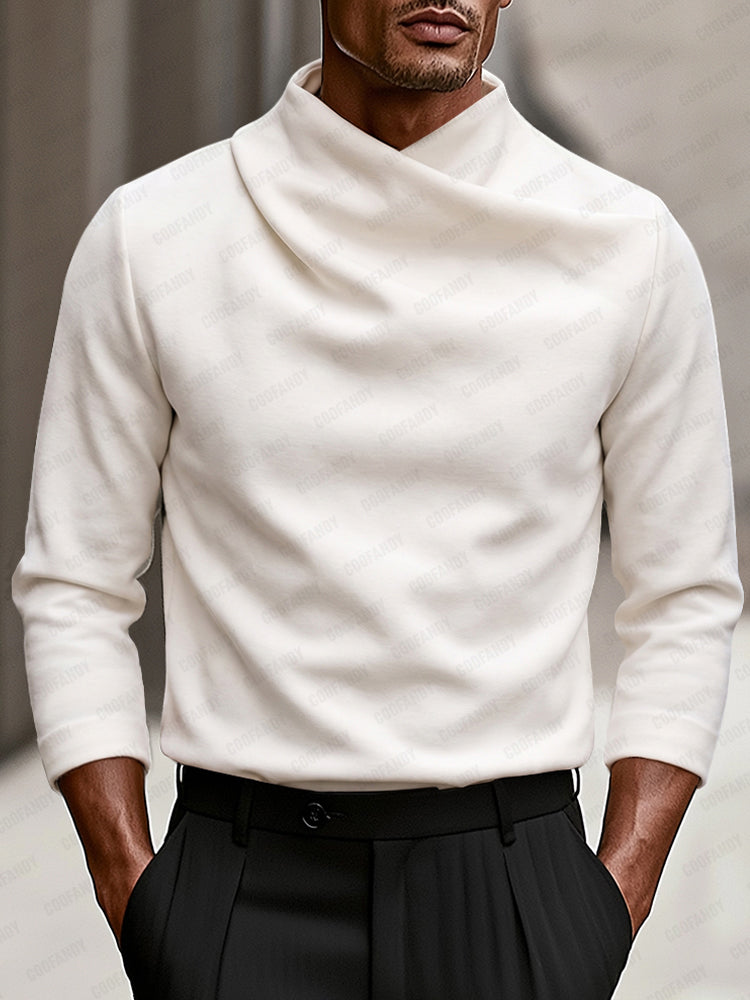
Summer Business Casual for Walking Commuters: A Workday That Starts on Foot
A summer workday may begin with a walk to transit and end at a client lunch, but the clothes need not change at every stop. Picture a Tuesday with a morning meeting, desk time, and a 5:30 p.m. client conversation near the office. What should you wear from home to avoid managing clothes all day?
Choose client-ready business casual and plan for the commute. A collared shirt, trousers for walking shoes, and one bag item may be enough.
Tuesday begins with the appointment, not the sidewalk
The client conversation is the fixed point. It does not matter that it happens late in the day; it is still the moment that asks the most from the outfit. That makes it a better reference than the temperature at 8:00 a.m. or the short walk to transit. Put together a shirt and trousers you would be comfortable wearing in the client’s office or at a nearby restaurant, then see whether the route requires one modest adjustment.
A clean collar and a shirt front that stays orderly after you carry a bag are worth checking before you leave. So are the trousers. Sit down in them, stand up, and walk through the room with your usual phone and keys in the pockets. You are looking for an outfit that remains composed when you move, not one that only works while you are standing in front of a mirror.
Shoes are the practical decision. Pick a pair that fits the work setting and can take the route you will actually walk. If the client meeting will happen somewhere more polished than the office, a second pair may make sense, but only if you can change without turning the day into a logistics exercise. Often the best choice is one tidy pair that works for both.
The bag should carry a reason, not a second wardrobe
On this Tuesday, the bag needs to do one or two clear jobs. Perhaps it holds a light layer for a heavily air-conditioned conference room. Perhaps it holds a lint roller or a small grooming item because you will meet the client after a full day. It may contain a different shoe if the route and venue genuinely call for it. Beyond that, be selective.
A spare shirt, extra trousers, multiple layers, and unused accessories can make a walking commute harder while doing little for the final look. Carry the item that answers a real part of the schedule. If the office is known to be cold indoors, a layer earns its space. If the afternoon is all internal work and the client meeting is nearby, a simple touch-up item may be more useful than a bag full of alternatives.
You do not need to solve the entire season each morning. Choose a shirt, trousers, shoes, and an optional bag item that make sense for Tuesday’s meetings and route.
At the morning meeting, the base should already work
By the time you reach the office, the outfit should not need rescuing. Give yourself a minute before the first meeting to hang up the bag, smooth the shirt front, and check the collar. These are ordinary finishing touches, not a transformation. If you need to add a layer for the room, do it because the meeting space calls for it, not because you are trying to add formality after the fact.
The morning meeting is a useful checkpoint. You are sitting at a table, perhaps standing to write on a board, and moving between colleagues. Does the shirt still look intentional? Do the trousers sit well? Does the shoe choice look like it belongs with the rest of the outfit? These observations are more meaningful than a blanket rule about what walking commuters should wear.
For an internal meeting, an untucked shirt may suit a clearly relaxed office when the hem is made for it. For a day that ends with a client, a tidier tuck may be the better starting point. The clothes should look chosen for the day, not adjusted in a rush.
The midday walk is not a separate dress code
At lunch, you may walk to pick up food, meet a colleague nearby, or step outside for a short errand. This is where it helps to resist the urge to change the outfit’s direction every time the setting changes. The same business-casual base can carry you through a short midday walk and back to the desk.
If you packed a layer, leave it with the bag when the office does not need it. If the shirt looks best tucked, keep the tuck neat for a ten-minute errand. Small choices keep the outfit consistent.
Take note of what is actually bothering you. A shirt collar that has shifted after a bag strap may need a quick adjustment. Shoes that are uncomfortable for the route may be the lesson for the next commute. That is useful feedback from a real day. It is not a reason to make broad promises about any fabric, shoe, or trouser style.
Choose pieces by their role in this workday
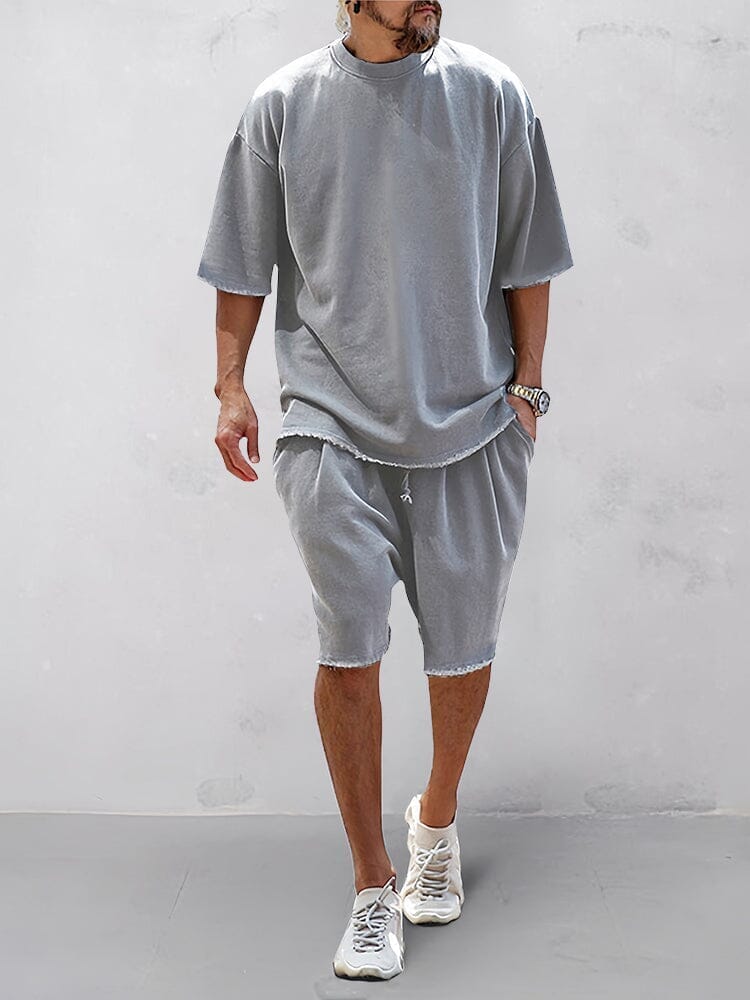
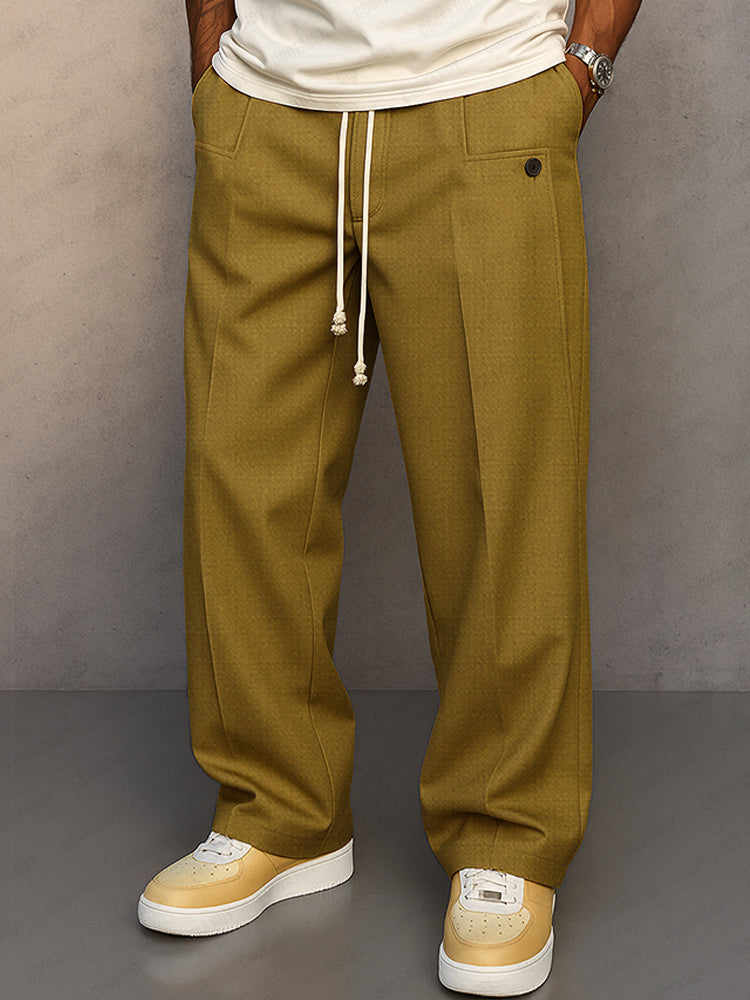
For a relaxed shirt option to assess with your office setting, look at the shirt product page. For trousers that may suit an internal workday, compare the drawstring-pants product page with the shirt, waistband treatment, shoes, and client appointment in your plan.
Read the listed sizing, composition, care directions, and available details before selecting an item, then try it with the pieces already in your closet. The shirt or pants should have a specific workday role: the cleaner base for a client lunch, the relaxed option for internal desk time, or the pair that works with the route you actually take.
The late conversation changes the emphasis, not everything
By 5:00 p.m., the outfit has already had a full day. This is why the base matters. Before leaving for the client conversation, give yourself a calm two-minute check. Smooth the shirt, check the collar and cuffs, make sure the trousers are sitting correctly, and add the one item you packed only if the room needs it.
A new layer can be useful when it belongs at the meeting. A second shoe can make sense when the venue is different from the office. But avoid adding several changes at once. If the shirt, trousers, and shoes were chosen with the client appointment in mind, the final preparation should feel like a finishing touch rather than a repair job.
The setting decides how formal the last version needs to be. A casual nearby restaurant with a familiar client may leave room for a less structured shirt finish. An introduction at a formal venue may call for the tidier option you planned in the morning. Either way, the benefit of dressing from the day’s most visible appointment is that you arrive with a credible answer already in place.
At the end of this particular day
When you walk home or head to the train after the client conversation, notice what worked rather than trying to turn the day into a universal formula. Maybe one pair of shoes handled the route and the meeting well. Maybe the layer stayed in the bag and did not need to come out. Maybe the shirt needed a quick collar adjustment before the client arrived. Those specifics are much more useful than a long list of commuter rules.
The next Tuesday may have a different meeting, route, or destination. Keep the lesson small: dress for the appointment that matters most, make the walk a practical consideration, and carry only the item that has a clear job. That leaves more attention for the workday itself and less for rearranging your clothes between it.
FAQ
What should I carry when the office meeting room is much colder than the route outside?
Bring one light layer with a clear role in the meeting room. Keep the shirt and trousers suitable for the client appointment, then add the layer only when the indoor setting calls for it.
Should I plan a shoe change for a client conversation after walking to transit?
Only when the route and venue make one pair unrealistic for both. Otherwise, choose a tidy pair that works for the walk, office, and meeting so the day does not depend on a complicated change.
What if the client meeting moves from a nearby restaurant to their office?
Use the same client-ready base and reassess the one bag item. A layer or touch-up item may still be useful, but the shirt, trousers, and shoes should not need a complete reset.
Is it better to start the day tucked in or change before the late meeting?
Start tucked when the client appointment and trousers support that choice. In a clearly relaxed office, an intentional untucked shirt can work earlier, but it should not create a rushed adjustment later.

Deixe um comentário