








What Color Shirt Goes with a Beige Blazer?

Start with a white or pale-blue shirt if you want a light pairing, navy if you want a darker center, or cream if you prefer a close-toned combination. None is the compulsory answer. Put the actual shirt beside your beige blazer, then try it with the trousers you intend to wear. A color name alone cannot choose the combination for you.
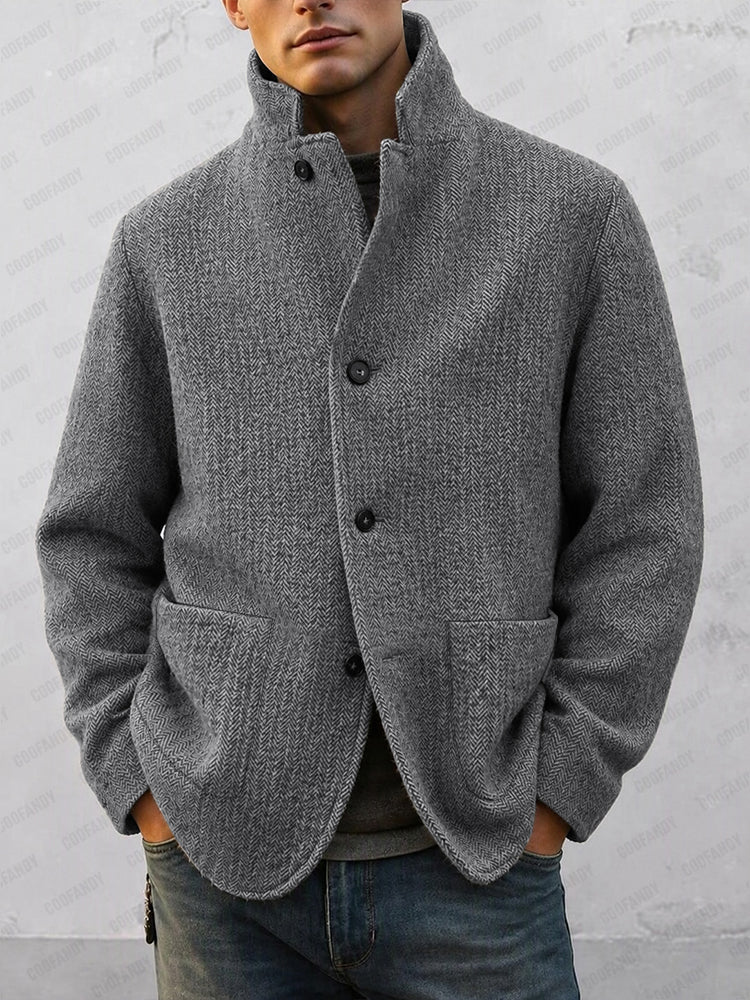
For our light-beige, textured patch-pocket Classic Textured Sheep Wool Blend Blazer from Signature (currently delivered within the United States), we would start with a plain shirt and navy trousers. That gives you a useful foundation for comparing shirts without assembling four completely different outfits. The question becomes specific: do you prefer a distinct light shirt, a darker neckline, or several similar shades?
Start with the Beige in Your Own Jacket
Lay the jacket beside the shirts you already own. Include the white shirt you reach for most, a pale blue, and a darker option if you have one. Look at the garments together before searching for an exact online color match. Your ivory shirt and someone else's ivory shirt need not be the shade you have in mind.
Then put on the jacket and your first shirt. Arrange the neckline as you will wear it, rather than comparing a fully buttoned shirt with an open one. Look at the collar and the strip of shirt visible down the front. This is the color you will actually see when the jacket is on, not the whole shirt spread across a bed.
For this textured Signature jacket, begin without a patterned tie or pocket square. You can add either later if you want it. For now, give yourself an uncluttered view of the shirt against the light-beige front.
Choose the Shirt by the Contrast You Want
Use these four options as a shortlist, not a ranking of which color looks best on every man.
| Shirt color | Choose it when you want | Check before keeping it |
|---|---|---|
| White | A distinct light shirt beside the beige | Whether you like your particular white against the jacket, including the collar |
| Pale blue | A light alternative that is not another beige or cream | Whether the blue is as quiet or as noticeable as you want |
| Navy | A darker block through the center of the jacket | Whether you also want dark trousers, or would prefer separation below the shirt |
| Cream or stone | A deliberately close-toned upper half | Whether the two actual shades look intentional to you, rather than almost matching by accident |
White is our simplest first comparison. If its contrast with your jacket feels stronger than you want, try pale blue or cream before adding accessories to soften a pairing you do not like.
Pale blue is worth trying when you want color at the neckline but do not want the shirt to become the main detail. Keep it plain for the first comparison. You can decide about stripes after you have settled the base color.
Navy asks a different question: do you like a dark center framed by the light jacket? If yes, there is no need to change it merely because lighter shirts are another option. Cream is the close-toned choice. Keep it when you like the neighboring shades, not because they must be identical.

Keep the Trousers Fixed While You Compare
Try white, pale blue and navy with the same navy trousers and the same shoes. Stand far enough from the mirror to see the full outfit. Changing the pants with every shirt can make it difficult to know which part you preferred.
With the white shirt, look at the amount of light color above the waistband. With pale blue, decide whether you like the blue beside the beige more than the white. With navy, pay attention to the shirt and trousers together: are they close enough that you enjoy the continuous dark base, or do you wish the waist were more distinct?
If navy on navy feels too continuous, keep the shirt and jacket and compare medium-gray trousers. If you prefer the dark base, keep it. You do not need contrast at every boundary. Conversely, if it is the dark shirt at your neck that you dislike, changing the trousers will not answer that problem; return to a lighter shirt first.
Check the outfit with the jacket off, too. You may spend part of the evening in the shirt and trousers alone. Keep a base you want to wear independently instead of relying on the beige layer to make it feel finished.

Try a Tonal Shirt Without Forcing a Match
A cream shirt beside a light-beige jacket is an option, not a failed attempt at white. Try it with the navy trousers first so you can judge the two upper shades without adding a third pale garment.
Ask a practical question: would you still choose these two shades if you were not trying to make them match? If the answer is yes, arrange the collar and keep the combination. If the shirt looks like an unwanted near-match, compare the white or pale-blue shirt. The solution does not have to be buying another cream shirt in a slightly different shade.
For a lighter overall outfit, you can then compare stone trousers. Look at all three garments together. If the result feels too similar throughout, return to the darker trousers or change the shirt, rather than introducing a belt, patterned scarf and contrasting shoes at once. For a venue that requests a matching suit, choose the requested outfit rather than relying on this tonal suggestion.
Add Pattern or Accessories Only After the Color Works
Once you prefer a color, try a patterned shirt only if you want more detail. A pale-blue shirt with a restrained stripe is one option to compare with the plain blue. Look at the visible collar and front beneath the jacket, then at the shirt alone. Choose the version you would enjoy wearing in both states.
The textured jacket already gives you something to look at. We would leave extra neckwear aside while making the plain-versus-patterned choice. If you later add a pocket square or watch, assess that addition on its own; it need not repeat every color in the outfit.
If the combination begins to feel busy, remove the last addition before changing the shirt you already liked. You might prefer the patterned shirt without a square, or the plain shirt with one small accessory. Neither choice requires an entirely new outfit.

Keep the Combination You Actually Prefer
Choose white for the light contrast you liked, pale blue for a different light neckline, navy for the darker center, or cream for an intentional close-toned pairing. Save the complete combination, including trousers and shoes, so you are not solving the same color question again before leaving.
The COOFANDY Signature page introduces the series; the Signature collection is the place to explore it further. Start with the shirts already in your wardrobe. If one works with the light-beige jacket and your actual plans, that is a reason to wear it, not a reason to keep shopping.
FAQ
Can I wear a navy shirt with a beige blazer?
Yes, try it if you want a darker center beneath the light jacket. Start with navy trousers, then compare medium gray if the navy shirt and pants feel too continuous. Keep the version you prefer and check it against your destination's requirements.
Can I wear a cream shirt with a beige blazer?
Yes, as an intentional close-toned pairing. Compare your actual cream and beige together rather than trying to match color names. Start with darker trousers; add a lighter pair only if you like the complete result.
What if the shirt and blazer look too similar?
Keep the jacket and trousers fixed and compare white, pale blue or navy with the close-toned shirt. Decide whether you want a light boundary or a darker center. Change the shirt before adding accessories to rescue a combination you do not like.



Deixe um comentário