








90s Men Outfit: Four Lanes, One Gradual Y2K Boundary

A 90s men outfit can draw on several different wardrobes: layered flannel and denim, athletic clothing, polos and chinos, or simple knits with dark trousers. Those directions overlap, but separating them at first makes it easier to see which shapes and details you enjoy. You can start with familiar clothes rather than search for a complete vintage outfit, then add texture or adjust a trouser silhouette where it makes a useful difference.
This guide uses four lanes to explore those choices and compares the decade with turn-of-the-millennium styling. The relationship is more gradual than a sharp border.
The angular frames and reflective accents in men's Y2K fashion can coexist with 90s sportswear, while the broader types of styles also share tailoring, denim and knitwear. Use those connections to build combinations, not rules against mixing.
Key takeaways
- A grunge-led 90s outfit is an open flannel over a plain or band tee, faded straight jeans and lace-up boots or canvas sneakers. Compare the two top lengths so the tee remains visible through the opening.
- For the athletic lane, combine a navy zip top, white tee, dark cargos, retro runners and a cap. Repeat the cap color in the top and leave the zip partly open for a narrow white line through the center.
- Clean prep comes from a corduroy polo, straight tan chinos and loafers. A partly open collar shows the neckline; tucking the hem reveals a plain belt, while leaving it loose relaxes the same trouser-and-shoe combination.
- For a minimal evening version, wear a plain high-neck knit with dark straight jeans, an open solid overshirt and ankle boots. Related dark tones leave the neckline visible; use a lower-neck knit if the higher one restricts movement.
- The Y2K shift can use the same jeans: replace the flannel with a glossy zip top and add angular frames. This changes the finish and accessory emphasis rather than creating a hard decade boundary; set the jean hem for whichever shoes you wear.
Choose a 90s men outfit from four lanes
These combinations are starting points for casual 90s mens fashion, whether your day involves errands, a long walk or an informal meal. Compare the top, trouser and shoe together, then borrow across lanes if the result suits your taste.
| Lane | Top | Bottom | Footwear | Styling emphasis |
|---|---|---|---|---|
| Grunge layers | Tee and open flannel or knit | Faded straight jean | Boot or canvas sneaker | Visible layers and texture |
| Streetwear / athletic | Track or zip top | Cargo or relaxed trouser | Retro runner | Sporty shapes and room to move |
| Clean preppy | Polo or collared knit | Chino or dark denim | Loafer or simple sneaker | A defined collar and easy tailoring |
| Minimal | Plain knit or high neckline | Dark denim or trousers | Simple boot or sneaker | Line, surface and related colors |
Pick the lane closest to how you already dress for a first comparison. A polo under an overshirt can connect preppy and grunge references; a plain knit with a relaxed cargo can connect minimal and athletic ones. Shared colors or a consistent trouser shape help those combinations feel related without a fixed limit on references.
What makes a 90s men outfit recognizable?
The Fashion Institute of Technology's 1990–1999 fashion history describes increasingly casual menswear influenced by music. It identifies oversized flannels, tees, jeans and patterned knits within grunge, and baseball caps, tracksuits and hoodies within sportswear. Synthetic athletic fabrics were already part of the decade's clothing, so texture alone cannot separate a 90s outfit from a later one.
For a practical interpretation, start with a relaxed shape and a detail you enjoy. An open overshirt makes layers visible; a polo gives the neckline a more defined edge; a plain high-neck top emphasizes the line under a jacket.
The same jeans can support several versions. Try the combinations with your usual shoes before deciding that the revival requires new trousers, different accessories or a narrower fit.
Lane 1: Grunge layers
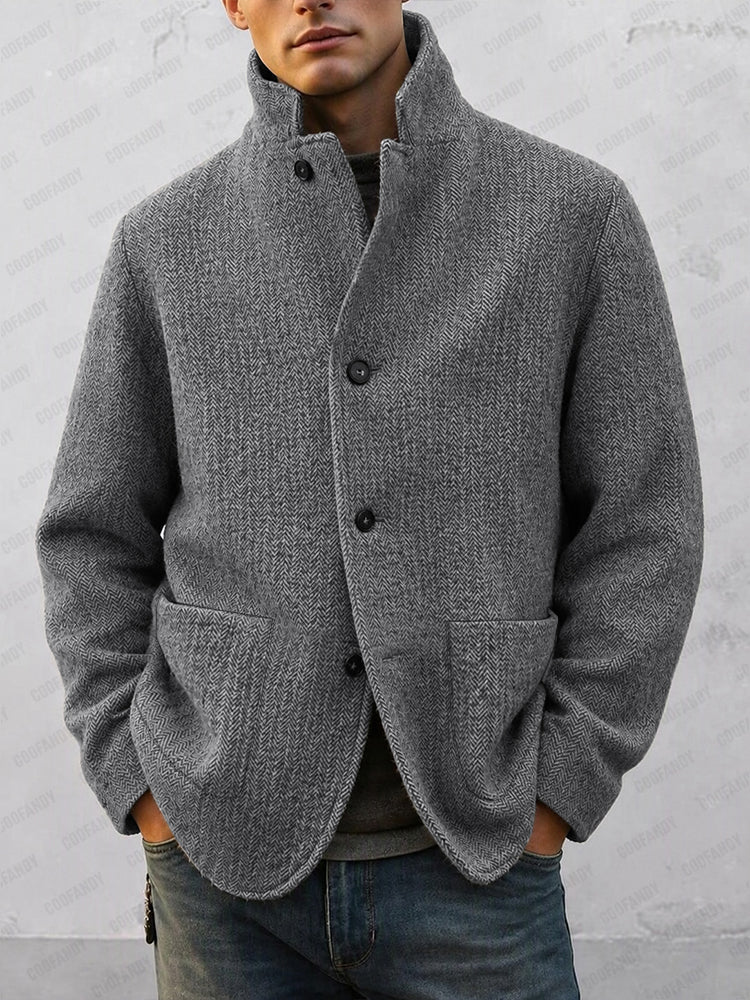
The grunge lane starts with visible layering: a band or plain tee, an open flannel or knit overshirt, relaxed jeans and boots or canvas sneakers. Compare the two top lengths so you can see the layering you intended.
A longer outer shirt can frame the tee, while a shorter one exposes more of the waistband. Neither requires the rest of the outfit to be narrow.
- Choose layer weights for the day. A tee and overshirt may be enough in mild weather; a hoodie can join them when you need it and the outer layer has room.
- Muted reds, greens and browns make easy combinations, but brighter plaid can work too. The dress-and-boot contrasts in women's grunge styling show another use of the same layering idea: a softer base beside a more substantial outer layer.
Record-store visit and coffee
The Minimalist Comfort Layering Undershirt combines a solid color and simple lapel collar with a 65% polyester, 30% rayon and 5% spandex fabric. The small collar gives an underlayer more definition than a crewneck tee. For a record-store visit followed by coffee, wear it beneath an open flannel with faded straight jeans and lace-up boots. Settle the inner collar inside the flannel opening so the two edges remain distinct. This version softens the basic grunge formula with an extra collar; a plain tee gives a quieter neckline when you prefer less detail.
Compare the base tucked and untucked, checking whether the two hems separate where you want them to. Pick a flannel color that works with the jeans, then repeat a dark note in the shoes or bag if useful. Reach forward and bend your elbows with both layers on; the armholes should leave enough room for the combination.
For errands afterward, canvas sneakers can replace the boots. Indoors, remove the flannel: the collared base and faded jeans retain the layered outfit's quieter colors.
Lane 2: Streetwear and athletic
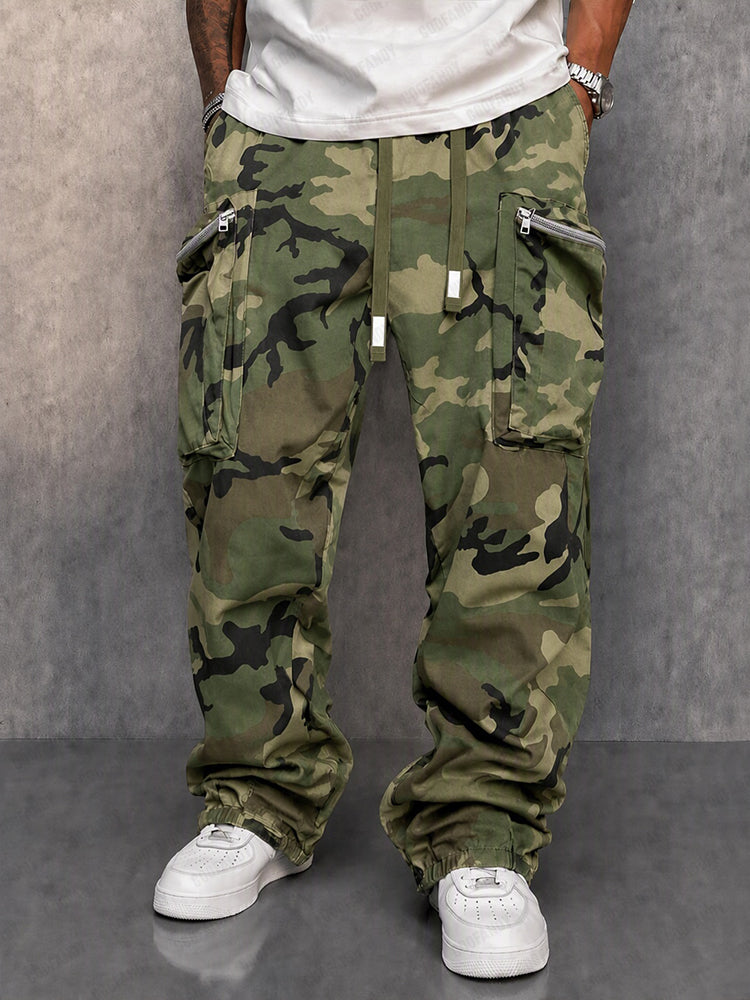
Athletic styling gives you zip tops, tees, relaxed trousers and sneakers to combine. Contrast piping can outline the upper body, while a partly open zip reveals a second color beneath. Cargo pockets add another shape at the leg.
Keep the colors close for a quieter result, such as a navy zip top with dark cargos and grey runners. A saturated blue or red jacket over a white tee gives the same sporting shapes more contrast. The trouser pockets provide detail below, so a plain cap and a small watch are enough to repeat the casual finish near the face and wrist.

For a weekend walk and informal lunch, add the Thermal Cashmere Baseball Cap to a track top, tee, straight cargos and retro runners. The cap is 100% viscose, with an adjustable strapback and a 54–60 cm circumference. Its sporting shape connects the outfit with the baseball caps and sportswear worn in the decade. Repeat the cap color in the zip top, then keep the trousers plain to leave the upper half clearly coordinated. A white tee visible through the zip gives the darker pieces a narrow central contrast.
- Choose the outer layer for the weather, then use a repeated color to connect the cap with the clothes. The cap adds a headwear detail; the rest of the outfit can remain familiar.
- Leave the zip top partly open if you want a narrow line of tee through the center, or fasten it for a more continuous top shape. Set cargo hems clear of the runners and check that loaded pockets do not pull the leg out of place.
- Try the cap with your usual glasses and outerwear collar so the fit stays comfortable around the ears and neck. A brighter top is an option, and additional jewelry or a bag can join it when they suit your plans.
At a friend's kitchen table, remove the zip layer; the tee, cap, trousers and runners retain the sporting reference. For actual training, change into suitable exercise equipment.

Lane 3: Clean preppy
Polos, collared knits, vests and chinos give the preppy lane a defined neckline and relatively simple lower half. It can be more tailored or more relaxed according to the cut.
A roomy polo with dark denim works differently from a tucked polo with pressed chinos, but both let the collar do some of the styling work. Use your actual workplace dress code to decide whether either belongs at the office.
For a casual office day or family lunch, wear the Beathable Corduroy Polo Shirt with straight tan chinos and loafers. The 65% cotton and 35% polyester corduroy fabric puts texture across the torso, while short sleeves and a half-zip collar keep the outline simple. That defined neckline gives a 90s men outfit a preppy emphasis without a jacket and tie. Leave the zip partly open and use a plain belt with a tucked hem; a loose hem gives the same chinos a more relaxed finish. A simple watch is enough to connect the smaller details.
- Compare the tan with the shirt, or try darker trousers if they give the contrast you prefer. A belt can repeat the shoe color when visible; it does not need to be part of an untucked version.
- Wear the collar as you like and try the hem tucked and loose. A longer hem may bunch when tucked, while a shorter one can reveal too much when you reach overhead; the practical fit check is more useful than prescribing one treatment.
- Set the chino length with the loafers on, and add an overshirt or jacket for the journey if needed. A cap can make the outfit sportier, while a simple bag can keep the emphasis on the polo's surface.
For groceries before lunch, sneakers can replace uncomfortable loafers. The polo and chinos still carry the preppy reference; tucking is optional.

Lane 4: Late-90s minimalism
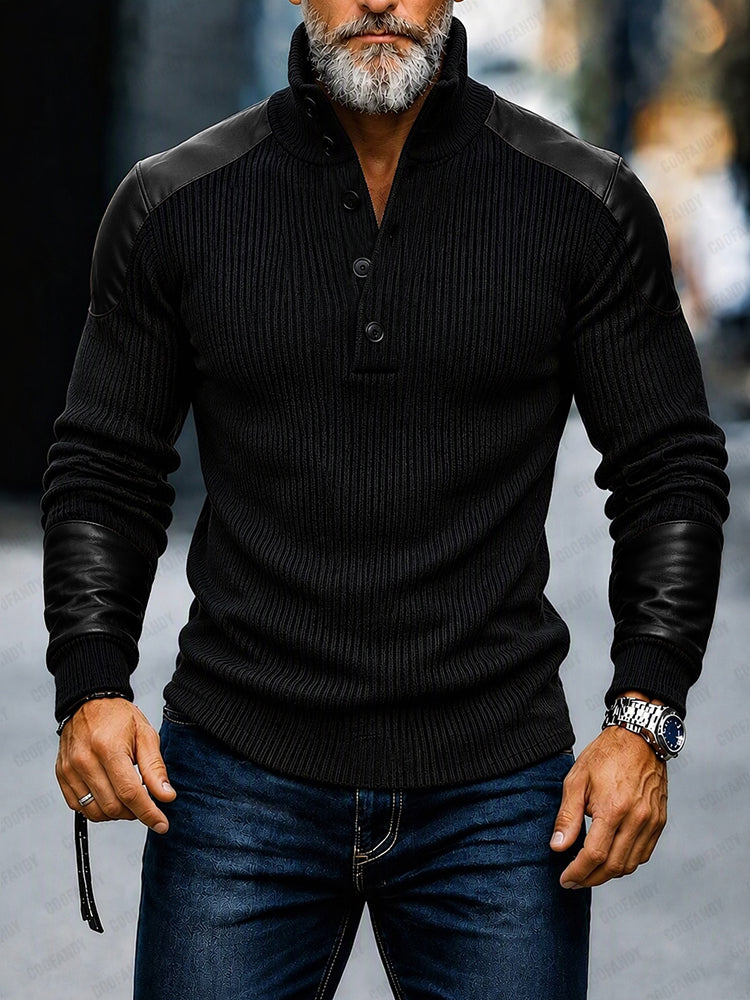
For a restrained interpretation, work with a plain knit, straight dark denim or trousers and simple footwear. Similar colors let differences in surface become more visible, while a contrasting underlayer gives the neckline definition. This combination also works without an obvious decade reference; that is useful if you want clothes that move between a retro outfit and the rest of your wardrobe.
The Versatile Soft Cross Turtleneck Undershirt has long sleeves and a crossing high neckline in a 92% polyester and 8% spandex fabric. The neck detail provides a small focal point within an otherwise plain top. For a cinema date or casual dinner, wear it with dark straight jeans, an open solid overshirt and ankle boots. Related dark tones keep the crossing line visible without a graphic. A plain shoulder bag completes the combination; the denim keeps the outfit casual.
- Choose whether the underlayer blends with the overshirt or gives a small tonal contrast. No additional graphic is needed to make the neckline visible.
- Check that the overshirt has enough room to close without pulling, even if you plan to leave it open. Compare the base tucked and untucked, and remove the outer layer if you prefer the simpler shape.
- A high neckline should sit comfortably when you turn your head and look down; if it feels restrictive, a lower-neck knit can serve the same understated approach. Set the jeans near the boot top rather than letting the hem catch under the heel.
Keep the overshirt removable for a warmer cinema and the journey to dinner.

90s vs Y2K: how to tell them apart
Think of these labels as overlapping reference groups rather than separate wardrobes. FIT's 2000–2009 overview identifies futuristic black-and-silver menswear and thin square sunglasses at the start of the millennium, alongside the continuing importance of sportswear such as tracksuits, polos and cargos. Compare that with the 1990s overview's flannels, jeans and athletic clothing: the shared categories are as important as the differences.
| Question | A 90s reference might emphasize | A Y2K reference might emphasize |
|---|---|---|
| Which look within the period? | Grunge layers, sportswear, preppy or minimal clothing | Futuristic details or early-2000s sportswear |
| What surface stands out? | Plaid, denim, knit texture or a track fabric | Reflective accents, contrast panels or glossy surfaces |
| What is the trouser shape? | Straight, relaxed or wide, depending on the reference | Wide, bootcut or low-slung, depending on the reference |
| Which accessories connect it? | A cap, simple watch or layered knit detail | Angular frames or reflective hardware |
| What overlaps? | Denim, athletic clothing and casual layering | Denim, athletic clothing and casual layering |
For a quieter 90s grunge direction, an open flannel, tee and faded jeans give you a clear combination. Exchange the flannel for a glossy zip top and add angular frames, and the emphasis moves toward the futuristic side of Y2K outfits for men. Keeping the same jeans through that change makes the overlap visible.
Neither a synthetic fabric nor a lower waistband determines the date of an outfit on its own.
Fit checks for a 90s men outfit
Choose the amount of volume first, then check how the lengths support it. A broad trouser leg can sit below a shorter top or continue a roomy silhouette under a longer shirt. An intentionally dropped shoulder does not need to be moved back to the shoulder point.
What matters practically is whether sleeves cover your hands more than you want, hems catch under shoes or fastenings restrict movement. Adjust those issues without assuming every relaxed cut needs narrowing.
| Check | What to try | What to observe |
|---|---|---|
| Movement and hems | Try the complete outfit seated, walking and with your bag. A cuff can shorten denim temporarily, while a permanent hem may be more convenient for trousers you always wear with the same shoes. | If you rotate between thick-soled sneakers and low loafers, recheck the length for both. Compare the outline before and after adding a jacket, because an extra layer can change the balance more than another accessory does. |
| Wardrobe versatility | For a realistic wardrobe test, use the same jeans in two lanes before buying anything. An open flannel and canvas sneakers make one combination; a polo and loafers make another. | Notice whether the change of shoe alters the hem and whether either top needs a different rise. That comparison identifies a specific fit issue or missing piece more clearly than replacing the whole outfit to match a reference photograph. |
When a 90s men outfit needs rebalancing
If the layers obscure a detail you like, move them before replacing the whole outfit. Open the flannel to reveal the tee, shorten a visible underlayer or try the vest over a plainer shirt.
Multiple era references can work together; repeating a color or leaving a clear neckline can connect them. You can also simplify the combination when you want a quieter result, without treating the fuller version as a mistake.
- For mixed 90s and Y2K references, look at the actual relationship between shapes. A sporty trouser and flannel may connect through a dark base color, while reflective shoes can repeat a zip detail above.
- If the combination feels too varied for your taste, change the piece with the strongest contrast and compare again. Fit, movement, color and the setting are more useful guides than counting which decade each garment belongs to.
Everyday Menswear from COOFANDY
COOFANDY began in 2015 and offers shirts, suits, pants, sweaters and tees within its core menswear collection. Its approach to everyday dressing spans work, family and social occasions, including college, careers and weddings. Confidence through clothing is the common thread across those settings. That breadth is useful for a wardrobe built around repeat wear: a collared top can work for lunch with chinos, then join jeans and an overshirt on a quieter weekend.
The four choices here put that idea into different parts of a 90s-inspired outfit. The lapel-collar base adds a second neckline under flannel, the cap gives sportswear a coordinated finish, and the corduroy polo carries the preppy route through texture. The cross-neck top keeps the minimal formula focused near the face. Start with the lane that suits your day, then use familiar trousers and shoes to complete it rather than assigning every item to a separate decade wardrobe.
Conclusion
A 90s men outfit can begin with layered flannel, athletic clothing, a polo and chinos, or an understated knit with dark trousers. Use the four lanes to compare possibilities, then borrow between them where the pieces work together.
Keep the relaxed shapes you enjoy, adjust lengths for your footwear and choose additions for actual gaps in your wardrobe. The Y2K boundary is a gradual change in emphasis, not a rule against mixing familiar clothes. For another layering option, explore COOFANDY men's shirts and compare the collars, textures and lengths with the trousers you already wear.
FAQs
Choosing the reference
What makes a 90s men outfit work? A recognizable combination of relaxed straight cuts, visible texture, and one clear reference, such as an open flannel, a polo, or a layered turtleneck. The four lanes offer different combinations; you do not need to combine all their signatures.
How is 90s style different from Y2K for men? Use the overall mix of silhouette, finish, and details rather than one fiber label. Matte layers and straight jeans can suggest a 90s reference, while glossy surfaces and low-slung styling can suggest Y2K. The periods overlap, and neither fabric nor waistline dates an outfit on its own.
Can a 90s men outfit suit the office? Where the dress code allows it, the preppy and minimalist formulas are the easiest starting points: a polo with chinos or a turtleneck with straight dark trousers and plain footwear. Use your workplace's rules to decide whether denim or an overshirt is appropriate.
Jeans and wardrobe choices
What jeans work in a 90s men outfit? Straight-leg jeans in a wash you like are a useful base. Keep enough room to sit and walk, and set the hem so it does not drag. A cuff is an option for changing the length; a wider leg can give a roomier silhouette when that is what you prefer.
Does a 90s men outfit need vintage pieces? No. Existing clothes can provide the shapes and layering relationships. Vintage and newer pieces are both options; compare their measurements, condition and fit individually. Start with combinations you can already make before deciding which additional item would be useful.
References
- Karina Reddy, “1990–1999,” Fashion History Timeline, Fashion Institute of Technology. Supports the discussion of casual menswear, oversized flannel and tee layering, jeans, patterned knits, baseball caps and sportswear.
- Karina Reddy, “2000–2009,” Fashion History Timeline, Fashion Institute of Technology. Supports the comparison with futuristic black-and-silver styling, thin square sunglasses and continuing sportswear including tracksuits, polos and cargos.


Laissez un commentaire