










Halloween Blazer Outfits that Still Look Grown-Up

A Halloween blazer outfit starts with complete clothes you want to wear: a shirt or knit, trousers, suitable shoes and a jacket that fits over the chosen top. Add one seasonal color, an interesting jacket surface or an agreed character detail. That gives you a deliberate outfit without requiring a different accessory on every part of your body.
By “grown-up,” we mean considered on your terms, not quiet by obligation. You can enjoy a bright jacket or an elaborate costume at any age. This guide is for the evening when you want a blazer to organize the look, with a clear plan for dinner, the gathering and the moment the jacket comes off.
Give the Blazer One Halloween Job
Decide whether you want festive everyday clothes or a character costume. A dark blazer over a burgundy shirt is a color-led evening outfit. A blazer worn as part of a host-approved fictional character is a costume proposal. The same jacket can support either plan, but its presence does not settle which one the invitation requires.
Ask the host when the wording is unclear: “Are seasonal clothes welcome, or should I portray a character?” Check the venue's requested clothes too. If a shirt and tie are specified, build around them. If a suit or tuxedo is requested, do not substitute separate trousers and a blazer without confirming that exception. A Halloween theme is an addition to those instructions.
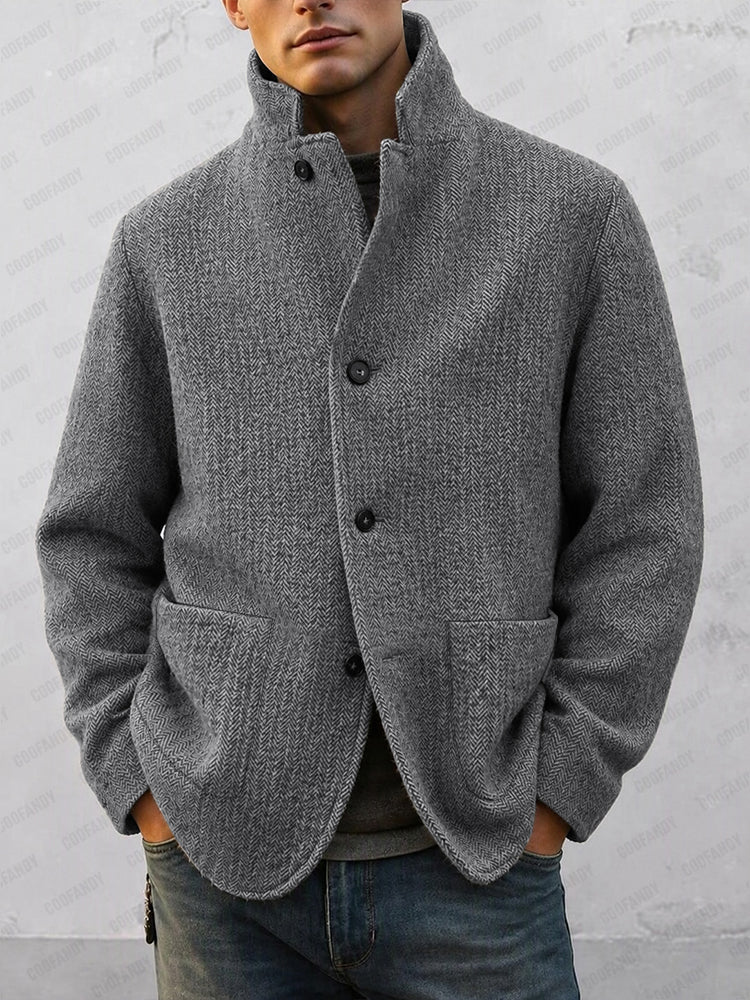
Next, choose the jacket's visual job. A plain dark blazer can frame a colored shirt. A more noticeable jacket can be the main detail over a simple base. A jacket used for a character should support that concept without collecting unrelated props. Pick one direction first; you can compare another after seeing a complete outfit.
We would start with a blazer already in your wardrobe. Put it beside the trousers and shoes you intend to use. If those clothes do not make an outfit you like before the festive addition, correct the base rather than hoping an accessory will connect it. For the general colors around that base, our fall color guide offers neutral-and-accent combinations.
Three Complete Blazer Outfits
These are styling proposals for settings where the stated clothes are welcome. Choose the one nearest your plans, then resolve the uncertain garment or costume detail before leaving.
Dinner: a dark blazer and a burgundy shirt
Try a plain dark blazer, a burgundy collared shirt, charcoal trousers, dark socks and black dress shoes. Leave the shirt as the only strong color while you judge the combination. Add suitable travel outerwear separately. This is a festive evening outfit rather than a named character, so use it when themed everyday clothing is accepted.
Compare the shirt with the blazer open and closed. If a long untucked hem extends below the jacket and you dislike the proportion, try a tidy tuck with trousers that accommodate it, or another shirt length. Do not bunch excess fabric behind the waistband just to make the front appear smooth. Sit down before deciding that the tuck works.
If the burgundy shirt feels too prominent, keep the jacket, trousers and shoes but switch to a plain light shirt and one burgundy pocket detail you already own. If the venue requires a tie, add the required tie rather than treating an open collar as the point of the outfit. For dinner plans beyond this jacket-led formula, see our fall date night guide.
Casual gathering: a contrasting base and a quiet jacket
Where casual separates are allowed, try a charcoal blazer over a plain ivory crewneck top, straight dark jeans, dark socks and clean familiar sneakers that the venue permits. Let the pale top against the dark frame provide the contrast. Keep novelty accessories out of this particular proposal; the Halloween connection is restrained and may be less obvious than a seasonal graphic.
Try the crewneck on its own before adding the blazer. If you would not want to remain in that top and jeans indoors, choose another base. If the shirt underneath shows at several competing hems, remove the unnecessary layer or use a better length. A jacket that looks right only while you hold its fronts together needs a different combination.
If sneakers or denim are not allowed, replace them with accepted shoes and trousers, then repeat the outfit check. If you want a stronger seasonal cue, change the ivory top to rust or burgundy instead of adding several props. That remains ordinary themed clothing, not an automatic answer to a costume-required invitation.
Character gathering: a fictional gallery curator
If the host accepts a fictional gallery-curator idea and permits a small character card, try a dark blazer, plain light shirt, contrasting dark trousers and dress shoes. Use a removable card with an invented gallery and character name, clearly presented as your costume rather than a real credential. The card is the proposed identifying detail; the clothes provide a reusable base.
Agree on the idea before relying on it. A card does not guarantee recognition, and a host may want a more specific character. Avoid suggesting an affiliation with a real institution. If the detail is rejected, choose another accepted concept instead of assuming the ordinary blazer outfit meets the costume requirement by itself.
Try the card where you intend to attach or carry it without damaging the jacket. If it catches on the lapel or requires an awkward fastening, use a permitted holder you can remove, or change the concept. Keep a place for it in your bag when it comes off. No prop artwork or large frame is needed for this proposed outfit.

Choose the Surface Before Adding Accessories
A distinctive blazer can do the visual work that another outfit gives to a colored shirt. Try it first with a plain top and trousers, then decide whether anything else is missing. A noticeable jacket does not require a matching novelty tie, hat and pocket square. Equally, a restrained blazer does not forbid a more expressive shirt if that is the direction you enjoy.
Our Velvet Slim Fit Solid One Button Blazer (US Only) is one optional jacket to compare. Its description identifies velvet fabric, a single-breasted one-button closure, side flap pockets and cuff button decoration. Those details do not specify a complete fiber composition or establish how the blazer will fit over your chosen clothes.
Use the current selected color and product images when planning around this example. The generic dark and burgundy recipes above are combinations to try, not claims that this particular blazer comes in either shade. If your selected jacket is already the strongest color in the outfit, keep the top neutral while comparing the result.
Check the care label before committing to a new jacket and ask us about unclear instructions. Do not assign one cleaning method to every velvet garment. Also keep the travel decision separate: the jacket's surface and party styling do not promise warmth or rain protection for the journey. A practical coat can cover the whole look outside and come off when you arrive.

Fit the Clothes Around the Jacket
Put on the intended shirt or knit first, then the blazer. Check the shoulder line, lapels and sleeves before adding a costume detail. If the collar or neckline bunches against the lapels, compare a simpler base. If the sleeves drag because the knit gathers inside them, try a thinner top or another jacket combination rather than pulling the cuffs into place repeatedly.
Close the front during the trial, even if you prefer wearing the jacket open. If the closure produces a strong pull that you dislike, identify whether the blazer itself is too close or the new layer is creating the problem. Compare the jacket over a familiar shirt. A jacket that fits that shirt but crowds a substantial sweater may need a different base, not an automatic size increase.
Use the selected product's chart and measuring instructions when comparing sizes. Going larger can change the shoulders, sleeves and body together; it is not a precise correction for every layering problem. If the fit remains uncertain, ask for clarification before buying. “Slim fit” names a cut direction, not your size or a guarantee that the jacket will accommodate your wardrobe.
Then examine the trousers with the actual shoes. If the hem piles over the shoe or the jacket and trouser waist look awkward together, try another trouser length or rise. Keep the footwear requirement intact while making that change. You do not need to swap accepted dress shoes for sneakers merely because the jeans looked better in an inspiration photograph.
Finally, sit, reach forward and put your ordinary essentials in the pockets you expect to use. If a full pocket distorts the jacket front, move an item to a permitted bag or another usable pocket. Do not rely on decorative pocket styling as proof of storage space. Repeat the trial with the travel coat over the blazer; separately fitting pieces may still crowd one another when combined.
Make the Jacket-Off Version Deliberate
Lay the blazer aside during your trial and name what remains. In the dinner proposal, that is the burgundy shirt, charcoal trousers, dark socks and dress shoes. The color stays visible. In the casual proposal, it is the ivory top, dark jeans and permitted sneakers; you may be happy for the Halloween reference to become quieter indoors.
If the jacket was your only festive feature and you want the mood to remain, move one small seasonal detail to the base or change the top before leaving. Avoid decorating both layers just because one might come off. Our fall layering guide develops the broader method of checking each remaining outfit.
The character proposal needs a separate check. If you remove the blazer but retain the accepted character card over the light shirt, ask whether that version still meets the host's concept. If the jacket itself is essential, plan to keep it on where required or agree on another costume. Removing an inconvenient layer can leave suitable clothes while also removing the identity the invitation asks for.
For two stops, decide when the card or other removable detail appears and where it goes afterward. If the second destination does not allow it and does not require a costume, pack it away and wear the ordinary outfit. If the second stop requires a costume too, resolve that conflict in advance. A storage pouch solves carrying; it does not grant costume permission.

Use the Blazer Again After Halloween
Choose a second outfit before deciding you need a new jacket. For the dinner look, wear the blazer again with a plain shirt, contrasting trousers and the same appropriate shoes, omitting the seasonal pocket detail. For the casual look, switch the ivory top to another plain top you already like, keeping the jeans and sneakers where suitable. No character explanation is needed for either ordinary outing.
For the fictional-curator proposal, remove the character card and inspect the underlying clothes as an everyday dinner outfit. If you would never choose that shirt and jacket together without the costume, consider another existing base. Reuse is a preference, not a requirement: an expressive one-event purchase can be deliberate too, provided that is what you want.
Browse our Men's Party Outfits collection only after naming the missing garment. Check the exact product chart, selected option and current delivery information; a US Only label is not an arrival promise. Keep a complete outfit from your wardrobe for a date-sensitive event. Settle the base, choose the festive job and stop adding when the outfit does what you intended.
Frequently Asked Questions
Can a blazer count as a Halloween costume?
A blazer can be part of a character costume the host accepts, but it does not identify a character by itself. Confirm the concept and its permitted identifying detail. For gatherings that welcome festive everyday clothes, a blazer with a seasonal-colored shirt can be enough without being a costume.
Can I wear a T-shirt under my Halloween blazer?
Yes, where the venue permits that casual base. Choose a top you also want to wear without the jacket and try the neckline, sleeves and hems together. If a collared shirt or tie is required, follow that requirement instead of assuming the blazer makes a T-shirt acceptable.
Do I need to size up the blazer for a sweater?
Not automatically. Compare the intended sweater with a familiar shirt under the blazer, then check shoulders, lapels, sleeves and closure while sitting and reaching. Try a thinner base if only the sweater causes crowding. Use the individual size chart before changing jacket size.
About COOFANDY
Founded in 2015, COOFANDY is a menswear brand created for modern men navigating work, weekends, celebrations, and everyday life. Its collection includes shirts, suits, pants, sweaters, and tees designed to help men build versatile, confident looks for different moments and personal styles. Guided by the belief that clothing can reflect confidence and character, COOFANDY focuses on making approachable menswear part of every stage of life.
COOFANDY in the Press
- Is COOFANDY Worth It? The $20 Shirt Test vs. Ralph Lauren, Express and 8 More Menswear Brands
- Best Picks: COOFANDY Shirts & Suits for Commuting, Vacation, and Wedding Season
- From Amazon Basics to 70M+ Customers: The COOFANDY Story Adds a New Chapter with Walmart Distribution



Laissez un commentaire