








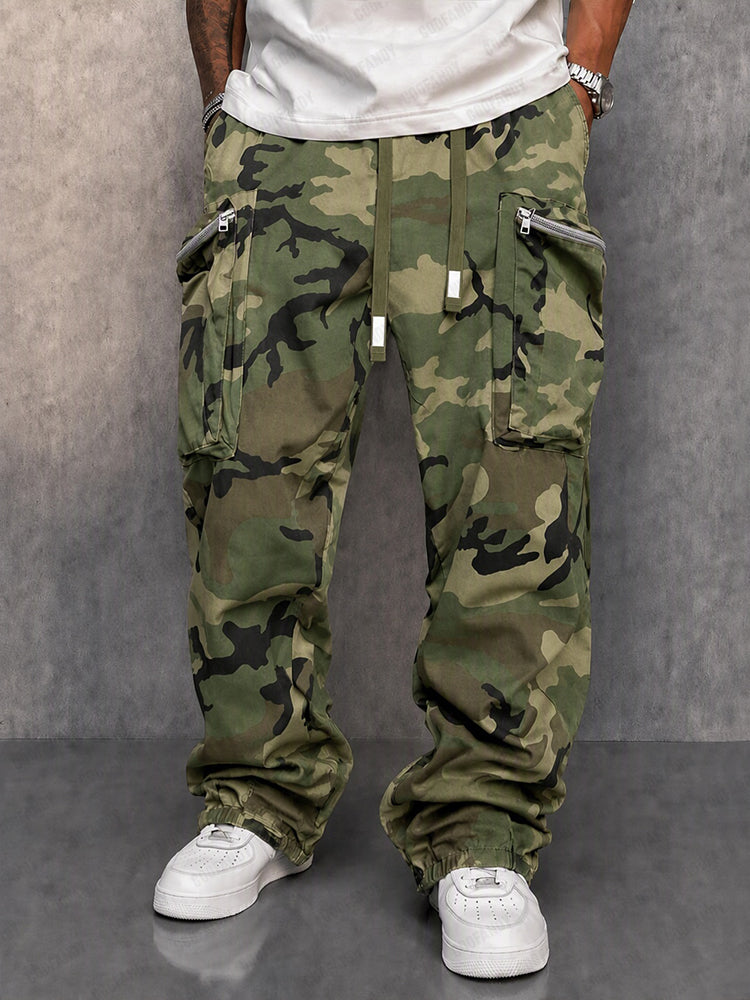
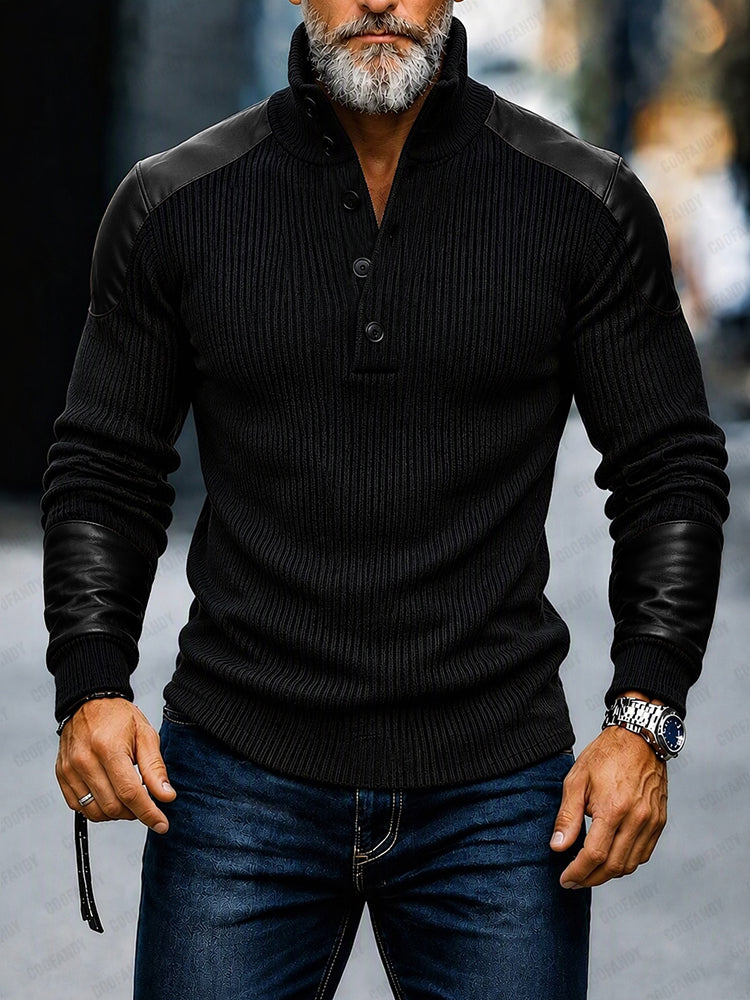
Men's Holiday Party Attire Explained

Choose men's holiday party attire from the invitation's actual clothing request, then add the festive detail. "Holiday party" alone does not tell you whether to wear a sweater, blazer or suit. Read the host's message and venue instructions before deciding how dressed up to be.
Once you have that answer, build one complete outfit, including shoes. Our Signature blazer example below belongs to the separates option, not every party. If the invitation specifies a suit or formalwear, begin with that request instead of trying to make a favorite jacket substitute for it.
Separate the Theme From the Dress Request
Read the invitation twice: once for what you must wear, and once for what you might enjoy adding. A theme gives you an idea to interpret; an explicit clothing request gives you something to follow. If the wording does not make the difference clear, ask rather than deciding which part to ignore.
For example, imagine a message saying, "Holiday dinner, matching suits requested, a festive accessory welcome." Build the suit outfit first. The accessory is an optional addition, not permission to replace the suit with a novelty sweater. Conversely, if a friend explicitly invites everyone to a casual sweater gathering, there is no reason to invent a suit requirement.
Check the practical details in the same pass: who is hosting, where you will be, when you arrive and whether the evening moves elsewhere. Separate what the invitation actually states from what you have inferred from photographs or the venue's name. Keep unanswered questions short enough that the host can resolve them.
Choose the Branch Before the Outfit
Use one of these starting points after confirming the request. These are proposed outfits for the stated situations, not universal definitions of holiday dress codes.
| What the host has confirmed | A complete starting point | What to settle next |
|---|---|---|
| Relaxed clothes are welcome | Plain navy sweater, stone chinos and clean lace-up shoes | Whether those shoes and trousers work for the planned activities |
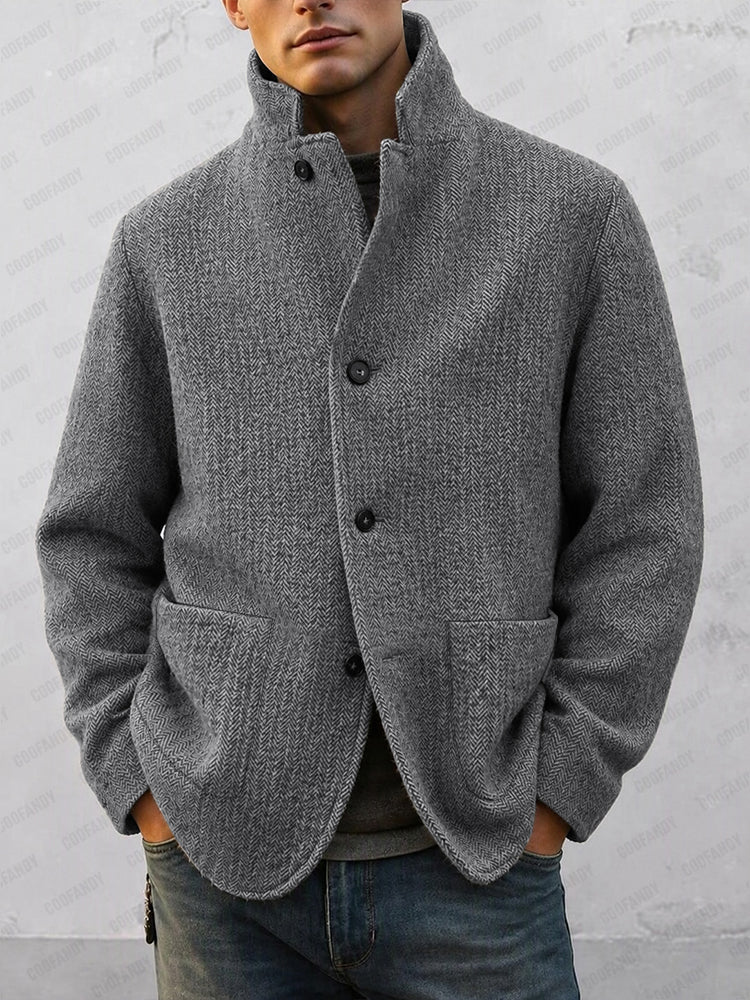
| A jacket with separate trousers is welcome | Signature peak-lapel blazer, plain shirt, charcoal trousers and dark leather shoes | Shirt neckline, jacket-off appearance and any specific footwear request |
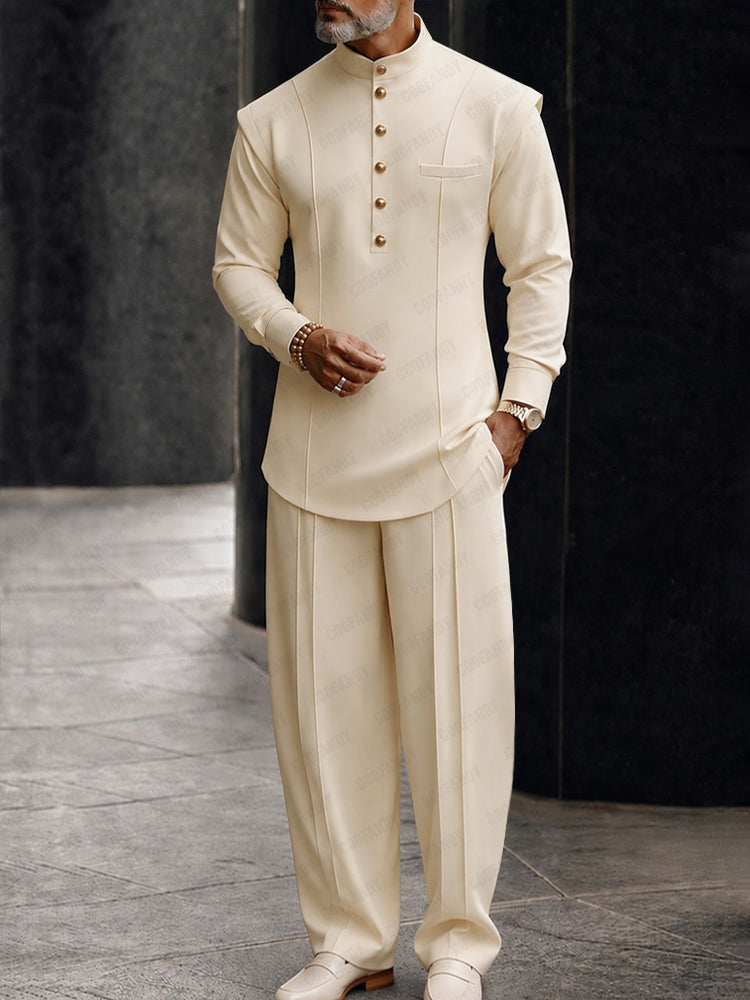
| A matching suit or named formalwear is requested | The requested suit or formalwear, with its shirt and shoes planned together | Any unclear garment or accessory requirement, directly with the host |
Choose the row before shopping. If the first row fits your invitation, try the sweater you own with the actual trousers and shoes. If the second row fits, assemble the whole jacket outfit before choosing a pocket square. If the third fits, do not treat a separate blazer as the same decision with fewer pieces.
A useful test is to describe your planned outfit in one sentence. If you cannot explain how it meets the request without saying "but the theme is festive," resolve the mismatch first. Accessories cannot answer an unanswered clothing requirement.
Style a Signature Jacket When Separates Fit
For the permitted-separates option, try our Signature peak-lapel blazer. It is a wool-blend jacket with a peak lapel. Start with a plain white shirt, charcoal trousers and dark brown leather shoes; use an open collar only where the host's request allows it.
Try that combination in a full-length mirror with the shoes on. Look at the amount of shirt showing at the neckline and the trouser break you prefer. Then sit and reach forward. If one piece feels restrictive, compare another size or cut before trying to solve it with accessories. This is a fitting step for your own outfit, not a promise that any jacket will suit every wearer.
Take the jacket off and assess the shirt-and-trouser base as well. If you do not like that combination on its own, change the base now rather than hoping to keep the jacket on all evening. If the invitation requires a tie or different footwear, make that choice before treating the outfit as finished.
The COOFANDY Signature story and Signature collection offer context for the series. For this party, keep your selection specific: one jacket that has a clear job in the outfit you are actually allowed to wear.

Add One Festive Detail You Can Remove
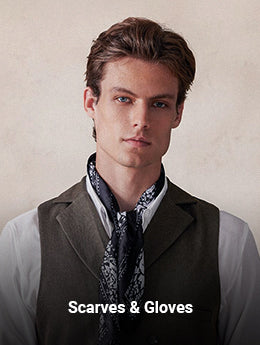
Once the base meets the invitation, choose one personal detail to try. A patterned pocket square with the jacket or a colored scarf for arrival are options. Neither is compulsory. Compare the outfit with and without the addition, and keep it only if you like the result.
Give a removable detail somewhere to go. If you bring the scarf, allow space in your bag or ask where coats and scarves can be left. If you choose a pocket square, check that you like the shirt and jacket without it too. You do not need to carry several alternatives to make the evening feel festive.
If the host specifically requests a themed garment rather than an optional accessory, treat that as a separate instruction. Ask how to combine it with any stated dress requirement. Do not assume a small accessory satisfies a request that clearly names something else.

Resolve Mixed Messages With One Specific Question
Avoid asking only, "How fancy is it?" Give the host a concrete choice to confirm. Try: "Would a blazer with separate charcoal trousers and an open-collar shirt fit the plan, or would you prefer a matching suit?" Add a footwear question only if that is still unclear.
If two messages conflict, quote the actual difference: "The email mentions a festive sweater, but the booking note asks for a suit. Which should I plan around?" You are asking for a usable answer, not making the host define a fashion term.
If you have not received a reply, follow any clear stated requirement rather than treating silence as permission to relax it. Leave optional decorations undecided until the necessary garments are settled. When an essential requirement remains unclear, keep asking the organizer; adding more outfit options will not resolve the missing answer.
Check the Outfit for the Whole Event
Put the complete outfit on before the day, including the intended socks, belt if needed and shoes. Sit as you would for dinner, stand as you would for a reception and try your outerwear over the top. Change a troublesome garment while you still have time to compare alternatives.
Check the route and forecast separately. Plan outerwear for the actual trip and any outdoor portion; do not infer weather protection from the blazer's name, construction or lapel. Confirm where you can leave your coat and whether a later stop introduces a different request.
The finished outfit should answer the invitation without relying on its festive accessory. Once the clothes, journey and optional detail all make sense, stop adding pieces. You have a party outfit, not a collection of holiday styling ideas competing for attention.

FAQ
Does festive attire mean I need a novelty sweater?
Not automatically. Check whether the host requests a specific themed garment or simply welcomes a festive detail. Build around any clear clothing requirement first, then choose an optional accessory if you want one.
Can I wear a blazer instead of a suit to a holiday party?
Only if the host permits separates. A separate blazer does not replace a requested matching suit or specified formalwear. Ask directly when the wording leaves that choice unclear.
What if the invitation only says holiday party?
Ask the organizer whether relaxed clothes, jacket-and-trouser separates or a suit are expected. Describe the outfit you are considering so they can give a concrete answer. The event name alone is not enough to decide.


Laissez un commentaire