








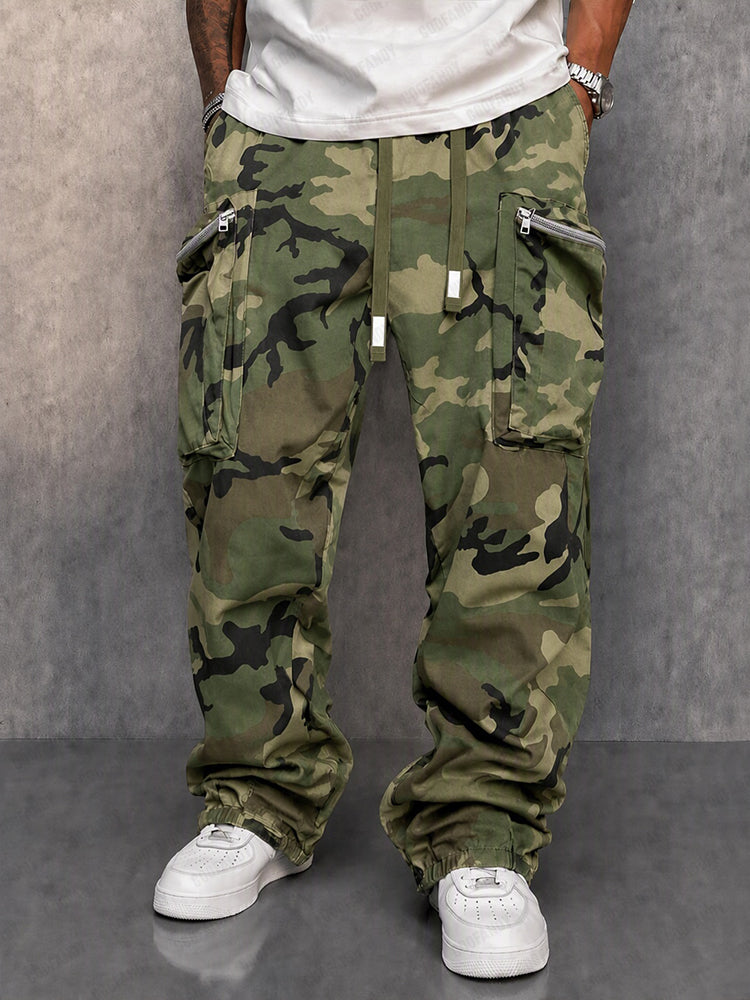
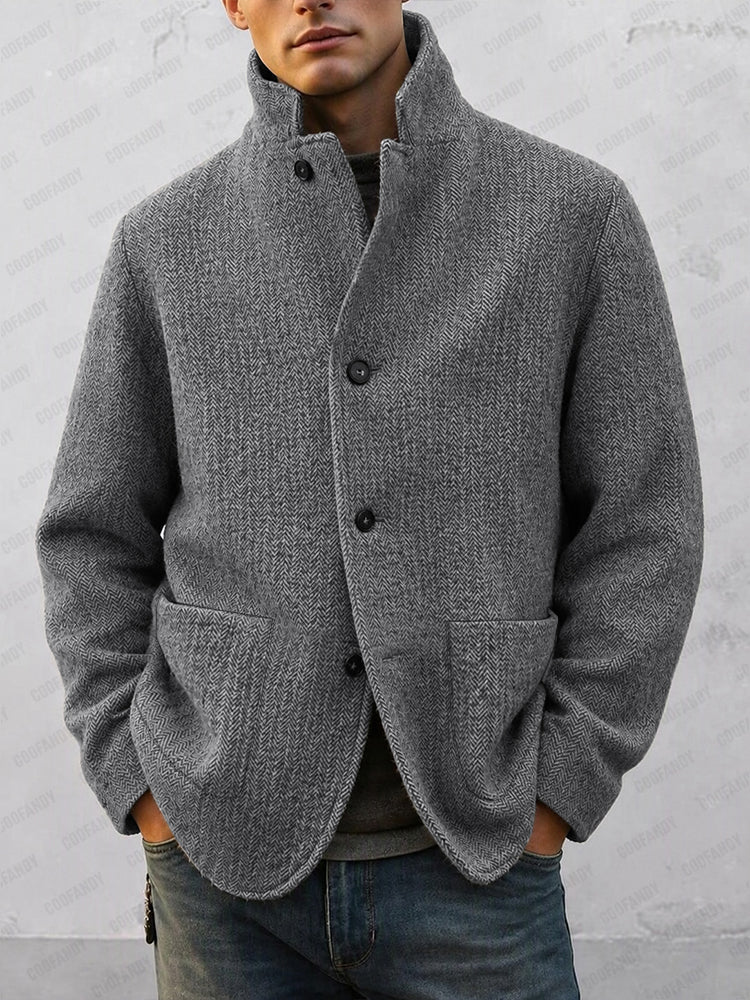
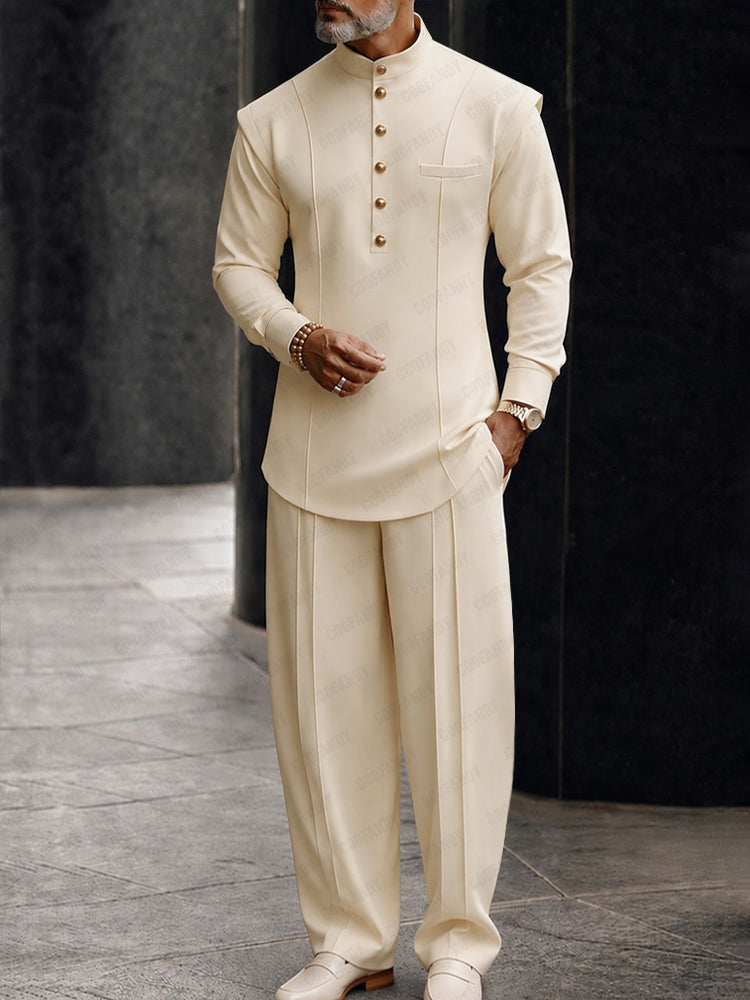
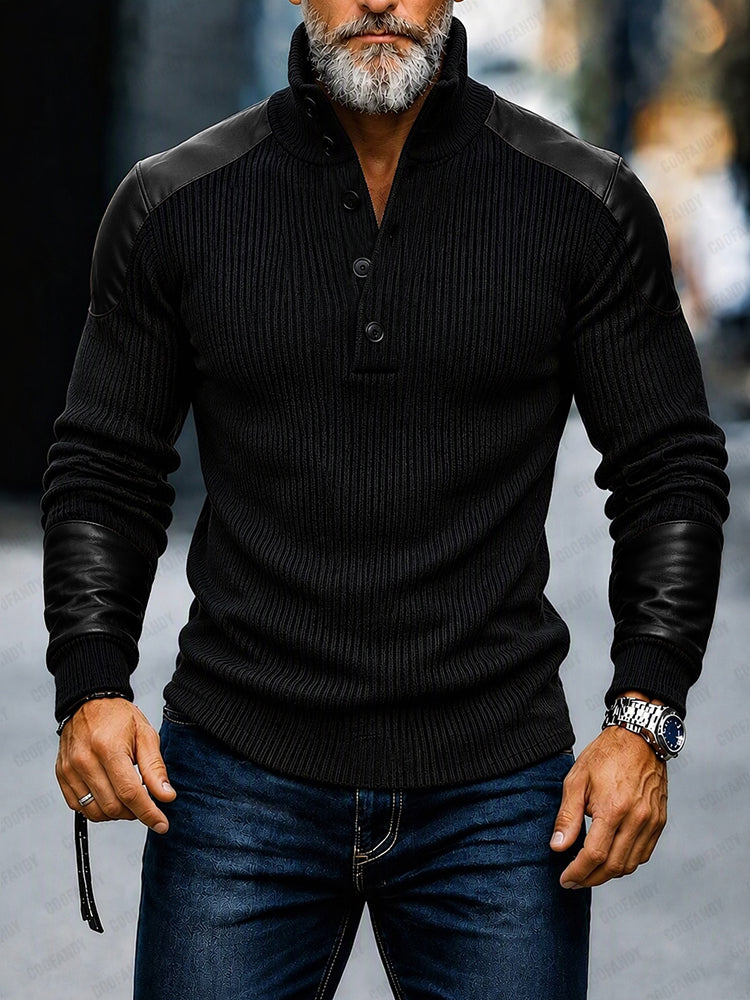
New Years Eve Outfits for Men Without a Tuxedo

Start with the invitation, host or venue rather than the New Year's Eve label. A bar or club, a dinner reservation and a party at home can ask for different outfit structures. “Without a tuxedo” describes your preferred direction; it does not cancel a request for black tie, formalwear, a matching suit or another defined category.
Use this order: identify the setting, confirm the event's clothing requirement, give the main garment a job, choose the supporting trousers and shoes, check the current product details and test the complete outfit in movement. If you cannot explain where the outfit belongs or what the host expects, pause before adding more festive pieces. A clear question is more useful than a last-minute guess based on the midnight countdown.
Start With the Invitation, Not the Midnight Countdown
The first question is not “How dressed up should New Year's Eve feel?” It is “What does this event actually ask guests to wear?” Read the invitation, event page, host message or venue information. If the wording is vague and the answer would change your outfit, ask a short question before you shop.
Separate the evidence into three columns:
| What you know | What it helps you decide | What it does not prove |
|---|---|---|
| The invitation's exact clothing words | Whether you need a jacket, separates, a matching suit or another category | That a particular product automatically meets the wording |
| The venue and event format | Which complete outfit to test first | That every person in the room will dress the same way |
| What you already wear successfully for similar plans | A familiar garment role and supporting pieces | That an unfamiliar silhouette will work without a try-on |
| The time, route and second stop | How the outfit needs to move between settings | A temperature, comfort or performance result |
“New Year's Eve party” can describe a quiet dinner, a ticketed club event, a house gathering or a formal celebration. The calendar gives you the date, not the dress code. A bar name does not automatically mean casual. A restaurant name does not automatically mean formal. A home address does not automatically mean that any outfit is acceptable.
Write the outfit's job in one sentence once the setting is clear enough. “I need a shirt and trousers for a home gathering with photographs,” or “I need a structured layer for dinner, then a walk to another venue,” gives you a usable brief. The sentence also creates a stop rule. If the proposed garment cannot perform the job with clothes and shoes you can verify, do not let a holiday color or accessory hide the gap.
Bar or Club: Check Movement and the Room
A bar or club plan usually has more movement between arrival, standing, sitting and leaving than a seated dinner. Start with the invitation or ticket information. Look for a stated dress phrase, a door policy, a private-room note or a host instruction. If nothing is stated, use the actual venue and your own wardrobe evidence as clues, while keeping the decision provisional.
Give the main garment a role before choosing a visible detail. A shirt can be the complete upper layer when the venue and the rest of the outfit support that choice. A blazer can create a more structured route when separates are allowed and the trousers, shoes and shirt already belong together. Neither garment is a guaranteed answer to an undefined door policy.
Build the bar or club test around movement:
- Check the shirt or jacket while standing with the trousers and shoes you will actually wear.
- Sit briefly, then stand without adjusting the hem, closure or waistband every time.
- Raise your arms and reach as you would when putting on or removing an outer layer.
- Walk in the shoes you plan to use and check that the full outline still makes sense.
- Decide whether the route includes a coat, bag or second stop that changes the complete outfit.
Keep the visible detail controlled. A darker base, one stronger color or one clear texture may be enough to signal the evening without turning the outfit into a collection of unrelated party ideas. Color comes after the invitation, garment role and supporting pieces. If the venue is unclear, a dramatic detail cannot solve the category question.
If the evening involves a long route or changing venues, name a specific fallback. That may be removing a layer, using a familiar pair of trousers or changing the shirt before the second stop. A fallback is useful only when you can test it as a complete outfit. Do not treat a product title, a holiday association or a fabric name as proof that the outfit will feel a certain way through the night.

Dinner: Let the Reservation Set the Structure
Dinner requires a closer reading of the invitation and venue. Check whether the reservation is at a casual table, a hotel dining room, a private room or part of a larger ticketed event. Ask whether the host has named a jacket, cocktail, formal or black-tie expectation. When the wording calls for a matching suit or tuxedo, a separate blazer is not an automatic substitute.
For a dinner without a tuxedo, compare three levels of evidence:
- The stated requirement: Follow the clothing category the host or venue actually names. “No tuxedo” is your preference only when the event permits another category.
- The room and schedule: Consider whether you will be seated throughout dinner, move to another room or continue to another event. That affects which layer and shoes you should test.
- Your existing wardrobe: Choose a shirt, blazer, trousers and shoes that you can inspect together. A new piece should fill a defined role rather than force every other item into a new system.
A blazer may be appropriate when the invitation and venue allow separates. The word “blazer” alone does not establish formalness. Check the shoulders, sleeves, closure, trousers and shoes together. If the event requires a matching suit, formalwear or black tie, follow that requirement or ask the host whether a different category is acceptable. Do not create a substitute simply because a tuxedo is outside your preference.
For a focused reference on checking the shirt information behind a possible dinner outfit, read How to Judge a Premium Men's Shirt Online. Use that page to inspect product-page details; let the invitation, venue and complete outfit decide whether the item belongs at the dinner.
The dinner route also needs a second-use check. Name one other specific setting where the shirt or blazer could work with the same trousers or shoes. If the only answer is “another party,” the role may be too vague. If the first outfit depends on a piece you do not own or cannot verify, pause before buying. A one-event decision can be valid, but it should be treated honestly rather than disguised as versatility.

Home Party: Keep the Outfit Intentional Without Overbuilding
At home, start with the host's expectation and the actual shape of the gathering. A small dinner, an open-house style visit, a family gathering and a crowded house party can all use the same address while asking for different clothes. Ask whether photographs, a meal outside the house or a second stop is part of the plan.
Use a familiar wardrobe role as the base. Keep trousers and shoes you already know how to combine, then change one visible element if the host or event calls for it. You might use a shirt with a cleaner outline, add a layer that works with the room and the photographs, or choose a different trouser-and-shirt relationship. Changing every piece at once makes it difficult to identify whether the problem is the garment, the proportion or the setting.
Test the complete home-party outfit while sitting, standing, moving between rooms and adding the coat you will use to leave. A combination that looks settled in a mirror may shift when you sit on a low chair, carry a plate or move through a crowded room. Those are checks on your actual outfit, not universal claims about a product or body.
If the home party is deliberately relaxed, do not add structure simply because it is New Year's Eve. If the host has asked guests to dress up, do not assume a casual shirt will answer the request just because it is not a tuxedo. Use the stated expectation as the gate, then choose the smallest change that gives the outfit a clear role.
Use Product Pages as Fact Sheets
After the setting and garment role are clear, read the current product page in the same order every time. Record the exact identity, visible design details, listed color options, composition and care instruction. Keep those fields separate from assumptions about fit, comfort, warmth, performance, formalness or suitability for every New Year's Eve event.
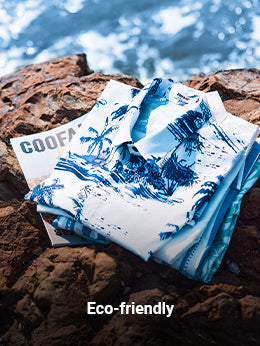
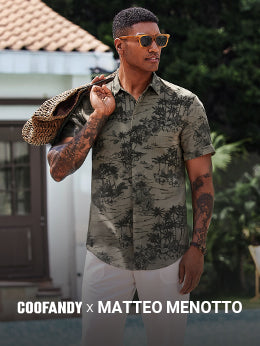
The current Vacation Casual Hidden Placket Linen Blend Shirt page lists a Cuban collar, hidden button placket with bartack stitching, short sleeves, side slits, back pleats and a straight hem. It lists Olive Green and Black options, a composition field and machine wash cold with like colors. Those are page fields you can compare with your invitation, wardrobe and care plan. They do not prove fit, comfort, warmth, performance, availability or universal party suitability.
The current Tailored Fully-Lined Peak-Lapel Wool Blend Blazer page lists an extended peak lapel, structured waist, crisp shoulder line, single welt chest pocket, two flapped pockets and fully lined construction. It lists Black and Gray options, a composition of 37% wool, 36% polyester, 25% viscose and 2% spandex, and professional dry clean only. These fields can help you inspect a structured layer against your dinner or home-party plan. They do not establish formalness, fit, comfort, warmth, stretch, performance, availability or suitability for a specific invitation.
Use the page to answer a narrow question: “Does this item have the visible role and care requirements I am prepared to verify for this setting?” Do not let the title answer a broader question about the night. Check the current size guide and measurements separately, and compare them with a reliable reference garment or your own measurements before purchase.
Build a Complete New Year's Eve Outfit
Join the setting, garment role and supporting pieces before deciding that the outfit is finished:
| Setting | First outfit route | Supporting-piece check | Stop condition |
|---|---|---|---|
| Bar or club | Shirt or permitted separate layer with trousers and shoes that can move through the venue | Stand, sit, reach, walk and add the outer layer | Venue or door expectation remains unclear |
| Dinner | Follow the invitation, then test the shirt, blazer, separates or matching category that it permits | Check jacket or shirt, trousers, shoes and the second stop together | You are substituting separates for a stated suit or formal category |
| Home party | Familiar base with one intentional change if the host or gathering calls for it | Test photographs, sitting, movement between rooms and leaving | Host expectation or garment role is unresolved |
The table is a route, not a ranking. A bar may require more structure than a home party. A dinner may allow a shirt or may require a matching suit. A home gathering may include photographs and a second venue. Let the actual setting decide which branch you take.
Before committing, name two complete uses for the main garment. The first is New Year's Eve. The second should be a specific dinner, gathering or travel plan, with trousers, shoes and any layer named. If you cannot complete the second use with clothes you already own or intend to verify, the purchase may be too narrow. Do not solve that problem by adding more accessories.
Color comes after the route. Check the trousers and shoes first, then decide whether the shirt or blazer should blend, contrast or carry the visible detail. Use colors you already know how to combine when the event matters. A holiday setting can support a stronger choice, but it does not require one universal shade.
Check the Outfit Before the Evening
Do one complete try-on before the event, using the actual base layer, trousers, shoes and outer layer:
- Stand normally and check the shoulder, chest, sleeve, hem, closure and waistband.
- Sit as you will sit at dinner or at home. Notice whether the shirt or jacket shifts into an unwanted shape.
- Walk the route you expect to take, including stairs or a short outside section when relevant.
- Reach, lift your arms and put on the coat or layer you will carry.
- Look at the outfit without the accessory or festive detail. If the base does not work, the accessory is hiding the decision rather than completing it.
For a focused shoulder reference when a blazer is under consideration, read How Should a Casual Blazer Fit Through the Shoulders. Use it as a fit-check reference, then perform the complete New Year's Eve test with your own shirt, trousers, shoes and layer.
If the issue is size, compare the current garment measurements and size guide before changing the styling plan. If the issue is a stated dress requirement, confirm the requirement before adding accessories. If the issue is a care instruction, check whether you can follow it for the actual use. A missing answer should lead to a question, a different garment role or waiting.

Know When 'Without a Tuxedo' Is the Wrong Brief
The no-tuxedo preference has a clear limit. Pause when the invitation requires black tie, formalwear, a matching suit, a uniform or another defined category that the proposed shirt-and-blazer route cannot provide. A blazer's lapel, color, lining or title does not override the host's request. A shirt's visible detail does not turn it into formalwear.
Also pause when the event itself is not sufficiently known. If you cannot tell whether the bar has a door policy, whether the dinner requires a jacket or whether the home host expects photographs and a second stop, ask before buying. The same pause applies when you lack a reliable size reference, cannot name the supporting trousers and shoes, or cannot follow the product's current care instruction.
Waiting is a useful result when the central evidence is missing. The purpose of the outfit is to enter the evening with a clear role, not to prove that every holiday request can be solved by a new piece. Once the invitation, garment category, size evidence and complete outfit agree, stop researching and prepare the clothes you can actually test.
New Year's Eve Outfit Checklist
Before you commit, confirm:
- You know whether the event is a bar or club plan, a dinner or a home party.
- You checked the invitation, host instruction, venue information or door policy.
- You separated “without a tuxedo” from a requirement for black tie, formalwear or a matching suit.
- You named the main garment's role and the exact trousers, shoes and layer that support it.
- You checked current product identity, visible details, colors, composition and care without inferring outcomes.
- You tested the complete outfit standing, sitting, walking, reaching and adding the outer layer.
- You have a stop rule for unresolved category, size, care or venue evidence.
When those checks are clear, visit the COOFANDY Signature page and browse the COOFANDY Signature collection with your setting and garment role already defined. The hubs can show possibilities; the invitation, venue and current product page still make the decision.
FAQ
What should a man wear on New Year's Eve without a tuxedo?
Start with the invitation, host or venue and choose the garment category it allows. For a bar, dinner or home party, build one complete route with a shirt or permitted separate layer, trousers and shoes, then test the outfit in movement. If the event requires black tie, formalwear or a matching suit, follow that requirement or confirm an alternative before buying.
Can I wear a blazer to a New Year's Eve party?
You can consider a blazer when the invitation and venue allow separates and your shirt, trousers and shoes support the role. A blazer alone does not establish formalness or replace a matching suit. Check the current size information, the complete outfit and the event category before deciding.
What should I wear to a New Year's Eve dinner versus a bar?
For dinner, start with the reservation, invitation and any jacket or suit wording. For a bar or club, check the venue information and test the outfit while standing, walking and adding the outer layer. In both settings, let the stated requirement control and use the no-tuxedo preference only when it fits the permitted category.
What if the New Year's Eve invitation says formal or black tie?
Treat the invitation as the controlling evidence. Do not assume a separate blazer or a detailed shirt can replace a matching suit, tuxedo or black-tie category. Ask the host whether another category is acceptable; if the answer is unavailable, pause rather than forcing a no-tuxedo plan.



Leave a comment