









Internship Final Presentation Outfit: How to Dress One Level Above Your Daily Office Look
Your internship final presentation is the last impression you leave with your manager, team, and sometimes HR. Dressing one level above your daily office look sends a clear signal: you took this seriously, and you're ready for what comes next. That doesn't mean showing up in a three-piece suit when everyone else wears chinos. It means making small, deliberate upgrades — a structured blazer instead of a zip-up, a pressed shirt instead of a polo, proper trousers instead of jeans — so you look polished without looking like you're trying too hard.
This guide covers all three scenarios — conference room, Zoom, and the tricky post-lunch slot — so you know exactly what to wear for each.
Why "One Level Above" Is the Right Target
Overdressing at a startup where your manager wears sneakers can feel just as off as underdressing at a finance firm. The goal isn't to out-dress the room. It's to show intentionality.
Think of it this way: if your daily intern outfit is a polo and khakis, your presentation outfit could be a button-down shirt, tailored chinos, and clean leather shoes. If you normally wear a dress shirt and slacks, adding a blazer gets you there. One notch. That's it.
The people watching your presentation — your direct supervisor, other team leads, maybe a VP who dropped in — will notice that you put thought into your appearance. It won't save a bad presentation, but it won't undercut a good one either.
In-Person Presentation: The Conference Room Setup
This is the most common scenario. You're standing in front of a screen or whiteboard, presenting to a small group. Your full outfit is visible, head to toe.
What works:
- A well-fitted blazer in navy, charcoal, or light grey. Unstructured is fine — it bridges the gap between casual and formal without looking stiff.
- A solid or subtly patterned dress shirt in white, light blue, or pale grey. Keep it tucked in.
- Tailored trousers or chinos that sit properly at the waist. No cargo pockets. No jogger cuffs.
- Leather shoes or clean minimalist sneakers, depending on your office culture. Match the formality of the room.
What to avoid:
- A full suit with tie when nobody in the office wears one. You'll look like you're interviewing somewhere else.
- Graphic tees under a blazer. That "creative professional" move usually just reads as confused.
- Wrinkled anything. Iron your shirt the night before. Seriously.
Virtual Presentation: What the Camera Actually Sees
If your final presentation is on Zoom or Teams, the rules shift. Nobody sees your shoes. Your background and lighting matter more than your pants. But the waist-up game has to be sharp, because the camera frames you tighter than a conference room does.
What works:
- A solid-colored shirt — white or light blue reads cleanest on camera. Avoid thin stripes or small patterns that create a visual buzzing effect (moiré) on screen.
- A blazer or a structured sweater layered over your shirt. This adds dimension and keeps your silhouette from looking flat on video.
- A clean, uncluttered background. If you can't control the room, use a subtle blur — not a beach backdrop.
What to avoid:
- All-black or all-white outfits. Both wash out on video. A dark blazer with a lighter shirt creates the contrast your camera needs.
- Wrinkled collars. On camera, they're the first thing people notice because the collar sits right at the frame's focal point.
- Hoodies or visible casual layers that say "I forgot this was today."
Even if you're presenting from your apartment, get fully dressed. It changes how you sit, how you gesture, and how seriously you take yourself.
Post-Lunch or Afternoon Presentation: Comfort Without Slipping
Some internship programs schedule final presentations after a team lunch or in the late afternoon. You've been sitting around, eating, maybe walking back from a restaurant. Your outfit needs to survive a few hours of real life and still look put together at 2 PM.
What works:
- Wrinkle-resistant pants that won't crease from sitting through lunch. Darker colors hide minor food incidents better.
- A Casual Button Down Dress Shirt (US Only) that you can roll the sleeves on during lunch, then unroll and button for the presentation.
- A lightweight blazer that you take off at lunch and put back on for the room. Carry it; don't stuff it into a bag.
- Skip the tie entirely. A tie after lunch in a casual office looks like costume change, and people will notice.
What to avoid:
- Light-colored pants that show every crease and stain.
- Layered outfits that make you sweat through the afternoon. If the office runs warm, choose a breathable shirt and skip the undershirt.
The One-Level-Up Checklist
Before you leave your apartment on presentation day, run through this list. Each item takes your outfit one notch above "just another day at the office."
- Shirt is pressed. Not "mostly smooth from the dryer." Actually ironed or steamed.
- Collar and cuffs are crisp. These are the parts people see when you gesture and when you stand at the front of the room.
- Pants are hemmed to the right length. No pooling fabric at the ankles. Get them tailored if needed — it costs less than a dinner out.
- Shoes are clean. Wipe them down. Scuffed shoes undo everything above the ankle.
- Belt matches shoes. Brown with brown, black with black. Simple rule, easy to forget.
- One structured layer added. A blazer or a tailored sweater over your shirt. This single addition is what separates "presentation mode" from "Tuesday."
- Fit is right. Shirt doesn't billow when tucked. Pants aren't pulling at the thighs. Blazer shoulders sit on your shoulders, not past them.
- Colors are coordinated, not matched. You don't need a monochrome outfit. You need pieces that work together — navy blazer, white shirt, grey trousers is a reliable formula.
If you check all eight, you're ready.
Putting the Outfit Together: Two Formulas That Work
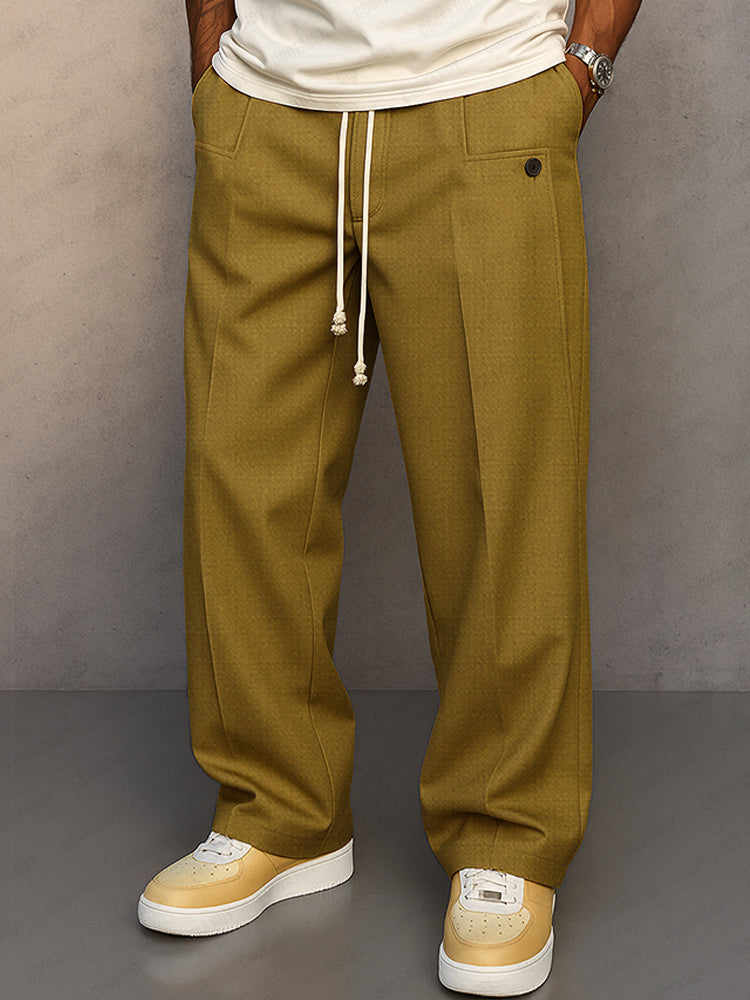
Formula 1 — Smart casual office (startups, creative agencies, tech): Light grey or navy unstructured blazer + white button-down shirt + dark chinos from the pants collection + clean leather shoes or minimalist sneakers.
Formula 2 — Business casual office (consulting, finance, corporate programs): Charcoal or navy structured blazer + light blue dress shirt + tailored trousers + leather dress shoes. Add a pocket square only if other people in the office wear them. If nobody does, leave it out.
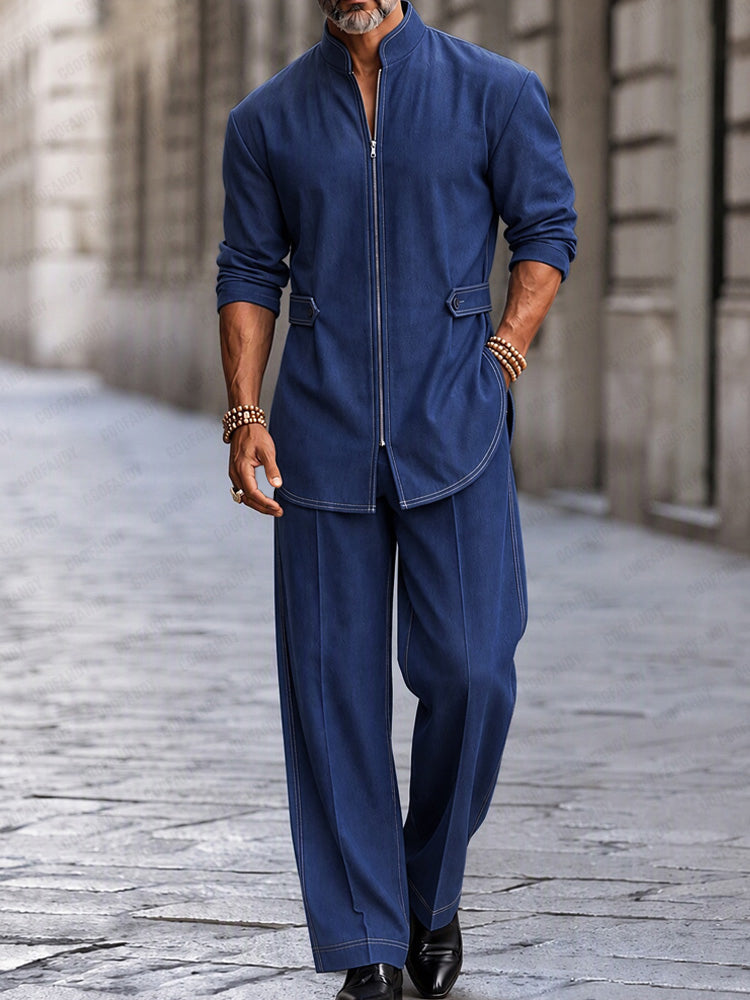
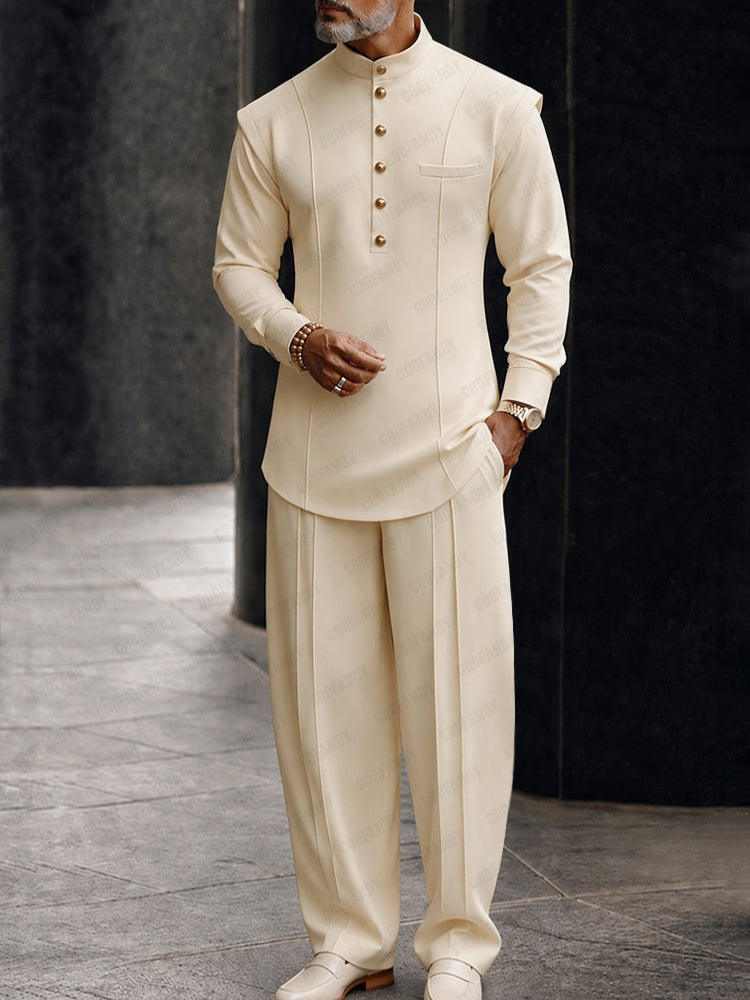
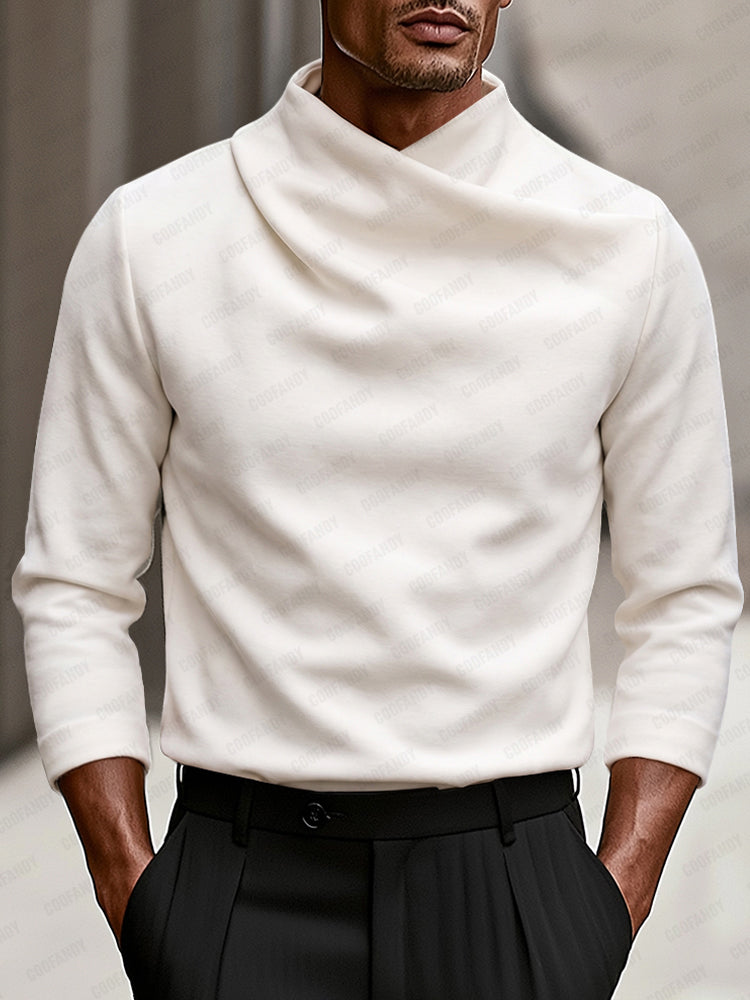
Both formulas follow the same principle: structured on top, clean on bottom, nothing that screams "I rented this for today." Browse COOFANDY's men's business clothing to find pieces that fit either direction.
FAQ
What should men wear to an internship final presentation?
Dress one level above your daily office outfit. In most offices, that means a pressed button-down shirt, tailored pants, and a blazer or structured layer on top. Match the formality of the people who will be evaluating you — not the interns sitting next to you. The goal is to look like you prepared, not like you're attending a different event.
Can I wear a suit to my internship presentation?
It depends on your office. If your manager and team leads regularly wear suits, go for it — but skip the tie unless they wear those too. If the office culture is casual, a suit will feel like overdressing. A blazer with no tie is the safer middle ground that works in almost every environment.
What colors work best for a presentation outfit?
Navy, charcoal, white, and light blue are the most reliable. They read as professional without being boring, and they work on camera as well as in person. Avoid loud patterns or bright colors that pull attention away from your slides and toward your shirt.
Should I dress differently for a virtual presentation?
Your waist-up outfit matters more on video. Wear a solid-colored shirt with a contrasting blazer or structured sweater to give the camera something to work with. Avoid fine patterns that create visual distortion on screen, and make sure your collar is pressed — it's the first thing viewers notice.
How do I dress up without overdoing it as an intern?
Add one intentional piece to your normal outfit. If you usually wear a polo, switch to a button-down. If you already wear a button-down, add a blazer. That single upgrade signals professionalism without looking borrowed. A useful trick: check what the sharpest full-time employees on your team wear daily, then match that level — not exceed it.

Leave a comment