











Business Casual Rewear: A Realistic Week With 3 Shirts and 2 Pants
A five-piece rotation feels tidy until Wednesday. One shirt is waiting for laundry, the darker trousers are reserved for a meeting, and a late lunch has appeared on the calendar. A plan gives a small wardrobe room for the week.
Three shirts and two pairs of pants can cover a surprising amount of ground when the pieces work together. The question is not whether anyone will notice that you wore the same trousers twice. Most office wardrobes repeat. The question is whether the combination looks cared for, fits the day you have, and does not create the awkward feeling that you are wearing yesterday’s outfit again because there was no other option.
Build around the pieces that are ready to wear
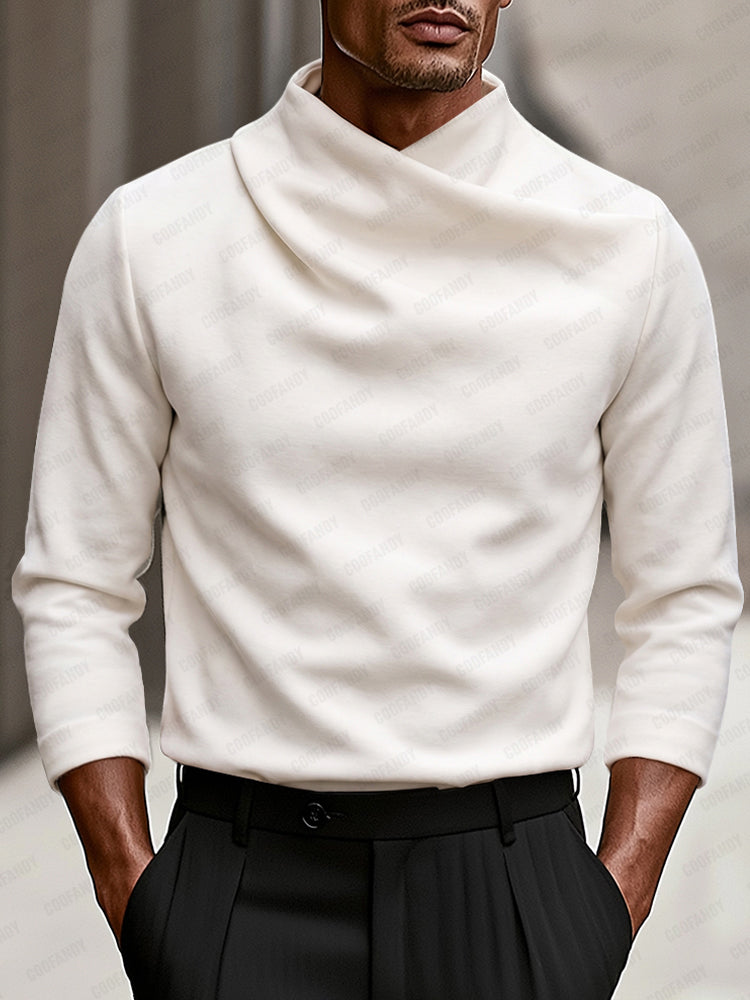
Choose three shirts that do not all perform the same visual job. A light neutral shirt gives you an easy partner for either trouser. A medium tone, small pattern, or textured option changes the middle of the week without becoming hard to combine. A deeper shirt gives you a more grounded look for a meeting, dinner after work, or a day when you want the outfit to feel less familiar.
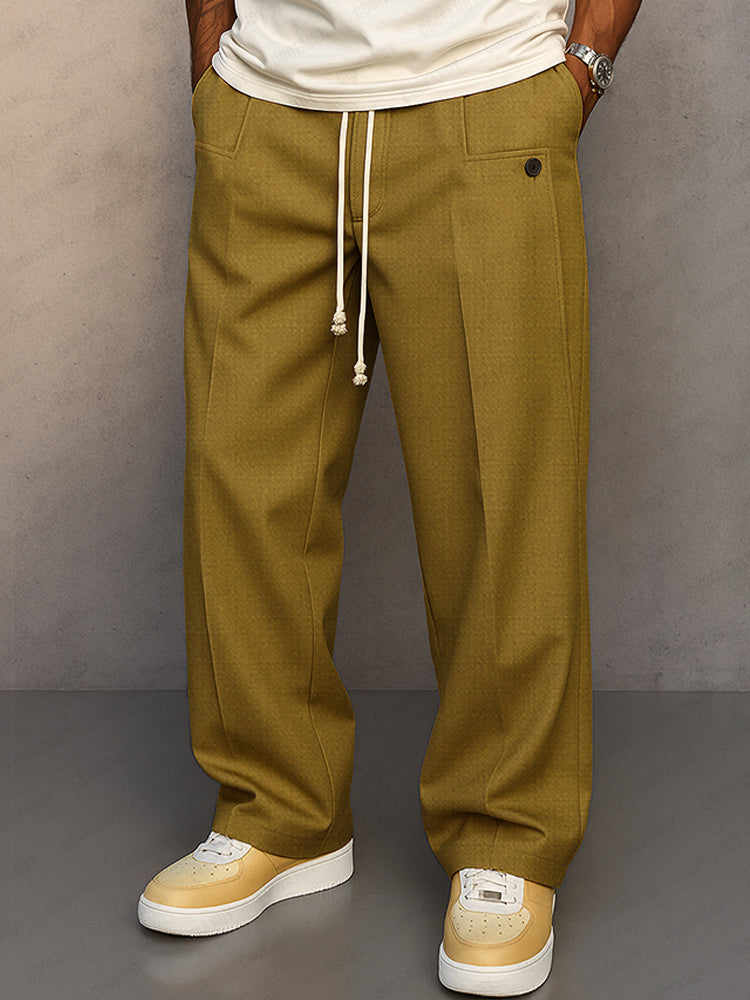
For the trousers, it helps to have one everyday pair and one that reads a little more deliberate with a tucked shirt. They should be close enough in formality that either can move into the week when the schedule changes. Each shirt should look intentional with both trousers; otherwise, it cannot carry a flexible six-day rotation by itself.
Lay the pieces out before Monday and try the combinations with your usual shoes. A shirt that looked versatile on a hanger may be too close in color to one pair of pants, or work untucked but not with a visible waistband. Find that out on a calm evening, not ten minutes before leaving.
Laundry is part of the outfit plan
The smallest detail can make repeat wear feel awkward: a collar that needs attention, a cuff with a mark, a hem that has lost its shape, or trousers that are simply not ready for another day. Do not build a rotation as though every piece returns to the closet in perfect condition each night. Put worn shirts in a consistent place, inspect them before you plan tomorrow, and follow the care directions for the individual item.
A shirt can return after care, but it should not be assigned automatically because the calendar says so. A restaurant lunch or packed day of meetings may make one pairing less practical than it looked on Sunday. Leave one alternate outfit ready.
Trousers deserve the same honesty. Repeating a pair is normal when it is clean and still suits the day. Repeating it because the other pair is not ready is where the plan begins to feel thin. Give each pair time to air out and check the pockets, waistband, and hem before putting it back into the next-day line. A small routine is more effective than a long list of rules.
Six days that do not feel copied
Here is one way to arrange the five pieces without pretending every weekday will unfold exactly as planned:
| Day | Shirt | Pants | Why it works |
|---|---|---|---|
| Monday | Light neutral | Darker pair | A clean, straightforward opening to the week |
| Tuesday | Medium tone or subtle pattern | Everyday pair | A change in color and trouser weight |
| Wednesday | Deeper shirt | Darker pair | Useful when the calendar includes a meeting or visitor |
| Thursday | Light neutral, after care | Everyday pair | Familiar pieces in a different relationship |
| Friday | Medium tone or subtle pattern | Darker pair | A composed option for work and an after-hours plan |
| Flexible day | Deeper shirt | Everyday pair | Keeps the final combination from echoing Monday |
This is a way to see the options before the week gets busy. Move Wednesday’s pairing forward if a client visit appears, or use the flexible outfit earlier if one shirt needs more time. The rotation works because it has alternatives.
Notice that the most visible distinction comes from the shirt-and-trouser relationship. Shoes, a belt, and a light layer can reinforce that change, but they should not carry all the responsibility. Wearing the same shirt with different pants can feel like a distinct outfit. Wearing the same shirt and trousers with a different watch usually does not.
Office observations matter more than outfit math
Workwear can become strange when you treat coworkers as judges tracking every item. People tend to notice whether you look presentable for the room, not whether you have engineered maximum novelty. A tidy shirt, suitable pants, and shoes in good order do more than a complicated attempt to avoid every repeat.
That said, some repeats are more obvious than others. Wearing the same dark shirt-and-dark trouser pairing on consecutive days can feel heavy, particularly in a small office where the same people see you at coffee, lunch, and the afternoon meeting. Breaking up the color weight is an easy fix. Move to a lighter shirt, change the trouser tone, or choose the less structured pairing for a desk-focused day.
Office observations can also help you decide which combination to reserve. If your team usually dresses a little more formally when visitors arrive, keep the shirt with the cleanest collar line and the trousers that work best with it available. If Friday is truly relaxed, that may be the moment for the more casual shirt finish. Let what actually happens in your office shape the map.
Use product pages only to fill a real gap
When your rotation is missing a reliable trouser base, compare the straight-leg pants product page with the colors, shoes, and care routine already in your closet. For a shirt that could serve as the more structured option, review the dress-shirt product page before deciding whether it fits the role you need.
Read the listed sizing, composition, and care directions, then try a potential addition with the pieces you already own. It should solve a specific issue, such as a missing darker trouser or a shirt that can take a more visible meeting, rather than duplicate a role your wardrobe already covers.
This restraint keeps a small rotation from becoming a shopping exercise. The real gap may be more time for care, a better trouser fit, or a way to set out the next day’s clothes.
Make room for the week you actually have
On Monday evening, check Tuesday and Wednesday together so you can spot a shirt that needs care or a moved meeting. On Thursday, look ahead to Friday and any weekend plan using the same pieces. This avoids the rushed choice that makes a small wardrobe feel smaller than it is.
Keep the number of changes modest. If the shirt and pants already work, do not add a different layer, shoe, accessory, and color contrast merely to prove the outfit is new. One clear distinction is enough. A lighter trouser, a tucked shirt, or a deeper top can change the look while keeping the day easy to get through.
Let repeat wear look normal
A good work rotation does not hide the fact that clothes are worn more than once. It makes those repeats look deliberate because each piece is clean, cared for, and placed where it makes sense in the week. The dark trousers can return after a day away from them; the light shirt can come back once it is ready; the meeting-ready pairing can move to the day that needs it.
That is more durable than chasing six completely unrelated outfits. The office sees a person who is ready for the day, not a closet trying too hard to prove it has no limits.
FAQ
What should I do when the shirt I planned for Wednesday still needs care?
Move the flexible-day combination forward rather than wearing the shirt by default. The rotation works when the alternate pairing is already familiar, clean, and appropriate for the day’s calendar.
Can I repeat the darker trousers after an internal workday?
Yes, when they are ready to wear and the next outfit changes the shirt-and-trouser relationship. A lighter shirt or different trouser pairing elsewhere in the week keeps the repeat from echoing yesterday.
Which outfit should I reserve when a client visit might appear?
Keep the shirt with the cleanest collar line and the trousers that look most settled with it available. That gives you a credible option without rebuilding the whole week.
What if one shirt only works with one pair of pants?
Treat it as a limited-role piece, not the foundation of a six-day map. Use it on a predictable day, and rely on the more flexible shirts when the schedule may change.

Leave a comment