









College Club Leadership Outfits for Men in 2026: Smart Casual That Works on Campus
A college club leader needs clothes that can keep up with the less visible parts of the role. You might unlock a classroom, drag two tables together, hand out name tags, welcome a nervous first-year student, and then introduce a faculty guest. The outfit does not need to announce that you are in charge. It should make you look prepared while leaving you free to do the practical work.
For most campus organizations, that means a clean collared shirt or polo, neutral pants, and shoes that are tidy enough for the room but comfortable enough for the walk there. Formality should come from the event, not from the word "leadership" printed on your position title.
The 5:45 p.m. Interest Meeting
Picture a student organization open house on a Tuesday. At 5:45, you are outside the student center holding a roll of tape and a cardboard sign because the reserved-room number changed. Your co-host is bringing in pizza. At 6:00, people you have never met begin arriving in groups of two and three, looking for someone who seems to know what is happening.
That is a better styling test than a vague rule about executive-board clothes. Wear a shirt with a clear collar, neutral pants, and a shoe you can stand in while people trickle through the door. Keep the outfit approachable. A stiff jacket, a very formal shoe, or a stack of accessories can feel disconnected from a casual recruitment night. On the other hand, a faded tee or visibly worn gym clothes can make the person with the name tag seem unprepared.
A plain shirt gives the club's poster, name tag, or slide deck some visual space. If the group has colors, use a subtle reference only if it works with the rest of the outfit. You do not need to dress like the banner. Clean and recognizable is enough.
Choose Pieces That Survive the Work Before the Meeting
The role often changes before anyone is seated. You may be carrying a box of flyers across campus, kneeling to plug in a projector, or walking a guest back to the parking lot afterward. Clothes that need constant adjustment will be distracting long before the first announcement.
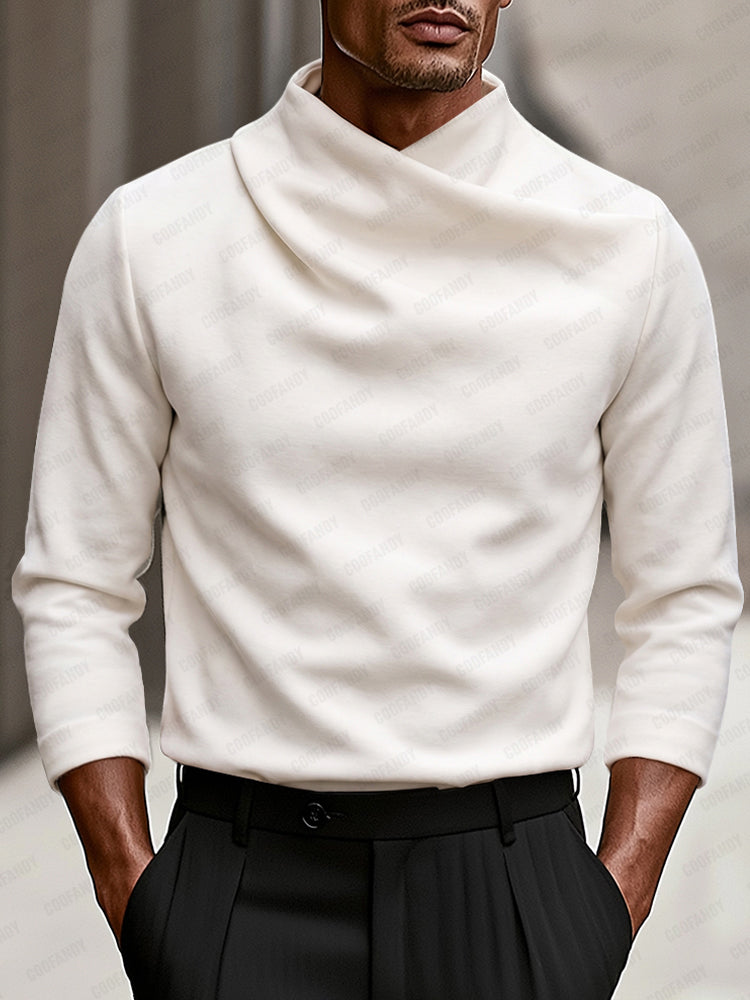
For a more structured shirt option, look at this shirt page with the meeting's actual tasks in mind. Review the fabric details, sizing information, and care instructions before deciding whether it makes sense for your schedule. A shirt that looks right on a hanger still needs to work when you raise an arm to point at a sign or sit on the floor beside a bag of supplies.
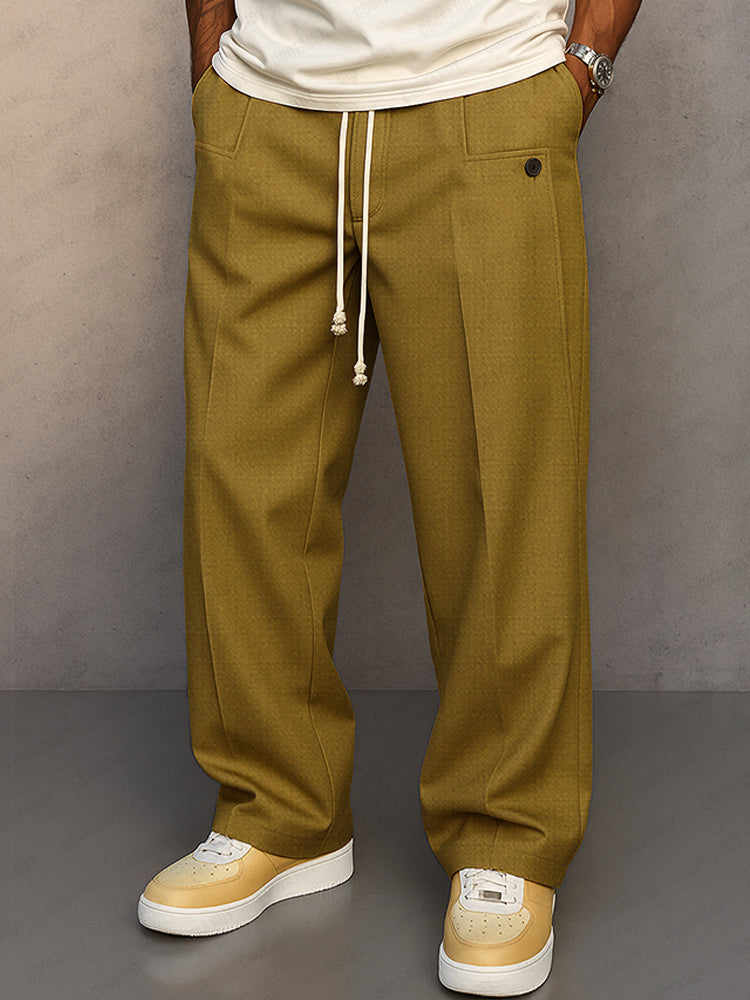
Keep the pants straightforward. The hem should not drag on wet paths, and the waist should not need attention every time you bend down. For a second comparison point, this pants page lets you check the size guide, fabric details, and care information against the shoes and shirt you plan to wear. That small check is more useful than choosing by category alone.
Bring one light layer only when you have a reason for it: a cold room, a walk after sunset, or a meeting with an outside guest. Otherwise, a simple top-and-pants combination keeps the day easier to manage.
Three Different Rooms, Three Slightly Different Answers
A regular planning meeting in a familiar classroom calls for the relaxed end of smart casual. A polo or casual button-down, neat pants, and clean sneakers may be enough. You want to look as though you remembered the agenda, not as though you are interviewing everyone at the table.
For a recruitment event, step up the finish a little. The opening minutes shape a new member's impression of the group. Check the collar, hem, and shoes before you leave, and keep your phone, keys, and lanyard from making every pocket bulge. You will likely be standing near the entrance, so the outfit should read clearly from a few feet away.
An adviser meeting, panel, or alumni event deserves a sharper version. Use a button-down or an especially neat polo, clean pants, and shoes that match the room. A tucked shirt can help when the shirt is long enough and the setting is formal. In a casual space, a shirt meant to be worn untucked may look more natural. Let the venue settle the question.
Small Details Matter When You Are the Person Greeting Everyone
People notice the front of an outfit first, especially when you are holding a door or introducing yourself. Check the collar, front buttons, sleeve cuffs, and shoe uppers. Then take one look at the back of the shirt and the seat of the pants before leaving. Club work involves sitting on tables, carrying bags, and leaning over a registration sheet. A quick check is worth more than an elaborate outfit formula.
Color can make this easy. Navy, white, soft blue, olive, charcoal, and stone are useful bases because they can be worn with familiar shoes and layers. Add one stronger color only if it feels deliberate. Large graphics or several competing patterns can pull attention toward the clothes when you would rather people focus on the event.
Do not worry about looking like a textbook version of a leader. A calm, clean outfit and a ready answer about where the meeting is happening will do more for that than a blazer ever could.
FAQ
Should I wear a blazer to a student-club interest meeting?
For a typical campus open house, a blazer can be more formal than the room requires. A collared shirt or polo, neutral pants, and tidy shoes usually fit better when you are also taping signs, moving chairs, and greeting new students.
What should I wear when a faculty adviser or alumni guest is attending?
Use the sharper version of your regular meeting outfit: a neat button-down or polished polo, clean pants, and shoes that match the venue. Keep the rest simple so the outfit supports the conversation instead of looking like a costume.
Is it better to tuck in my shirt when I introduce a speaker?
Choose based on the shirt and the setting. A longer button-down often looks more orderly tucked in for a panel or adviser event; a shirt designed to be worn untucked can feel right for a casual classroom meeting.
What should I do if I come straight from class to a recruitment event?
Pack one small reset rather than a second outfit: a clean shirt, a soft cloth for shoes, or a simple layer if the room will be cold. Before guests arrive, check the collar, hem, and pockets so you begin the meeting looking organized.
After the Last Guest Leaves
The event rarely ends when the final slide does. Someone has lost a water bottle. The pizza boxes need to go out. Your adviser wants to ask about next month's budget. You may still be in the building forty minutes after the official end time, talking with the other officers while the chairs are stacked against the wall.
There is often one last unscripted moment: a first-year student hangs back after everyone else leaves and asks how to get involved. You are no longer standing behind the sign; you are walking them toward the exit, answering questions, and trying to remember the next meeting date. That conversation is part of the role, and it is often the one they remember. Clothes that are neat but easy to live in let you stay focused on it.
Dress for that ending too. If you can help clean up, walk across campus, and stop for food with the group without feeling overdressed or disheveled, you chose well. That is the quiet advantage of a thoughtful campus outfit: it lets you stay present for the job instead of thinking about what you are wearing.

Leave a comment