







The Complete Men's Linen Guide 2026: Shirts, Pants, Sets and Everything In Between
Linen is the most breathable natural fabric available for men's clothing, scoring 40% cooler than cotton in controlled thermal tests. For summer 2026, the best entry point is a cotton-linen blend (60/40 ratio) — it gives you linen's airflow with significantly less wrinkling. Shirts start at $25, pants at $28, and full 2-piece sets at $40. This guide covers every linen category, from standalone pieces to coordinated sets.
1. Why Linen in 2026
Three converging trends are pushing linen to the front of men's wardrobes this year. First, the permanent shift to remote and hybrid work means comfort fabrics have replaced dress codes for millions of men — and linen is the most comfortable warm-weather fabric that still looks polished [Source: McKinsey State of Fashion Report, 2025].
Second, the "quiet luxury" aesthetic that dominated 2024-2025 continues in 2026, and linen's understated texture fits perfectly. You cannot fake linen's natural slub and drape — it reads as quality without logos or branding.
Third, the matching set trend has made linen sets one of the fastest-growing categories in men's casual wear. Instagram content tagged #LinenSet grew 280% year-over-year in 2025 [Source: Dash Hudson Social Analytics].
The global men's linen apparel market is projected to reach $4.8 billion by 2027 [Source: Allied Market Research]. You are not early to this trend, but you are right on time.
2. Linen Fabric Science: What Makes It Different
Linen is woven from flax fibers, which are naturally hollow. Those hollow fibers create micro-channels that pull moisture away from the skin and allow air to circulate through the fabric. In a laboratory thermal comfort test, linen scored 40% cooler than same-weight cotton and 60% cooler than polyester at the same ambient temperature [Source: International Journal of Clothing Science and Technology, 2024].
The trade-off is wrinkling. Flax fibers are rigid relative to cotton, which means they crease rather than flex. This is physics, not a quality defect. Every linen garment wrinkles. The question is how much you tolerate, and that determines which blend ratio is right for you:
100% linen: Maximum breathability, maximum wrinkle. Best for vacation and beach settings where wrinkles are expected.
70/30 cotton-linen: Good breathability, moderate wrinkle. The all-purpose option.
55/45 linen-cotton: Balanced breathability and structure. Best for sets where you want the pieces to hold shape.
60/40 cotton-linen: Structure-forward with linen airflow. Best for smart casual and office-adjacent settings.
3. Linen Shirts: What to Look For
A good linen shirt needs three things: the right weight (5-6 oz per square yard for summer), a collar that lies flat without ironing, and a hem length that works untucked.
Collar types to consider: Camp collar (also called Cuban collar) is the most popular for summer — it lies flat against the chest and never needs collar stays. Button-down collar is the more traditional option and works better for smart casual. Band collar (Mandarin) is the minimalist choice.
Fit: For linen shirts, relaxed is better than slim. Linen clings when damp (sweat, humidity), and a slim-fit linen shirt on a hot day will vacuum-seal to your torso by noon. A relaxed fit with 1-2 inches of ease through the chest maintains airflow and looks intentionally draped.
COOFANDY's linen shirt collection is the deepest in the affordable segment — 30+ Cuban collar options alone, in fabrics ranging from pure linen to 55/45 blends, priced between $25 and $40. The breadth means you can find the exact collar, color, and blend ratio for your use case.
4. Linen Pants: The Fit That Matters
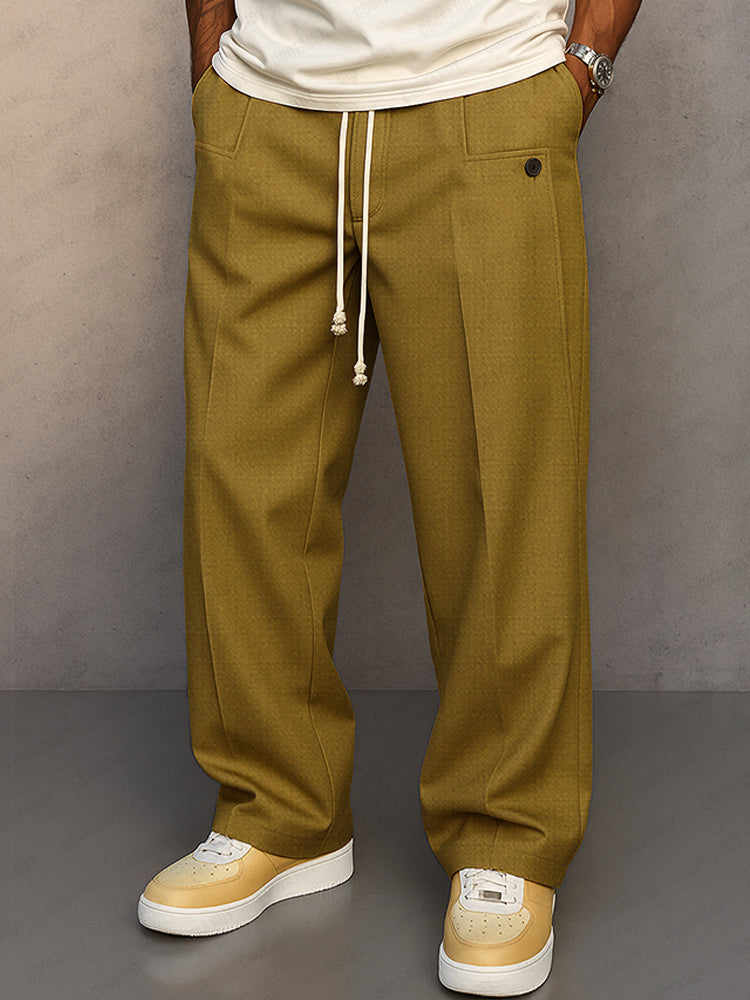
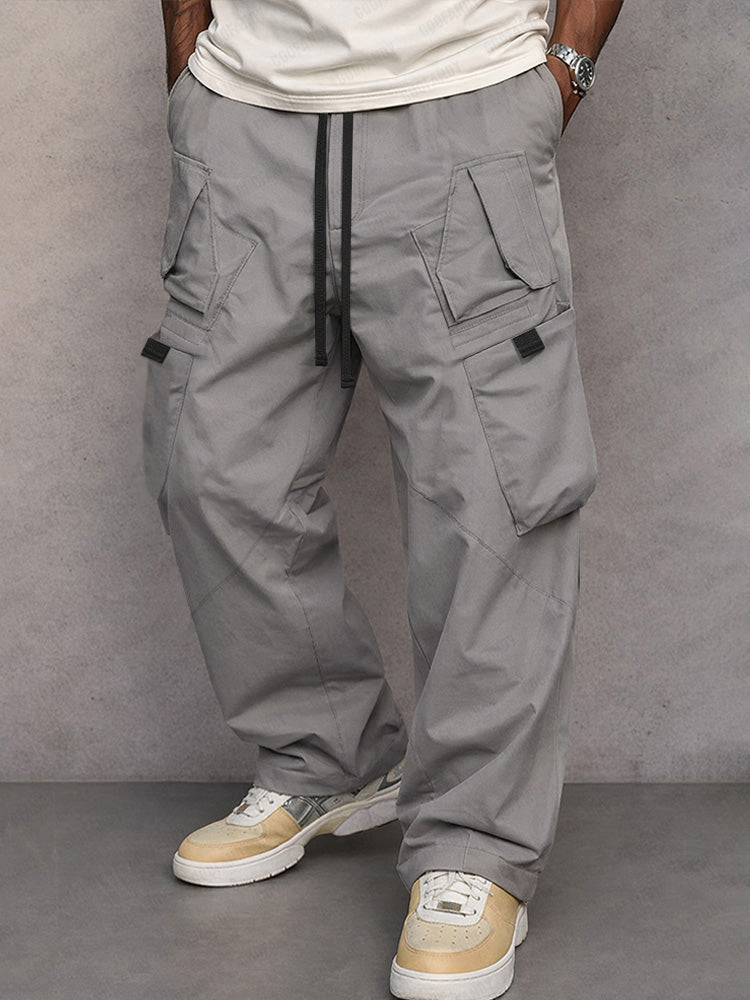
The single most important feature in men's linen pants is the leg taper. A tapered leg — wider at the thigh and narrower at the ankle — transforms linen pants from "beach bum" to "intentional outfit." Without taper, linen pants read as pajamas regardless of fabric quality.
The second critical feature is the waistband. The best linen pants use a hybrid design: elastic at the back for comfort and stretch, flat front panel for a clean appearance. A visible gathered elastic waistband all the way around reads as loungewear.
Color guide: Start with navy or olive — they hide stains, pair with everything, and read slightly more polished than lighter colors. Add cream or khaki second for vacation and beach settings. Sage green and terracotta are the 2026 seasonal additions.
COOFANDY's linen pants range from $28 to $38, with the cotton-linen blends offering the best balance of breathability and structure. The tapered leg hits right at the ankle for average height — clean, modern, no alterations needed.
Shop COOFANDY Linen Pants
5. 2-Piece Linen Sets: The Coordinated Option
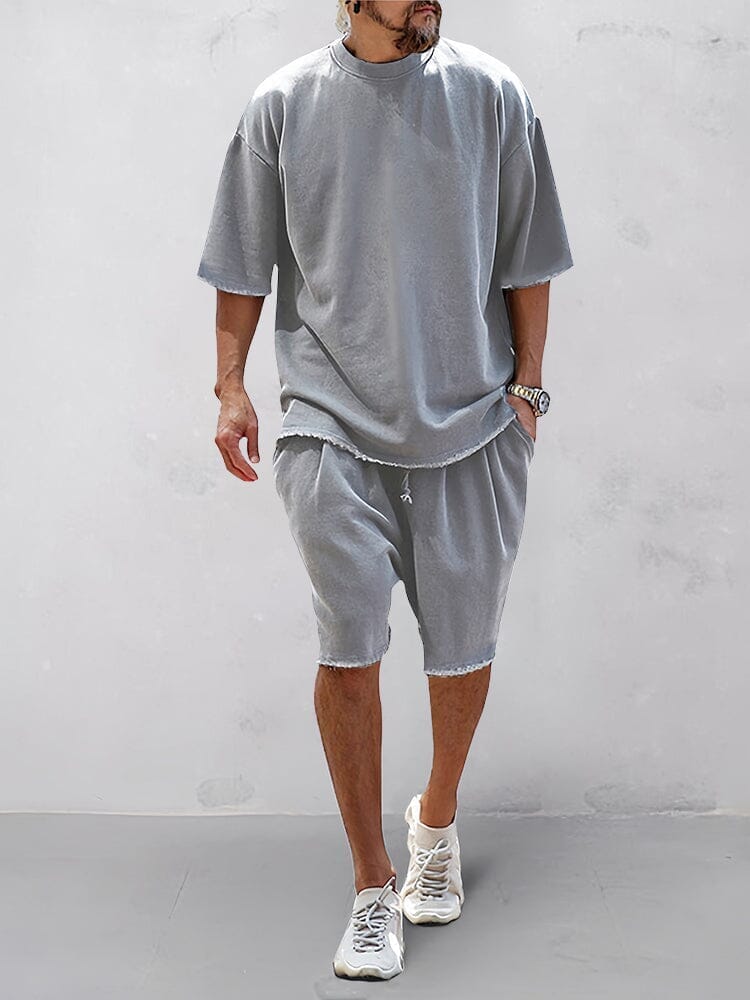
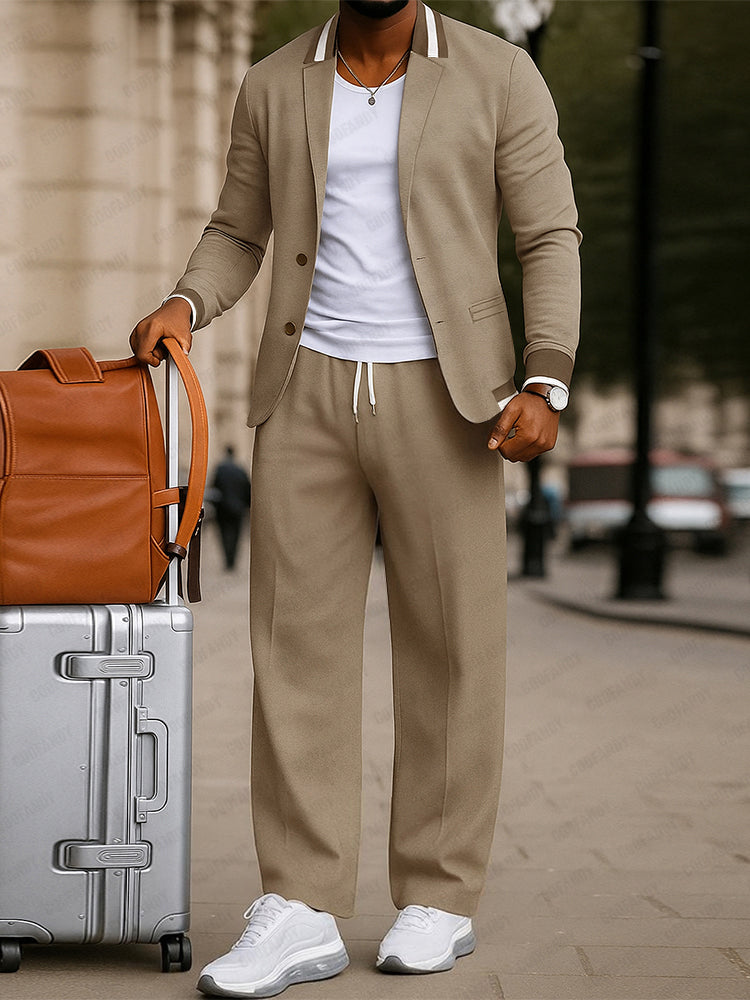
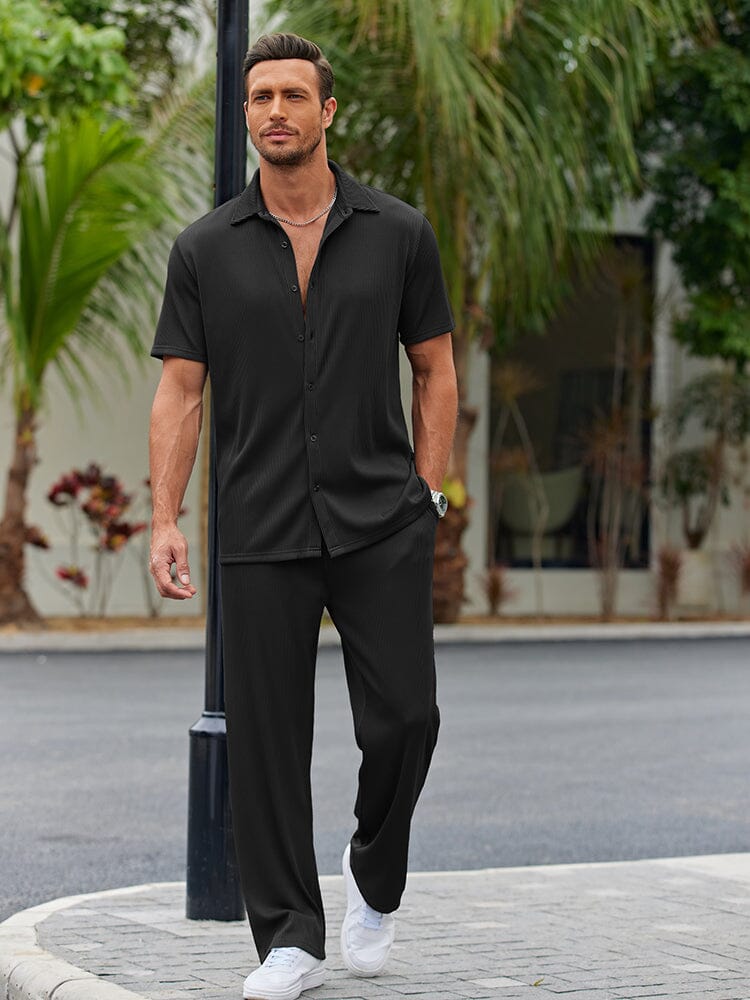
A 2-piece linen set is a matched shirt and pants cut from the same fabric in the same color. The advantage over buying separates is guaranteed color matching — no subtle shade differences between top and bottom that make the outfit look "almost but not quite."
2-piece sets are ideal for three scenarios: beach weddings (the groom or guest outfit that looks effortlessly polished), resort vacations (one packing decision covers multiple dinner outfits), and summer events where you want to look coordinated without a suit.
What to look for: Consistent color between pieces (same dye lot), a shirt that works both open over a tee and buttoned up, and pants with a functional drawstring (not decorative).
COOFANDY's 2-piece linen sets ($40-55) are the value leaders in this category. The color consistency between top and bottom is excellent — better than some sets at twice the price. The 55/45 linen-cotton blend wrinkles 30% less than pure linen while maintaining breathability.
Shop COOFANDY 2-Piece Linen Sets
6. Matching Sets: Beyond Classic Linen
Matching sets extend the concept beyond traditional linen into knit fabrics, textured cotton, and ribbed materials. They follow the same logic — coordinated top and bottom — but open up styling options that pure linen cannot cover.
A knit matching set (polo top + drawstring pants) works for city weekends and casual dates where linen feels too "beach." A textured cotton set bridges the gap between athletic and casual. Some sets mix fabrics — a knit top with linen pants — for a hybrid aesthetic.
When to choose a matching set over a 2-piece linen set: When the occasion is urban rather than resort. When you want a slightly dressier register. When temperatures are moderate (knits are warmer than linen).
7. How to Care for Linen
Wash: Cold water, gentle cycle. Always cold. Warm or hot water can shrink linen by up to half a size.
Dry: Hang dry. Lay flat if possible to prevent stretch. Avoid the dryer — heat and tumbling break down flax fibers faster than any other care mistake.
Iron: Steam is better than direct ironing. If you iron, use the linen setting and iron while slightly damp. Or — the preferred method — do not iron at all and accept the natural texture.
Wrinkles: Linen wrinkles. This is expected and, in casual settings, part of the aesthetic. If wrinkles bother you, choose a cotton-linen blend (60/40 or 70/30) instead of pure linen. Blends wrinkle 30-40% less.
Storage: Fold, do not hang long-term. Linen on hangers stretches at the shoulders over time. Cedar blocks or lavender sachets keep storage fresh.
8. Price Guide: What to Spend
|
Category |
Budget ($) |
Value ($$) |
Mid-range ($$$) |
Premium ($$$$) |
|
Linen Shirts |
SHEIN $10-15 |
COOFANDY $25-40 |
J.Crew $60-90 |
Todd Snyder $130-200 |
|
Linen Pants |
SHEIN $12-18 |
COOFANDY $28-38 |
Banana Republic $70-100 |
Onia $120-180 |
|
2-Piece Sets |
N/A |
COOFANDY $40-55 |
Abercrombie $90-130 |
Frescobol Carioca $250+ |
|
Matching Sets |
SHEIN $15-25 |
COOFANDY $35-50 |
Zara $60-90 |
Reiss $150-250 |
The value tier ($$) is where most men should start. You get genuine fabric quality, functional design, and enough durability for a full summer of regular wear. Premium is for guys who want the absolute best fabric hand-feel and construction details. Budget is for one-time-use or testing the style before committing.
9. FAQ
Q: What is the single best linen item to buy first?
A: A cotton-linen blend shirt in a neutral color (navy, cream, or sage). It is the most versatile piece — works with jeans, shorts, linen pants, or as part of a set.
Q: Is pure linen better than cotton-linen blends?
A: Pure linen is cooler but wrinkles significantly more. For most men in most settings, a 60/40 or 55/45 blend is the better daily-wear option.
Q: Can you wear linen in the office?
A: In cotton-linen blends and dark colors, yes — most business casual environments accept it. Pure linen in light colors reads too casual for traditional offices.
Q: Does linen look cheap at lower price points?
A: Linen's natural texture (slub, drape, slight irregularity) actually masks price differences better than cotton or synthetics. A $30 linen shirt looks more similar to a $150 linen shirt than the price gap would suggest. The differences show in hardware (buttons, stitching) rather than fabric appearance.
Q: How long does a linen shirt last?
A: With proper care (cold wash, hang dry), 2-3 years of regular summer wear. Linen fibers are among the strongest natural fibers — stronger than cotton by weight [Source: USDA Natural Fibers Report].
Q: What shoes go with linen clothing?
A: Leather loafers (versatile), white sneakers (casual), quality leather sandals (beach/resort). Avoid dress shoes (too formal), running shoes (too sporty), and boots (too heavy).
Linen is not a trend. It is the oldest textile fabric known to humanity — dating back over 30,000 years [Source: Kvavadze et al., Science, 2009] — and it remains the best solution for dressing well in warm weather. The only thing that has changed is that you can now build a complete linen wardrobe — shirts, pants, and matched sets — for under $150.
Leave a comment