










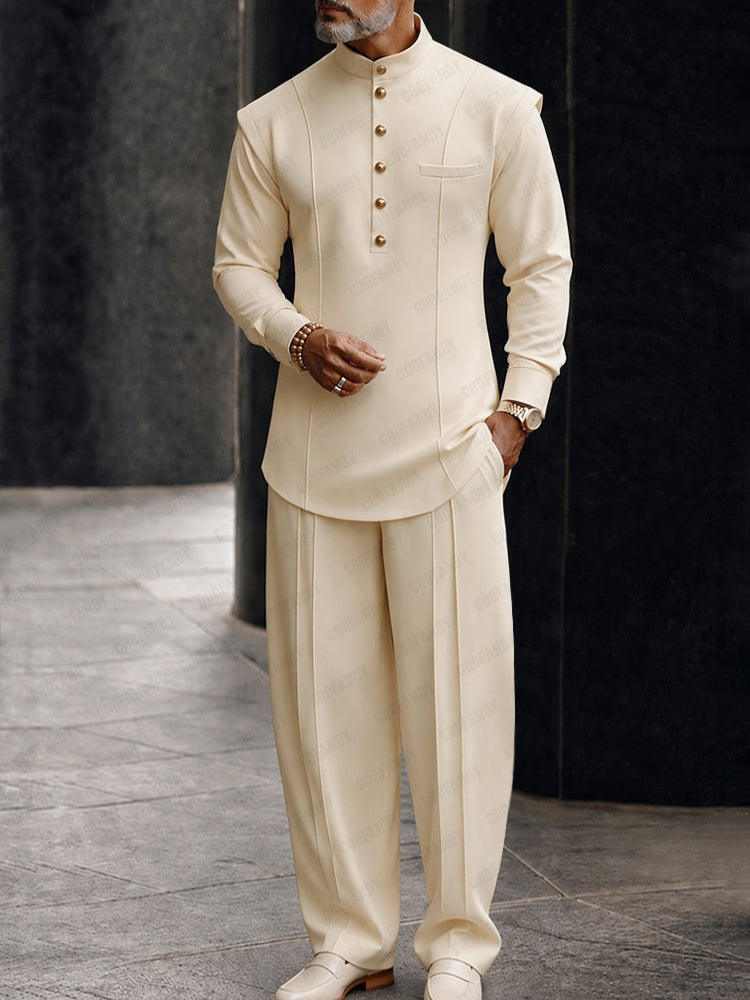
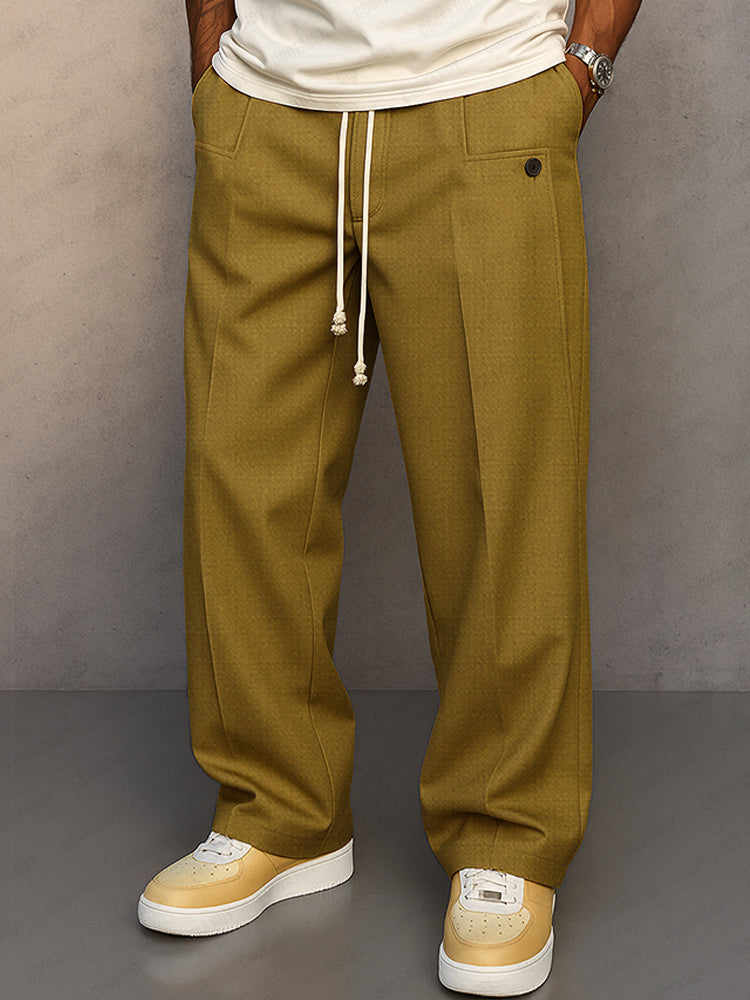
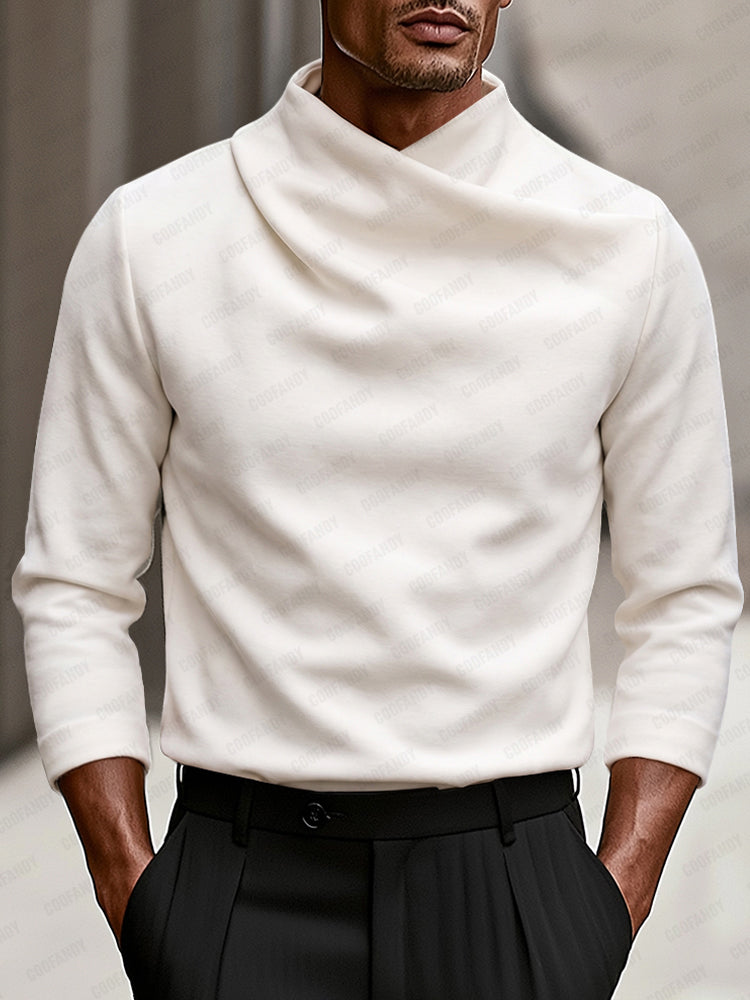
Fall Wardrobe Deals: What to Buy First

Buy the piece that fixes the most frequent gap in your existing fall outfits first. That may be trousers that make your shirts usable for work, a knit that fits beneath your jacket, or an outer layer that covers a setting your current clothes cannot. The best purchase order depends on what you already own, not on which category has the largest discount banner.
Before browsing fall deals, identify one outfit you need to wear and the specific reason you cannot assemble it. Then choose the missing role, check how a candidate works with your existing pieces, and shop that category first. A sale is a useful occasion to fill the gap; it does not create the gap.
Find the Outfit That Keeps Failing
Start with the clothes you actually wore last week and the plans already on your calendar. Think about an office day, a weekend outing, or a dinner where you spent too long changing because something was missing. Name the failed outfit in ordinary terms: "My shirts work, but none of my trousers suit this office," or "My jacket fits over a tee, but not over the knit I need for the commute."
Separate three reasons for shopping. A missing role means you lack a garment that performs a recurring job. A replacement means a piece you use is worn out, damaged, or no longer fits. A preference means you want a different color or style even though the job is already covered. All three can be legitimate purchases, but they should not automatically have equal priority.
Try the intended outfit before deciding which part is missing. If the jacket feels restrictive only over one bulky sweater, another jacket is not necessarily the first answer. A layer with proportions that work beneath it may solve the problem. If every sweater feels wrong because the trousers no longer fit, more knitwear will not fix the foundation.
Write the recurring problem at the top of your shopping list. Beneath it, list the pieces you already own that would remain in the outfit. This small inventory keeps the purchase tied to a real use rather than an imagined future wardrobe.
Put Foundation Gaps Ahead of Finishing Layers

There is no universal rule that says to buy a coat, a sweater, or trousers first. Foundation pieces take priority when several otherwise usable garments depend on them. A finishing layer takes priority when the foundations already work and the outfit fails at the outer layer.
| Missing role | Move it toward the top when | Move another role ahead when |
|---|---|---|
| Trousers or another lower-body anchor | Existing tops cannot form an outfit for your recurring setting | Your current trousers already fit and cover that setting |
| Base layer, such as a shirt or tee | You lack the layer needed beneath several usable knits or jackets | A suitable base is already available in your wardrobe |
| Knit or adjustable middle layer | Bases and outerwear work, but the space between them is missing | The real problem is restrictive outerwear or unsuitable foundations |
| Jacket or other outer layer | You lack a layer for a recurring setting or condition | An existing layer covers that role and only its color feels repetitive |
For example, suppose you have two shirts and a knit polo that fit well, but the only trousers you wear are faded jeans. If your new workplace calls for a different trouser style, one suitable pair may make all three tops more useful there. Buying another shirt first leaves the same obstacle in place.
Reverse the example. If you already have appropriate trousers, shirts, and a jacket, but no middle layer that fits beneath that jacket, the knit becomes the priority. Buying another pair of trousers adds choice at the bottom of the outfit while leaving the fall layering gap unresolved.
Treat weather needs separately from appearance. If your routine includes exposure your current outerwear does not cover, prioritize a garment whose actual specifications address that condition. Do not assume a smart jacket becomes a rain or cold-weather solution simply because you bought it for fall.
Choose the Piece That Unlocks Clothes You Own
For each candidate, name the old pieces it would work with. A useful test is to assemble more than one actual combination, including your normal shoes and intended layers. This is a compatibility check, not a promise that every new garment must produce a particular number of outfits.

A neutral knit might work with both the jeans you use on weekends and the trousers you wear to dinner. But check the combinations rather than relying on the word "versatile." If the knit is too bulky for your jacket or its hem gathers above your trouser waistband, the color alone does not make it compatible.
Watch for a purchase that needs several other purchases before you can use it. An appealing overshirt may require a different base, a new trouser shape, and new shoes to reproduce the model's outfit. If none of those pieces is already in your wardrobe, this is the beginning of a separate outfit project, not a simple one-piece gap filler.
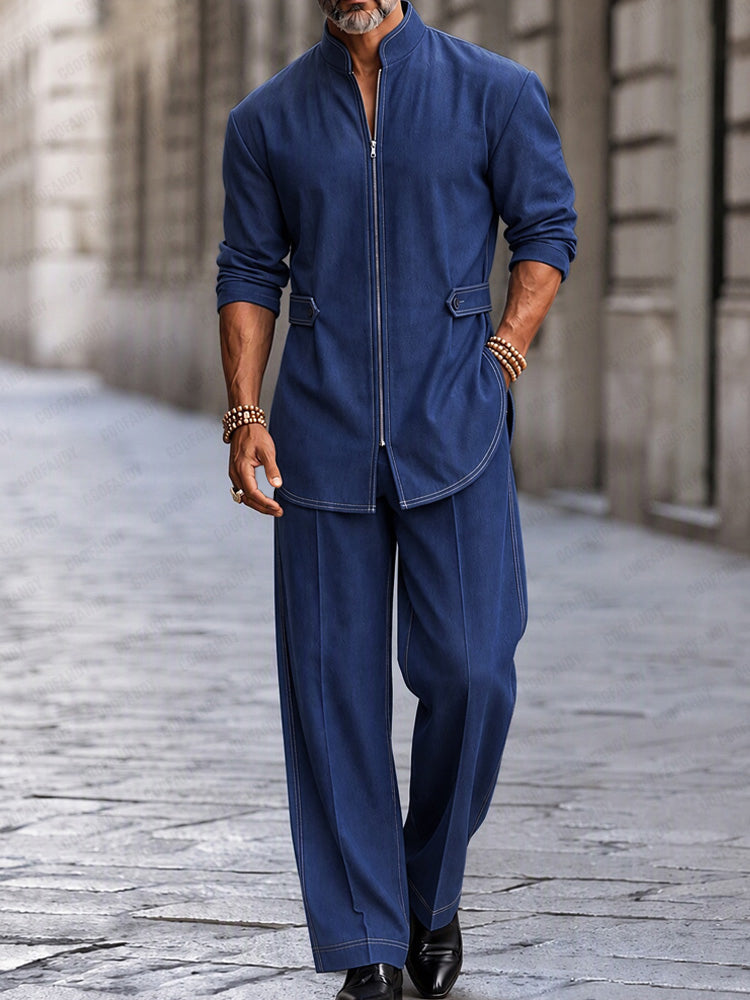
If your missing role is a smarter outer layer, the Casual Suit Jackets (US Only) page gives you a specific product to inspect. Compare the selected jacket with your shirts, trousers, and intended knit before deciding whether it fills that role. This is a product-detail example, not a claim that the jacket is included in a particular promotion or will fit your existing combinations.
Choose the color after confirming the role and proportions. A familiar color can make coordination simpler, but it cannot repair a poor fit or an unsuitable garment type. Equally, a new seasonal color can be enjoyable once the outfits you need already work; it need not be labeled an essential purchase.
Three Starting Wardrobes, Three Purchase Orders
1. Casual clothes, but a new office routine
You own dark jeans, clean tees, two button-down shirts, and a casual jacket. You now need outfits for a workplace where your existing shirts are appropriate but the jeans are not. The obstacle is at the bottom of the outfit.
First: choose trousers that fit the workplace and work with both shirts and your existing shoes. Try those combinations before adding another top. If the trousers require footwear you do not own, include that dependency in the decision rather than assuming it away.
Second: consider a middle layer if the office or commute creates a real layering gap. Its shape should work with the new trousers and your existing shirts. You now have a clearer reason to compare a crewneck, cardigan, or quarter-zip.
Later: add another shirt or a smarter jacket only if the actual routine calls for it. A large discount on a new shirt should not reorder the list while the trouser problem remains.
2. Good office foundations, but no workable fall layer
You have suitable trousers, several shirts, and a jacket you like. Your only sweater is too bulky beneath the jacket, so you either leave it at home or feel crowded when wearing both. The foundations are present; the layer combination is not.
First: compare middle layers that fit over your shirt and beneath that jacket. Check sleeve volume, body length, and neckline together. The target is a usable combination, not a fiber or style name chosen in isolation.
Second: reassess the outer jacket after trying the new combination. If the fit problem remains, consider a different outer cut. If it disappears, another jacket may no longer be necessary.
Later: consider a second knit with a genuinely different role, such as an opening front when you frequently remove the layer indoors. Another color in the same role is an optional addition, not the next automatic step.
3. A working wardrobe, with several tempting sale additions
Your work and weekend outfits already function, and none of the pieces needs immediate replacement. The sale has made another navy sweater, an overshirt, and a party shirt appealing. There is no foundation gap to solve first.
First: check for a real replacement need you may have overlooked, such as a heavily used shirt that is reaching the end of its life. If there is none, identify the addition you would actually choose without the sale creating urgency.
Second: decide whether a distinct upcoming occasion justifies another role. A specific party may call for a piece your normal rotation does not contain; an imagined series of events is a weaker basis.
Later: treat extra colors and experimental silhouettes as preference purchases with their own spending limit. You do not need to manufacture an essential-clothing argument to enjoy one, and you do not need to buy all three because they are available together.
Take Your Priority List Into the Fall Sale
Use the COOFANDY Fall Prime Day Sale collection as a shopping destination once you know the role you are trying to fill. Start with the relevant category, then compare the options against the old garments listed in your wardrobe audit. The collection's name does not establish which promotion applies to your selected item or variant.
Keep the order of decisions intact: missing role, compatible garment, then applicable offer. A percentage badge should not promote a duplicate ahead of the piece that completes your everyday outfits. Likewise, a quantity offer should not add a third priority before you have solved the first.
If your first-choice category does not contain a suitable option, the list is still useful. You can postpone that purchase or look elsewhere for the required garment. Do not switch to another category simply to make use of the shopping occasion.
Before placing the order, check the current terms and exact selected item. Do not count a hoped-for reduction as part of your spending plan. This step confirms the transaction; it should not replace the wardrobe reasoning that brought you to the cart.
Set a Stop Point Before the Next Purchase
After the first piece arrives, try the combinations you planned within the permitted try-on conditions. Check whether the original problem is resolved, whether the layers move comfortably together, and whether you still need the second item on your list. A successful first purchase can change the order of everything that follows.
If it creates a new dependency, pause and examine it. You might need a different size or cut rather than another purchase to make the outfit work. If the garment does not do the intended job, follow the applicable return process instead of building an entire new outfit around the mistake.
The goal is not to finish a predetermined fall shopping list. It is to make the clothes you already own more usable, replace what needs replacing, and add distinct roles where your routine requires them. Buy the first piece for a named gap, test the result, and let the next purchase earn its place.
Frequently Asked Questions
What should I buy first when updating my fall wardrobe on a limited budget?
Start with the recurring outfit you cannot put together and name the missing role. If suitable trousers would make several shirts usable for work, prioritize trousers. If your shirts, trousers and jacket already work but no middle layer fits between them, compare knits first. Also separate replacements from optional colors or styles. There is no universal coat-first or sweater-first rule; the first purchase should fix your most frequent real gap.
How can I tell whether a sale item will work with the clothes I already own?
Name the existing shirt, trousers, shoes and outer layer you would wear with it, then test more than one real combination. Check proportions and room for layers as well as color. A neutral color cannot fix a bulky sleeve or an awkward hem. If you need several additional purchases to recreate the product photograph, count that dependency instead of treating the item as a simple gap filler. You can postpone a purchase when the intended combinations do not work.
Do I need to buy a whole fall capsule wardrobe at once?
No. Buy for a named gap, then try the planned outfits after the first piece arrives within the permitted try-on conditions. If that purchase solves the problem, reconsider whether the second item is still necessary. If it creates another problem, investigate the size, cut or layering combination before shopping again. An existing wardrobe that already works does not need a full replacement merely because a sale is available.
Related Reading
- Men's Fall Capsule Wardrobe: 10 Pieces, 30 Outfits
- How Many Fall Jackets Does a Man Need?
- Best Men's Sweaters for Fall and Winter: Choose by Use, Not Hype
About COOFANDY
Founded in 2015, COOFANDY is a menswear brand created for modern men navigating work, weekends, celebrations, and everyday life. Its collection includes shirts, suits, pants, sweaters, and tees designed to help men build versatile, confident looks for different moments and personal styles. Guided by the belief that clothing can reflect confidence and character, COOFANDY focuses on making approachable menswear part of every stage of life.

Leave a comment