








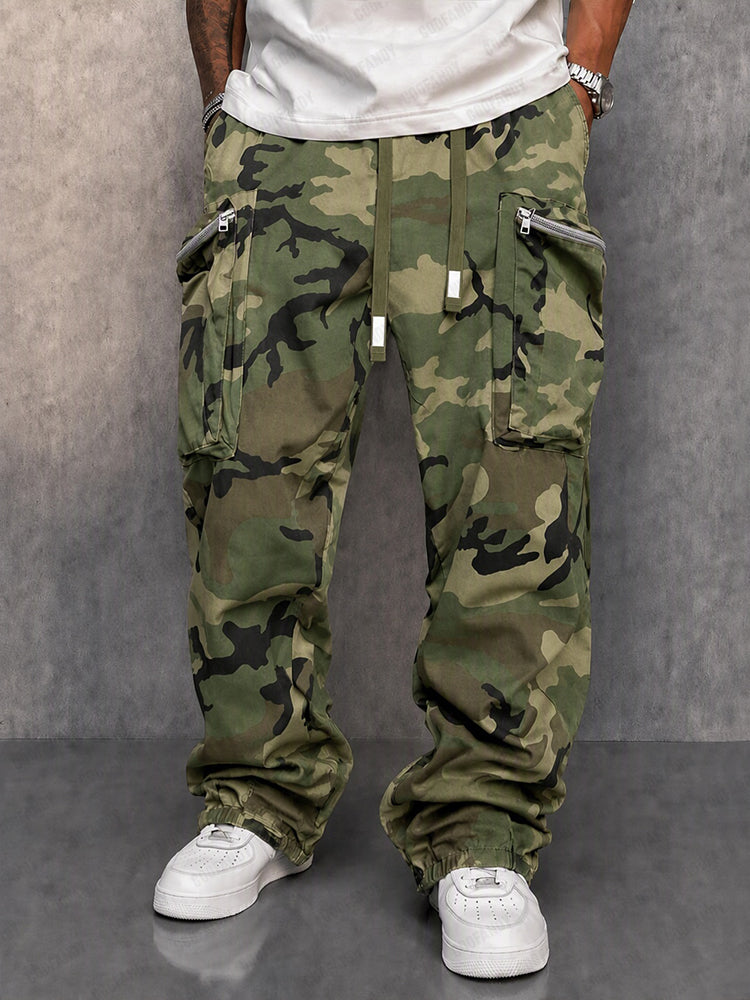
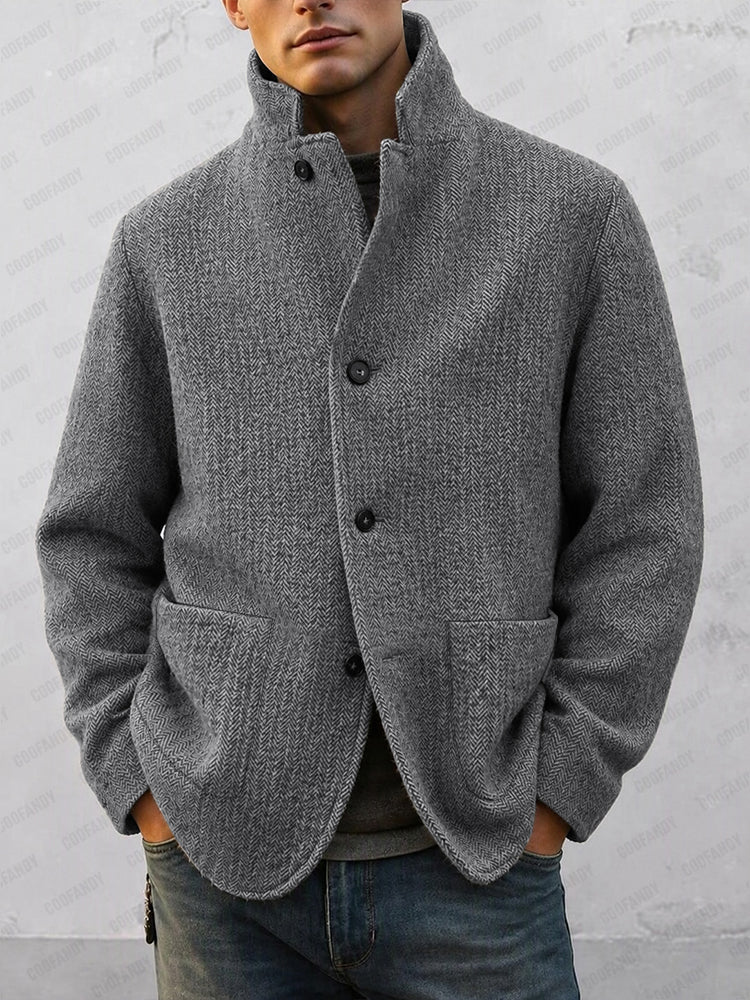
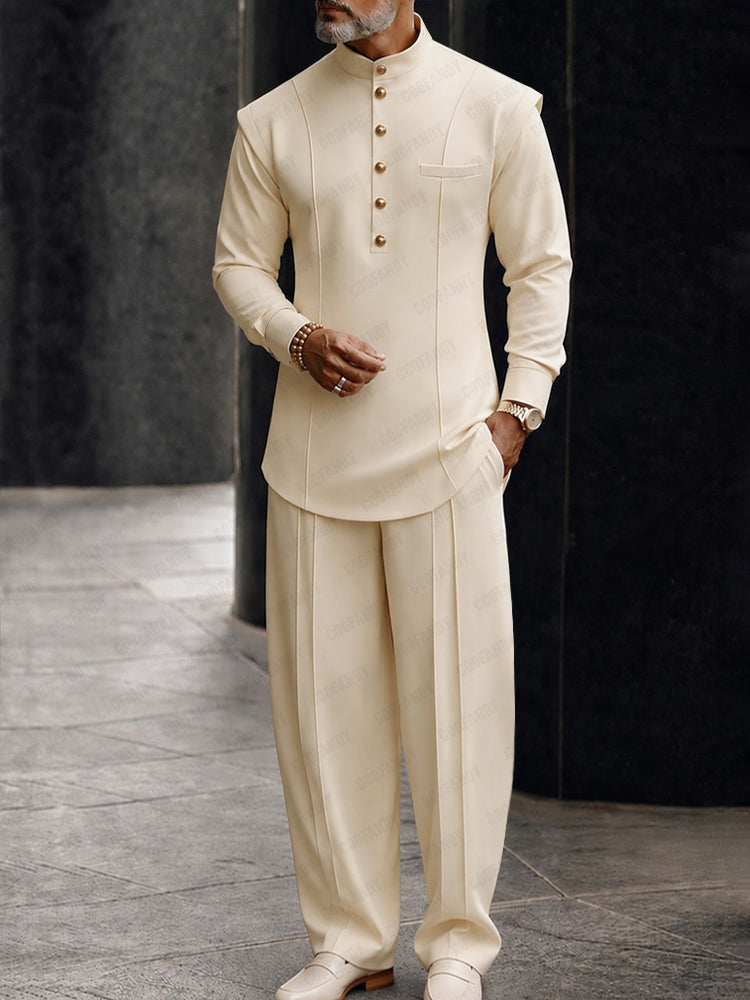
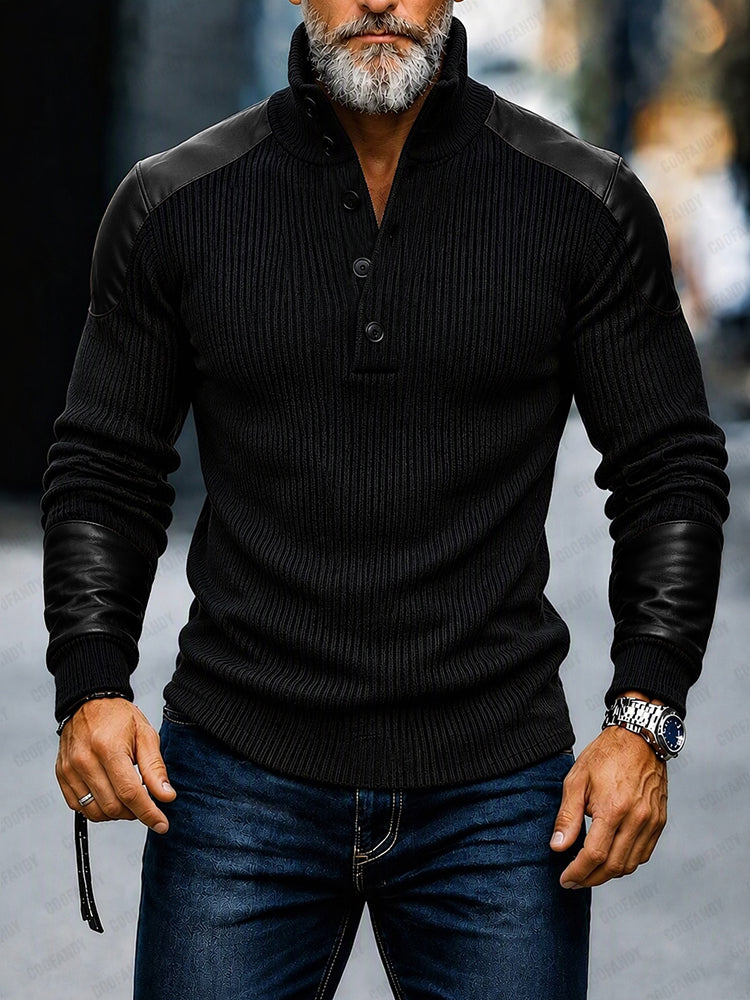
Gift Ready Menswear What to Check Before You Buy

A responsible menswear gift starts with the person who will wear it, not with the product photo that caught your eye. Before you buy, collect a reliable size reference, identify the garment's real job, check whether it belongs in the recipient's wardrobe and read the current product page for the details that actually affect the decision. Then verify the current purchase and return or exchange terms.
This order helps you avoid the two common gift mistakes: choosing an attractive item that cannot be sized responsibly, or choosing a technically suitable item that asks the recipient to build an entirely new outfit and care routine around it. If a key answer is missing, pause or ask one discreet question. A thoughtful gift can remain a surprise without requiring you to guess.
Start With the Recipient, Not the Product
Begin with observations you can defend. What does he already wear to work, dinners, weekends or travel? Which shirts, jackets, trousers and shoes appear repeatedly in his closet? Does he usually choose open collars, button-front shirts, tailored layers, relaxed fits or very simple colors? These observations are more useful than assigning him a personality label such as “classic” or “fashion-forward.”
Write down three things before you browse:
- one setting where he would realistically wear the gift;
- one garment in his closet that gives you a size or proportion reference; and
- two or three colors or outfit partners he already reaches for.
If the gift is for an event, read the invitation or ask what clothing category is expected. “Dinner,” “celebration” and “holiday” describe a situation, but they do not automatically tell you whether a shirt, separate blazer or matching suit is acceptable. The stated requirement controls the choice. A gift that looks good in a product photograph still fails if it sends the recipient to an event in the wrong category of clothing.
Keep the evidence concrete. “He wears a medium” is a starting point, not a complete measurement record. “He wears this particular shirt after washing it and likes the shoulder and sleeve length” gives you a much stronger reference. “He likes neutral colors” becomes useful when you can name the trousers, shoes or layers that the new piece must work with.
The first stop rule is simple: if you cannot name a real setting, a trustworthy size reference or a plausible wardrobe partner, do not let the product page make those decisions for you. Ask, observe a little longer or choose a gift that depends less on precise fit.

Choose the Garment Category Before the Color
Once you know the setting, decide what kind of garment can do the job. A shirt, blazer and matching suit solve different problems. A shirt may be the better choice when the recipient already has trousers and shoes for the occasion and usually dresses in separates. A blazer needs stronger evidence about shoulders, chest, sleeve length and the trousers underneath. A matching suit should remain in the comparison when the invitation or workplace specifically requires a coordinated suit.
Use this category test before looking at color:
| If the recipient needs to… | Start by checking… | Pause when… |
|---|---|---|
| Add an easy shirt to an existing wardrobe | His usual collar, sleeve and hem preferences, plus a reference shirt | The shirt has no realistic outfit partner or the size reference is weak |
| Add a separate blazer | A jacket reference, shoulder and chest measurements, and compatible trousers | The event calls for a matching suit or the shoulders cannot be checked |
| Dress for a defined formal requirement | The exact wording of the invitation and whether separates are allowed | You are trying to make a casual garment replace a required category |
| Give a statement piece | The recipient's existing colors, patterns and willingness to style it | The gift only works with several new purchases |
This is why color comes later. Black, gray, olive or another appealing color cannot repair a category mistake. A blazer in the right color is still the wrong gift if the recipient needs a matching suit. A shirt in a versatile color is still a poor surprise if its collar, sleeve or care instruction conflicts with how he dresses and maintains clothes.
For a more focused follow-up after you have chosen a shirt category, read How to Judge a Premium Men's Shirt Online. It examines the shirt page itself; this article keeps the wider gift decision in view.
Get the Size Evidence Right
Sizing is the point where a pleasant idea becomes a responsible purchase. Use a garment the recipient already owns as your first reference whenever possible. Look for an item he chooses willingly and that appears to fit the way he likes to wear it. Record the label size, but also compare measurable points such as chest, shoulder, sleeve and body length when the product category makes those dimensions relevant.
Then open the exact product page and compare the reference with the current size guide. Do not treat a familiar letter size as a universal translation between brands or categories. A shirt size and a blazer size can carry different fit consequences, and a relaxed shirt reference is not automatically a reliable blazer reference.
If you cannot inspect a reference garment, use a discreet question rather than a forced guess. You might ask which size he buys in a particular brand, ask for a jacket measurement while discussing another purchase or involve someone who can check his closet. The best method depends on the relationship and the need to preserve the surprise, but the decision standard stays the same: obtain evidence that relates to the actual garment.
The product page can help you screen an order. It cannot guarantee the fit on a body it has never measured. After the gift arrives, the recipient still needs to inspect the item under the current store policy. Keep tags, packaging and the garment's original condition as the current policy requires, and do not promise an exchange or return outcome before checking the live terms for that order.
When the size evidence conflicts, let the conflict stop the purchase. Do not resolve it by choosing the usual size, sizing up “just in case” or assuming a loose silhouette will hide every measurement problem. Ask, compare another garment or choose a category with less structural risk.
For a blazer-specific follow-up after this general gate, see How Should a Casual Blazer Fit Through the Shoulders. That page narrows the shoulder question; it does not replace the broader gift checks here.

Test the Gift's Real Wardrobe Job
Do not stop after identifying one possible occasion. A gift is more useful when the recipient can place it into his existing week without buying several supporting pieces. Name two real uses and write down the clothes that would complete each one.
For example, a shirt might have one role for a relaxed dinner and another for a weekend trip. A blazer might work for a permitted business event and a smart-casual dinner. The two uses do not need to look identical, but they must be plausible for the actual recipient and the clothing he owns. “He could wear it someday” is not a second use.
Check the entire outfit, not only the gifted item. List the likely trousers, shoes, base layer and any removable layer. If the new piece works only after you add two pairs of trousers, new shoes and another shirt, the purchase is larger than the gift itself. That may still be intentional, but it should be a conscious wardrobe decision rather than an accidental burden.
The two-use test also catches color and proportion problems. A color that looks easy on a screen may have no partner in his closet. A bold front detail may compete with the patterns he already wears. A shorter shirt hem may work with one pair of trousers but not the shorts or denim he usually chooses. You do not need a universal rule about what every man should wear; you need two complete combinations that make sense for him.
Use the event requirement again at this stage. If one of the proposed uses requires a matching suit, tuxedo, uniform or another defined category that the gift does not meet, remove that use from the comparison. Do not keep a weak second use simply to justify the purchase. A clear “this is a one-event item” decision can be valid, but it should change the size, timing and purchase-risk calculation.

Read the Product Page as a Fact Sheet
Once the recipient, category, size evidence and wardrobe uses are clear, read the exact product page. Separate what the page states from what you are tempted to infer. Product names, fabric labels and photographs can help you identify the item, but they do not by themselves prove comfort, breathability, durability, formalness or a guaranteed fit.
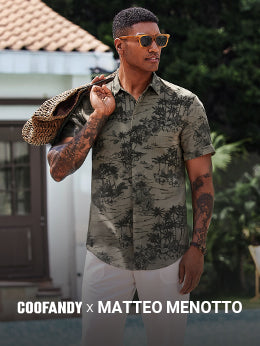
One current shirt example is the Vacation Casual Hidden Placket Linen Blend Shirt. Its current page identifies AMV007695, shows a Cuban collar, hidden button placket with bartack stitching, short sleeves, side slits, back pleats and a straight hem, and lists Olive Green and Black as color options. The page also lists 55% linen and 45% cotton, with machine wash cold and wash with like colors as the care instruction.
Use those fields as a verification list. Ask whether the recipient already wears that collar and sleeve type, whether the listed colors have partners in his wardrobe and whether the care instruction fits his normal routine. Do not convert “linen blend” into a promise about cooling, softness or comfort. The listed composition is a page fact; the recipient's experience remains a separate question.
For a more structured layer, the Tailored Fully-Lined Peak-Lapel Wool Blend Blazer is a current blazer example. Its page identifies AMV007743 and lists an extended peak lapel, structured waist, crisp shoulder line, single welt chest pocket, two flapped pockets and fully lined construction. It lists Black and Gray, a composition of 37% wool, 36% polyester, 25% viscose and 2% spandex, and professional dry clean only as the care instruction.
Again, treat the details as questions to answer rather than promises to repeat. Does the recipient have a real use for a structured blazer? Can the shoulder and chest be checked against the current size information? Is professional dry cleaning compatible with his routine? Does Black or Gray connect to the trousers and shoes he owns? The page does not answer those questions for you, and the product name does not guarantee that the jacket will meet a formal invitation.
The same discipline applies to any other menswear category. Verify the current title, variant options, composition, care field, measurements and visible design on the exact page. Do not borrow a material, color, care instruction or fit expectation from another product just because the items appear in the same collection.
Check the Purchase and Review Path
The last check is practical: can the recipient inspect the item in time and under the current store terms? Before ordering, reread the product page, size guide and the applicable shipping, return or exchange information. Check the date you need the gift, the channel where you are buying and any conditions that affect the return or exchange process. The answer can change, so use the current information attached to the order rather than a remembered policy.
Do not write a return promise on the gift card unless you have verified the current terms and know they apply to that purchase. Say that the recipient should check the live policy if the size or condition is unresolved. This keeps the gift considerate without turning a general shopping rule into a guarantee.
Before checkout, run the decision table one more time:
| Check | Ready means… | Pause means… |
|---|---|---|
| Recipient | You can describe his actual wardrobe role and preferences from observation | You are selecting from a stereotype or a product image alone |
| Category | The garment matches the stated event and the wardrobe he already owns | The gift is being asked to replace a required category |
| Size | A trusted reference has been compared with the exact current size guide | The only evidence is a guessed letter size or height/weight assumption |
| Use | Two concrete outfits can be completed with existing or intentionally planned pieces | The item has one vague use or needs several unplanned purchases |
| Product facts | Identity, variant, composition and care have been read on the exact page | You are relying on another product's details or a product name's promise |
| Return or exchange terms | Current purchase terms and timing have been checked | You cannot explain what happens if the size or condition is wrong |
If the gift passes every row, you have enough evidence to make a considered purchase. If one row fails, the right next step may be a question, a different category, a smaller commitment or waiting. That is a useful result: the purpose of the checklist is to prevent the buyer from transferring uncertainty to the recipient.
The Gift-Ready Decision Checklist
Before you buy, ask:
- What real setting will the recipient use this garment for?
- Which garment in his closet gives me a trustworthy size reference?
- Does the category match the invitation or dress requirement?
- Can I name two complete outfits using clothes he already owns?
- Have I checked the exact product page for the current variant, visible design, composition and care?
- Have I avoided turning a material name, color or product title into a performance or fit promise?
- Have I checked the current purchase and return or exchange terms for this order?
If the answers are clear, you can browse the COOFANDY Signature page and the COOFANDY Signature collection with a defined job in mind. If the answers are not clear, keep researching or ask one good question before you buy. A gift becomes more personal when it reflects the recipient's actual life, and more responsible when it leaves room for the actual garment to be evaluated.
FAQ
How do I choose a clothing size as a gift?
Use a garment the recipient already wears as a reference, compare its relevant measurements with the exact product's current size guide and stop when the evidence conflicts. A familiar letter size alone does not prove that a different category or brand will fit.
Should I buy a shirt or a blazer as a gift?
Choose the category that matches the recipient's real use and the event requirement. A shirt may be easier to place into an existing wardrobe, while a blazer needs stronger evidence about shoulders, chest, sleeves and supporting trousers. If the invitation requires a matching suit, do not use either category as a substitute without confirmation.
What should I check on a clothing product page before buying?
Check the exact product identity, selected color and size, visible design, listed composition, care instruction and current size information. Keep those facts separate from assumptions about comfort, performance, formalness or guaranteed fit.
What if I do not know the recipient's size or the current return or exchange terms?
Ask a discreet question, inspect a trusted reference garment or choose a gift that depends less on precise fit. Check the current terms for the actual order before buying. If you cannot resolve the size, intended use or return or exchange process, waiting is better than making the recipient solve the uncertainty after opening the gift.



Leave a comment