












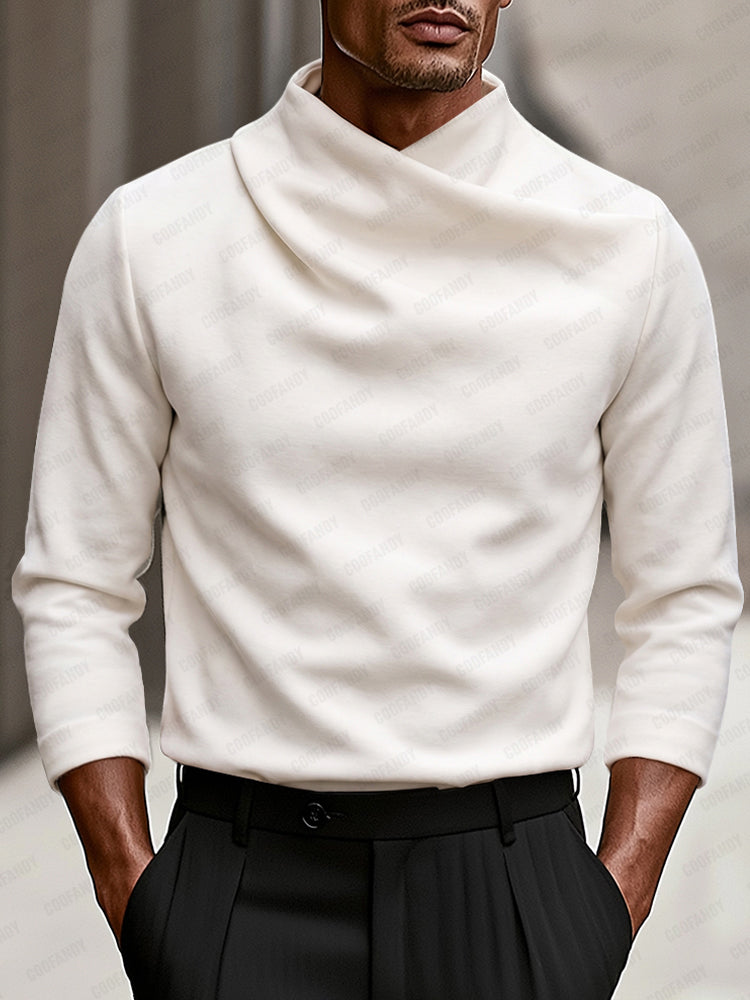
Late-Summer Back-to-School Outfits for Men in 2026: A Campus Day From Morning to Evening
At 8 a.m., the day may feel simple: a walk from the parking lot, coffee in one hand, backpack over one shoulder. By evening, the same schedule can include a lab, a library table, dinner with friends, and a club meeting. Late-summer campus dressing works when the outfit still looks considered after all of that. Build it around the full day, then carry one piece that has a real purpose rather than turning the bag into a spare closet.
Begin With the First Class, Not the Forecast
Your timetable gives better clues than a broad weather description. Check where the first class is, how many buildings you will cross, whether you will be seated for a long period, and when you expect to leave campus. A day with a studio class and an evening event needs a different approach from a day made up of one lecture and a commute home.
Put the schedule into a rough sequence: arrival, longest class block, midday errand, late-afternoon work, and evening plan. Each part changes what you do with your clothes. The arrival calls for shoes that make sense on the route. The long class block tells you whether the pants work while seated. The evening plan decides whether a layer is useful or merely another thing to carry.
| Part of the day | What to notice | Outfit decision |
|---|---|---|
| Morning arrival | Walking distance, bag, first classroom | Choose a complete base that does not need an outer piece to look finished |
| Midday movement | Stairs, lunch, library, outdoor crossings | Keep the shirt and pants easy to manage with the bag on and off |
| Afternoon class or work shift | Time seated and the next stop | Check whether the base still looks orderly after normal movement |
| Evening plan | Venue, people, and stated expectations | Add only the piece that meaningfully changes the outfit for that setting |
Make the Base Look Complete on Its Own
A shirt-and-pants combination should still look intentional when you set the bag down and remove anything you were carrying. This is especially helpful on a campus day, where you may move from a classroom to a student organization without time to assemble a new look.
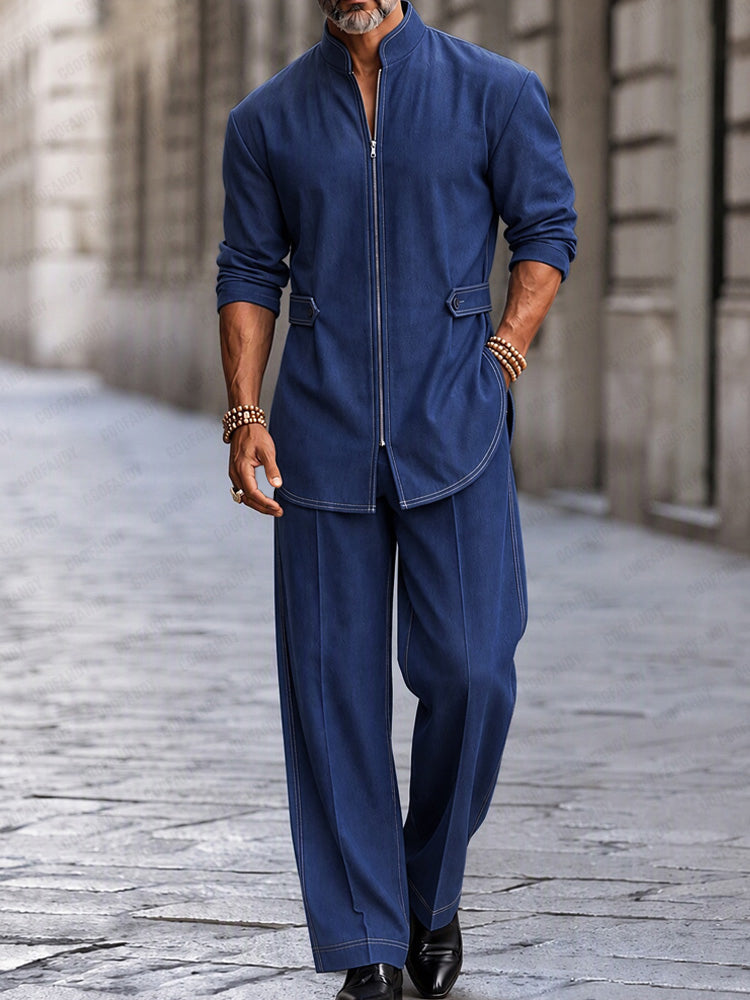
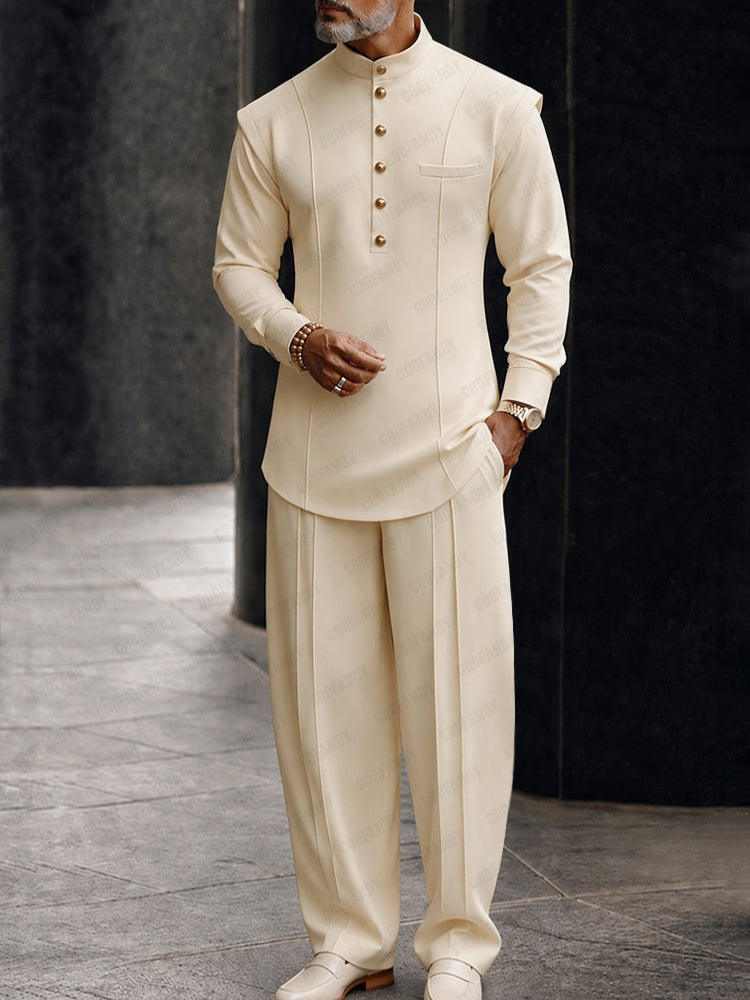
Think about proportion before adding extras. A shirt with a relaxed shape can work well with pants that have a cleaner line. A more structured shirt can balance a less formal pair of pants. You do not need a uniform of neutrals, but it helps to know that the shirt, pants, and shoes belong in the same outfit before the layer enters the picture.
Try the full combination with the backpack. Adjust the straps, sit down, stand up, and look at the shirt hem. If it rides up or pulls in a way that keeps asking for your attention, change something. The right base is not invisible because it is boring; it is invisible because you stop having to manage it.
Give the Carried Layer One Job
A layer can earn its place by helping with a particular room, a later meeting, or the walk from campus after dark. Pick one reason. A layer chosen for every possible condition is often bulky, hard to store, and unrelated to the rest of the outfit.
For a classroom or library where you know you will want another piece, choose one that is easy to put on and remove without disturbing the shirt underneath. For an evening club meeting, choose one that gives the outfit a slightly more deliberate finish. The base should still make sense when the layer is off; that is what keeps the day from feeling like two unrelated outfits.
Carry it where it will remain usable. Folding it under a laptop and several books may leave you with an item you do not want to put on later. If your bag does not have room, reconsider whether the layer solves a problem you actually expect. A simple answer is often the better one.
Plan the Afternoon Check, Not a Midday Overhaul
Sometime between the last class and the evening plan, take two minutes to assess the outfit. Look at the collar, shirt front, hems, and shoes. Empty bulky pockets. If the day involved food, art supplies, a bike, or a crowded bus, this check is also the moment to decide whether the next event calls for a change.
Most days do not. A clean base with a quick adjustment can take you to dinner, a campus talk, or a casual meeting without a full wardrobe swap. When an event has a stated dress code, that information matters more than a general college style rule. Use a shirt change, footwear change, or layer only when it answers what the venue asks of you.
This is also where a small color plan pays off. If the pants work with two shirts you already own, you have a practical alternative ready without packing an entire second outfit. Repeat options come from pieces that work together, not from buying a new formula for every semester.
Verify the Pieces Against a Real Campus Schedule
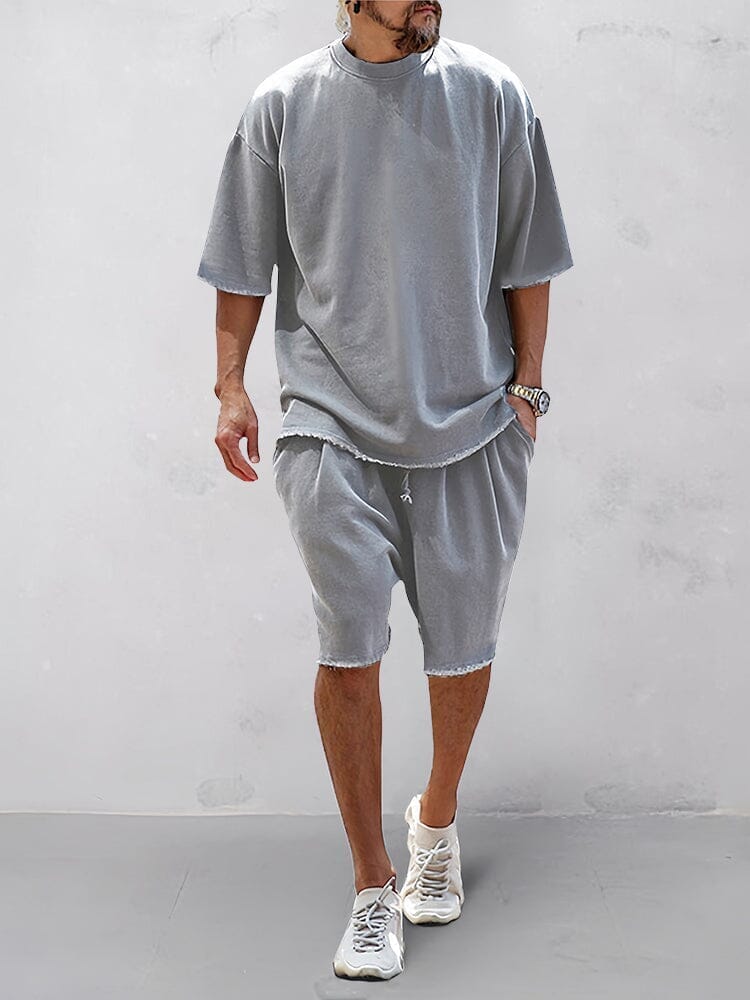
For a shirt that will appear at classes, lunch, and an evening plan, inspect the Soft Solid Cotton Linen Shirt for current size, fabric, fit, and care details. Compare the information to your actual bag, timetable, and the role you want the shirt to play. The listed details are there to help you make a specific decision, not to imply that one shirt suits every schedule.
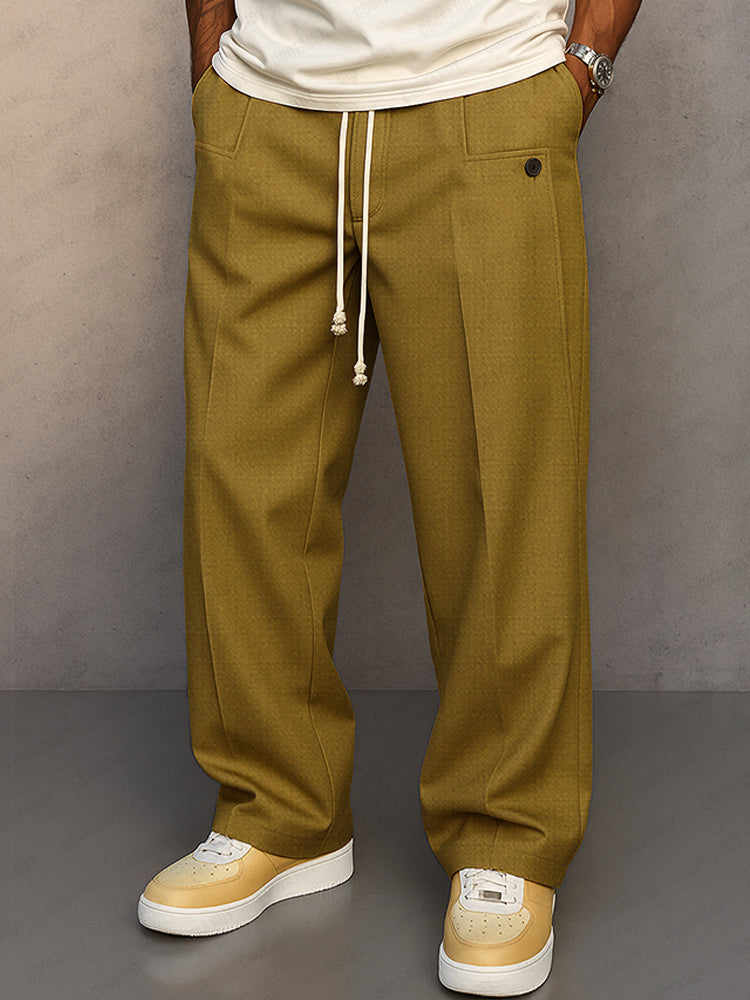
Review the Cozy Straight Leg Cotton Linen Pants with the same discipline. Check the measurements and care guidance, and consider the time you will be seated, walking, and meeting people later. A product title cannot determine how a pair will sit on you or whether it fits the proportions you prefer.
Keep the Bag Focused
The contents of your bag affect how the outfit works. Books, a laptop, water, and the materials for class already take space. Add only the item that helps the most likely transition: the layer, a clean shirt for a planned evening event, or small grooming essentials. Do not pack a response to every possible change in the day.
A focused bag also makes the end-of-day decision easier. You know what you brought and why. There is no need to empty the bag on a restroom counter looking for a theoretical backup. If the base is still presentable, leave it alone. If the evening plan truly differs from the day, use the one piece you selected for that purpose.
From Arrival to the Last Meeting
The strongest late-summer campus outfit has a quiet kind of range. It gets you through the morning walk, the chair in class, and the stop for food without feeling unfinished. Later, it can take a small adjustment without losing its shape or becoming a costume for the evening.
That range comes from paying attention to the calendar, the places you will be, and the people you will meet. Choose a base you would be comfortable wearing all day, make the layer answer one known need, and let the rest of the schedule determine whether any change is necessary.
FAQ
What should I wear when my first class is casual but my evening campus event is more polished?
Build the daytime outfit as a complete base, then add the one item that responds to the event's stated setting, such as a cleaner shirt or a layer. Check the organizer's details instead of treating every evening event as formal.
How do I keep a backpack from making a shirt look untidy by afternoon?
Try the outfit with the loaded bag before leaving, then adjust the straps so they do not repeatedly pull at the collar or hem. At the afternoon transition, take the bag off, smooth the shirt, and reassess before making a larger change.
What layer makes sense for a library, a late class, and dinner with friends?
Choose the layer based on the place where you expect to wear it, not as insurance against every change in the day. It should fit in the bag without crushing the items you would need to use later.
Do I need a full outfit change after a lab or part-time shift?
Only when the work has changed the condition of the base outfit or the next venue has a clear expectation. A quick check of the shirt front, pants hems, and shoes often tells you whether one targeted change is enough.

Leave a comment