










How to Make a Men's Dress Shirt Look More Polished: Fit, Fabric and Finishing Details
Most dress-shirt fixes are small. Before: the collar is twisted, the hem is caught above the waistband, and the shoes belong to a different plan. After: the collar lies flat, the hem has a clear finish, and the outfit reads as one thing. You do not need a new collection of accessories to make that change.
For fabric, start with the exact garment's listed composition and care directions, then judge how the shirt looks after a normal sit and stand. No fabric label alone makes a shirt look polished. Look at the shirt where people will see it: around the face, across the shoulders, at the cuffs, and where it meets the trousers. Then make one adjustment at a time. The difference often shows up before you leave the mirror.
Begin at the Collar
Before: the collar is buttoned in a hurry and one side has rolled under. After: it lies evenly, the closure does not pull, and the shirt has a clean frame around the face. This takes less time than trying to distract from it later.
Put the shirt on, button it as you intend to wear it, and look straight ahead. Turn your head, sit down, then stand again. If the collar shifts badly, check the shirt size and construction before you add a tie, jacket, or necklace. The collar is doing the visible work here.
For a meeting or an event with a more formal setting, a tidy collar and tucked shirt can give the outfit a clear direction. For a relaxed dinner, an untucked finish may work when the collar, hem, trousers, and shoes agree. The room decides how much structure the shirt needs.
Check the Shoulder and Sleeve Line
Before: the shoulder seam drops down the arm or the sleeves tighten when you reach for a door. After: the shoulder line sits close to its natural place and the sleeves keep their shape when you move. The shirt looks different immediately.
Raise your arms, bend your elbows, and pick up something at waist height. Then look again. A shirt that only looks right while you are standing very still will be frustrating at a desk, dinner table, or event. If the shoulders are wrong, piling on layers rarely improves the basic outline.
At the cuffs, look for a length that feels balanced with your hands and the rest of the sleeve. A sleeve can be neat without being pulled tight. Keep the finish simple. One clean adjustment is more useful than several fussy ones.
Tuck, Untuck, Then Look From the Side
Before: the shirt is half-tucked or the hem is bunched at the waist. After: the tuck is secure, or the untucked hem falls in a way that clearly belongs with the trousers. The side view makes the difference obvious.
Try both finishes only when the shirt and occasion allow it. A tucked finish often makes sense for a business-facing meeting, a formal invitation, or a setting where you want a more defined trouser line. An untucked finish can work for dinner or a casual social plan when the shirt length and hem are built for it. Do not let the word “dress shirt” make the choice for you.
Sit down in the full outfit. Stand again. If the shirt shifts into a shape you would not choose on purpose, change the finish or the shirt before changing everything else. This is the moment that saves a lot of last-minute fuss.
Make Trousers and Shoes Part of the Fix
Before: the shirt is neat, but the trousers are much more casual and the shoes feel unrelated. After: the trouser line and footwear back up the shirt instead of arguing with it. The outfit becomes easier to understand from a few steps away.
For office work, use trousers and shoes that make sense with the meeting, people, and room. For dinner, you may have more room for contrast, but keep the combination edited. A deeper trouser with a lighter shirt can be enough. A quiet shirt with more textured footwear can be enough. Pick one direction and stop there.
This also helps when you are getting dressed in poor light or in a hurry. If the shirt, trousers, and shoes look like they were selected for the same plan, you have solved the important part.
Two Shirt Tests That Take Five Minutes
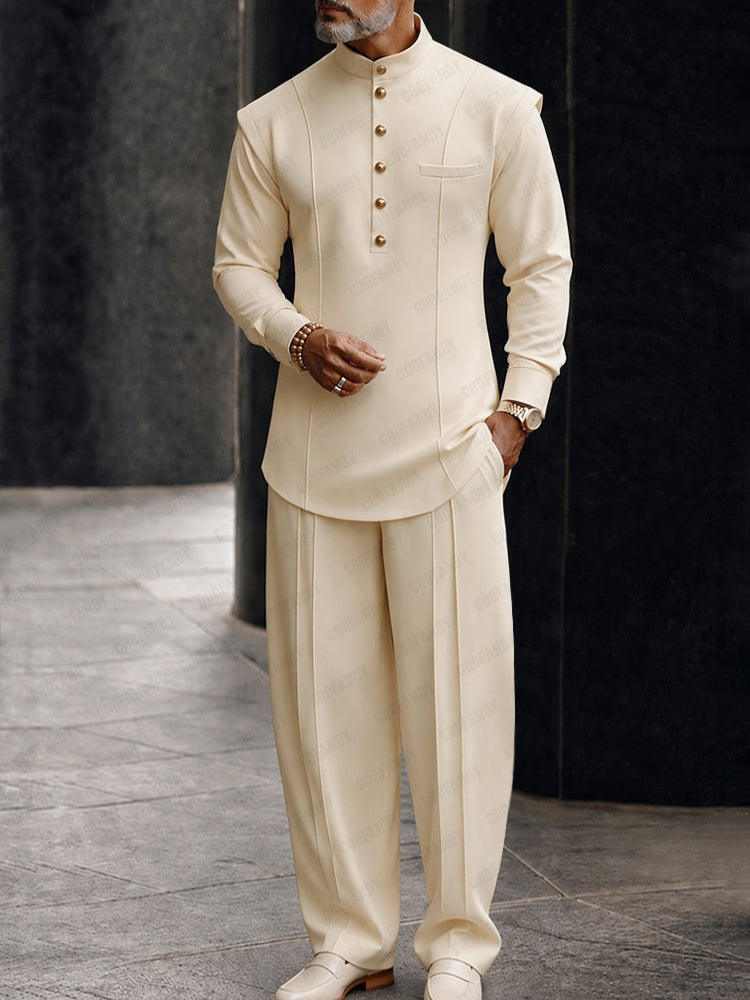
Try this dress shirt with the trousers and shoes you would wear for a meeting. Check its current size and care information, then see how the collar and cuffs look after you sit at a desk. That is the version of the outfit other people will see.
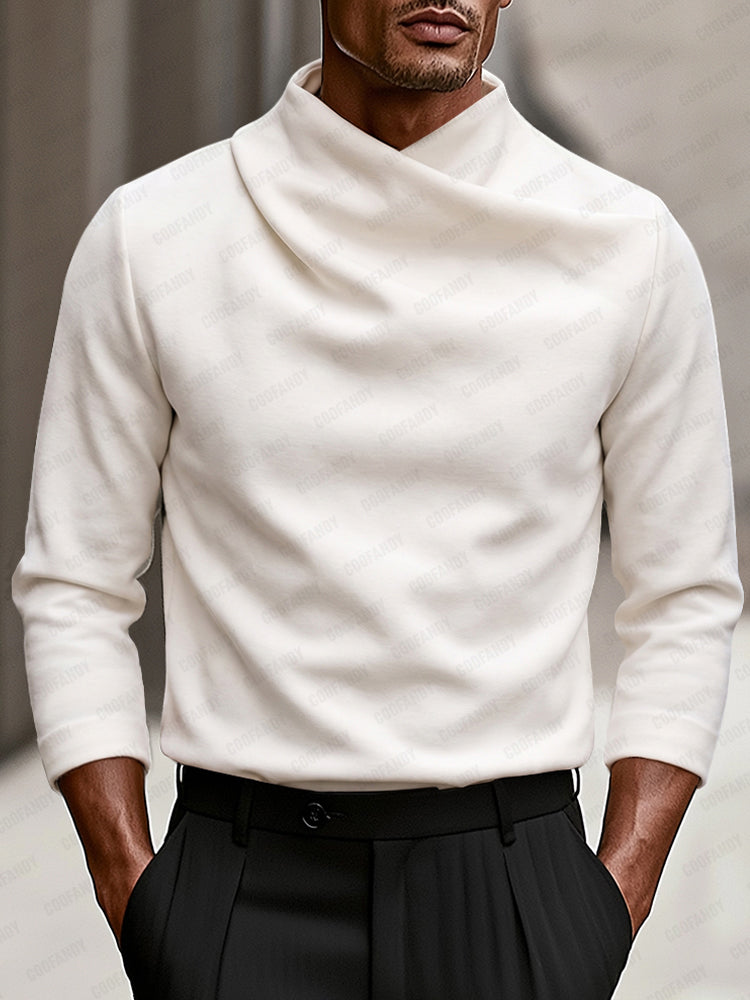
For an untucked dinner option, put this untucked dress shirt on with the actual shoes you plan to wear. Take a few steps, sit down, and look from the side. Check the listed care directions before you make it part of a regular rotation. A quick try-on tells you more than a shirt title.
When the Shirt Still Looks Off
Before: you keep smoothing the front because the shirt does not sit the way you expected. After: you notice that the trouble is at the waist, the shoulders, or the collar, and you deal with that one point. A shirt can look awkward for a simple reason. Find it before you add anything else.
Try the outfit in the light you will leave the house in. Walk to another room, sit down, and come back to the mirror. The front placket may shift, a sleeve may bunch, or the trouser break may suddenly look too casual for the shirt. None of these requires a dramatic fix. Retuck the shirt, choose a cleaner shoe, or switch to the shirt that already works with the plan.
This is particularly useful before a presentation, dinner reservation, or family event. Those are the moments when people tend to keep adjusting without knowing why. A short reset is enough. Look at the whole outfit. Make the one change that makes it quieter.
A Last Look Before You Go
Before: you keep adding pieces because something still feels off. After: you notice the actual issue, fix it, and stop. That is usually the better finish.
Run your eyes down the collar, shoulders, sleeves, placket, hem, trousers, and shoes. Remove the detail that is making the outfit noisier, if there is one. You are looking for a shirt that suits the plan, not a shirt that proves a point.
Dress shirts look their best when the basics have been handled and left alone. A collar that sits properly, sleeves that move well, and a hem that matches the trousers can carry a workday or dinner without a complicated routine.
Choose the adjustment that changes the picture most. Make it. Then walk out the door.
FAQ
Should I tuck a dress shirt for a dinner reservation?
Tuck it when the restaurant or plan calls for a more defined trouser line. Leave it untucked only when the hem, trousers, and shoes make that finish look intentional.
What should I check before a work presentation?
Check the collar, shoulder line, cuffs, and tuck after sitting down. These are the details people will see while you stand, turn, and answer questions.
Why does my dress shirt look different after I sit down?
The hem, placket, and sleeves can shift with normal movement. Sit and stand in the full outfit before leaving, then retuck or change the shirt if the outline no longer works.
What is the quickest way to fix a shirt that looks off before leaving?
Find the one issue first: collar, shoulders, hem, trousers, or shoes. Correct that point, then stop adding pieces that make the outfit harder to read.

Leave a comment