









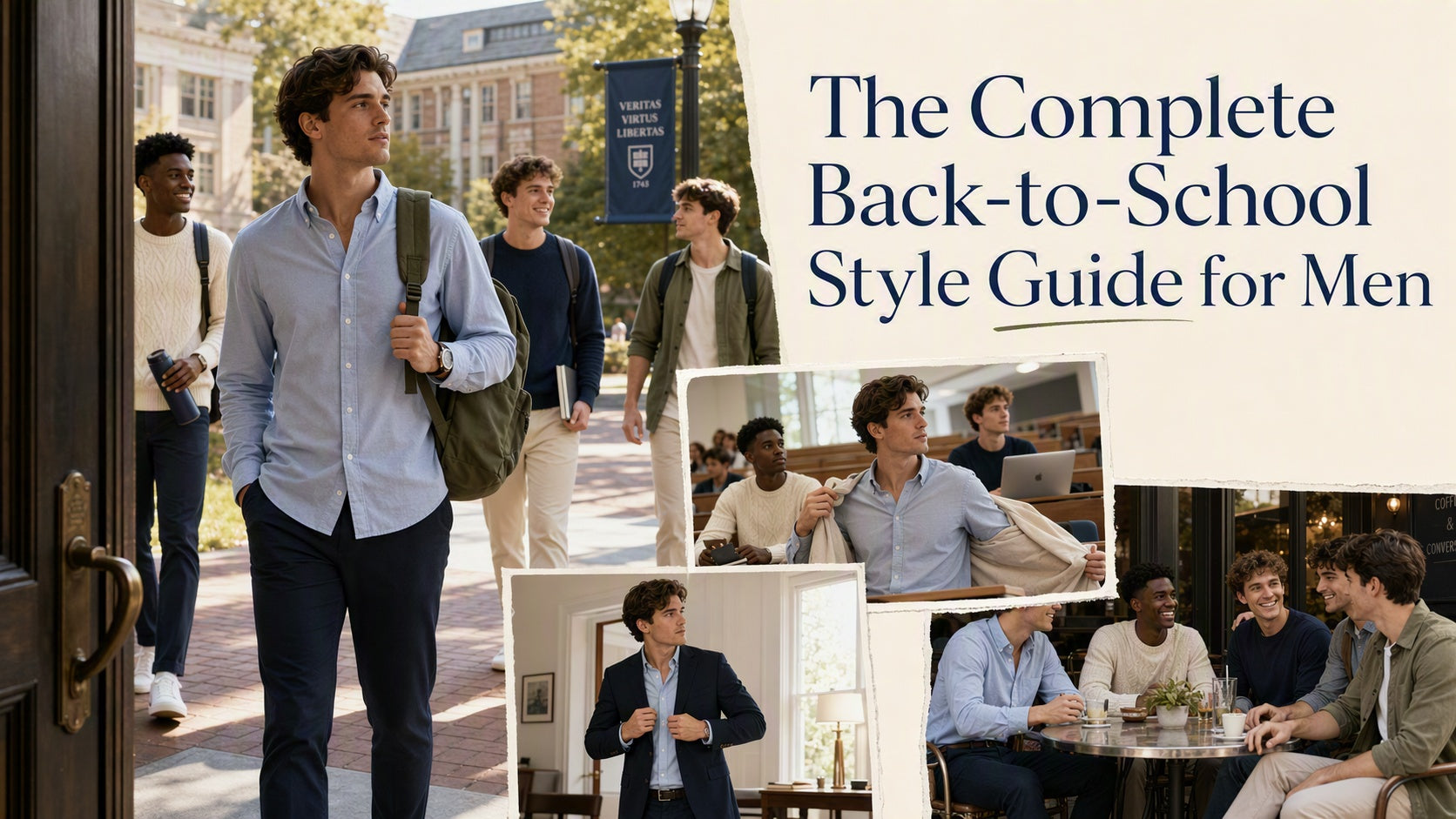
The Complete Back-to-School Style Guide for Men
Short answer: Start with eight pieces you can wear more than one way: two shirts, two neutral pants, both pieces of one coordinated set, one basic tee, and a removable layer. Add a third shirt or blazer only when your weekly schedule calls for it. That is enough to handle class, presentations, campus events, and evening plans without planning a separate outfit for every day.
At 7:45 a.m., you are heading to class with a backpack and coffee. By noon, the sidewalk is warmer than expected, but the lecture hall feels refrigerated. At 4:00 p.m., you have a club meeting or presentation. Dinner with friends starts at seven, and there is no time to return to your dorm.
That is the real back to school clothing problem. Finding one good outfit is easy. Building a small rotation that still works when the day changes takes a little more thought.
At COOFANDY, we would start with the clothes you are most likely to repeat. A clean shirt, neutral pants, and one removable layer can carry you from class to lunch, then into an evening plan with a small adjustment. When comparing men’s shirts that work across the week, check the collar, sleeve length, color, and listed fabric composition. The first product photo cannot tell you how that shirt will feel under a backpack at 3:00 p.m.
A few useful combinations will do more for you than a stack of one-off pieces.
What Should Men Wear Back to School?
For most college days, aim one step above careless and one step below office formal. The useful middle ground is a clean shirt or polo, comfortable pants with a clear shape, understated shoes, and a layer that is easy to carry.
Men’s back-to-school style changes from one campus to another. We would check four things before planning an outfit: the local dress culture, the weather from August into October, what happens after class, and how much walking or sitting the day involves.
Start with campus culture. An arts program, business school, and adult evening course may all call themselves casual, yet mean different things by it. Look at what instructors and student leaders wear. A full suit is usually too much for a lecture, but it may be right for a networking event.
Then check the weather. Late summer can mean a humid walk followed by aggressive air conditioning. By October, the same day may begin cold and end after sunset. A student in Arizona will not need the same layers as a student in Maine.
Look at the full day. A casual shirt can be made neater with a cardigan or blazer, while neutral pants can move from daytime sneakers to cleaner evening footwear.
Leave room to move. You may sit for ninety minutes, climb stairs, cross campus, and carry a loaded backpack before lunch. Tight tailoring, stiff shoes, and delicate layers get annoying quickly. Looking put together should still feel comfortable.
If your campus uses “smart casual” without explaining it, read the room rather than memorizing one uniform. Our guide to reading a college smart-casual dress code breaks down how the answer changes between classes, clubs, and presentations.
Build Your Back to School Wardrobe Around 8–10 Essentials
A useful campus wardrobe starts with what you already own. Before buying back to school essentials, put your usual shirts, pants, and layers where you can see them, then look for the missing job.
Our eight-piece starting point is two shirts, two pants, both pieces from one matching set, one layer, and one basic tee. Add a laundry-day shirt or presentation blazer only if your schedule needs it. Shoes and accessories sit outside the count.

1. Two or Three Everyday Shirts or Polos
Start with tops you will happily wear again next week. A solid button-down, textured short-sleeve shirt, or polo can work untucked for class and look neater with a small adjustment. If laundry is easy, two may be enough.
Neutral colors are simple to reuse, though your whole wardrobe does not need to be beige. One muted green, rust, or soft blue shirt can add range without becoming a one-outfit purchase.
Check the listed composition against your climate instead of shopping by appearance alone. Linen and cotton options may suit warm campuses, while knits or heavier fabrics can make more sense later in the term. Already covered here? Keep what you have.
2. Two Pairs of Easy-to-Match Pants
One dark pair and one lighter pair usually create more combinations than three similar jeans. Choose versatile men’s pants that work with your main tops, your everyday shoes, and the sharper pair you keep for presentations or evenings.
Navy, charcoal, olive, tan, and black are dependable. If most shirts are dark, another black pair may make every outfit feel heavy.
Sit down before you decide. The waistband and thigh should still feel comfortable halfway through a long lecture. Pants that only look good when you stand perfectly still will not get much wear on campus. If you already have two neutral pairs in good condition, you are covered.
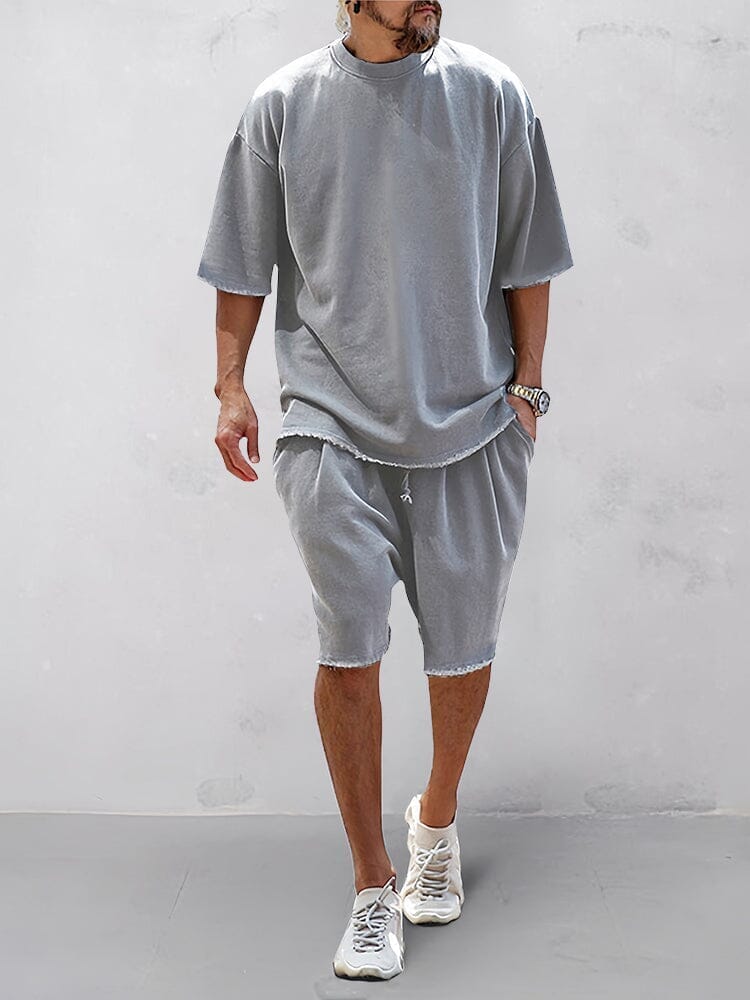
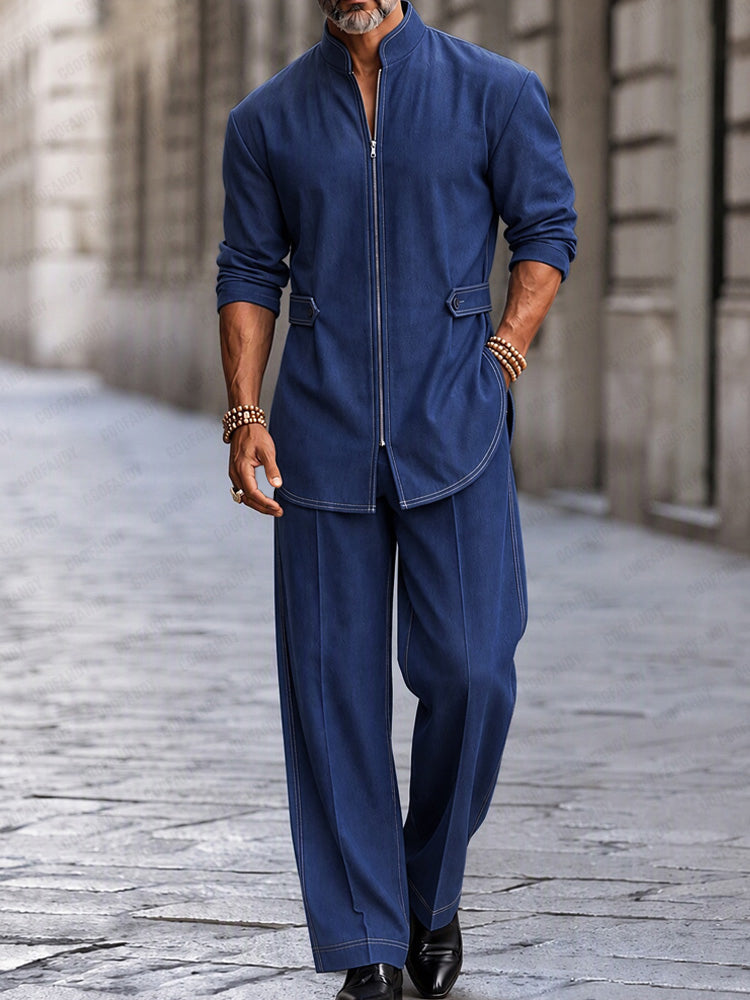
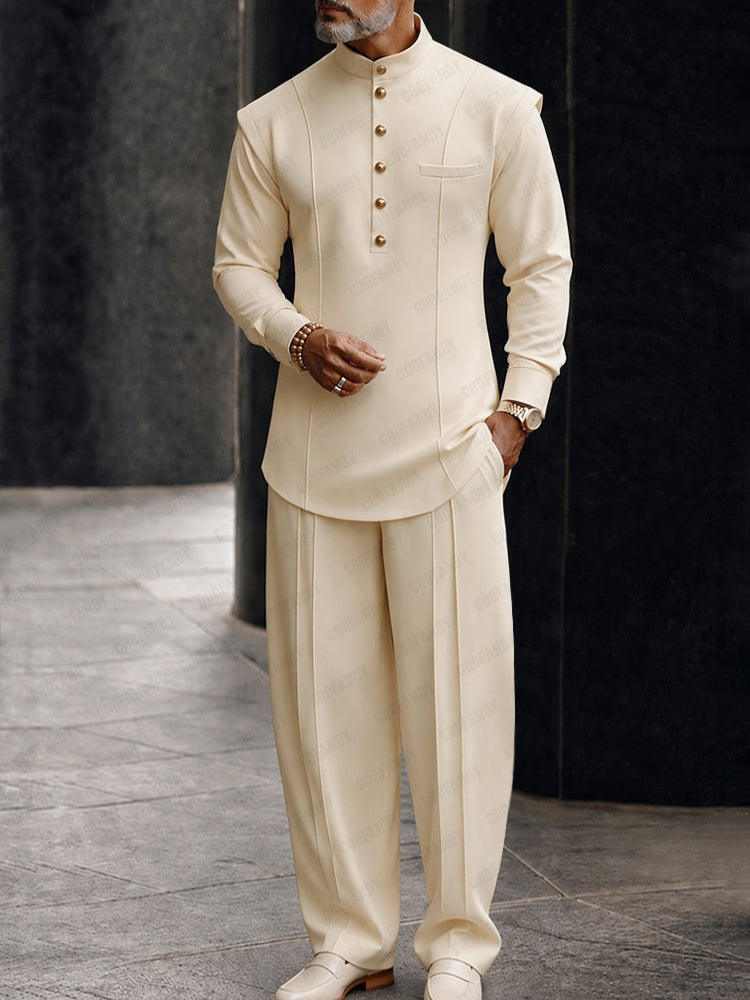
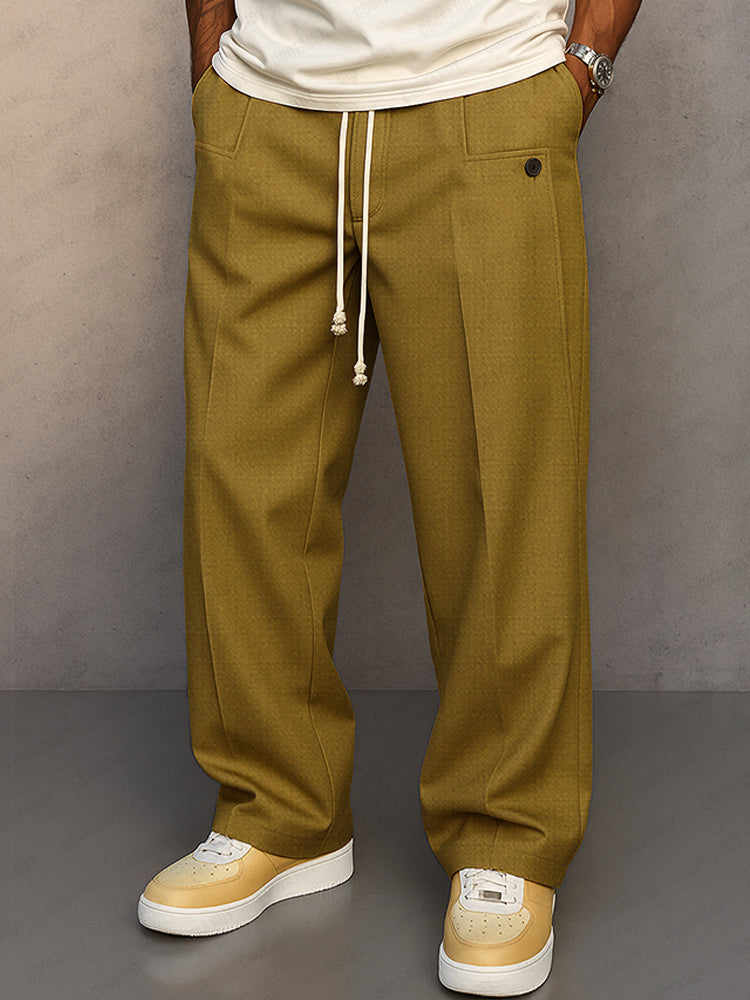
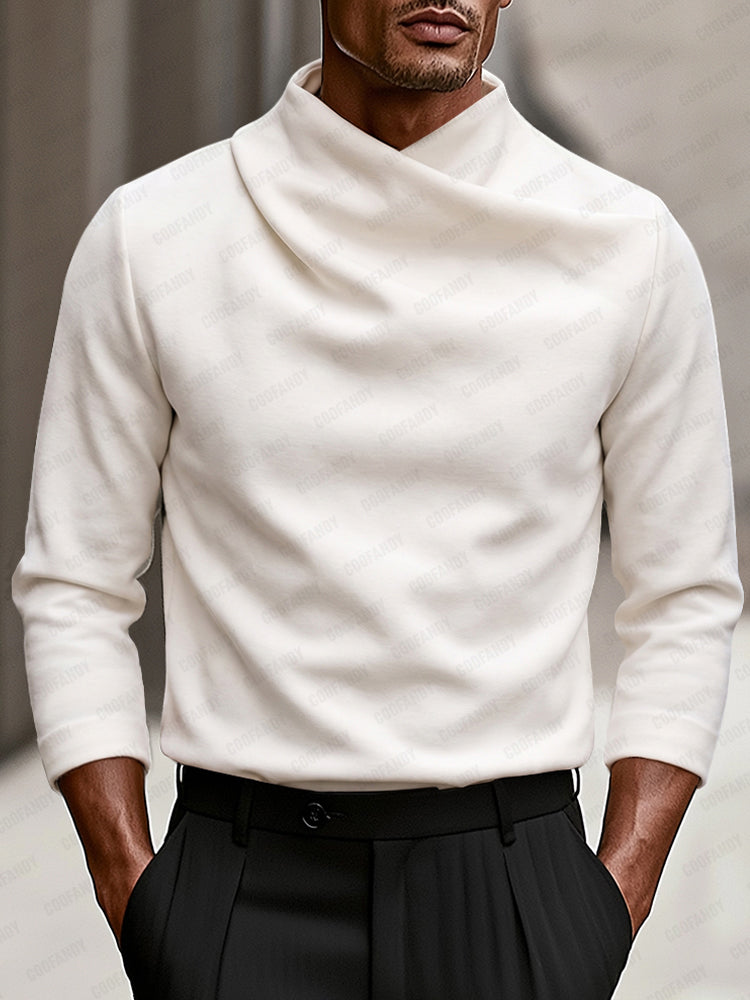
3. One Matching Set
A coordinated set removes color and proportion decisions before an 8:00 a.m. class. It also supplies separates for other outfits.
Before shopping coordinated matching sets, picture the shirt with pants you own and the pants with two usual tops. That is our practical test. If both pieces work alone, the set can help on rushed mornings and throughout the week.
If your current shirts and pants already coordinate without much thought, you can skip this category. Matching sets make decisions easier, but you do not need one to look put together.
4. One Cardigan or Lightweight Jacket
A layer may spend the afternoon over the back of your chair, then become the most useful thing you brought once the classroom air conditioning kicks in. Look at easy cardigan layers when you want a neater finish. Choose a light jacket when wind and the walk between buildings matter more.
You probably do not need a thick winter layer in August unless your climate or commute says otherwise. An overshirt you already own may handle the job just fine.
5. One Blazer for Sharper Campus Moments
A blazer earns its place at presentations, internship interviews, career fairs, dinners, and student leadership events. Ordinary lectures, dining-hall lunches, and move-in day rarely call for one.
When comparing men’s blazers for presentations and events, check the shoulders and leave enough room to sit comfortably. Keep the shirt and pants simple. Too many formal details can make a ten-minute presentation look like a job interview.
No professional or formal-leaning events on your calendar? Let the blazer wait. Borrowing or rewearing an existing jacket makes more sense than shopping for an event that may never appear.
6. Basic Tees, Two Shoe Options, and Small Accessories
Plain tees handle layers and laundry gaps. For shoes, one pair you can walk in and one cleaner option, such as minimal sneakers, loafers, or boots, will cover most student schedules.
Use a belt you already like, wear socks that stay comfortable through the day, and pay attention to the straps on your bag. Rough hardware and heavy loads are not kind to delicate shirts or jackets.
When you shop for back to school clothes, try each new piece with three outfits you already wear. If it only works in one carefully planned look, it may be more trouble than it is worth.
Five Back-to-School Outfit Formulas for Men
When we plan college outfits for men, we start with the schedule. These five back-to-school outfits are meant to be adjusted, so change the fabric weight, shoes, or removable layer to suit your region and the day ahead.

1. Early-Morning Class
Wear: A polo or casual button-down, straight or tapered pants, comfortable sneakers, and a cardigan in your bag.
A light top with darker pants gives an early class outfit enough contrast without making it feel dressed up. Soft blue with navy or cream with olive are easy places to start.
Make sure the base outfit still looks finished when the cardigan comes off. If the morning is already hot, wear a short-sleeve shirt and carry the layer only for the lecture hall. This late-summer campus outfit plan covers a longer morning-to-evening version.
2. Presentation or Internship Day
Wear: A solid button-down, tailored-looking pants, a blazer, and clean leather shoes or understated sneakers when the setting permits.
Navy, charcoal, white, pale blue, and muted brown work well here. Check the event before adding a tie; owning one is no reason to wear it. In warm weather, carry the blazer until you arrive.
If the day involves a long walk, carry your sharper shoes or choose a pair you have already tested. Brand-new stiff footwear is a poor presentation-day experiment. The college career-fair outfit checklist can help you match the look to the employer rather than guessing.
3. Campus Event
Wear: A textured shirt or knit polo, neutral pants, clean sneakers or loafers, and an optional light jacket.
This formula works for an interest meeting, guest talk, or organization dinner. Cream with olive and navy with tan are easy pairings. One interesting detail is enough, whether that is texture, color, or a jacket.
If you are greeting guests or introducing a speaker, sharpen the top half because that is where attention lands. A blazer may help, but it can also create distance at a casual volunteer event. Our guide to college club leadership outfits explains how visibility and role should change the choice.
4. Class-to-Date Night
Wear: A clean casual shirt, dark pants, clean sneakers or loafers, plus a cardigan or unstructured jacket for the evening.
Keep the daytime version relaxed; white, muted blue, black, and deep green can all carry into evening. Before the date, put down the backpack, smooth the shirt, check the collar, and change shoes only if the setting calls for it. A darker layer is often enough after sunset.
A blazer is not automatically the right choice for a date. Coffee, a campus walk, and a casual taco spot call for less formality than a reservation. If the location is the harder part, these first-date outfits by setting can help.
5. Cool-Weather Layering
Wear: A tee or button-down, overshirt or cardigan, structured pants, weather-appropriate shoes, and outerwear only when conditions justify it.
Build from light to protective layers, using related shades such as gray with charcoal or cream with brown. The inner outfit should still work in a heated classroom, while the outer layer handles the walk. Compare practical men’s jackets for milder days with lightweight fall outerwear once wind and colder evenings become regular.
Skip thick layers that will not fit in your bag or over the back of a chair. At least one layer should come off easily without leaving the rest of the outfit unfinished.
How to Choose Fabrics for the Back-to-School Season
Start with your climate, then consider laundry and care. Check the listed composition and product details; a fabric name alone cannot tell you exactly how a garment will feel, drape, or wrinkle.

Linen and cotton shirts can work well in warmer regions, especially during late-summer walks, but check the product composition instead of assuming every summer-looking shirt uses a natural fiber. Linen also creases visibly, which may be fine for a casual class and inconvenient before a formal presentation.
Cotton and cotton blends can react differently after washing, so read the label and care instructions before sending a new garment through a dorm laundry cycle.
For cold lecture halls, a removable cardigan, overshirt, or light jacket usually makes more sense than a heavy base. Outerwear weight should follow your location and commute, not a generic fall calendar.
A packed backpack changes the picture. Its straps press fabric against your shoulders and back, which can leave wrinkles and may increase wear over time. If your shirt needs to look sharp at 3:00 p.m., carry the blazer separately and give the visible areas a quick check before the event. This guide to keeping dress shirts presentation-ready in a dorm covers the routine in more detail.
How to Dress for Different Campus Situations
The formulas above give you the pieces. Real campus plans decide how dressed up those pieces need to look.
Everyday class: A tee, polo, or casual shirt with comfortable pants and walking shoes is enough. Nothing should need constant adjustment.
Orientation and move-in: Wear clothes you can move in while carrying boxes, then change for introductions or dinner. A loose cut does not guarantee a fabric will suit the heat, so check the composition. Save delicate shirts, light suede shoes, and structured blazers for later. A move-in weekend outfit plan separates the working clothes from the social plans.
Class presentation: Upgrade the shirt, pants, and shoes before adding formal accessories. A blazer can help when the class, instructor, or audience expects it. A full suit may look misplaced in a casual seminar.
Internship or career fair: Check the organization, role, and expected formality before choosing your outfit. Conservative industries may expect a suit, while creative or technical employers may accept polished business casual. For a broader boundary check, use the complete guide to business casual.
Club activity: Dress for the job you will actually do at the event. The photos come later. Setting up chairs requires different clothes from introducing an alumni speaker. If you do both, wear a base you can move in and add the sharper layer after setup.
Campus date: Match the place and the amount of walking, sitting, or time outdoors. Clean casual clothing usually works better than interview-level formality at a coffee shop, campus walk, or low-key dinner. Bring a layer if the plan runs past sunset.
Adult night school: Work with what you wore during the day. Arriving from the office? Relax one formal element. Coming from home? A polo or button-down with clean pants looks considered without feeling corporate.
Common Back-to-School Style Mistakes
Some outfits look fine in the mirror and become annoying by noon. These are the problems we would try to avoid.
Dressing like every day is an interview: a tie, dress shoes, and structured blazer can look misplaced in an ordinary lecture, so save higher formality for a reason.
Ignoring the route between buildings: an outfit that works in air conditioning may feel unbearable during a twenty-minute sunny walk, so use a removable layer instead of a heavy base.
Buying pieces that refuse to cooperate: a dramatic shirt that only works with one pair of pants becomes a problem when laundry day moves unexpectedly.
Forgetting what a backpack does: straps can crease a shirt, flatten a jacket shoulder, and rub textured surfaces. Carry a delicate blazer when possible, and check the back of your shirt before presenting.
Depending on one pair of jeans: one overworked pair limits color, formality, and laundry timing, even if jeans suit most days. A second pair of neutral pants changes more outfits than another graphic top.
Having no classroom layer: outdoor heat does not guarantee indoor comfort, so keep one cardigan, overshirt, or packable jacket available.
Plan for the unglamorous parts too. Walking, laundry, backpack pressure, and changing temperatures decide which clothes actually get repeated.
Quick Back-to-School Clothing Checklist
There is no fixed package of back-to-school clothing for men. Use this checklist to see what is missing, what you already own, and what can wait.
| Item | Recommended Quantity | Main Uses | Buy First? | Possible Alternative |
|---|---|---|---|---|
| Casual shirts or polos | 2–3 | Class, lunch, clubs, dates | Yes | Clean solid tees |
| Neutral pants | 2 | Most campus days | Yes | Dark, non-distressed jeans |
| Matching set | 1 | Fast mornings, events, separates | Optional | Coordinated shirt and pants you own |
| Basic tees | 2–3 | Layers, casual class, laundry gaps | Yes | Lightweight knit tops |
| Cardigan or light jacket | 1 | Cold classrooms, mornings, evenings | Yes | Overshirt |
| Blazer | 1 | Presentations, career events, dinners | Situation-dependent | Existing sport coat |
| Walking shoes | 1 pair | Daily campus movement | Yes | Supportive casual boots |
| Sharper shoes | 1 pair | Presentations, dates, events | Later | Minimal clean sneakers |
| Belt and basic accessories | 1 each | Finishing sharper looks | As needed | Use existing neutral pieces |
Before ordering, compare your measurements with the product-specific information and the COOFANDY Size Guide. Do not assume the same labeled size will fit identically across every cut or fabric.
FAQ
How many back-to-school outfits do I need?
You do not need a separate outfit for every weekday. Start with three tops, two pants, one layer, and two shoe options, then repeat them in different combinations. Add a set or blazer only when it solves a real schedule need.
What should a college guy wear on the first day of school?
Choose a clean outfit that will not need fussing with all day. A polo or casual button-down, neutral pants, comfortable shoes, and a light layer suit many campuses unless your program says otherwise. Avoid untested shoes. The first day of school is busy enough without wondering whether they will make it across campus.
How can men look put together without dressing too formally?
Start with clean lines and coordinated colors, then let one detail carry the interest. A textured shirt with neutral pants often looks more natural than a shirt, tie, and blazer. Clean shoes matter more than another formal piece.
Are matching sets appropriate for college?
Yes, when the fabric, cut, and occasion fit; sets can shorten morning decisions and still give you separates. Avoid vacation-leaning styles for formal presentations or sets that work with nothing else you own.
What should an adult man wear when going back to school?
Choose smart-casual clothing that can bridge work, commuting, and class without looking corporate all evening. Start with a polo or button-down, neutral pants, and a light layer; after work, remove the tie or swap a structured blazer for a cardigan because evening comfort matters.
Start With the Gaps, Not the Haul
At COOFANDY, we think a workable back to school wardrobe should be easy to repeat and ready for temperature changes. Shirts and pants do most of the work. A matching set helps on rushed mornings, a cardigan or jacket handles the cold classroom, and the blazer can wait until it is needed.
Think back to that 7:45 a.m. start. A piece belongs in your rotation when it works with at least three things you own, feels reasonable on the walk across campus, and still suits the plan after class.
Once you know the gaps, take a look at COOFANDY New Arrivals or return to the campus guides linked above. Pick the pieces that fit your real week. You will probably wear those more than the item bought for one imaginary occasion.
Related Reading
- 12 Men’s Back-to-School Outfits for College and High School
- 2026 Men’s College Outfits: What to Wear for Move-In, Orientation, and the First Week
- Smart Casual for College Men in 2026: How to Read the Dress Code for Classes, Clubs and Presentations
About COOFANDY
Founded in 2015, COOFANDY is a menswear brand created for modern men navigating work, weekends, celebrations, and everyday life. Its collection includes shirts, suits, pants, sweaters, and tees designed to help men build versatile, confident looks for different moments and personal styles. Guided by the belief that clothing can reflect confidence and character, COOFANDY focuses on making approachable menswear part of every stage of life.
COOFANDY in the Press
- The Best Summer Pants for Men to Stay Cool in the Heat — Yahoo Shopping
- How to Pack for a Summer Trip, According to a Style Editor — Men’s Health
- The Best Linen Pants, According to a Shorts Hater — Rolling Stone

Leave a comment