









Men's Polo Shirts: How to Choose the Right Fit, Collar and Occasion
A polo is often decided in the fitting room by details that disappear in a product thumbnail. Choose the fit that sits cleanly at the shoulders and body, keep the collar flat after you move, and reserve the polo for plans that genuinely welcome a relaxed collared shirt. Does the hem look right over the trousers you already own? A polo can look promising alone and feel oddly unfinished once the shoes enter the picture.
This is less about sorting polos into rigid occasions than about seeing what happens when you wear one for a real plan. Try it for the coffee run, then sit in it. Pair it with the trousers you would wear to a casual lunch, then stand a few steps from the mirror. Small observations make the choice much clearer.
The First Try-On: Shoulders, Body, and Hem
Put the polo on without immediately tugging it into place. Let the shoulders settle, drop your arms, and look at the seam. A seam that sits close to the natural shoulder usually creates a cleaner outline than one that hangs far down the arm. Then turn sideways. The body needs enough room for ordinary movement without swallowing the trouser line beneath it.
Sit down next. This catches the problems a standing mirror conceals: a hem that rides up too much, a placket that pulls, or extra fabric that gathers at the waist. Reach forward as though you are picking up a bag or shaking someone's hand. The shirt should still look like the same shirt afterward.
Hem length deserves its own minute. An untucked polo needs to look intentional over your usual trouser rise. If you plan to tuck it, make sure it stays put after a short walk and a sit. Neither finish is automatically smarter. The right one is the one that works with that shirt, those trousers, and the place you are actually going.
What the Collar Says From Across the Room
The collar is easy to ignore until it is the only part of the outfit people notice. Button it as you would for the day, look straight ahead, then check it again after moving your shoulders. A collar that lies evenly can make a simple shirt-and-trouser combination feel finished. One that curls, collapses, or pulls distracts from everything else.
This is why a polo can be great for a relaxed restaurant lunch, a weekend plan, or an internal office day that already welcomes them. The collar gives the outfit some shape without asking it to become a button-down. But it has limits. A presentation to unfamiliar people, a formal dinner, or a new-client meeting may be the moment for a shirt that states its formality more directly.
Try the polo with the shoes you wear most. Casual shoes make the same shirt read more off-duty; tidier footwear and a clean trouser line make it more composed. The difference can be immediate. You are not looking for a universal answer, just a combination that makes sense in one glance.
A Mini Fitting-Room Edit
Editors often make an outfit decision by removing variables rather than adding them. Use that approach at home. Put on the polo with one pair of trousers and one pair of shoes. Take a photo or step back from the mirror. Then change only one thing.
First, switch the trousers. Notice whether the polo now looks more relaxed or more ready for a lunch reservation. Next, try different footwear. If the shirt only works with one very specific pair, it may be a narrow wardrobe choice rather than an everyday one. Finally, decide whether the collar and hem still look clean after you sit down.
This exercise also helps with color. A restrained polo can give you room to change trousers and shoes without making every outfit feel identical. A textured or patterned option can be the focal point, but then the rest of the look should become quieter. Give the shirt one job at a time.
Where a Polo Usually Feels Natural
A well-chosen polo often belongs on a relaxed weekend, a casual lunch, a day of errands that ends with dinner, or an internal office schedule with no external meeting attached. The key is that the rest of the outfit supports the same easy, tidy direction. A polo with rumpled casual trousers and worn-out shoes is not made sharper by its collar alone.
There are also days when a polo is carrying too much. Imagine a morning presentation followed by a new client lunch. Or an event invitation that asks for a dressier arrival. You may still like the polo, but a button-down makes the agenda easier to read. That is not a failure of the polo. It is simply a different day.
Try Two Textures Against Your Own Wardrobe
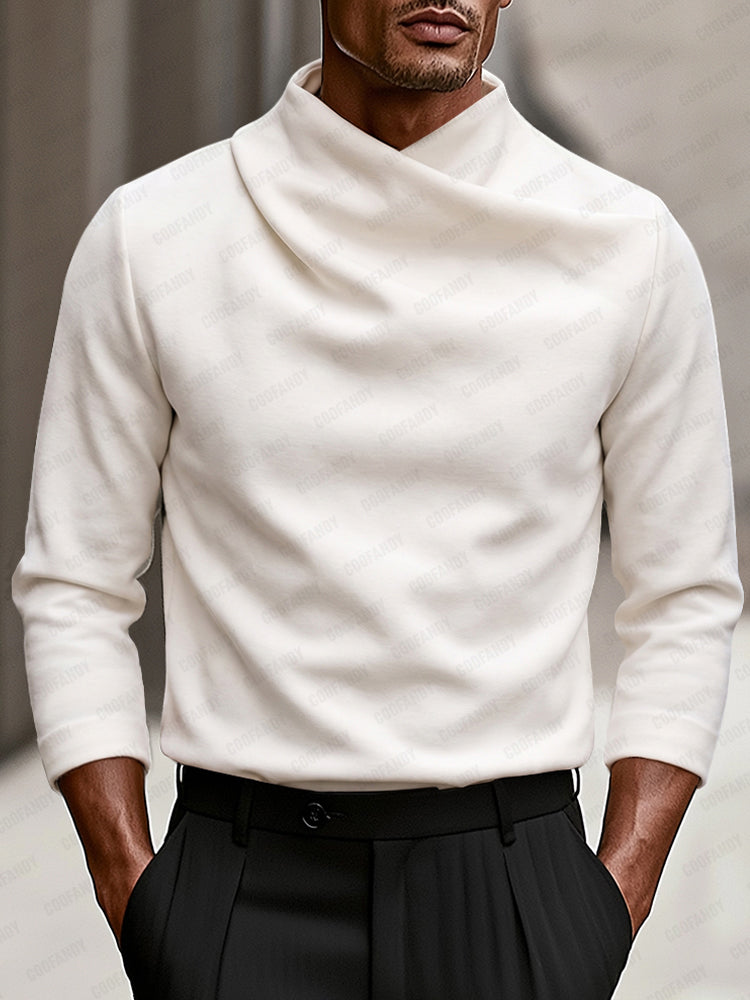
This knit polo shirt is worth trying with the trousers you reach for on a casual office or lunch day. Check the current size information, then sit down and look at the collar and hem together rather than judging the shirt in isolation.
For a texture-forward option, put this textured polo shirt next to a quieter trouser and shoe pairing. View the combination from a few steps back. If the shirt holds the attention, the rest of the outfit does not need to compete. Check its listed care directions before placing it in a regular rotation.
Keep the Outfit Easy to Explain
The best polo outfits have a simple explanation: “I wore this to lunch with these trousers and these shoes.” When you have to justify several competing details, edit one out. The mirror is useful here. So is a chair.
Try the shirt on the way you will wear it, not as a folded possibility. That is when a polo becomes a reliable option rather than another top waiting for the perfect occasion.
FAQ
Should a polo shirt be tucked in?
Tuck it when the shirt length, trouser rise, and setting work together that way. Leave it untucked when the hem looks intentional and the plan is clearly more relaxed.
How should a polo collar sit?
It should lie evenly after you move, sit, and stand. Check it with the trousers and shoes you intend to wear, because the whole outfit changes how the collar reads.
Can I wear a polo with dress trousers?
It can work for a setting that genuinely welcomes a relaxed business-casual outfit. Let the venue, guests, shoes, and shirt condition guide the result.
When is a button-down a better choice?
Reach for one when the day includes a formal venue, a presentation, a new client, or a dressier written instruction. It makes the level of preparation clear without extra styling work.

Leave a comment