









Smart Casual for College Men in 2026: How to Read the Dress Code for Classes, Clubs and Presentations
Smart casual on campus is less about memorizing a definition than noticing when an ordinary day changes shape. A lecture, a club meeting, and a presentation can all happen before dinner. The same jeans-and-hoodie default may feel fine in the first room and slightly careless in the last one. Clean, intentional clothes give you room to move between those settings without arriving in something that looks borrowed from an interview.
The useful question is not, "Is this smart casual?" Ask what you are doing and who is seeing you do it. A student who is taking notes in the back of class has different clothing needs from the student introducing a guest speaker or presenting a group project.
When the Club Meeting and Presentation Collide
This is a common campus conflict: your organization meets at 5:30, but your group presentation is at 3:00. You have no time to go home, and you do not want to carry an entire second outfit through the library. Build around the presentation, then make the club version less formal with one small adjustment.
A plain button-down or refined polo with neutral pants can cover both. For the presentation, wear the shirt neatly, use clean shoes, and check that the hem and sleeves still look orderly after you sit down. Afterward, remove a light layer, untuck only if the shirt length is meant for it, or switch to the more relaxed shoe you packed in your bag. That is enough to make the outfit feel less staged for a meeting where you will be moving chairs, greeting new members, or taping up a sign.
The invitation still matters. If the club is hosting alumni, an employer, or a formal panel, keep the more polished version on. If it is a regular planning meeting in a classroom, the same clothes can relax a little. The room tells you more than the phrase "smart casual" ever will.
A Classroom Outfit That Can Take a Detour
Some days do not announce their important moments. A professor asks you to stay after class. A campus office offers an earlier appointment. A friend reminds you about a committee meeting you put in your calendar two weeks ago. A collared top, tidy pants, and simple footwear keep these detours from becoming an outfit problem.
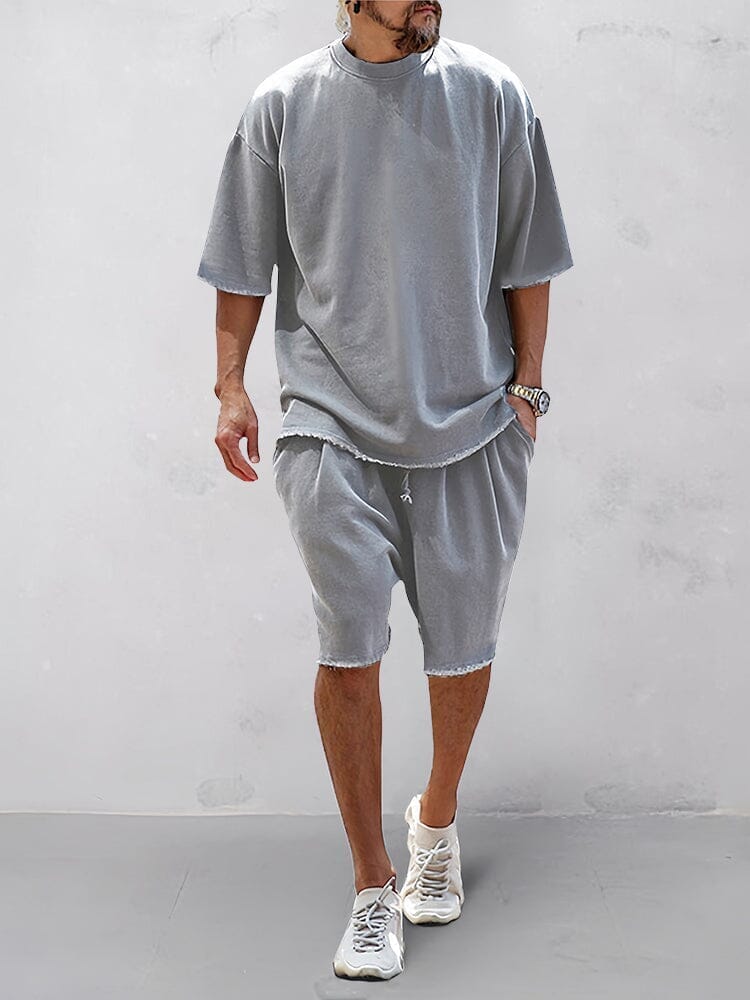
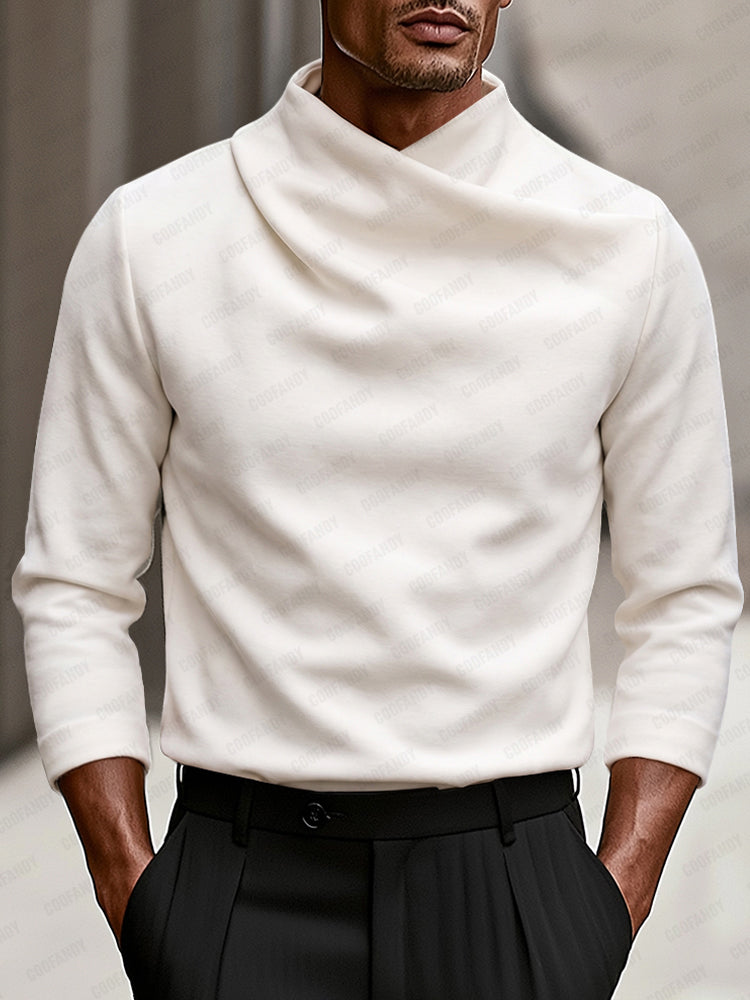
For a polo direction, this collared shirt option is a specific page worth comparing. Check the listed fabric information and size chart before deciding whether it will sit comfortably under a backpack or look right with the pants you already own. Product titles do not show how a collar sits at your neck or how a hem lands when you are seated through a long lecture.
Keep color choices calm when you expect to speak. Navy, white, soft blue, olive, charcoal, and stone can be combined without much effort. One patterned piece can work, but several competing colors are easy to regret in a small seminar room or in a photo taken after an event. A clean pair of low-profile sneakers may suit many classes; shoes that are visibly worn out can pull an otherwise neat outfit downward.
Dress Up the Part People Will Notice
Presentations do not require a costume. They do make details more visible. You are standing in front of the room, reaching for a clicker, and turning toward a slide. Check the collar, front placket, sleeve length, and shoes before you leave. The mirror is not enough. Sit down with your backpack on, stand again, and see whether the outfit still makes sense.
A longer button-down usually looks more settled when tucked in. A shirt designed to be worn untucked can remain that way for a relaxed class presentation. The choice should follow the shirt and the room, not an internet rule. If your instructor has invited another class, a client, or a campus staff member, use the tidier option. If the presentation is a five-minute discussion in a familiar classroom, a clean polo and neutral pants may be all you need.
Avoid trying to repair a too-casual outfit with too many additions. A collared top and clean footwear usually do more than a pile of accessories. Keep the bag, belt, and outer layer quiet so the person speaking is more noticeable than the outfit.
Build Two Reliable Versions, Not a New Look Every Morning
It helps to have a regular smart-casual formula and a slightly sharper one. The everyday version could be a polo or casual button-down with neutral pants and sneakers. The sharper version might use the same pants, a fresher shirt, and cleaner shoes. You are not creating a uniform; you are removing the 8 a.m. decision that makes campus dressing feel harder than it is.
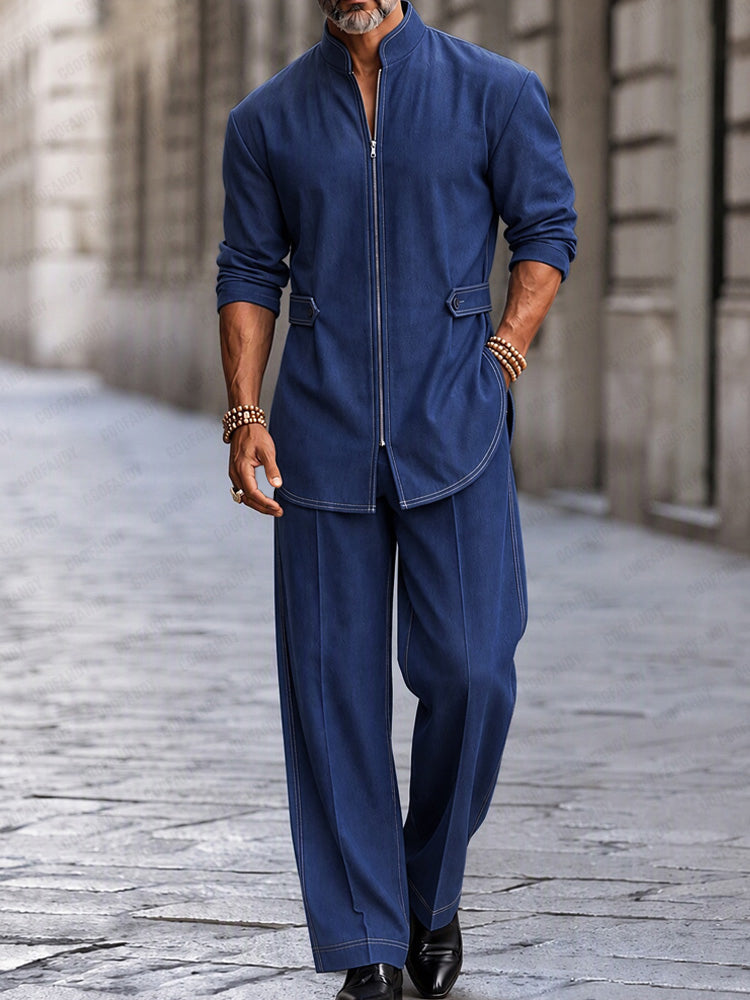
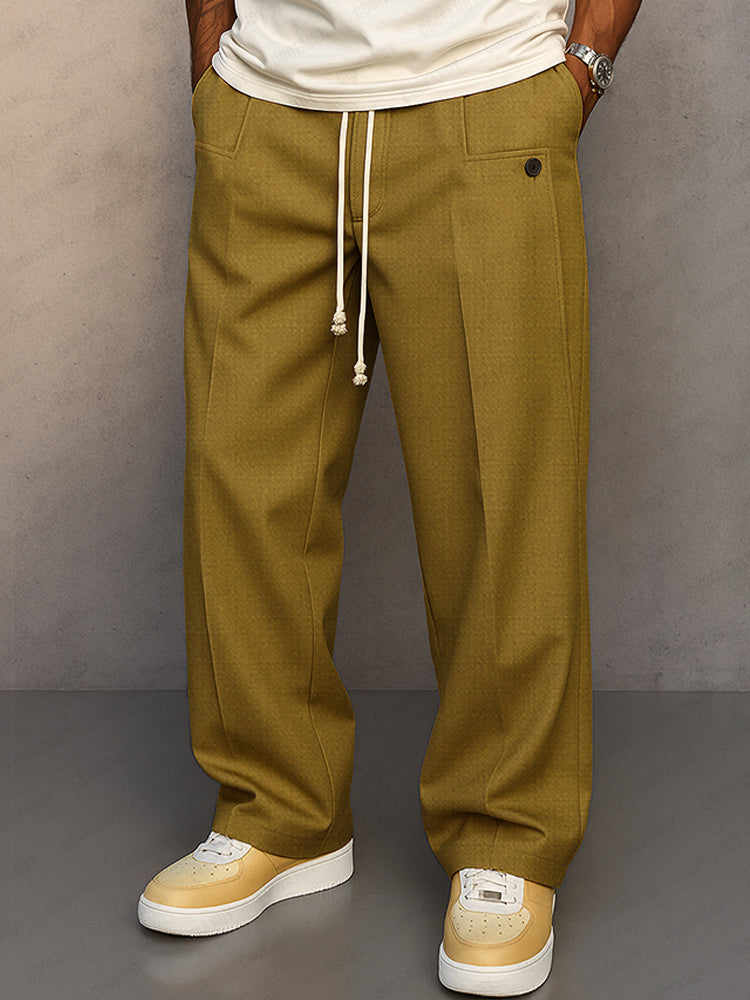
For the pants half, this pants option gives you a concrete page to review. Look at the waist guidance, inseam, and care information before deciding whether it fits your class-to-club routine. Those are the details that affect whether you will keep reaching for a pair, not the category label alone.
Keep one clean shirt accessible rather than buried under laundry. On a day with a meeting or presentation, it can replace a top that picked up a coffee mark at lunch. Put a simple shoe-cleaning wipe or soft cloth near the door. Tiny habits are more useful than an elaborate style plan.
What Usually Makes Smart Casual Look Wrong
The usual problem is not that an outfit is too casual or too formal in isolation. It is that the pieces disagree with one another. A structured shirt, very worn athletic shoes, and a backpack spilling out of every pocket send three different messages. So does a dress shoe paired with a graphic tee and loose gym pants.
Aim for a consistent level of finish. If the shirt is neat, make sure the pants and shoes are reasonably neat too. If the event is casual, loosen one element instead of every element. That might mean clean sneakers instead of leather shoes, or an untucked casual shirt instead of a tucked button-down. Keep the adjustment specific.
FAQ
Can sneakers be smart casual for college men?
Clean, simple sneakers work for many class days and informal club meetings. Choose a cleaner, more structured shoe when the invitation, venue, or audience is more formal.
Is a polo shirt smart casual on campus?
Often. A polo can work for classes, committee meetings, and many student events when it fits well and is paired with tidy pants and shoes.
Should I tuck in my shirt for a college presentation?
Use the shirt length and room as the guide. A longer button-down often looks more orderly tucked in, while a shirt made to sit untucked can suit a relaxed classroom presentation.
Can I wear a hoodie to a club meeting?
For a regular informal meeting, possibly. When you are hosting, recruiting, presenting, or meeting guests, a collared or more structured top usually makes the transition easier.

Leave a comment