








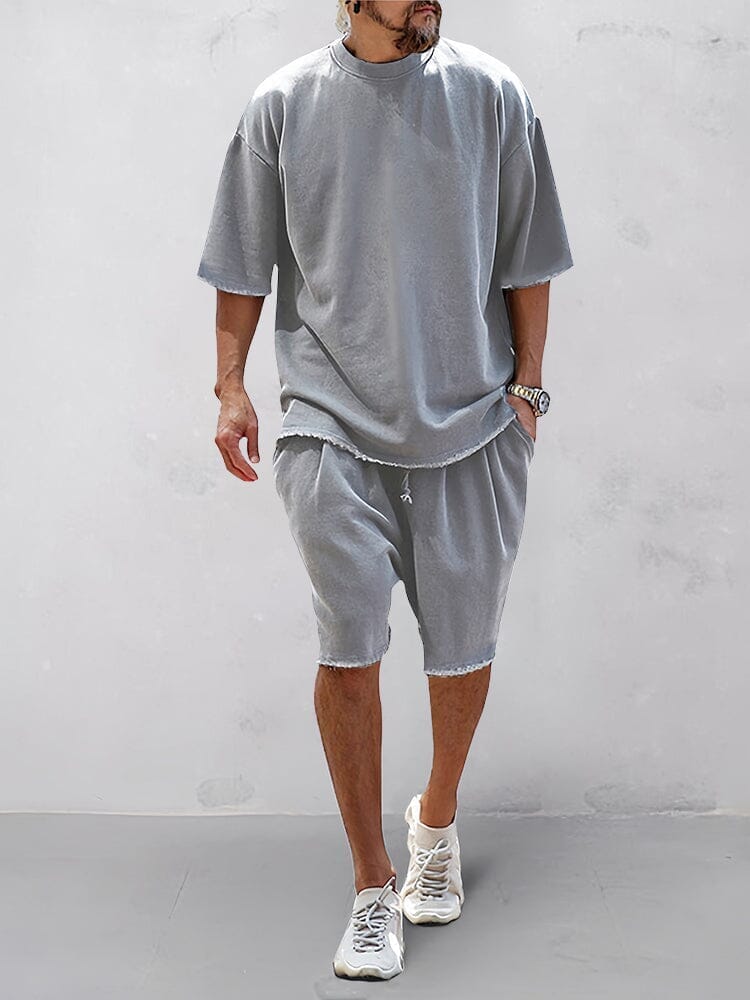
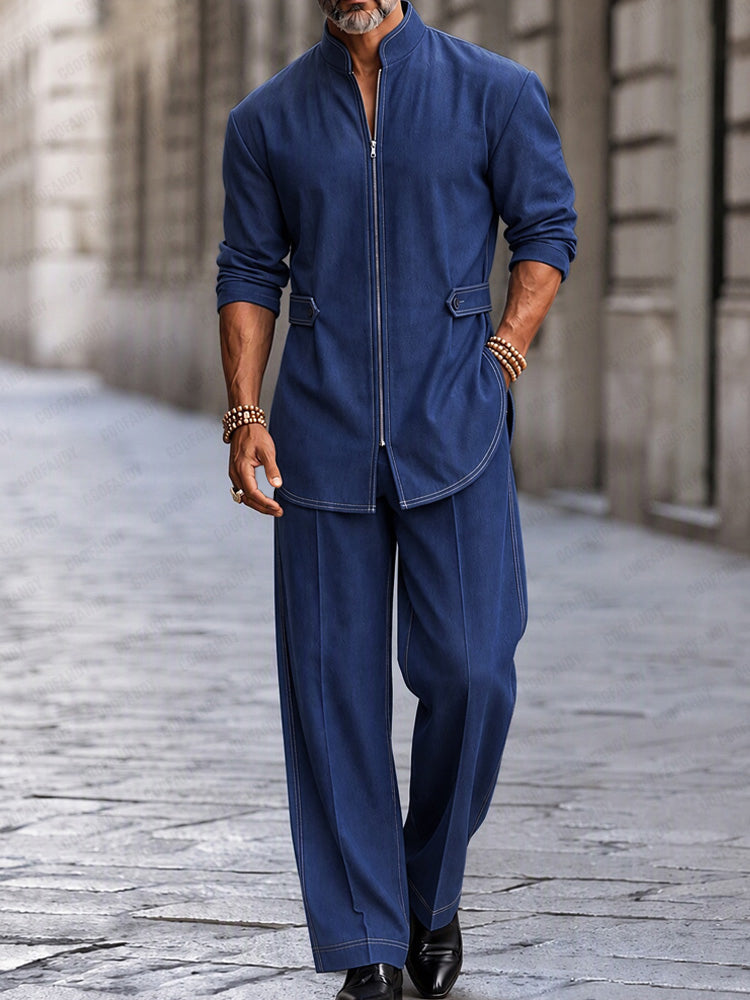
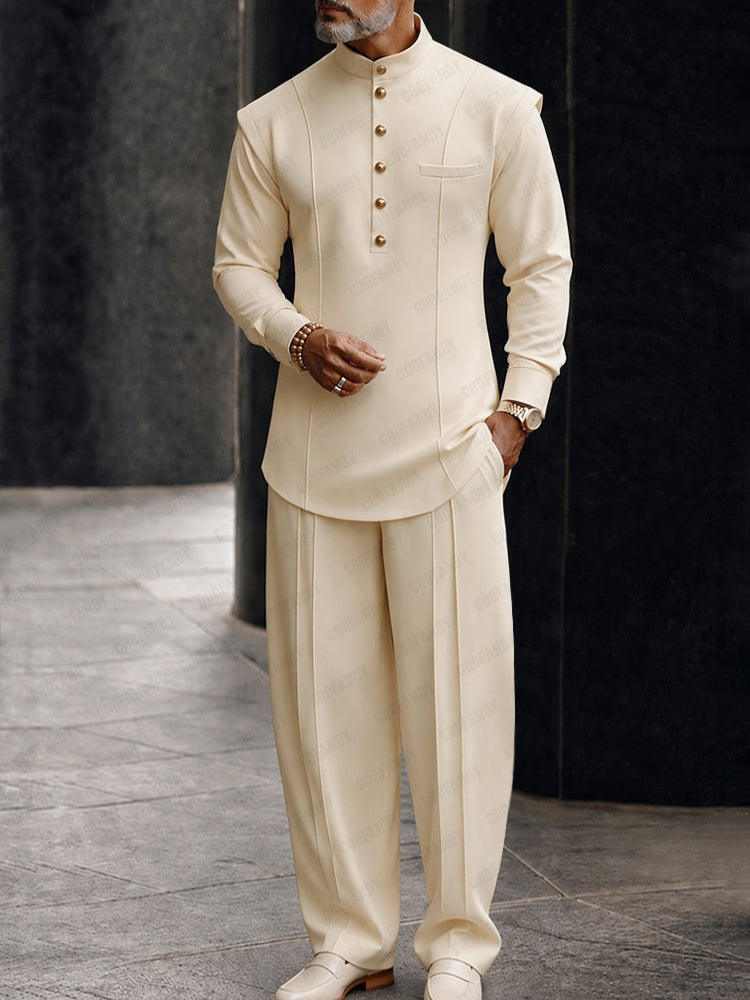
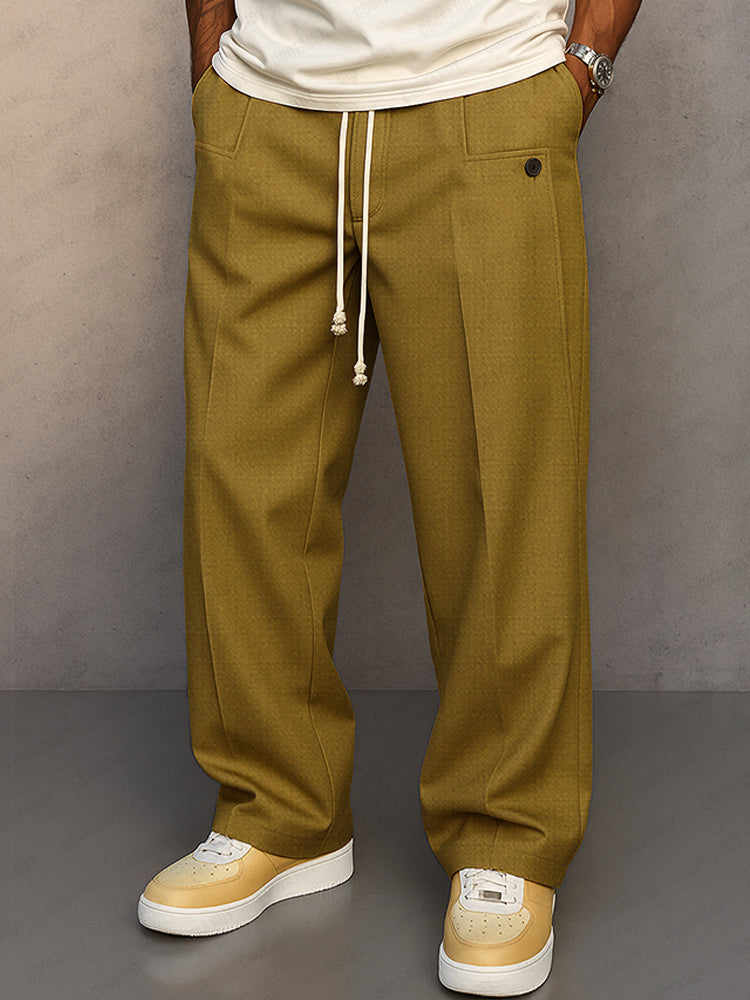
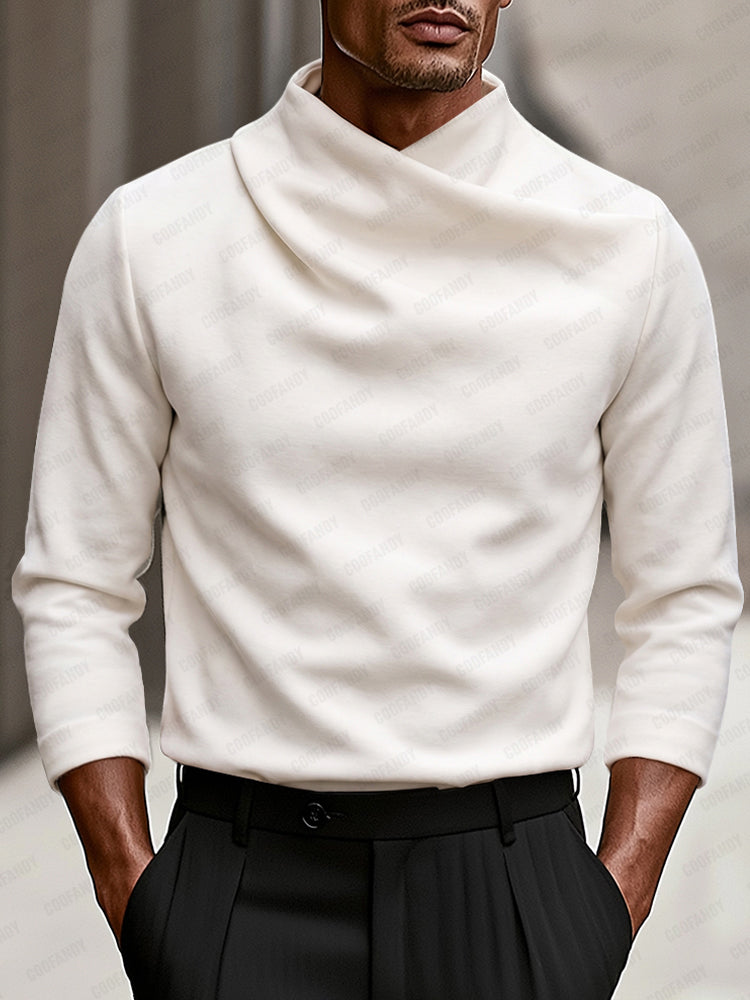
Blazer Outfit Hierarchy for Interns: What to Wear at Every Stage
The blazer stays. Everything underneath it changes depending on whether you're grabbing coffee with a recruiter, presenting to a team, or sitting across from a partner at dinner. Get the layers wrong and you'll either look like you're trying too hard—or not trying at all.
Internships compress an entire career's worth of first impressions into a few months. You'll meet people who influence your future while holding a latte, standing at a whiteboard, and passing bread rolls. Each of those moments has a different dress code, and none of them come with a manual.
Why the Same Blazer Needs Different Outfits
A blazer is the single most versatile piece in a young professional's closet. But versatility cuts both ways. Throw it over the wrong shirt and you send the wrong signal.
Most interns feel the same tension: you want to be taken seriously without looking like you raided your dad's closet. The fix isn't buying five different blazers. It's learning to adjust what goes under the blazer and below the waist.
Think of it as a volume dial. Coffee chat is at 4. Presentation is at 7. Offer dinner is at 9. The blazer holds the frame; everything else sets the tone.
Coffee Chat: Polished but Approachable
Coffee chats are informal by design. The person across from you chose a café over a conference room on purpose. They want to see the real you—just a put-together version.
Under the blazer: A well-fitted crew-neck sweater or a clean polo. You can also go with an untucked button-down in a soft fabric, collar relaxed. Skip the tie entirely. At a tech company, even a quality fitted tee under the blazer can work—just make sure the neckline is crisp, not stretched out.
Pants and shoes: Chinos in dark navy, charcoal, or olive. Avoid anything with a crease pressed down the front—that reads "interview," not "conversation." Clean leather sneakers or suede loafers hit the right note.
Colors: Stick to two tones. Navy blazer with a gray sweater and tan chinos. Or a light gray blazer with a white polo and dark navy pants. Nothing bright, nothing loud.
The biggest risk here is overdressing. Showing up in a full suit with a pocket square to a café makes the other person uncomfortable. It signals you don't read rooms well—which is exactly what coffee chats evaluate.
Presentation Day: Sharp and Confident
This is the moment people judge your work and your presence. You're standing up. Everyone's looking. The outfit needs to support confidence without becoming a distraction.
Under the blazer: A tucked-in dress shirt. Point collar or semi-spread collar, buttoned to the second button. Light blue and white are safe. Light lavender or pale pink can work if you own it with confidence. The shirt should be pressed—wrinkles under a blazer are more visible than you think, especially under overhead lighting.
If your office runs slightly more relaxed, a structured button-down shirt with a fine pattern—micro-check or thin stripes—keeps things professional without going full boardroom.
Pants and shoes: Switch to dress trousers or tailored-fit pants with a clean break at the ankle. Charcoal, navy, or medium gray. Oxford shoes or polished loafers. Match your belt to your shoes—senior people actually notice this.
Colors: Navy blazer, white shirt, charcoal trousers is the classic. It works because it's invisible—nobody remembers your outfit, they remember your presentation. If you want personality, a textured blazer (herringbone, hopsack) adds visual interest without a single bold color.
One common misstep: showing up in jeans and a casual blazer when your manager is in trousers. It tells the room you didn't prepare—even if your slides are flawless. When in doubt, dress one half-step above your team lead.
Offer Dinner: Elevated but Not Costume-y
Offer dinners are celebratory, but they're still professional. You're eating with people who just decided to bet on you. The vibe is "we belong at this table together." Your outfit should feel intentional, slightly elevated, and comfortable enough that you're not fidgeting through three courses.
Under the blazer: A fitted dress shirt in white or off-white, tucked in, top button undone. Or—a fine-gauge merino or cotton-blend sweater over a collared shirt, with just the collar tips visible. It's polished without being stiff, and it handles restaurant temperature swings better than a shirt alone.
For warm-weather dinners, a linen-blend or camp-collar shirt under a structured blazer works at venues that skew smart casual.
Pants and shoes: Dark dress trousers—black, charcoal, or deep navy. Slim or tailored fit, not skinny. Leather dress shoes in a darker shade. Monks, derbies, or sleek loafers all work. Make sure they're clean. Restaurant lighting is dim, but the walk from the car to the table isn't.
Colors: Darker palette overall. Navy blazer, white shirt, charcoal or black trousers. A dark green or burgundy blazer can add personality if the restaurant setting is more relaxed. Keep accessories minimal—a simple watch, no bracelet stack.
Resist the urge to go full costume. A three-piece suit, bold pocket square, and statement cufflinks at a steakhouse dinner makes you look like you're performing rather than fitting in. The senior people at your table will be in smart separates. Match their energy.
Quick-Reference Decision Matrix
| Element | Coffee Chat | Presentation | Offer Dinner |
|---|---|---|---|
| Blazer | Unstructured, soft shoulder | Structured, clean lines | Structured or lightly textured |
| Inner Layer | Sweater, polo, or relaxed shirt | Pressed dress shirt (tucked) | Dress shirt or sweater-over-shirt |
| Pants | Chinos | Dress trousers | Dark dress trousers |
| Shoes | Clean sneakers or suede loafers | Oxfords or polished loafers | Leather dress shoes |
| Tie | No | Optional (read your office) | No |
| Tuck | Untucked OK | Always tucked | Tucked |
| Formality Level | Smart casual (4/10) | Business professional (7/10) | Elevated smart casual (8/10) |
Overdressed vs. Underdressed: How to Tell
Both extremes hurt you, but in different ways.
| Scenario | Overdressed Signal | Underdressed Signal |
|---|---|---|
| Coffee Chat | Suit + tie at a café | Hoodie or graphic tee |
| Presentation | Three-piece with cufflinks | Jeans and untucked casual shirt |
| Offer Dinner | Tuxedo-adjacent formality | Khakis and polo with no blazer |
If you walk in and feel like you're dressed for a different event than everyone else, you missed the mark. The goal is to blend with the top 20% of the room, not stand out from 100% of it.
You don't need a separate wardrobe for each scenario, either. One navy blazer with moderate structure, two dress shirts (white and light blue), a crew-neck sweater in gray or navy, chinos, dark dress trousers, and two pairs of shoes cover every situation above. COOFANDY's business clothing collection covers the blazers, shirts, and trousers in this lineup if you're putting things together from scratch or filling gaps.
FAQ
Do I need a different blazer for each occasion?
No. A single navy blazer with moderate structure works across all three. What changes is the shirt, pants, and shoes underneath it. Save your money for getting the fit right rather than buying multiple blazers.
Can I skip the blazer entirely for a coffee chat?
You can, but it's a missed opportunity. A blazer instantly signals effort without formality. Even thrown over a clean sweater and chinos, it sets you apart from other interns who show up in just a button-down.
What if I don't know the dress code for the dinner venue?
Check the restaurant's website or Google Photos of the interior. If it's a steakhouse or upscale Italian place, go dress shirt under blazer with dark trousers. If it's a trendy casual spot, the sweater-over-shirt combo works. When truly unsure, dress slightly up—it's easier to remove a blazer than to wish you had one.
Should I wear a tie to my internship presentation?
Only if your manager or team lead regularly wears one. In most industries outside of law and finance, ties are disappearing from everyday wear. A well-fitted blazer with a pressed shirt does the same job a tie used to do—it says you showed up prepared.
How do I make sure my blazer fits properly?
Three checkpoints: the shoulder seam should sit at the edge of your shoulder bone, you should be able to button the jacket without pulling, and the sleeves should show about a quarter-inch of shirt cuff. If you're between sizes, go up and get it tailored. A $20 alteration changes everything.
Hinterlassen Sie einen Kommentar