









Business Casual for Men: Read the Invitation Before You Dress
When an email says “business casual,” do not stop at the two words in bold. Read the whole invitation. The subject line, venue, host, timing, and agenda often tell you more about the room than the dress-code label does. From there, a collared shirt and trousers give you a reliable base, and the details can move the outfit in the right direction.
Imagine an invitation arriving on a Tuesday afternoon: a Thursday event, business casual attire, drinks and brief remarks, hosted at a private dining room. That is different from an email for a morning campus panel, even though both use the same phrase. One leans toward an evening finish and a more deliberate shoe; the other may call for straightforward, functional polish. The clothes should answer the invitation you received, not a generic definition found elsewhere.
Read past the dress-code line
Begin at the top of the email. Who sent it? An invitation from a client, executive, professional association, or new business contact carries a different kind of visibility than a casual note from your own team. You do not need to dress like someone else. You do need to show that you understood the occasion.
Next, find the location. A hotel conference room, a gallery, a restaurant, a company office, and an outdoor patio all set different expectations. The venue also affects practical choices. A restaurant may make a neat collar and a darker trouser feel natural. An event with a walk between buildings makes shoes part of the decision. An outdoor gathering can leave room for a simple layer, but it does not automatically make every element casual.
Then read the order of events. A short networking period followed by introductions and dinner asks more of the outfit than a drop-in open house. If you will be introduced to someone, speak to the group, or spend time with a host you have not met, build from the more visible part of the evening. It is easier to relax one small detail later than to wish you had worn a cleaner combination from the start.
A morning panel and an evening reception are not twins
For a daytime panel, think useful polish. Trousers, a collared shirt, and shoes that look maintained are often a solid place to begin. The emphasis is on being ready to meet people, sit for a discussion, and move through the venue without looking either overly formal or unfinished. Keep color contrast manageable and avoid piling on layers simply because the term “business” appears in the invitation.
An evening reception can invite a slightly more deliberate version of the same foundation. A darker trouser, a clean shirt front, and a more refined shoe direction may fit naturally when there is dinner, a hosted bar, or a room where introductions will carry on after the opening remarks. You do not need an entirely separate wardrobe. A clearer collar line and a few considered finishing choices can be enough.
The host remains more important than the clock. A breakfast with a client can deserve more care than a late gathering with a familiar creative team. Time of day is helpful when the email gives you little else, but it should not overrule a plainly relaxed venue or a clearly formal agenda.
Turn the agenda into an outfit
Choose trousers first, then decide what the shirt and shoes need to contribute. If the event includes a presentation or introductions, use the pair that gives the outfit its most settled shape. If you will spend most of the evening standing and talking, check that you can move and sit comfortably without the shirt needing constant attention.
The shirt finish is your next decision. A tucked shirt can give structure when the occasion is more formal or the waist looks clean with it. An untucked shirt can be appropriate for a genuinely relaxed gathering when the hem is made to look intentional. Do not use an untucked shirt to hide a trouser fit issue. Test the look before you leave and make sure it works from the front and side.
Shoes should follow the route and room. They do not need to be the most formal pair you own, but they should make sense with the trousers and let you arrive without fuss. A simple, tidy pair is often more useful than footwear that tries to announce the dress code on its own.
A practical example from an ordinary inbox
Suppose the email says: “Join us for a client appreciation dinner at 6:30 p.m. in the private room at a local restaurant. Business casual.” You now have useful information. There will be a client element, an evening restaurant setting, and a hosted occasion. Trousers, a collared shirt, and shoes with a clean finish are a sensible starting point. You might choose a darker trouser than you would for an internal daytime meeting and keep accessories simple.
Now change the email: “Coffee and conversation with the product team, 9:00 a.m., studio conference room. Business casual.” The room and agenda have changed. You can likely keep the trouser-and-collar foundation but choose a less formal finish, provided that reflects the team you will meet. The point is not to turn every detail into a calculation. It is to let the email prevent obvious mismatches.
If the invitation says little beyond a date and a location, ask one useful question early: “Would trousers and a collared shirt be appropriate for the event?” Most hosts can answer that quickly. A short, specific question is easier for them to respond to than a request for a full explanation of the dress code.
Two product pages to use as references
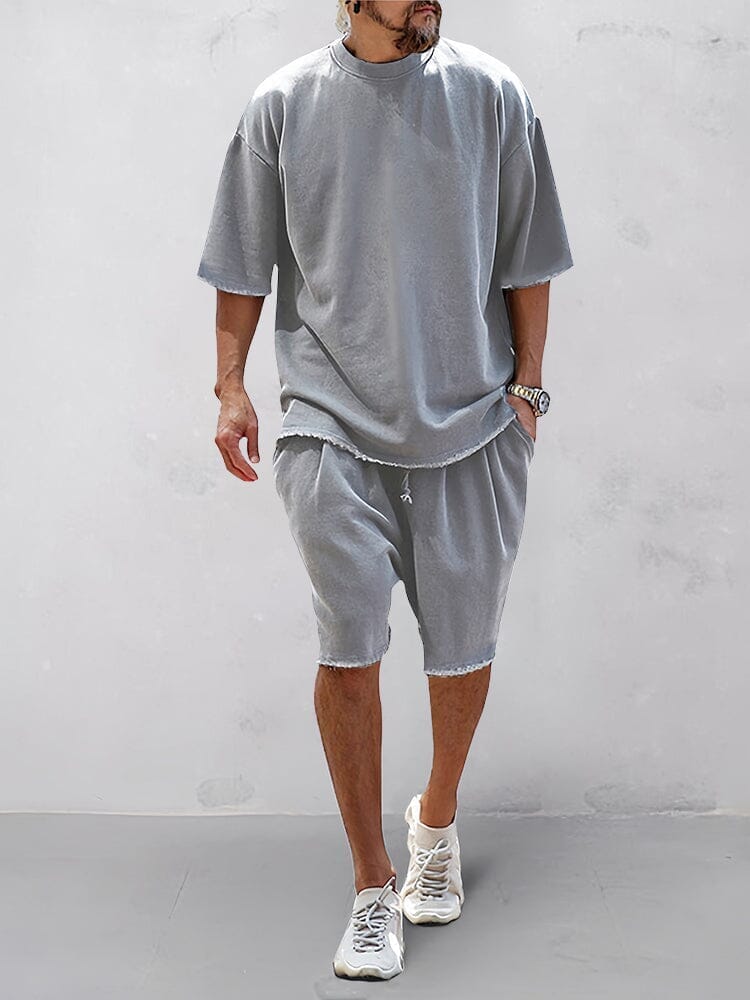
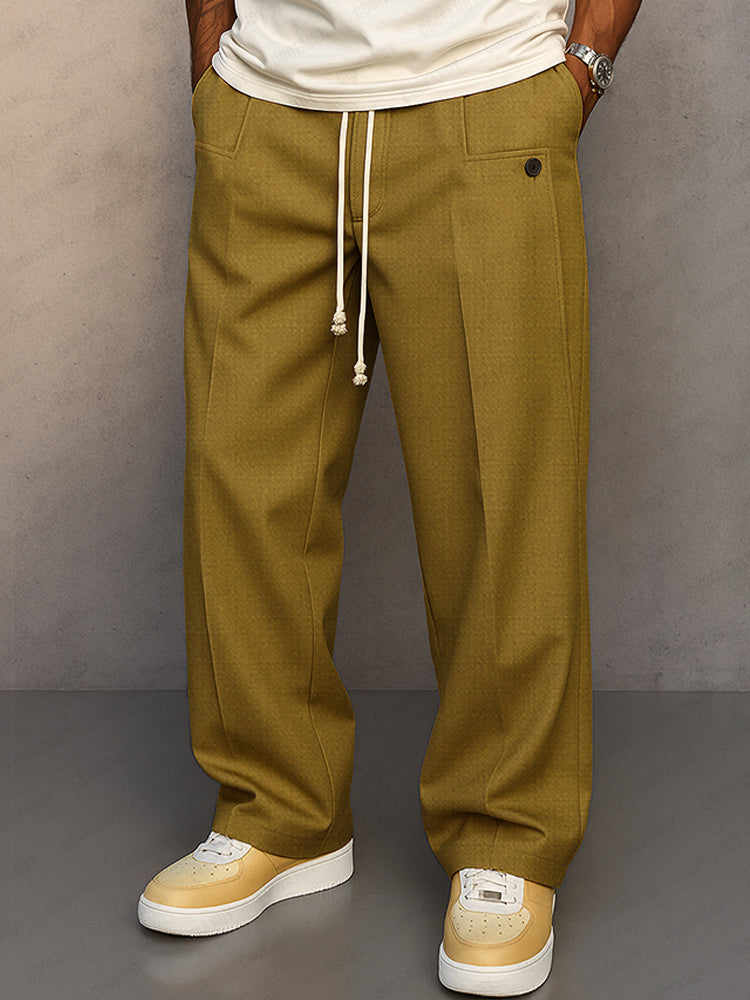
For an event that needs a clear shirt collar, review the Formal Wrinkle-Free Dress Shirt alongside the trousers and shoes you intend to wear. If the invitation points to a more relaxed transition before or after the event, compare the Comfy Urban Style Drawstring Pants with the venue and the way you would style the waist.
Look at the listed sizing, composition, and care directions, then try the complete combination at home so the first time you see it together is not at the door. The invitation gives the item its role; the product details help you decide whether it can fill it.
The fifteen-minute check before leaving
Put the invitation beside the outfit and ask a few plain questions. Who will I meet first? Where will I spend the most time? Will I be introduced, photographed, or asked to speak? Can I walk from the car, transit stop, or entrance in these shoes without making the outfit impractical? Does the shirt look intentional whether I am standing or sitting?
These questions keep the final changes small. You may decide to tuck the shirt, change shoes, remove an unnecessary layer, or choose the darker trousers. One or two adjustments are usually enough. A vague email does not require an elaborate costume; it requires a coherent outfit that acknowledges the room.
Leave room for your own style
Business casual has enough flexibility for personal preference. A deeper color, a modest pattern, or a familiar layer can belong in the outfit when the core pieces are right for the host and venue. Keep one element personal and let the rest stay calm. That approach looks more natural than trying to make every item distinctive.
Once you have read the invitation carefully, the uncertainty gets smaller. Dress for the point where the event asks the most of you, then let the shirt, trousers, and shoes work together without overexplaining themselves.
FAQ
What should men wear when an invitation only says business casual?
Read the full email for the host, venue, timing, and agenda. Trousers and a collared shirt are a dependable starting point, then adjust the finish for the most visible part of the event.
Is a tucked shirt required for business casual?
No. A tucked shirt can add structure for a hosted dinner, client event, or presentation. An untucked shirt can work at a clearly relaxed event when the hem and trouser proportions look deliberate together.
Can I wear sneakers to a business casual event?
That depends on the invitation and the room. A tidy, simple pair may suit a relaxed studio or outdoor gathering, while a restaurant or client event may call for a more refined shoe.
What should I do if the invitation gives almost no detail?
Ask the host one specific question before the event, such as whether trousers and a collared shirt are appropriate. If no answer is available, use the most visible part of the agenda and avoid either extreme.

Hinterlassen Sie einen Kommentar