









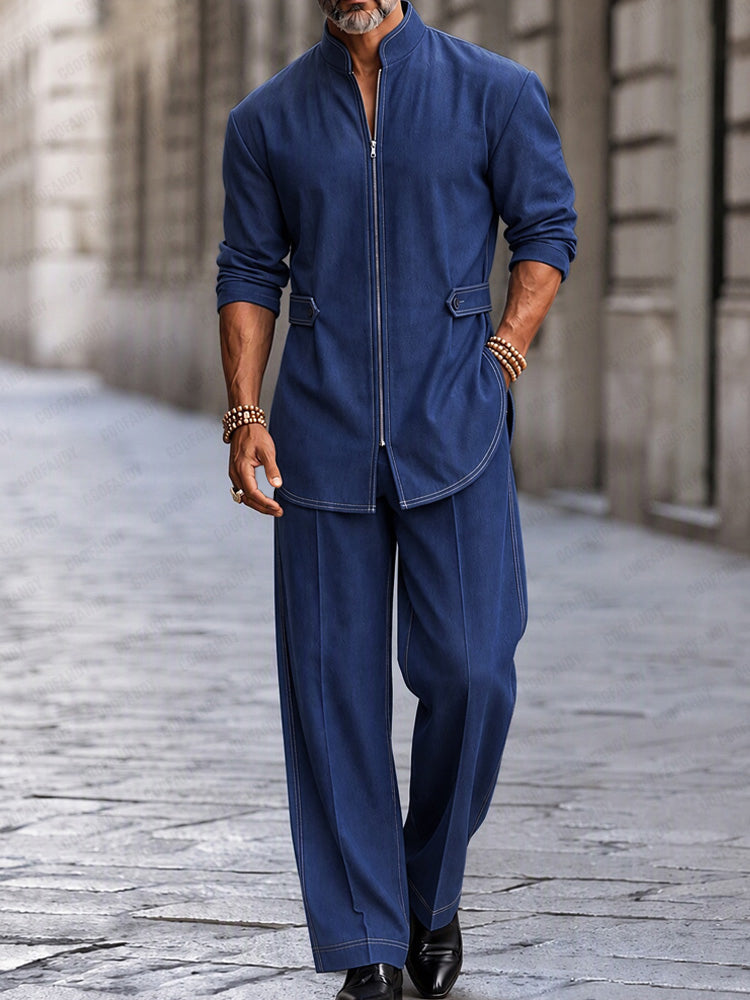
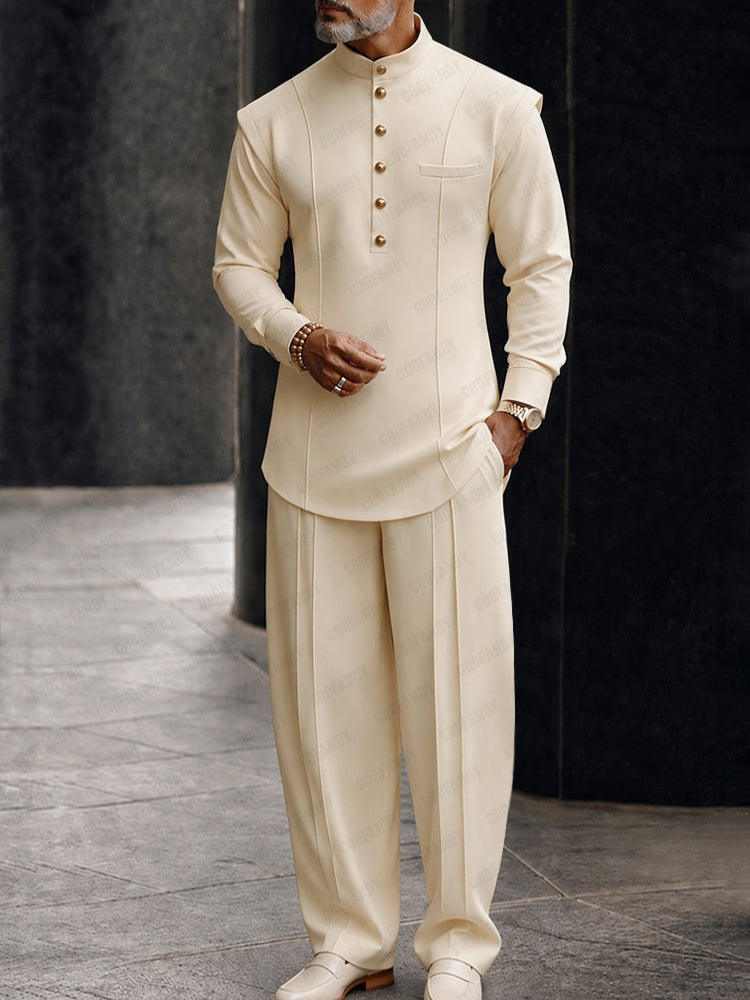
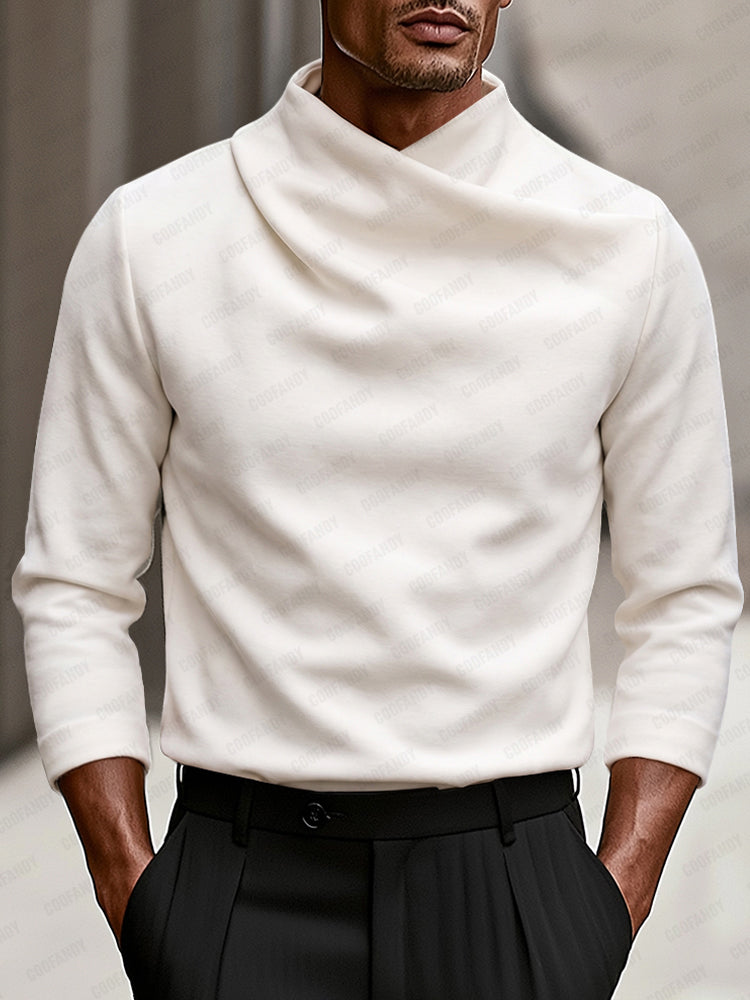
What Pants Can Men Wear Instead of Jeans? 7 Comfortable Alternatives

Short answer: Good pants to wear instead of jeans include chinos, linen pants, drawstring pants, lightweight travel pants, smart joggers, knit pants, and corduroy or brushed-cotton trousers. The easiest way to choose is to name what bothers you about denim: perhaps it feels hot on the commute, stiff after lunch, too casual for work, or simply a little predictable.
These alternatives to jeans for men overlap: linen pants can have a drawstring waist, and travel pants can be knitted. At COOFANDY, we suggest starting with the day ahead: weather, movement, and dress code. Browse the COOFANDY men's pants collection once you know what matters most.
Compare the 7 Alternatives at a Glance
Use this table to choose a category to try, not to rank fabrics. A light, roomy chino may be more comfortable in summer than dense, close-fitting linen. The details of the pair still matter.
| Alternative | Useful starting point for | Details that matter | Tradeoff to check | Season / setting |
|---|---|---|---|---|
| Chinos | A familiar trouser shape without denim | Cloth weight, rise and thigh room | A dense, tight pair can feel as restrictive as jeans | Casual office, dinner or weekends |
| Linen pants | Relaxed warm-weather outfits | Weave, lining and coverage in daylight | Visible creasing; pale fabric may show through | Warm weather |
| Drawstring pants | An adjustable waist | Whether elastic is present; cord and pocket design | A large bow or excess fabric can look like loungewear | Depends on the fabric |
| Lightweight travel pants | Transit and a small suitcase | Loaded pockets, folded volume and movement | Technical details may not suit dinner | Depends on climate and construction |
| Smart joggers | A casual, tapered outline | Cuff shape, surface and pocket bulk | Athletic styling still limits formality | Errands and relaxed plans |
| Knit pants | Flexibility through long periods of sitting | Knit density and recovery at knees and seat | Cling or bagging after wear | Choose weight for the weather |
| Corduroy or brushed cotton | An alternative texture in cooler weather | Wale or nap, fabric weight and leg shape | A warm, bulky pair may be uncomfortable indoors | Fall and winter starting point |
These categories overlap. Drawstring describes a closure, knit describes construction, and travel describes an intended use. One pair may fit all three. Check its actual fabric and care label instead of adding up category advantages.
Try this for 60 seconds: Sit, walk, bend one knee, and step onto something low; the waistband should stay comfortable while the seat and thighs move freely. Check the hem with your usual shoes. If the seat and thigh fit is wrong, changing fabric will not fix it.
Before the first wash: Read the garment label. Similar-looking linen, knit, and travel pants may need different care. The FTC's Care Labeling Rule guidance explains the role of regular care instructions for covered apparel.
7 Pants to Wear Instead of Jeans

1. Chinos: A Familiar Step Away From Denim
Chinos are a straightforward place to start for a casual office, errands or dinner. Their conventional trouser shape works with much of what you already wear with jeans, so the change does not require a new wardrobe.
Try a flat front and straight or gently tapered leg with a polo, Oxford shirt, loafers or simple sneakers. Casual Versatile Chino Pants are one example, labeled “US Only” on the official listing. If the names are confusing, our khaki pants versus chinos guide separates a color term from a trouser category.
A heavy chino with a tight thigh can recreate the problem you had with denim. Sit before deciding. Pockets that flare or a waistband that digs in may call for more room, another rise or lighter cloth.
2. Linen Pants: A Warm-Weather Starting Point
For a warm weekend or outdoor lunch, start with a light pair that leaves room through the leg. The linen name alone does not settle comfort: a lined or dense pair can feel quite different from an open, unlined one.
Wear pale linen pants with a camp-collar shirt and sandals for a relaxed day. A darker pair with a tucked polo and loafers looks more suited to dinner. Browse the COOFANDY men's linen pants collection with that difference in mind.
Expect some rumpling. Sharp pull lines across the seat are a different issue: check the fit rather than accepting them as linen texture. Our linen-pants fit and fabric guide covers rise, fabric and daylight coverage.
3. Drawstring Pants: Waist Adjustment Without Denim
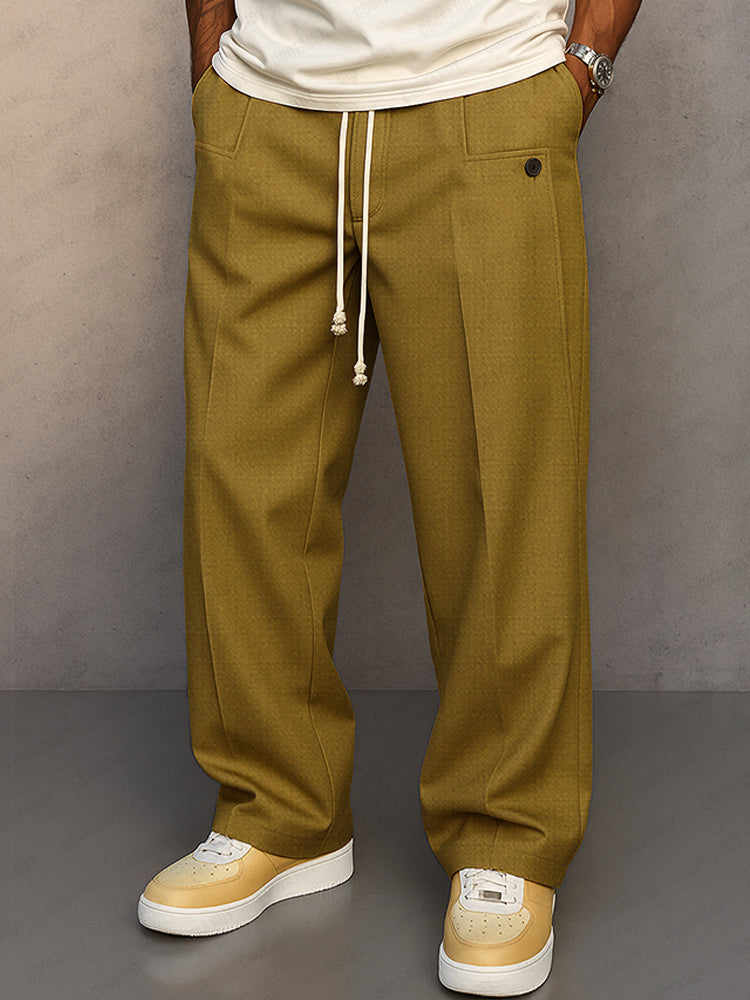
A drawstring can fine-tune the waist during a desk day or a long meal. It does not identify the fabric or guarantee stretch: a woven trouser and a jersey pull-on may share the closure but feel very different.
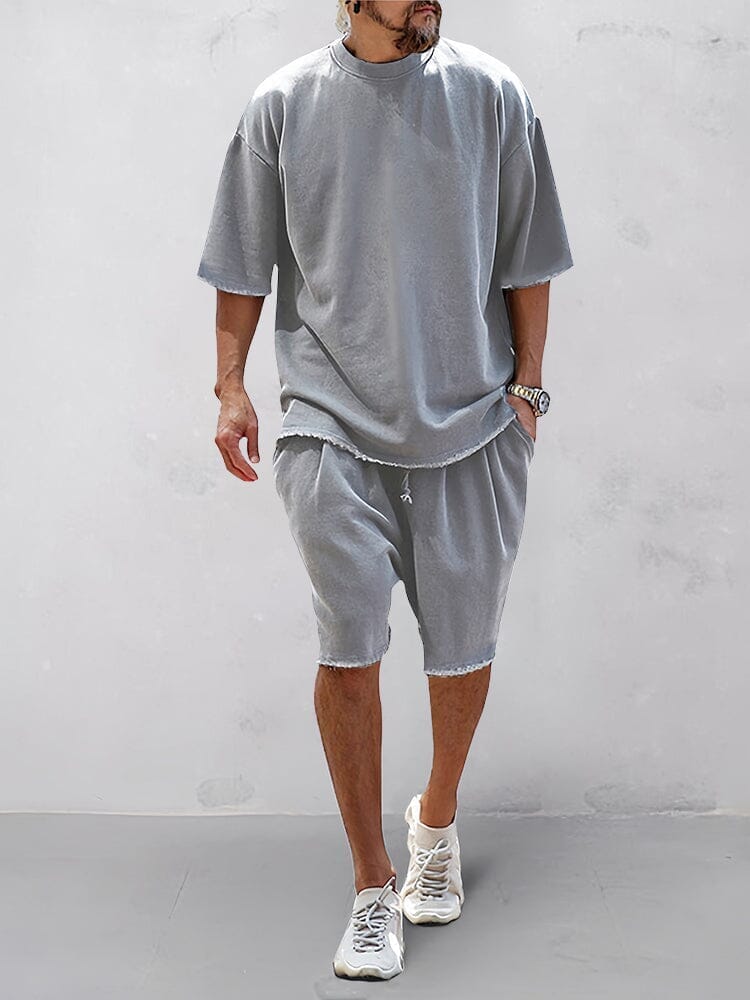
If the waist also contains elastic, check its pressure while seated. For a casual office, look for a discreet cord, a relatively flat front and fabric that hangs cleanly. Our urban-style drawstring pants provide an example of the adjustable-waist direction; check the listed dimensions before choosing a size.
The cord should adjust a waist that is already close to fitting, not hold up several inches of spare fabric. If the pants look like loungewear, try a tidier hem and a knit polo before adding a jacket.
4. Lightweight Travel Pants: For Transit and Light Packing
Start with seated comfort for flights and full-stride movement for walking days. After that, check what the pants occupy in your bag and what their pockets do when loaded. A low garment weight does not guarantee low packed volume.
Some travel pants list stretch or quick-drying features. Test the pair rather than treating the label as the result: sit, take the stairs and put your phone in the pocket. Our lightweight travel-pants guide explains how to compare those claims against the itinerary.
For city wear, a matte surface and unobtrusive pockets are easier to combine with a collared shirt. Contrast zippers, bulky cargo pockets and busy seams may be useful elsewhere, but check them against the nicest place you plan to go.
5. Smart Joggers: Keep the Outfit Casual
Smart joggers can be comfortable pants instead of jeans for errands, relaxed commutes and travel days. They remain casual. That is fine when the rest of the day is casual too.
A narrow self-fabric cuff, flat pockets and minimal branding make the sportswear details less prominent. Wear them with a tidy tee or overshirt and simple sneakers. When comparing the COOFANDY jogger pants collection, look at the cuff and leg shape rather than assuming black makes every pair dressy.
For a client meeting, ceremony or traditional office dress code, chinos or tailored trousers may be a more suitable choice. The issue is the setting, not whether joggers are stylish.
6. Knit Pants: Check Softness and Shape Recovery
Knit pants are worth trying for long drives, flights and days spent mostly at a desk. Their looped construction can allow give through the seat and knees, though the amount depends on the knit and any stretch fibers.
Knit does not mean winter. A light jersey and dense double knit serve different needs. For a trouser-like outline, compare a smooth surface, stable waist and straight or tapered leg, then try the pair with a polo or simple jacket.
Sit for ten minutes, then stand and look at the knees and seat. Do the stretched areas settle back? Also check underwear lines and pocket bags in bright light. A soft pair that stays bagged or clings where you dislike it may not be the right tradeoff.
7. Corduroy or Brushed Cotton: Cooler-Weather Texture
For cool fall days or winter weekends, corduroy and brushed cotton offer a different surface from denim. Choose the weight for your day indoors as well as the walk outside; a heavy pair can be too warm at a desk.
Corduroy has raised ribs called wales; brushed cotton has a soft raised surface without those ribs. Fine-wale corduroy with simple pockets is one dinner option, while wider wales and cargo details create a more rugged look. Try navy or dark green with a plain sweater and boots. Our straight-leg corduroy pants are a starting point for comparing a straight-leg cut.
Brush corduroy gently in one direction if its surface looks uneven, and follow the label for washing and heat. Texture is part of the appeal; it does not make the pants a warm-weather replacement for every pair of jeans.
Choose by the Reason You Avoid Jeans
Start with the moment that bothers you: a hot walk to lunch, a tight waistband after a few hours, or stiff knees when you sit. Then check that the new pair does not create another problem.

- Jeans feel too hot: Start with a roomy linen or linen-blend pair and check coverage. If packing space is the priority, compare travel-oriented pants by folded volume and pocket layout. For wet weather, check the specific garment’s documented weather protection and care requirements rather than relying on the “travel” label.
- The waistband feels hard: Try structured drawstring pants, or knit pants when softness matters more than polish. Keep looking if the cord holds up the whole waist or the knit stays stretched after sitting.
- Denim feels too ordinary: Chinos look cleaner; corduroy or brushed cotton adds cold-weather texture. Do not replace hot denim with an equally dense chino.
- Movement feels restricted: Try lightweight travel pants, or smart joggers for casual plans. Load the pockets before buying; a phone should not twist the leg.
- Jeans are not warm enough: Try corduroy or brushed cotton. Check that the weight still feels comfortable under your coat and indoors.
Before buying, picture the next day you would actually wear the pair. Does the dress code allow its cords or cuffs? Will you follow its care routine? Linen is not a useful swap if you dislike the rumpling enough to leave it in the closet.
How to Style Non-Denim Pants

You do not need a new wardrobe. Four checks usually bring the outfit together:
- Give the outfit one clear shape. Relaxed pants work with a closer, shorter, or tucked top. With a loose overshirt, keep the base layer and hem tidy.
- Let the shoe finish the hem. Tapered or cropped pants suit streamlined sneakers and loafers. A fuller leg can handle a boot or chunkier shoe.
- Check the length. A small or no break is a useful starting point for uncuffed trousers. On cuffed joggers, check where the cuff sits and whether fabric bunches above it.
- Mix texture, not clutter. Separate similar fabrics with light and dark colors. For a tonal outfit, pair a smooth polo with corduroy or a crisp shirt with drawstring pants.
If you want a cleaner smart-casual outfit, check whether loose layers, very sporty shoes or a pooling hem work against that aim. For a deliberately relaxed outfit, the same details may be welcome. Settle the proportions before adding accessories.
A Practical Three-Pair Non-Denim Wardrobe
Build around the roles your week actually needs. For a mixed casual-office week, that might be one presentable pair, one for the weather and one for long sitting. These are roles, not a reason to buy three if two already cover them.
Choose navy, olive, gray, or khaki chinos for office-to-weekend use.
Choose linen for lasting heat, or corduroy or brushed cotton for a cold season.
Choose drawstring pants, smart joggers, knit pants, or travel pants according to movement and dress code.
Travel often? Let the third pair handle the flight, hotel walk, and casual dinner. Live somewhere warm? Keep linen and a light chino, then skip the cold-weather pair. Look at the plans you had over the past two weeks; they are a better guide.
FAQ
What is more comfortable than jeans?
Drawstring pants, knit pants, smart joggers, and some stretch travel pants often feel less restrictive, while linen can feel easier in heat. Fit still decides: check the rise, thigh room, waistband pressure, weight, and size.
What pants look smarter than joggers?
Chinos are the easiest step up because they look more like traditional trousers. Structured drawstring pants can also suit smart casual when the cord is discreet, pockets lie flat, and the fabric holds its shape.
What should men wear instead of jeans in summer?
Try linen for relaxed summer dressing, travel pants for walking and changing conditions, or light chinos for more structure. Check pale colors in daylight, leave thigh room, and inspect the fabric. “Lightweight” alone does not promise breathability.

Hinterlassen Sie einen Kommentar