








Rewear Your Halloween Outfit after October

The party is over, but the blazer on the chair is still a blazer. The question is what else came home with it: a removable badge, a very deliberate color pairing, or a design that will always look themed. To rewear your Halloween outfit after October, take it apart before trying to style it again. Check the clothes' condition, separate the costume additions, then decide which remaining detail actually needs changing.
You do not need to rescue the entire look. One garment in a complete outfit you want to wear next week is a useful result. A novelty piece saved for another occasion is a sensible result, too.
Separate the Outfit Before You Put It Away
Start with everything you actually wore, including shoes and the accessories you took off halfway through the evening. Lay the pieces out separately rather than leaving the character assembled on one hanger. Keep a plain shirt distinct from its clip-on badge; do not judge the shirt as though the badge were part of it.
Make three groups. The first is ordinary clothing you would consider wearing without the character: trousers, a jacket, a shirt, perhaps a plain knit. The second is separate costume equipment, such as a cape, hat, prop or removable tie. The third is clothing with permanent novelty details, including a Halloween graphic or an attached decoration you cannot simply take off. Keep any piece that needs care apart from clothes ready for the next wear, whichever group it belongs to.
Before moving anything into the ready-to-wear group, look over what happened during the event. Check for visible makeup, marks, remaining adhesive, loose fastenings or damage. A garment you want to use again may still need attention first. Follow its care label; if you are unsure how to handle a mark or attachment, ask the garment maker or an appropriate cleaning professional before attempting a treatment. Wanting the outfit for tomorrow is not a reason to guess.
Also distinguish a decoration designed to detach from something sewn or bonded on. Only remove an accessory using its intended fastening; if you cannot tell how it attaches, leave it alone for now. Put a detachable accessory with the other costume pieces rather than cutting into the garment to imitate that result.
Now choose one ready garment you genuinely like. If the trousers were only tolerable for a few hours in character, do not make them the starting point for an ordinary day. Begin with the jacket you liked wearing, or the knit whose remaining details still appeal to you. You are choosing clothes, not preserving a costume's completeness.

Find the Costume Cue That Is Still There
Put the chosen garment back beside its original companions, with the props removed. Ask what you would change if you wanted to wear this combination to a familiar place without explaining the character. Name the problem precisely before reaching for a replacement.
If every piece is ordinary but you still see the whole character, the relationship between the clothes is the issue. A jacket, waistcoat, formal shirt and matching trousers may preserve the original ensemble even without its hat. Try keeping just one of those pieces in the next outfit.
If you like the individual clothes but not their combined seasonal effect, separate the colors. Try changing the trousers while keeping the top. There is no need to replace a color you enjoy simply because you first wore it on Halloween.
If one garment still carries the theme by itself, decide whether you want that detail visible on the next outing. Look at the outfit without any layer you will take off there. Contrast trim can remain an intentional detail; a large Halloween graphic remains part of the garment, too.
Make the first adjustment, then look again. If the unwanted effect remains, identify the next specific cause. This is a way to avoid changing five things at once and discovering that you have abandoned the only piece you wanted to keep.
Three Ways to Reset What You Already Wore
Choose the reset that resembles the outfit you brought home, starting with the piece you want to wear again.
A tailored character base: stop wearing the whole ensemble
Before: a detective-style costume built from a brown blazer, matching trousers, a waistcoat, a white collared shirt, dark lace-up shoes, a hat and a handheld prop. After the hat and prop come off, the jacket, waistcoat and matching trousers still keep the character's dressed-up ensemble together. The problem is not the blazer alone.
For a bookstore visit followed by lunch, keep the brown blazer and dark lace-up shoes. Add a plain gray crewneck tee, straight dark jeans and dark socks. Leave the waistcoat, white shirt and matching trousers out of this outfit. Empty the jacket pockets of the character's props and put your own wallet and keys where you normally carry them.
Place the jeans beside the blazer where the matching trousers were, then replace the shirt and waistcoat with the tee. The separate trousers interrupt the matching set, and the plain neckline removes the layered formal front. Keep the jacket open if that is how you prefer the combination; the space left by the waistcoat does not need another accessory.
Removing only the hat would leave the matching layers together. That may suit another dressed-up occasion, but it does not solve this particular wish to stop wearing the complete character. The matching trousers can wait for a different outfit.
A color-led costume: separate the pair, not the favorite color
Before: a plain orange crewneck, black chinos, black sneakers and a pumpkin headpiece. The headpiece is gone, yet you still dislike how the orange-and-black pairing recalls the event. There is no permanent graphic to address and no formal character ensemble to dismantle. The problem is the color combination you no longer want to repeat.
For Saturday coffee and grocery shopping, keep the orange crewneck. Wear it with blue jeans, gray socks, white sneakers and an unprinted gray tote. Set aside the black chinos and black sneakers for other outfits. Lay out the full combination before deciding that the orange top itself is the thing you cannot wear again.
Change the trousers first. If blue jeans give you the separation you wanted, there is no requirement to keep searching for a new top. Then choose the white sneakers instead of automatically carrying over the event shoes. The tote is your ordinary shopping bag, not another place to repeat the pumpkin motif. Nothing in this suggestion depends on buying a new shade for November.
A new gray sweater would replace the orange top without helping you wear it again. If the black chinos are actually your favorite piece, reverse the choice: wear them another day with a top you already like outside the costume. Either way, choose the piece that matters to you before replacing its companion.
A removable-detail knit: judge what remains on the garment
Before: a collared knit with a detachable tie, dark tailored trousers, dark loafers and a separate character badge. You remove the badge and tie, expecting the top to look plain. But the remaining collar and contrast detailing are precisely what you now notice. This is neither a matching-set problem nor simply a seasonal color pair.
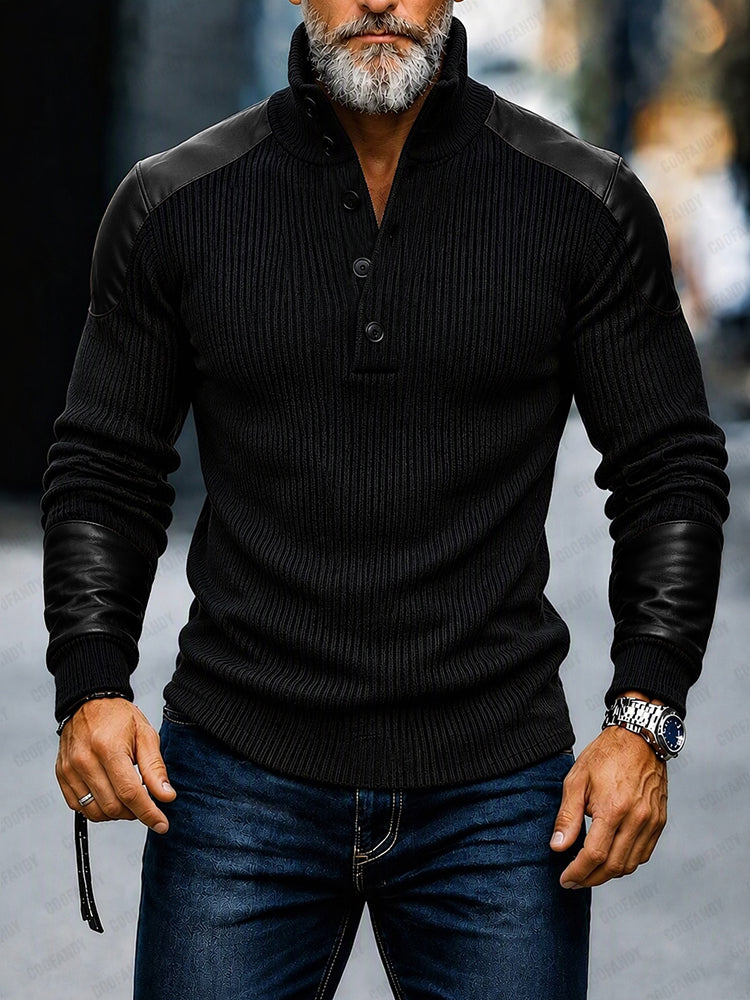
With our detachable-tie knit top, you have long sleeves, a lapel collar, contrast piping and a detachable tie. Taking off the tie leaves the collar and piping. You can choose to wear it without the tie, but you are still choosing a top with visible detailing, not an undecorated sweater.
For a casual dinner at a friend's home, try the tie-free knit with straight blue jeans, gray socks and plain dark sneakers. Leave off the badge and choose a simple everyday bag if you need one. The jeans and sneakers replace the tailored trousers and loafers used to complete the character.
Look at the collar as it sits without the tie and the piping beside those jeans. If you like both, that is the top you are choosing for dinner. If the piping itself is what bothers you, switching trousers again will not remove it. Choose another top for dinner and keep this one for an occasion when you want its design.
Give Permanent Novelty Pieces Their Own Place
A sweater with a permanent Halloween graphic does not owe you a neutral second act. If you enjoy the graphic outside October, wear it visibly on a casual day when you want that expression. Choose your usual jeans and shoes because they are what you want to wear with it. The theme remains part of the outfit, and you are choosing it knowingly.
If you only like it as Halloween clothing, give it that role. Keep the sweater with the pieces you would genuinely consider for a future themed gathering. Keep a detachable prop separately, so you can choose whether to use it again rather than automatically recreating the entire costume. Address any condition or care needs before considering the item ready for another outing.
Be equally honest about clothes that were altered for the event. If a decoration is permanent, do not build an everyday plan around an imagined easy removal. You can set the piece aside while deciding what to do with it; you do not have to commit to a repair or a new outfit today.

Choose the Next Wear Before the Next Purchase
Finish with one specific appointment in your own week: Thursday lunch, Saturday groceries or dinner at a friend's home. Choose the actual day, not an imaginary future where every garment works everywhere. Set out the reset outfit from top to shoes, and include the bag or outer layer you expect to take. Check the destination's requirements separately from whether the costume cues are gone.
Only then consider a missing piece. If the novelty sweater is staying with your themed clothes and you lack a plain knit you actually want for ordinary days, browse our sweater collection with that specific role in mind. Check the design against your outfit and the size chart against your measurements; fit is not universal. If a top you own already does the job, use it instead.
Put the chosen clothes together for that next wear. The costume can come apart without every piece finding the same destination. Keep what you like, change the relationship that still feels themed, and let the rest wait for an occasion when you want it.

Frequently Asked Questions
Can I wear Halloween colors after October?
Yes. Keep a color you enjoy; you do not have to retire it with the costume. If you dislike the themed effect of the original pairing, separate the colors or leave off the props. Try the orange top with blue jeans rather than automatically repeating the black trousers from the event.
Does removing a costume accessory make the outfit suitable for work?
Not automatically. Check the remaining clothes against your workplace's requirements. A detachable tie can come off while contrast piping and a lapel collar remain; a permanent graphic also stays part of the garment. Removing an accessory does not make the remaining design suitable for every workplace.
What should I do with a sweater that still has a Halloween graphic?
Wear it deliberately when you want the graphic visible, or keep it for a future themed occasion. You do not have to hide the design under another layer or describe the sweater as neutral to justify keeping it. Check its condition and follow its care label before its next wear.
About COOFANDY
Founded in 2015, COOFANDY is a menswear brand created for modern men navigating work, weekends, celebrations, and everyday life. Its collection includes shirts, suits, pants, sweaters, and tees designed to help men build versatile, confident looks for different moments and personal styles. Guided by the belief that clothing can reflect confidence and character, COOFANDY focuses on making approachable menswear part of every stage of life.
COOFANDY in the Press
- Is COOFANDY Worth It? The $20 Shirt Test vs. Ralph Lauren, Express and 8 More Menswear Brands
- Best Picks: COOFANDY Shirts & Suits for Commuting, Vacation, and Wedding Season
- From Amazon Basics to 70M+ Customers: The COOFANDY Story Adds a New Chapter with Walmart Distribution



Hinterlassen Sie einen Kommentar