








What to Wear on Halloween Night when It Is Cold

For a cold Halloween night, start with the clothes you need outdoors: a suitable coat, layers beneath it, trousers, socks and footwear, plus head and hand coverage as conditions require. Then fit the Halloween idea around that complete outfit. A graphic sweater can supply the theme; it does not establish that the rest of the outfit is ready for the weather.
The useful question is not how many sweaters you can add. It is which parts of your outfit still need attention once the coat is closed. Your legs, hands and feet belong in the plan too. Below are three directions for seasonal everyday clothes, a clothing-based character and a dressed-up evening, with practical ways to change each when the cold-weather pieces do not fit.
Choose the Cold-Weather Clothes Before the Theme
Look at the forecast for the place you are going and the time you expect to return. Include the walk from parking, an entrance queue and a possible wait for transport. The National Weather Service's cold-weather preparation advice says to dress for the outdoors even when you do not expect to be out much. Do not choose your clothing on the assumption that every transfer will happen immediately.
Lay out the outerwear and footwear you would consider for those conditions without a Halloween invitation. Add the hat, gloves and other coverage you expect to need. Only then decide which seasonal top, color or character can work with them. If the theme would require leaving those pieces behind, change the theme or the outing instead.
For extreme cold, the NWS advises dressing in layers, covering exposed skin and seeking shelter from wind. That guidance is not a temperature rating for a particular coat or outfit. Follow local alerts and advice; a fashion formula is not a reason to remain outside in conditions you cannot dress for.
Keep two different decisions separate: whether the clothes suit the weather, and whether they satisfy the invitation. A black coat with gloves may be practical but may not identify the character you promised your group. Conversely, an unmistakable costume may leave you without adequate outdoor clothing. Settle both questions while you can still choose another combination.
Build Both Halves of the Outfit
For the upper half, try your intended base top, a middle layer if needed, and the coat together. We would begin with a simple long-sleeved base and a sweater or other suitable middle layer, then adjust the actual combination to the conditions and your own needs. This is a starting arrangement, not a rule to wear exactly three garments.
Close every fastening you expect to use. Reach forward, bend your elbows and check the neck opening with any scarf in place. If the sleeves pull or you cannot close the coat properly, remove an unnecessary fashion layer or change the combination. Do not make an already crowded stack workable only by leaving the coat open. A sweater vest or a different middle layer may be worth trying, but only if the resulting clothing still meets your needs outdoors.
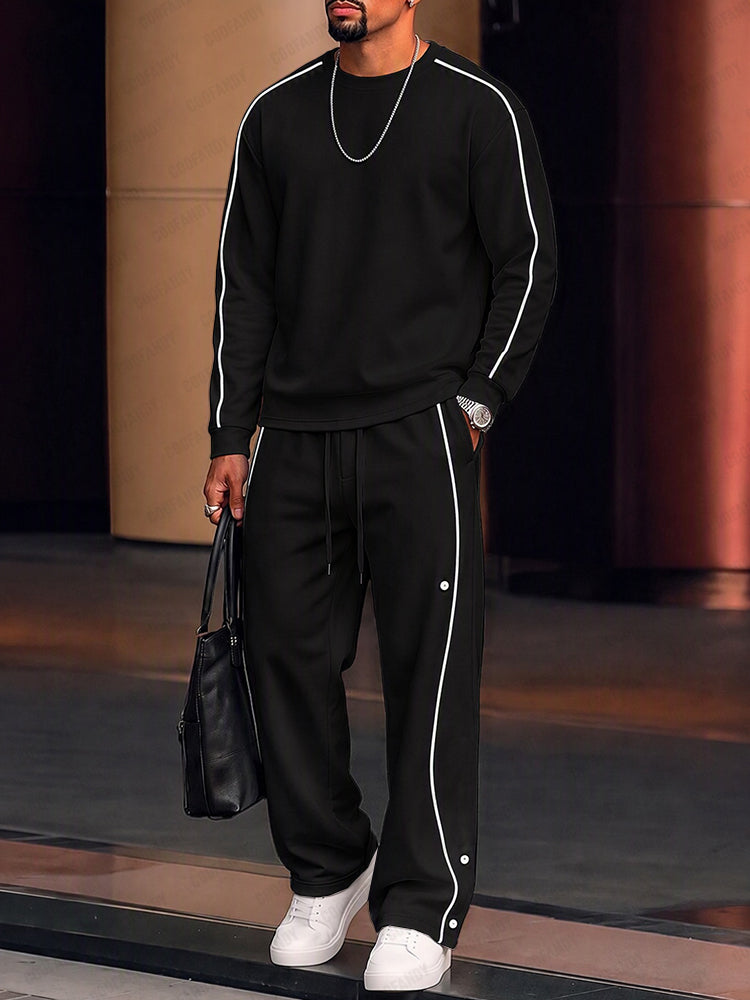
For the lower half, try the trousers with the socks and shoes you will wear. If you intend to use a lower-body base layer, put it on for this check rather than assuming it will fit later. Sit, bend and take a normal stride. A waistband that only closes when standing or a thigh that pulls over the extra layer calls for another cut or combination, not another top.
Check the hem with the actual footwear. Keep it off the ground, and see whether it catches on the boot shaft or exposes a gap you did not intend when seated. Do not choose shoes solely because their shape suits the character. Use footwear appropriate to the route and conditions; a boot silhouette alone does not tell you its weather protection or grip.
Finally, put on the headwear and gloves. Can you use the coat closure, reach a pocket and carry what you need without repeatedly removing them? Reorganize pockets or reduce the accessories if the outfit requires too much handling. These are fit and usability checks you can make at home, not a substitute for selecting clothing with the protection you need.

Three Complete Cold-Night Outfit Directions
1. Seasonal Everyday Clothes for a Casual Gathering
Try a plain base top, a Halloween graphic knit, straight dark trousers, suitable socks and weather-appropriate footwear, finished with your chosen cold-weather coat. Include the head and hand coverage your plans require. The sweater supplies the seasonal detail when it is visible; the coat does not have to be a Halloween garment.
Our Halloween graphic crewneck knit is one optional example. Its description lists long sleeves, a pull-on crewneck, contrast ribbing at the neckline, cuffs and hem, and a Halloween knit pattern. Those details describe the garment's shape and visual role, not its suitability for a particular temperature. Use an existing festive top if you already have one that works with the rest of your clothes.
Try the knit beneath the coat you actually intend to use. If the combination crowds the armholes, keep the necessary outerwear and try a different seasonal top rather than forcing the stack. You could move the color accent to a plain burgundy base beneath your usual middle layer. The outfit can be less visibly festive outside and still make sense at the gathering.
Choose this direction when themed everyday clothes are welcome. Reject it as a complete answer if the invitation requires a recognizable character. Also reject this particular knit-and-coat combination if it prevents the coat from closing or moving as you need; a different top is more useful than a perfect graphic hidden under an unusable stack.
2. A Clothing-Based Character That Allows Extra Layers
Begin with a character whose clothing can accommodate your outdoor needs. A lumberjack-inspired combination might use a base top, flannel shirt, trousers that work with any intended lower layer, appropriate boots and a knit hat. Add your necessary coat and gloves. The flannel and hat provide the character direction; they do not turn the clothes into tested cold-weather equipment.
For a more tailored character, try a suit-based agent or reporter idea with the base layers you intend to wear, suitable footwear and a coat that closes over the jacket. Test the whole arrangement rather than selecting a suit first and hoping your outerwear will fit. A jacket, shirt and hidden layer can occupy more space than the costume photograph suggests.
Consider what the character depends on. If the defining shirt will be covered outdoors, agree that the full idea appears once you arrive inside. If the plan depends on a hat that conflicts with necessary head coverage, choose another marker permitted by the event or another character. Do not force two incompatible hats together merely to preserve the first idea.
Reject a character that requires exposed skin or clothing you cannot adapt while retaining what you need outdoors. If a bare-leg or sleeveless idea cannot accommodate your outdoor clothes, choose a different character. If your group needs a specific appearance, discuss the cold-weather version before leaving; their understanding is more useful than an improvised explanation at the entrance.
3. A Dressed-Up Indoor Destination With a Cold Journey
For a restaurant or dressier party, try an appropriate shirt or simple knit, tailored trousers, the jacket the venue requires, and shoes that work for both the rules and your journey. Add the necessary travel coat, socks, headwear and gloves. A burgundy tie, pocket square or other permitted accent can provide the seasonal detail without deciding the entire clothing system.
Test hidden layers with the shirt and trousers, not only with the coat. A visible base collar may be a combination you like, but if it conflicts with the intended outfit, try a different neckline rather than adding a scarf to conceal it all evening. If the trousers become restrictive over an extra layer, change the cut or the plan instead of assuming the coat solves the lower-half problem.
Do not rely on a blazer as your cold-weather outerwear solely because it completes the dinner look. Wear the coat you need for travel and ask about storage at the destination. If your required outdoor shoes and the venue's footwear rules conflict, confirm a workable arrangement before committing, rather than taking unsuitable shoes and hoping the walk is short.
This direction suits an indoor occasion with a practical way to handle the cold journey. It is not a formula for spending the whole night outside in tailored clothes. If dinner becomes an outdoor gathering, reassess the clothing and duration instead of carrying over the original plan unchanged.
Keep the Theme Without Opening the Coat
Think of the outdoor and indoor appearance as related, not identical. Outside, a plain coat with a permitted burgundy scarf or another visible accent can be enough for a theme-led look. Inside, a graphic knit or character shirt can take over. You do not need every garment to carry the same motif for the outfit to feel intentional.
First check that the accent works with the clothing already chosen. A scarf should not prevent the collar from closing as intended. A novelty hat should not replace headwear you need simply because it looks more seasonal. If an accessory obstructs your view, hands or fastenings, remove it or select another idea. Keep any alternative within the event's accessory rules.
For a required costume, ask which identifier matters most to the host or group. A permitted wearable marker might keep the idea legible, but there is no universal accessory that makes every coat-covered outfit an accepted costume. Agree on the compromise; otherwise, choose a character that works with your outerwear or keep the full reveal for indoors.
When browsing our men's party outfits collection, decide which job the missing piece has. A seasonal top can complete the indoor theme while your existing coat handles a different need. Do not replace working cold-weather clothing just to make the shopping list look like one coordinated set.

Prepare for the Part of the Night You Cannot See Yet
Before departure, resolve the likely fallback, not just the ideal arrival. If transport is delayed, where can you wait indoors? If the outdoor gathering changes location, will your coat and accessories stay with you? Carry the layer you expect to need on the way home rather than leaving it somewhere you cannot retrieve before the next outdoor stretch.
Check how a bag or character prop affects that plan. A large prop may occupy the hand you need for a coat fastening or leave no convenient way to carry removed accessories. Reduce nonessential pieces before abandoning useful clothing. You can simplify the costume without simplifying away the cold-weather requirements.
Reassess when the forecast changes. A wetter evening may require different outerwear and footwear, not another decorative knit. If you cannot put together the necessary clothes, choose the indoor portion, shorten the outdoor time or change the outing. These are legitimate outfit decisions, not failures to commit to Halloween.
The NWS's extreme-cold guidance also says to change into dry clothing immediately once indoors if you are wet. Do not treat a wet fashion layer as something to keep wearing for the look. For an outing where this is a realistic concern, plan access to dry clothes and a warm indoor destination. Follow local safety advice rather than trying to solve severe conditions with styling adjustments.
Make the Final Choice at the Door
Put on the full outfit one last time, including trousers, socks, shoes, coat, headwear, gloves and anything you will carry. Check it in the state you will actually wear outside, with the coat closed if that is your plan. Confirm that the Halloween detail has not made a necessary garment unusable.
Then make the choice plainly. If the weather clothes work but the character does not, change the character. If the character works but the weather clothes do not, change the clothes or the outing. If both work, stop adding accessories. Leave with a complete cold-night outfit, not a costume that depends on taking the coat off before you have reached a suitable indoor place.

Frequently Asked Questions
Can I wear a Halloween sweater instead of a coat?
A festive pattern or knit construction does not establish that a sweater provides the protection your night requires. Choose outerwear for the actual forecast, time outside and journey, then see whether the sweater works beneath it. There is no universal temperature at which this guide's suggested sweater replaces a coat.
How do I keep a costume recognizable under cold-weather clothes?
Identify the detail that remains visible with your outerwear used properly, and confirm that the host accepts it. Use a permitted marker only if it does not interfere with necessary clothing, vision or movement. Otherwise choose a layer-compatible character or save the full reveal for indoors; do not leave needed protection behind.
What if the forecast turns colder or wetter than expected?
Reassess the outerwear, lower-body layers, head and hand coverage, footwear and time outdoors. Change the relevant clothes rather than adding seasonal decoration. If you do not have what the conditions require, take an indoor alternative, shorten the outdoor portion or change the outing, following local weather advice.
About COOFANDY
Founded in 2015, COOFANDY is a menswear brand created for modern men navigating work, weekends, celebrations, and everyday life. Its collection includes shirts, suits, pants, sweaters, and tees designed to help men build versatile, confident looks for different moments and personal styles. Guided by the belief that clothing can reflect confidence and character, COOFANDY focuses on making approachable menswear part of every stage of life.
COOFANDY in the Press
- Is COOFANDY Worth It? The $20 Shirt Test vs. Ralph Lauren, Express and 8 More Menswear Brands
- Best Picks: COOFANDY Shirts & Suits for Commuting, Vacation, and Wedding Season
- From Amazon Basics to 70M+ Customers: The COOFANDY Story Adds a New Chapter with Walmart Distribution



Hinterlassen Sie einen Kommentar