









COOFANDY Fit, Fabric & Care Hub: What to Know Before You Buy
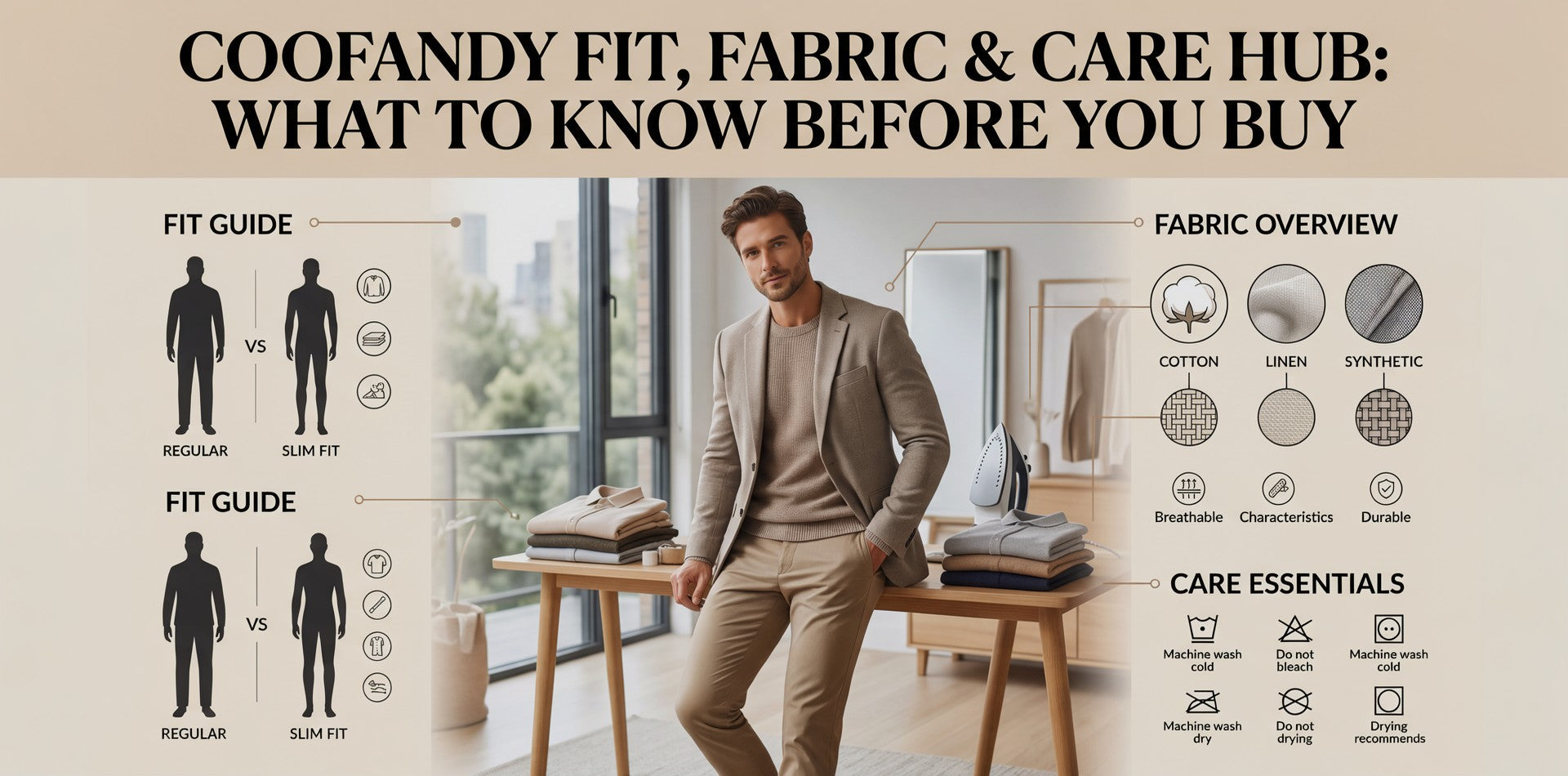
Three things decide whether a COOFANDY shirt, pant, or set works for you: (1) measure yourself and match the size chart — don’t guess, (2) pick the right fabric for your climate and occasion, and (3) know that linen gets softer after a few washes and cold water prevents shrinkage. Everything else is detail — covered below.
Whether you're shopping for a shirt for a beach wedding, pants for the office, or a matching set for a weekend trip, this guide gives you the complete decision framework before you add anything to your cart.
How to Read This Guide
This isn't a product catalog. Think of it as a decision framework — the kind of questions a knowledgeable friend would walk you through before you spend money. We've organized it by the choices that actually matter: fit, fabric, scene, and care. COOFANDY products appear as concrete examples, not as the only answer to every question.
Fit: What "True to Size" Actually Means in Practice
Fit is where most online clothing purchases go wrong. Here's a practical breakdown by product type.
Shirts
COOFANDY's shirts are generally cut for a relaxed-to-slim silhouette — not boxy, not skin-tight. A few things to check before ordering:
- Shoulder seam placement — the seam should sit at the edge of your shoulder, not drooping onto your arm.
- Chest room — you should be able to pinch about an inch of fabric on each side when the shirt is buttoned.
- Shirt length — if you're wearing it untucked (which most of these are designed for), the hem should fall just below your waistband, not mid-thigh.
If you're between sizes, size up for linen and cotton-linen blends. These fabrics have minimal stretch, so there's no give to compensate for a snug fit.
Pants
The pants lineup covers everything from tailored trousers to relaxed linen drawstring styles. Key fit considerations:
- Waist — elastic or drawstring waists give you more flexibility; structured waistbands are less forgiving, so measure carefully.
- Inseam — check the listed inseam against your own. Most COOFANDY pants run in standard lengths, so taller guys (6'2"+) should verify before ordering.
- Thigh room — if you have an athletic build, prioritize styles described as "relaxed fit" or "tapered" rather than "slim."
Matching Sets and 2-Piece Sets
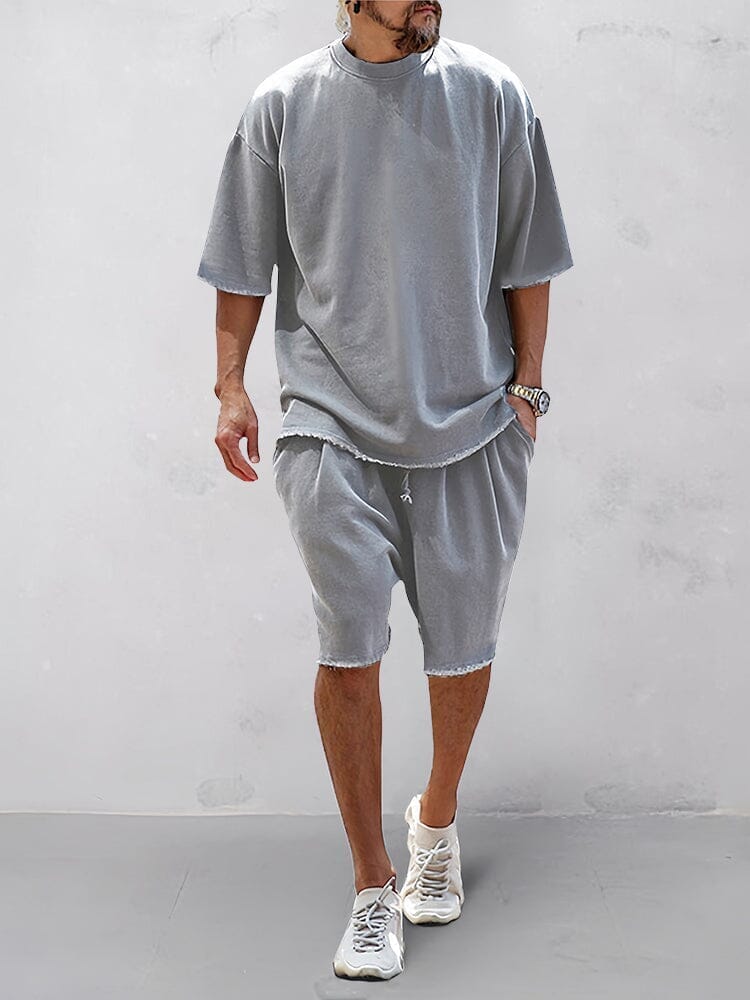
Sets are sized as a unit, which means the top and bottom share the same size. If your top and bottom measurements differ by more than one size, sets may not be the right format for you — separates will give you more control. For most average-to-athletic builds, sets fit well when ordered in your shirt size.

How to Read a COOFANDY Product Page
Before you buy anything, spend 30 seconds reading the product page correctly. Here's what to look at and where to find it.
Fabric Composition
Located in the product description, usually in the first few lines or a dedicated "Material" field. You'll see something like:
- 55% Cotton / 45% Linen — a cotton-linen blend
- 100% Linen — pure linen
- 95% Cotton / 5% Spandex — stretch cotton
Why it matters: the blend ratio tells you exactly how the garment will behave. Higher linen percentage = more breathable, more wrinkle-prone. Added spandex = stretch and recovery. If the composition isn't listed clearly, check the "Additional Information" or "Details" tab.
Size Chart
Every product page includes a size chart — usually accessible via a "Size Guide" link or tab near the size selector. The chart lists measurements in inches for:
- Chest — measured flat across the front, armpit to armpit
- Shoulder — seam to seam across the upper back
- Length — from the highest point of the shoulder to the hem
- Sleeve — from the shoulder seam to the cuff edge
How to use it: Measure a shirt or pair of pants you already own that fits well. Compare those numbers to the chart. This is more reliable than going by your "usual" size, because cuts vary between brands and even between styles within the same brand.
Care Label Icons
Product pages sometimes show care symbols. Here's a quick decoder:
| Symbol | Meaning |
|---|---|
| Tub with "30" | Machine wash at or below 30°C (cold) |
| Tub with hand | Hand wash only |
| Square with circle | Tumble dry allowed |
| Circle with one dot | Tumble dry low heat |
| Iron with one dot | Iron on low heat |
| Crossed-out triangle | Do not bleach |
When in doubt, the physical care label sewn into the garment is the final authority — product page symbols are a preview.
"Relaxed Fit" vs "Slim Fit" in Product Descriptions
These terms describe the cut's relationship to your body:
- Slim Fit — closer to the body through the chest, waist, and arms. Designed for a more tailored silhouette. Less room for layering underneath.
- Regular Fit — standard proportions with moderate room. The most broadly flattering across body types.
- Relaxed Fit — extra room through the chest, torso, and sleeves. Designed for ease of movement and a casual drape. This is COOFANDY's default for linen vacation pieces.
If a product description says "relaxed fit" and you normally wear slim, you may want to size down — or accept that the silhouette will be looser than what you're used to. Neither is wrong; they serve different occasions.
Fabric: What You're Actually Buying
Fabric determines how a garment feels at 2 p.m. on a humid afternoon, how it looks after a transatlantic flight, and how long it stays in rotation. Here's a plain-language breakdown of what COOFANDY uses most.
Fabric Comparison Table
| Fabric | Breathability | Wrinkle Resistance | Best For | Care Level |
|---|---|---|---|---|
| 100% Linen | High | Low (wrinkles easily) | Hot weather, beach, vacation | Gentle wash, air dry |
| Cotton-Linen Blend | High | Moderate | Everyday casual, travel | Machine wash, low heat |
| Cotton | Moderate | Moderate | Year-round basics, layering | Machine wash |
| Stretch Blend | Moderate | High | Office, commuting, long days | Machine wash |
On COOFANDY's fabric quality: Our fabric quality has been tested by airmid healthgroup, an internationally authoritative institution. This is the specific certification we hold — it's not the same as OEKO-TEX or other standards, so don't conflate them.
Understanding Linen Wrinkles: The Wrinkle Spectrum
Linen wrinkles. That's not a defect — it's how the fiber is structured. Flax fibers (what linen is made from) have low elasticity, meaning they crease where your body bends them and don't spring back the way cotton-spandex blends do. This is the trade-off for linen's superior breathability, moisture-wicking, and cooling properties.
But not all linen wrinkles are the same. Here's a four-level spectrum to help you judge where your garment sits and whether it needs attention:
The Four Levels
| Level | Name | What It Looks Like | Action Needed |
|---|---|---|---|
| 1 | Fresh Pressed | Smooth surface, visible weave texture, crisp lines | None — this is post-iron or brand new |
| 2 | Relaxed Texture | Soft creases at the elbows, waist, and behind the knees. Fabric still looks intentional | None — this is linen at its best in casual/vacation settings |
| 3 | Needs Attention | Deep creases across the chest or lap from sitting too long. Wrinkles look compressed rather than natural | Quick steam, hang in a steamy bathroom for 20 min, or iron damp on medium heat |
| 4 | Unkempt | Fabric looks crumpled, creased in multiple conflicting directions, visible crush marks from being balled up in a bag | Full iron or steam. If you're leaving the hotel room looking like this, it works against you |
The practical threshold: Most men in casual and vacation settings live comfortably at Level 2. That's where linen looks best — lived-in without looking neglected. Level 3 happens after a few hours of sitting (a flight, a long dinner) and is easily fixed. Level 4 is avoidable with basic packing and hanging habits.
When wrinkling matters less: BBQ, beach walk, resort poolside, weekend farmers market, backyard hangout. Level 2-3 reads as appropriate.
When wrinkling matters more: Beach wedding ceremony, client dinner, graduation event, date night. Aim for Level 1-2. A five-minute steam before you walk out handles it.
Fabric Aging Timeline: What to Expect Over Time
New linen and cotton-linen garments change with wear and washing. Here's what actually happens so you're not surprised:
New (First Wear)
- Hand feel: Slightly crisp, possibly a touch stiff. The fibers haven't been broken in yet.
- Color: At its most saturated. This is peak vibrancy.
- Stretch/drape: Minimal drape — the fabric holds its cut more rigidly.
- Wrinkle behavior: Wrinkles are sharper and more defined. The fabric hasn't yet developed the softness that makes creases look natural.
After 3 Washes
- Hand feel: Noticeably softer. The stiffness is gone. Most people find this is when linen starts feeling genuinely comfortable against the skin.
- Color: Approximately 5-10% lighter than new, depending on the dye. Darker colors (navy, charcoal) show this more than neutrals (sand, white).
- Stretch/drape: Better drape. The fabric relaxes into the cut, which usually means a slightly more flattering silhouette — less boxy, more natural.
- Wrinkle behavior: Wrinkles become rounder and softer rather than sharp creases. This is when linen starts looking "intentionally relaxed" rather than "just wrinkled."
After 6 Months of Regular Wear
- Hand feel: At its best. Linen fibers continue to soften with use. This is the stage where people say "I love this shirt" — because the fabric has molded to their movement patterns.
- Color: Slightly faded from peak, particularly at friction points (collar, cuffs, inner thigh on pants). This is gradual and reads as character rather than damage — unless you're buying white, where fading isn't visible.
- Stretch/drape: The garment has settled into its final shape. Elastic waistbands that have been properly cared for (no high heat) still have full recovery. Linen itself doesn't stretch out permanently.
- Wrinkle behavior: Wrinkles are softer and less noticeable than when the garment was new. The fabric's break-in process makes creases less dramatic over time.
Bottom line: If your first impression of a new linen piece is "this feels a bit stiff" — that's normal. Give it three washes before deciding whether you like it. Most men find linen at the 3-wash mark is significantly better than out of the bag.
Need Scene-Specific Advice?
This Hub covers fabric, fit, and care across all product types. For specific outfit guidance by occasion — beach weddings, office smart casual, vacation packing, Father’s Day gifting, BBQs, and date nights — we have dedicated guides that go deeper into each scenario with ready-to-use outfit formulas. Look for them in the same blog section; each builds on the fabric and fit knowledge here.
Care: How to Keep These Pieces Looking Good
Most COOFANDY garments are more forgiving than people expect — but a few habits make a real difference.
General Care Rules
- Always check the care label first. The label on your specific garment is the final word, not general advice.
- Machine wash on a gentle or delicate cycle for linen and cotton-linen blends. Hot water accelerates shrinkage.
- Air dry when possible. Tumble drying on high heat is the fastest way to shrink linen. If you use a dryer, use low heat and remove while slightly damp.
- Iron linen while damp — it's much easier than trying to press a fully dry linen shirt. A medium-heat iron works; steam helps.
- For stretch blends and structured trousers, hang after wearing to let them recover their shape. Most wrinkles fall out overnight.
Common Mistakes to Avoid
| Mistake | Why It's a Problem | Better Approach |
|---|---|---|
| Washing linen in hot water | Causes significant shrinkage | Cold or lukewarm water only |
| Tumble drying linen on high | Shrinks and stiffens the fabric | Air dry or low heat |
| Storing linen folded tightly | Creates permanent crease lines | Hang or fold loosely |
| Over-ironing stretch blends | Can damage elastic fibers | Steam or low heat only |
| Ignoring the care label | Each garment may vary | Label is always the primary reference |
Wrinkle Management Quick Reference
| Situation | Fix | Time Needed |
|---|---|---|
| Light creases after wearing | Hang overnight | 8 hours (passive) |
| Moderate creases after a flight | Hang in steamy bathroom | 20-30 minutes |
| Deep creases from poor packing | Iron on medium heat while damp, or steam | 5-10 minutes |
| You're in a rush | Spray lightly with water, smooth by hand, let air dry for 5 min | 5 minutes |
Buying Checklist: Before You Add to Cart
Run through this before finalizing your order:
- Have you checked the size chart against your actual measurements (not just your usual size)?
- Does the fabric type match the occasion and season you're buying for?
- If ordering a set, are your top and bottom measurements within one size of each other?
- Have you confirmed the care requirements work with your laundry routine?
- Are you buying for a specific event? If so, order with enough lead time to exchange if needed.
FAQ
Does COOFANDY run true to size, or should I size up?
For most builds, COOFANDY shirts and pants run true to size. The exception: if you're between sizes in linen or cotton-linen styles, size up. These fabrics have no stretch, so a snug fit stays snug. Check the size chart on the product page — measurements are listed in inches and are more reliable than size labels alone.
Can I machine wash COOFANDY linen shirts?
Yes. Gentle cycle, cold or lukewarm water. Hot water and high-heat drying are the main causes of shrinkage. Air drying is safest; if you use a dryer, pull the shirt out while slightly damp and hang to finish. The care section above has the complete step-by-step and mistake-avoidance table.
Which fabric is better for hot weather: 100% linen or a cotton-linen blend?
Both work well in heat, but they behave differently. Pure linen is more breathable and feels cooler, but wrinkles more noticeably (see the Wrinkle Spectrum above for what that actually looks like in practice). A cotton-linen blend is slightly less breathable but holds its shape better through a long day. For a beach vacation or outdoor event where you'll be moving around, linen is the better call. For a day that starts at the office and ends at dinner, the blend is more practical.
Are matching sets and 2-piece sets sized the same way?
Yes — both the top and bottom in a set share the same size. If your shirt size and pant size differ by more than one size, separates will give you a better fit. Most average and athletic builds find that ordering in their shirt size works well for sets.
What's the return window if something doesn't fit?
COOFANDY's return and refund policy covers exchanges — check the page for current terms and timelines before ordering.
Does COOFANDY ship from the U.S.?
Yes — U.S. warehouse fulfillment for domestic orders. Check the shipping information at checkout for current estimated delivery times.
Where to Go From Here
If you've worked through this guide and have a clearer picture of what you need, here's where to look next:
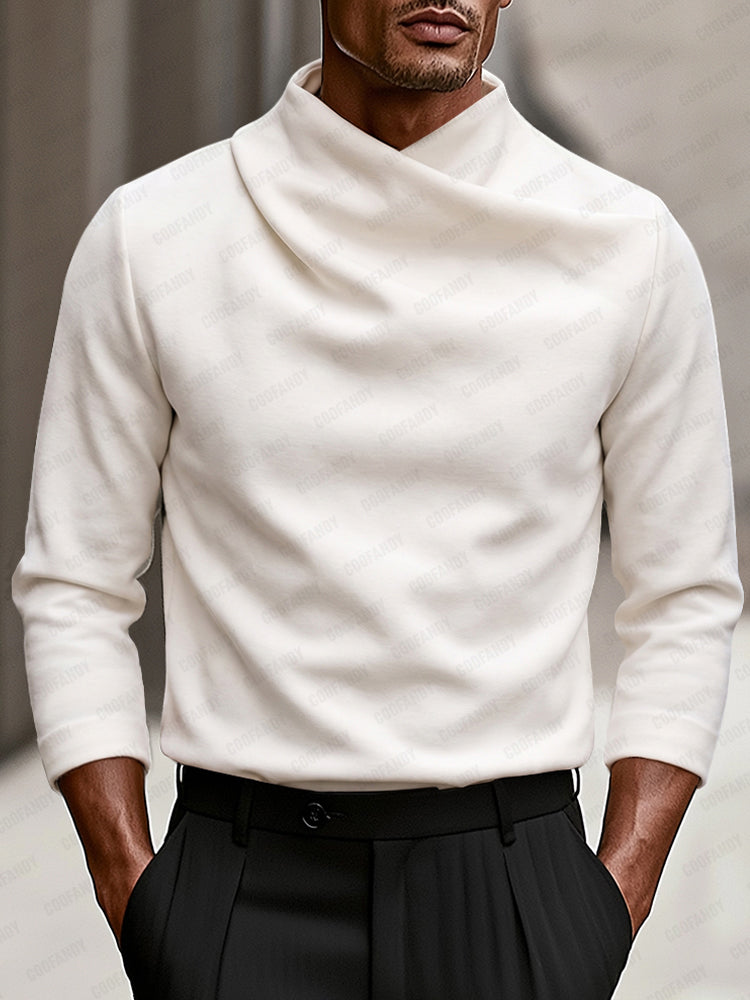
- Shirts — Browse the men's shirts collection for linen, casual, button-down, henley, polo, and Cuban collar styles across all fits.
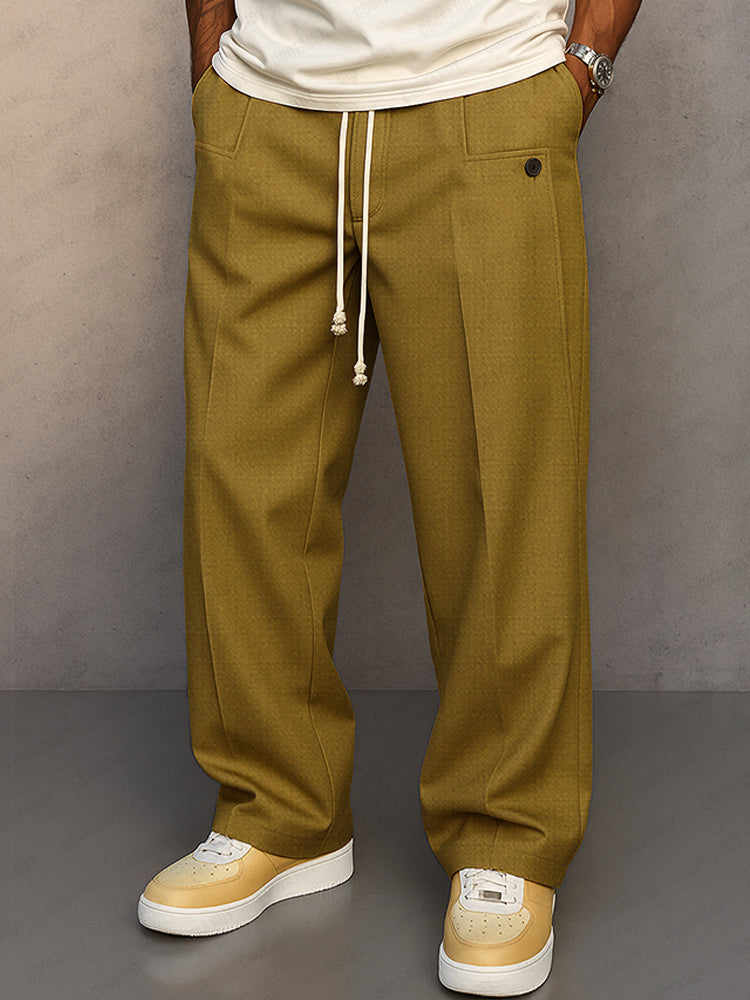
- Pants — Browse the men's pants collection for linen drawstring, chinos, joggers, dress pants, and wide-leg options.
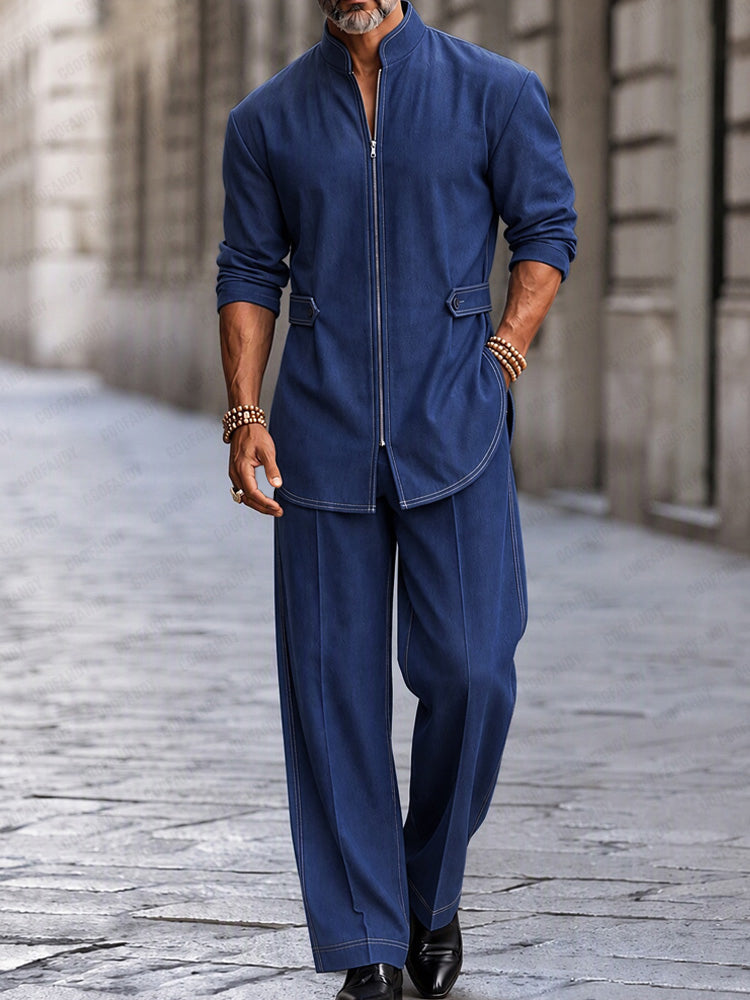
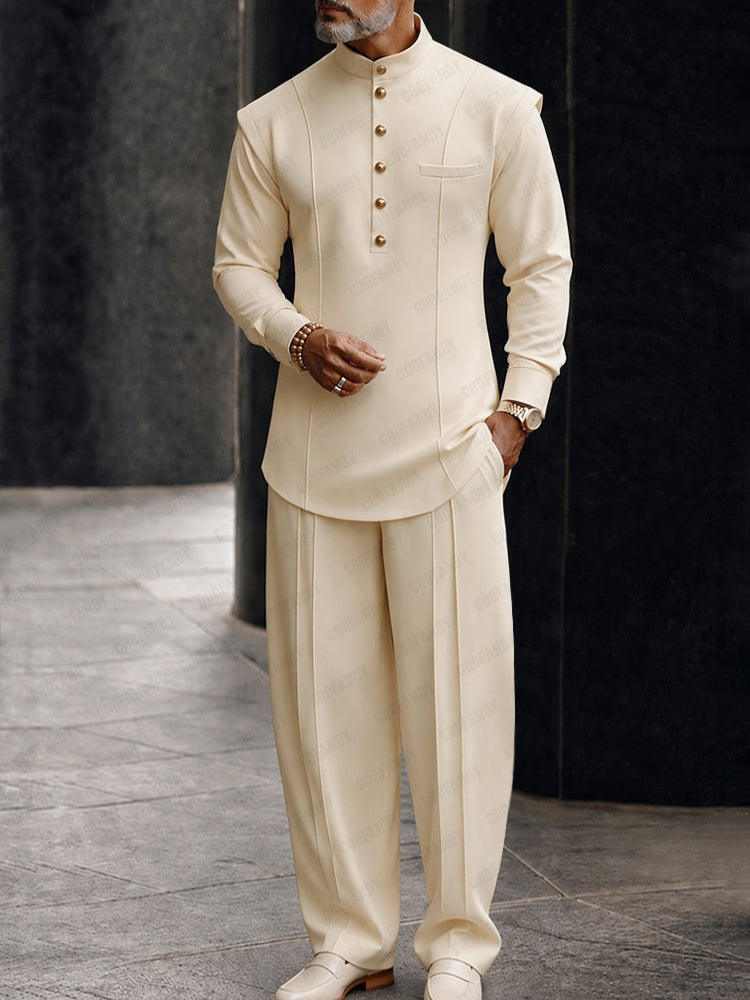
- Sets — Browse men's sets for coordinated shirt-and-shorts or shirt-and-pants combos by season and occasion.
COOFANDY has been building men's wardrobe essentials since 2015 — the full brand story is worth a read if you want context on where the brand comes from.
If the fit isn't what you expected, COOFANDY's return and refund policy has you covered — review the terms before placing your order.

Leave a comment