








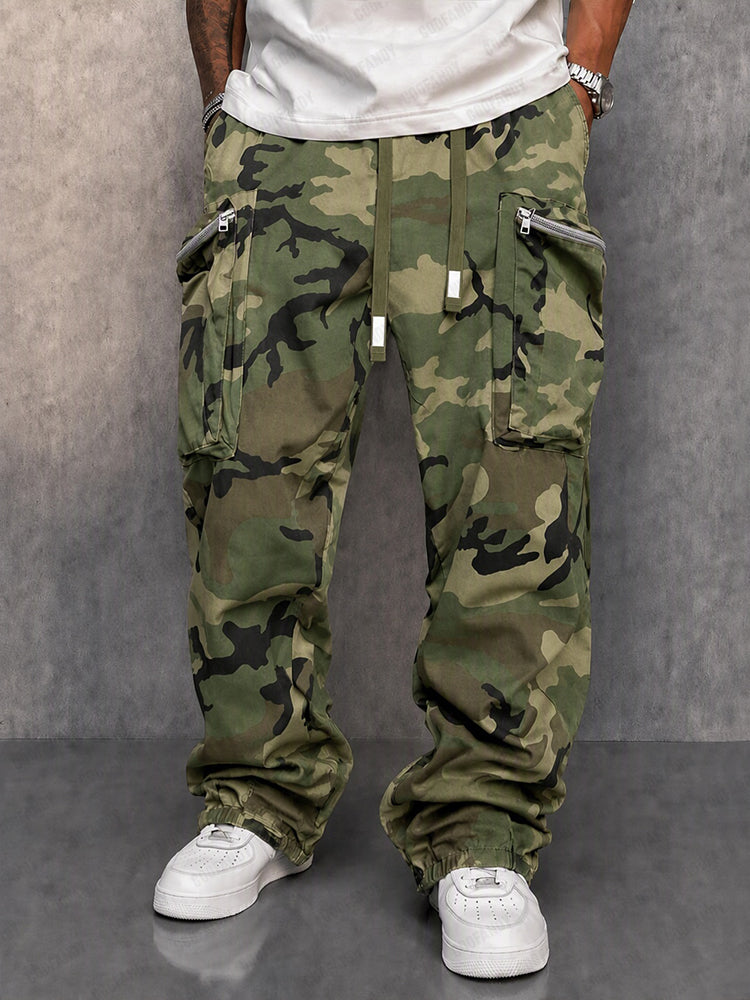
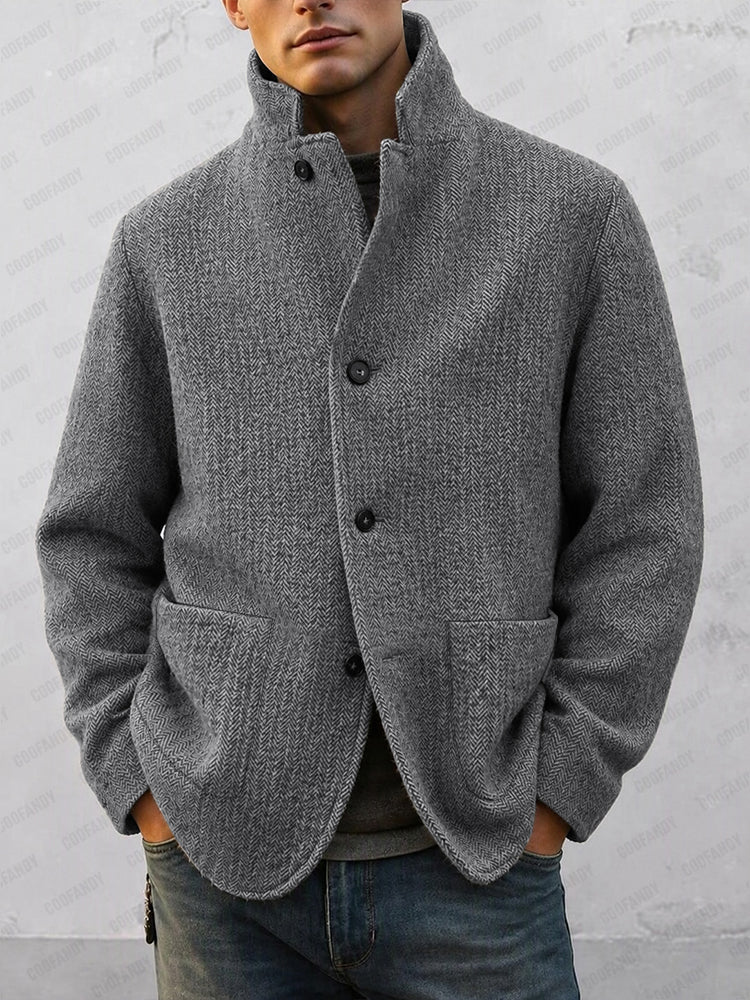
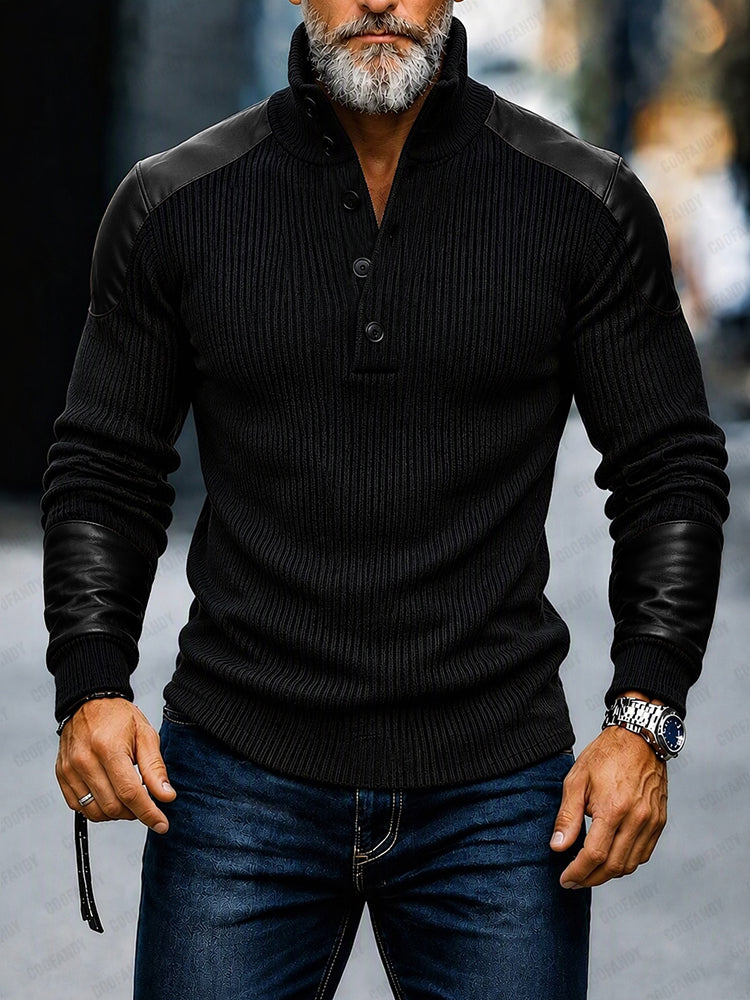
How to Dress 80s With Normal Clothes You Already Own

Your jeans, work shirt and weekend sweater may be enough for an eighties-inspired outfit. The useful question is not what vintage piece to buy, but what changes when you tuck the shirt, expose the collar, shorten the visible hem or switch the shoes. Start with clothes that fit, then test the whole combination.
This guide explains how to dress 80s with normal clothes through a practical wardrobe exercise. The examples lean toward shirts, trousers, denim and sportswear rather than a complete guide to dresses or every eighties subculture. Wear the combinations regardless of the department your clothes came from; adapt the fit to your own body.
Start with a usable outfit, not a costume checklist
- Set out comfortable jeans or trousers, two tops to compare, an outer layer and shoes for the occasion.
- Choose a reference your clothes can support, then change the waistline, layering or neckline before adding extras.
- Replace a missing item by its job in the outfit, not by a vaguely similar label.
- Photograph the complete result, move around and check what remains when the outer layer comes off.
How to dress 80s with normal clothes: start with shape
The Fashion Institute of Technology's 1980–1989 fashion overview records early-eighties menswear that included tracksuits, sports jerseys, polo shirts and sweaters worn over the shoulders. These are useful starting points because they describe relationships between familiar garments. You do not need fluorescent clothing to attempt that collegiate combination.
Choose one relationship to bring out: a visible collar beneath knitwear, for instance, or a coordinated sports jacket and trouser. The guide to eighties menswear compares those references across tailoring, prep, sportswear and music-led clothing. For this exercise, pick the version your own clothes support most clearly. A shirt with a substantial collar is a better starting point for the sweater combination than a stack of unrelated bright accessories.
A neutral tee and jeans make a quiet base. To give them a clearer collegiate reference, add a button-down with its collar visible beneath a crewneck sweater, or trade the tee for a polo and drape the knit over your shoulders. Keep the jeans and sneakers in both versions. The extra neckline and changed position of the knit do more than another bright accessory because they alter the relationship between clothes you already own.
Lay out clothes by shape and function
Start with jeans or trousers you can sit in comfortably, then place two suitable tops beside them. Compare a polo with a button-down for the collegiate version, or a tee with a sweatshirt beneath your sports jacket. Bring in the shoes before choosing a top: loafers and runners may call for different trouser lengths, even when both work with the same pair.
| Look for | Check on your own garment | Possible use |
|---|---|---|
| Jeans, chinos or plain trousers | Natural waistband position, room through the thigh, usable hem length | A visible waist beneath a tucked shirt or a simple base under knitwear |
| Polo or button-down shirt | Collar shape, enough length to tuck, sleeves that fold comfortably | A defined neckline and a tidy connection to the trousers |
| Plain tee or sweatshirt | Body length, hem bulk, room under a jacket | A quiet inner layer or relaxed upper shape without extra purchases |
| Sweater, cardigan or jacket | Shoulder line, overall length, compatible sleeve volume | A visible layer that changes the outline of existing basics |
| Sneakers, loafers or simple lace-ups | Condition, comfort and how the trouser hem meets the shoe | A practical finish consistent with the rest of the outfit |
Separate usable combinations from missing partners
Make two piles: items that work together now, and items that need an unavailable partner. A bright shirt belongs in the second pile if you dislike it with every bottom you own. Conversely, a plain shirt may be your best starting point when its collar and length already suit your sweater.
Check the laundry basket and another season's storage before declaring a gap. Ask before borrowing someone else's clothes, and test the borrowed piece with your own shoes and trousers. Extra fabric is not automatically useful volume: a jacket with restrictive armholes or sleeves over your hands creates a fit problem, not a convincing reference.
Change the waist, sleeves and layers before anything else
Reveal the waistband without changing the rise
Make the waistband visible where it already sits. Tuck a manageable shirt or tee, fasten the trousers normally, then lift your arms and let a little fabric settle above the waist. Avoid pulling low-rise jeans upward beyond their cut. If the tuck balloons or pulls out when you sit, try a thinner top or a different bottom.

Fold sleeves and compare the visible edges
Adjust sleeves without rebuilding the garment. Open a shirt cuff and make even folds that stay comfortable when your elbow bends. Leave a lined blazer sleeve alone if it resists folding. A small change is enough to compare proportions; scissors, glue and improvised padding are unnecessary for this closet exercise.
- Keep the collar readable: smooth it over or inside the knit neckline deliberately, rather than leaving one side trapped.
- Compare open and closed layers: an open cardigan reveals the waist and inner color; a closed one makes the knit the main shape.
- Test the hem with shoes on: use a modest cuff only when the fabric holds it; avoid a heavy roll that rubs or unravels.
- Remove redundant layers: if two long hems hide the waistband you wanted to show, take one away before adding a belt.

Change one thing between mirror checks. A photograph before and after the tuck tells you more than changing the shirt, shoes, hair and jacket simultaneously. Keep the adjustment that improves your chosen reference, not every adjustment that makes the outfit look different.
Use the colors you own as a group
Place the garments together in daylight. Pick the piece you most want to show, then let the surrounding colors make it visible. A red sweatshirt over a white tee with dark trousers already has clear contrast. Another bright accessory may add little if the sweatshirt is the point.
For a neutral wardrobe, compare textures and edges: a pale collar against a dark sweater, washed denim beside a smooth tee, or a light shirt tucked into darker trousers. With blue jeans, a grey knit and brown loafers, the collar-and-sweater relationship stays easy to see even without bright color. A white tee under a navy zip top gives the sportswear version a sharper central line. Choose the contrast that makes the existing clothes look most clearly related.
- If the top and bottom merge into an indistinct shape, try a lighter inner layer or expose the waistband.
- If a large print competes with another pattern, replace one with the plainest alternative you already own.
- If you only own dark clothes, concentrate on collar, knitwear and proportion rather than adding random bright objects.
A color scheme is not a separate style identity. If you are unsure whether you prefer tailored, sporty or more expressive clothing in general, the guide to clothing styles can help with that broader choice. For this outfit, stay with the group of garments that already works together.
How to dress 80s with normal clothes when pieces are missing
A useful substitute keeps the feature you want most: the collar, upper-body volume, coordinated color or shoe line. A button-down beneath a sweater retains the collegiate neckline when a polo is missing. A zip sports jacket and plain track pants can repeat a color without matching exactly. Choose the alternative around that visible feature, then let the rest of the outfit stay familiar instead of replacing several pieces at once.
| Missing item | Try what you have | What changes |
|---|---|---|
| Polo shirt | A plain button-down under the same sweater | You retain a collar-and-knit relationship, but not the polo's sporting detail. |
| Light-wash jeans | Comfortable mid-blue straight jeans | You keep a simple denim base; wash alone cannot establish the decade. |
| Matching tracksuit | A zip sports jacket with plain track pants in a compatible color | A repeated color connects the separates; the jacket and trousers can keep their different panels. |
| Roomy blazer | A comfortable cardigan with some body | You gain a visible upper layer, not a substitute for a structured power-suit shoulder. |
| High-top sneakers | Simple low-top sneakers | You keep a casual shoe; the ankle shape changes, so rely on the clothes for context. |
| Vintage accessory | Your own belt or watch, or nothing | You keep the outfit usable without inventing historical significance for an extra. |
Some gaps should change the plan. A cardigan cannot reproduce a broad suit shoulder. If a sweater is genuinely missing, the Crew Neck Slim Fit Pullover Knitted Sweater (US Only) provides a crewneck, long sleeves and ribbed hem and cuffs; it has a lightweight cotton knit, with no fiber percentage specified. For the closet exercise, choose Grey over an existing pale-blue shirt, with straight blue jeans, white sneakers and a plain navy bag. Keep the collar visible and the knit hem near the waistband, then compare wearing it with draping it over your shoulders. FIT documents the latter relationship; this current slim knit is not an archival replica. Check room over the shirt rather than assuming the label guarantees layering space. Machine wash; this item ships only to U.S. addresses.

Keep the starting point in your wardrobe. If you own a shirt but no usable knit layer, the Solid V-Neck Sleeveless Knitted Vest (US Only) offers a sleeveless V-neck and thick cotton-knit trim; the fiber percentages for the whole garment are not specified. Choose plain Brown over an existing white collared shirt, with navy straight chinos, brown loafers and a dark belt. The V leaves the collar and shirt front visible, while the navy lower half separates them from the brown knit. Unlike a sweater, the vest cannot be draped over the shoulders; it retains a collar-and-knit exercise, not the exact FIT example. Check the hem near the trouser waist and armhole comfort. Hand-wash at up to 40°C, do not bleach, and iron at up to 110°C. It ships only to U.S. addresses. These three candidates solve different missing roles; none is required if your existing clothes already work.

Run a before-and-after test with your actual clothes
Test a shirt, sweater and jeans
Start with a blue button-down, grey crewneck sweater, straight mid-blue jeans and white low-top sneakers. The pale collar gives the grey knit an edge near the face, while the white shoes repeat a lighter tone below the denim. For a stronger collegiate reference, drape the sweater over your shoulders, a combination documented in FIT's early-eighties overview. The shirt and waistband then become the visible center of the outfit, with the same jeans and sneakers underneath.
- Before: the shirt hangs below the sweater, its collar is half hidden and the jeans collect above the sneakers. The clothes are usable, but the intended relationship is difficult to read.
- Change: tuck the shirt, settle the sweater hem above rather than over a long shirt tail, straighten the collar and tidy the trouser hem. For a stronger collegiate reference, remove the sweater and drape it over your shoulders, leaving the shirt and waistband visible.
- Check and substitute: if the sweater keeps slipping, wear it normally rather than tightening it around your neck. If the shirt will not stay tucked, try a thinner polo or tee and accept the changed neckline. The finished outfit should survive sitting down, not just a photograph.
Test sportswear without inventing a matching set
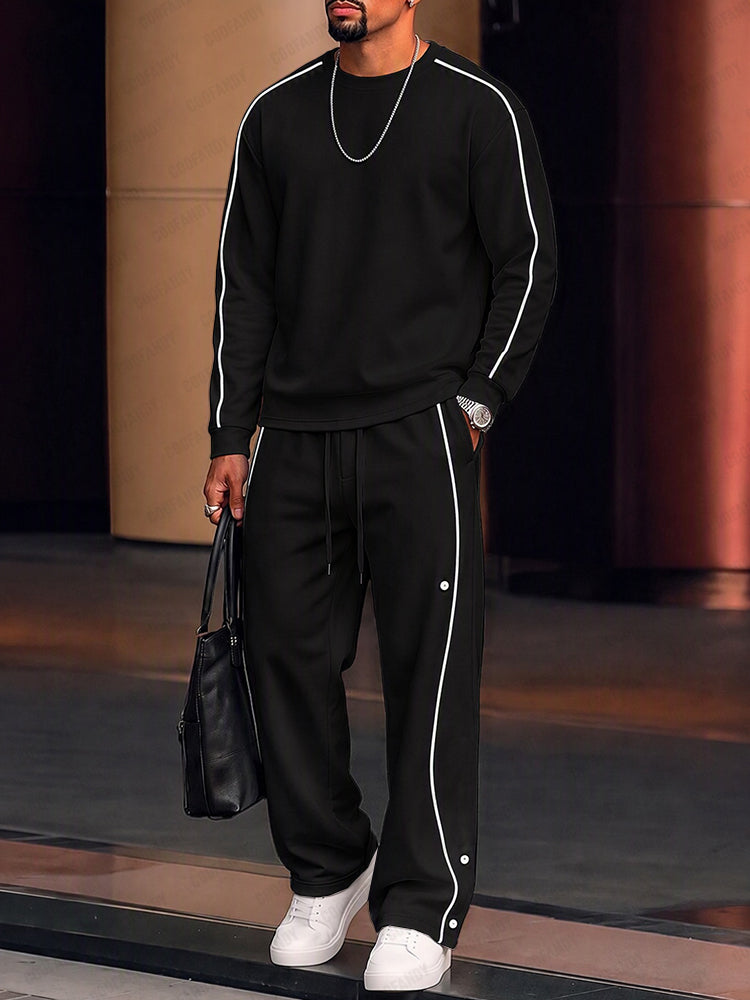
For the sportswear pile, start with your zip jacket, tee, track pants and sneakers. If a warm layer is missing, the Zip Up Slim Fit Lightweight Pullover Polo Sweater (US Only) is an optional change of direction: a quarter-zip knit with ribbed stand collar, hem and cuffs, not a full-zip track jacket. Choose Navy Blue with a white tee, grey straight casual trousers, white sneakers and a navy bag. Leave a small tee edge at the neck and keep the hem clear of the trouser rise. The colors coordinate, but the knit does not reproduce tracksuit paneling; this is a quieter substitute rather than an exact sportswear recreation. Machine wash and tumble dry low. It ships only to U.S. addresses.

- Available adjustment: smooth the jacket hem, settle the cuffs and remove an extra long undershirt.
- Available substitute: a plain sweatshirt can replace the jacket for comfort, but loses the zip-front frame and any coordinated paneling.
- Finished combination: a coordinated sports layer, a visible tee and a clear trouser hem above comfortable sneakers.
Check the complete outfit, then fix the weakest part
Step back far enough to see your shoes. Ask what actually carries the reference, and whether another garment hides it. If your answer depends entirely on explaining the decade aloud, revisit the collar, waist or layer you selected. Adding unrelated accessories usually makes that diagnosis harder.
| What you notice | Try first | Stop when |
|---|---|---|
| The outfit looks unchanged | Make the chosen collar, waistband or knit layer more visible. | The reference is clearer, even if still subtle. |
| Everything feels oversized | Remove the longest extra layer and compare a cleaner hem. | The shape looks deliberate and you can move freely. |
| The shoes seem disconnected | Try the simpler pair already in your wardrobe and recheck trouser length. | The outfit reads as a whole rather than separate experiments. |
| The look disappears indoors | Test the shirt-and-trouser combination without the jacket. | You are comfortable with both versions. |
Make one final check for the activity ahead
The last check should match the plan. For a seated dinner, test the waistband and the shirt front at the table. For dancing, check the shoes and any layer you may need to carry. If something fails, change that item and repeat only the relevant test. There is no need to photograph and rebuild the whole outfit after every small adjustment.
Adapt the same clothes to the actual occasion
For an ordinary day: wear the shirt-and-sweater outfit with the knit on your body and comfortable shoes. Keep the visible collar and tidy waist; omit a detail that needs constant adjustment. The result can be quietly retro without announcing a theme to everyone you meet.
For an eighties-themed party: make the feature your clothes already support more prominent. A shoulder-draped sweater or clearly coordinated sports layer can be more practical than assembling an unrelated character costume. Check the invitation's expectations; a casual interpretation may not satisfy an event asking for a specific period recreation.
- Warm room or dancing: check the base outfit without the outer layer and choose footwear for the activity, not just the photograph.
- Cool outdoor gathering: allow space for a useful coat; do not sacrifice warmth to keep a neckline visible outside.
- Dinner or a venue with a dress code: use your acceptable shirt, trousers and shoes as the base, then keep only compatible styling changes.
Knowing how to dress 80s with normal clothes also means checking what the occasion actually allows. Prepare the clothes together, including socks and any layer you expect to remove. You are finished when the combination works for the evening and communicates the reference as clearly as your wardrobe allows. Put the rejected extras away; they do not have to become part of the outfit just because you found them.
About COOFANDY
Founded in 2015, COOFANDY creates menswear for everyday life, work and special occasions with the belief that every man deserves to look and feel his best at every stage of life. Its collection includes shirts, suits, trousers, sweaters and tees, with clothing for college days, career milestones, weddings and fatherhood. The aim is to help men navigate work, family and social life with style, ease and confidence. Under its DRESS THE JOURNEY slogan, the brand's mission is to build confidence through clothing while offering good quality and keeping costs low for customers.
Conclusion
Start with a complete outfit from your own wardrobe, then choose one eighties direction: a visible collar and knit for prep, or coordinated sportswear. Let that choice guide the silhouette and color contrast instead of adding unrelated extras. Check the trouser hem with your shoes and socks on, and try sitting or moving as the occasion requires. Keep the reference subtle for an ordinary day, or make the same feature clearer for a themed party. Buy a missing layer only when the clothes you have cannot do its job. For a missing knit layer, browse our men's sweaters.
Frequently Asked Questions
What is an easy 80s outfit with jeans I already own?
Pair straight jeans with a tucked collared shirt, a crewneck sweater and sneakers. Keep the collar visible and tidy the hem. Use the waistband at its natural position rather than pulling low-rise jeans higher.
Can I get an 80s look without neon colors?
Yes. Try a pale shirt beneath a grey or navy sweater with blue jeans. Make the collar and waist easy to see; use contrast between existing clothes rather than buying fluorescent accessories.
Should I choose sportswear or a preppy outfit?
Choose prep if your shirt and knit layer comfortably; choose sportswear if your zip jacket, tee and track pants already coordinate. Test the shoes and base outfit against the occasion before adding accessories.
Can modern knitwear replace the vintage pieces?
A crewneck or vest can frame a shirt collar, but a vest cannot drape over your shoulders. A quarter-zip knit changes the sportswear look; it does not recreate a full-zip track jacket.
References
- Karina Reddy. “1980–1989.” Fashion History Timeline, Fashion Institute of Technology. Published May 29, 2020; updated August 18, 2020. Supports the specific menswear references to sportswear, polo shirts, shoulder-draped sweaters and denim.



Leave a comment