








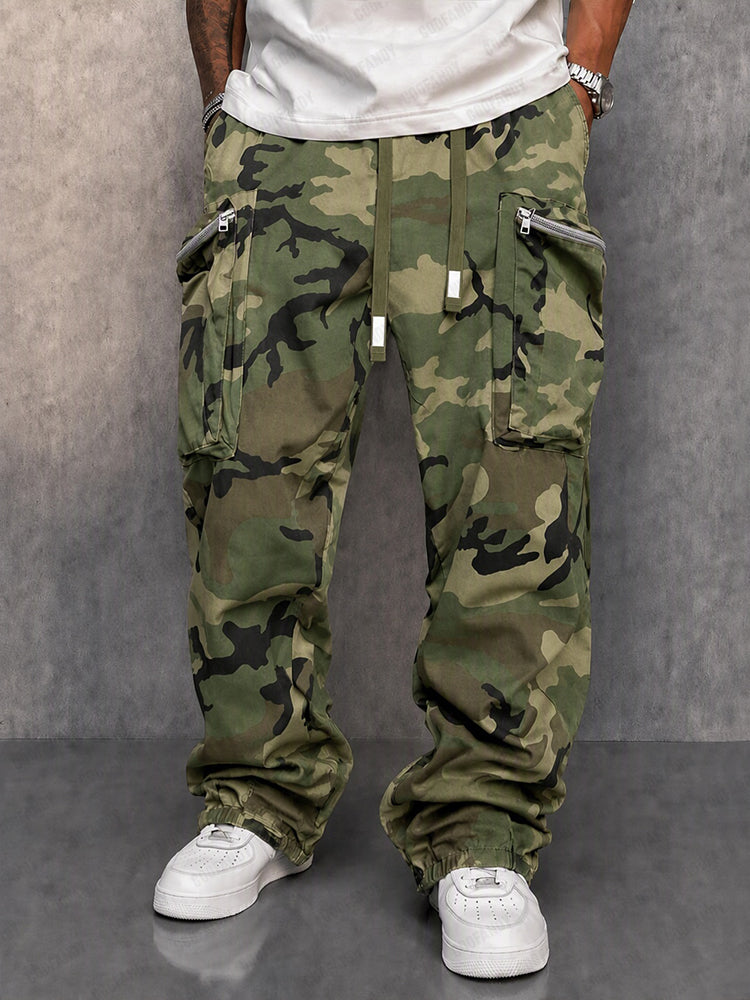
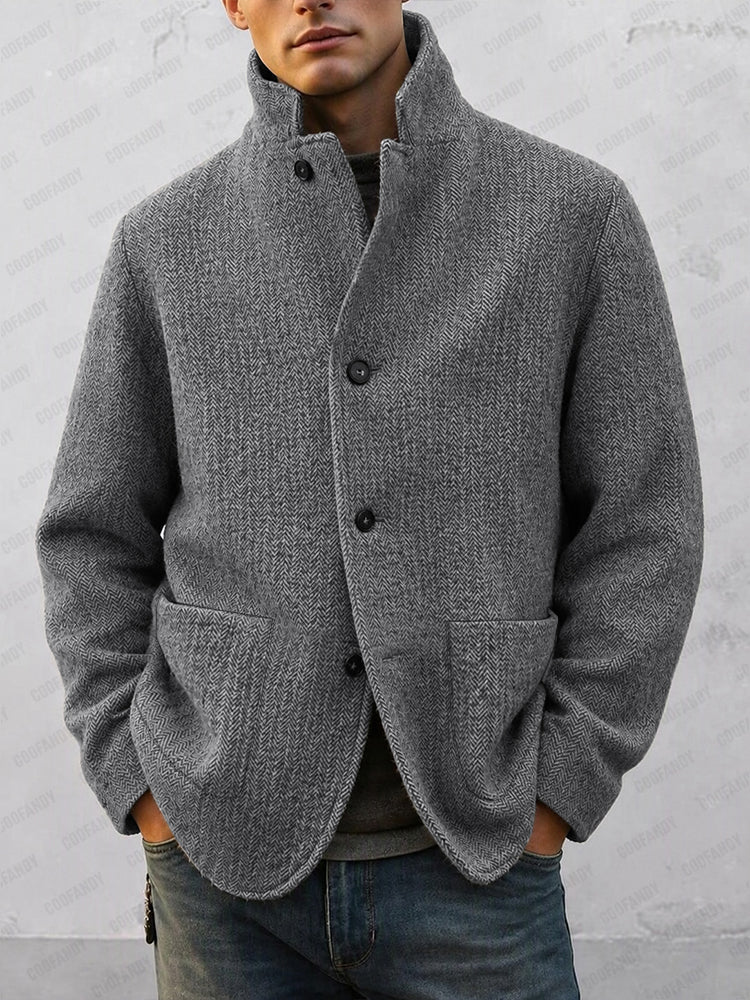
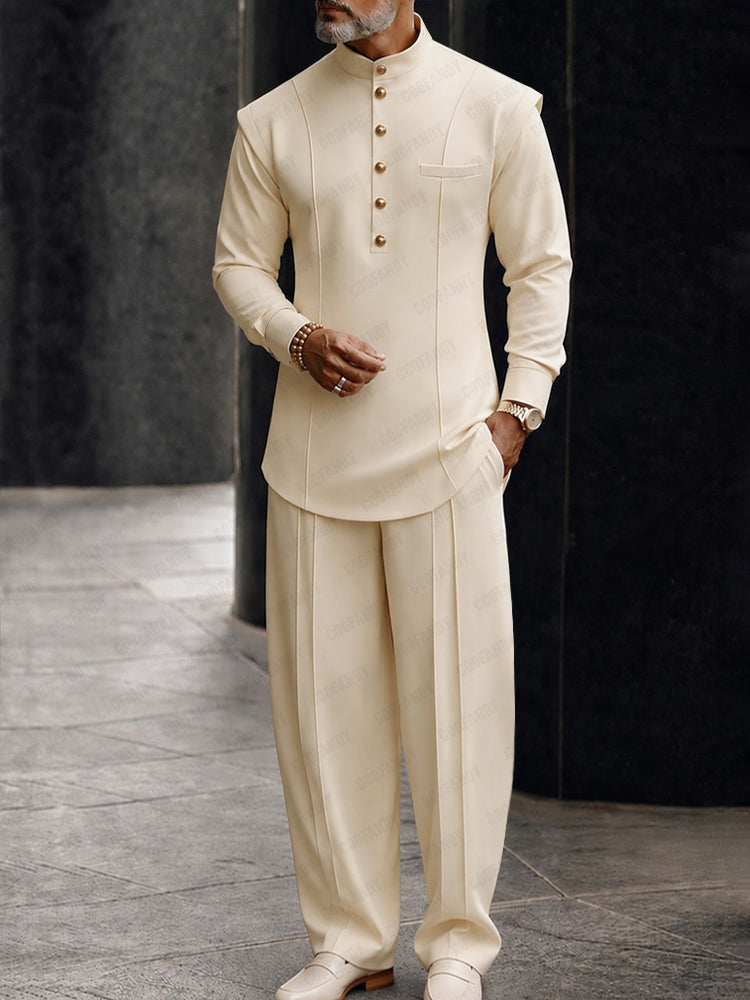
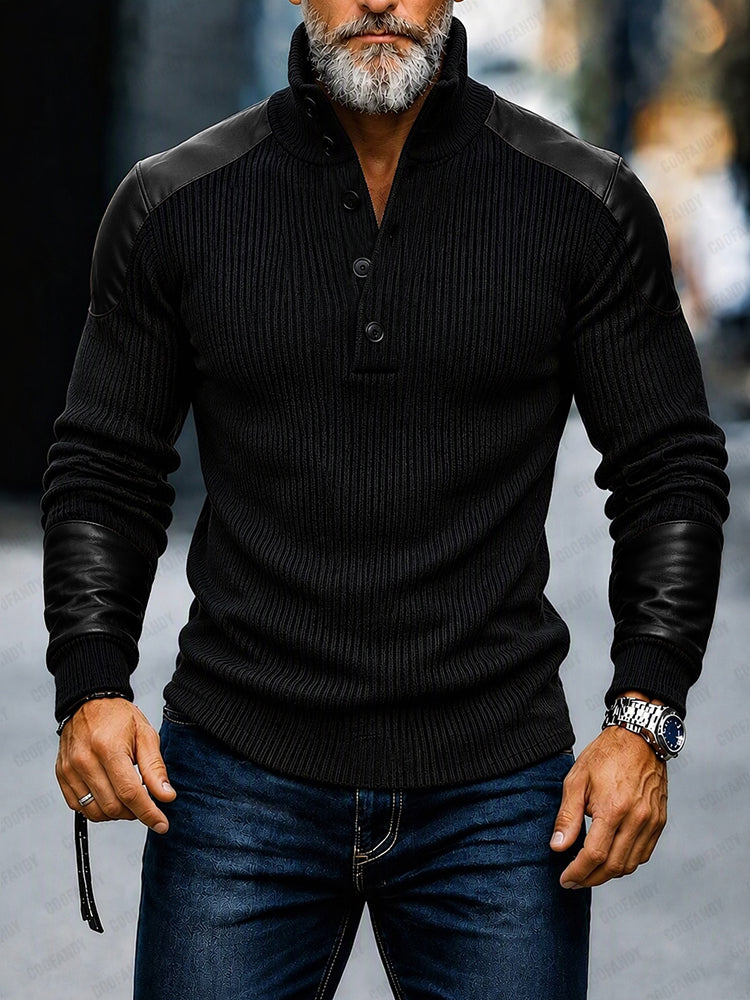
Best COOFANDY Signature Pieces by Occasion

The best COOFANDY Signature piece is the one that solves the occasion you actually have, then works with the rest of the outfit. A shirt can be the right answer for a warm dinner, resort plan or relaxed celebration. A blazer can be the better starting point when the invitation welcomes a jacket and you want more structure. If the host or venue requires a matching suit, choose the suit; a separate blazer does not replace that instruction.
Use the product detail as a decision aid, not as a universal ranking. A front pleat, a concealed placket, embroidery, a peak lapel or a contrast collar each gives an outfit a different visual job. Start by naming that job, build the complete base around it, and test whether you can use the piece for at least two real plans.
Start With the Occasion, Not the Product Name
Before comparing shirts and blazers, find the part of the invitation that controls your choice. Look for a specific request such as a suit, jacket, collared shirt or formalwear. Then separate that requirement from the atmosphere around it. “Holiday,” “garden,” “resort” and “celebration” describe a setting or mood; they do not automatically give every garment permission to replace the stated dress level.
If the instruction is clear, choose to meet it first. A matching suit request points you toward the suit and its complete base. A jacket-welcome dinner opens the door to separates. A relaxed gathering may need only a shirt, trousers and shoes that look intentional together. When the wording is vague, ask the host or venue one concrete question: “Would a collared shirt and trousers work, or are jackets or matching suits expected?”
Then consider the practical plan. Will you sit through a long dinner, walk several blocks, move between indoor and outdoor spaces, or remove a jacket after arriving? These questions help you choose the supporting pieces and footwear. They do not turn a product's design into a promise about weather, comfort or universal suitability.
A Quick Matrix for the First Choice
Use this table to decide which product role deserves your attention first. The recommendation is conditional on the actual request.
| Your occasion starts with... | Begin with... | Why this is useful | Check before committing |
|---|---|---|---|
| A relaxed dinner, warm-weather gathering or resort plan | A shirt-led outfit | The shirt can carry the look without adding a layer you do not need | Collar, sleeve length, hem and the level of detail beside your trousers |
| A jacket-welcome dinner, business event or refined social plan | A blazer-led outfit | The layer gives you a clear structure to build the shirt, trousers and shoes around | Whether separates are permitted and whether the base works without the blazer |
| A specified suit or formalwear request | The requested suit or formalwear | It follows the instruction instead of trying to reinterpret it through a separate piece | Shirt, shoes, tie and any other requirements named by the host or venue |
| An unclear invitation | The simplest complete base you can confirm | It gives you a useful starting point while you ask the one question that matters | Do not buy around a guess; confirm the required garment first |
This is also a useful way to avoid buying the wrong category. If your calendar mostly contains shirt-led plans, a blazer may be attractive without being the gap you need to solve. If several upcoming events welcome a jacket, compare blazers with the trousers and shirts already in your wardrobe rather than judging them on a product page alone.
Choose by the Visual Job
The Signature shirts in this comparison are not interchangeable just because they are all short-sleeve styles. Pick the visual detail you want the outfit to carry, then keep the trousers and shoes quiet enough to support it.
For a controlled detail at the center front, consider the Signature front-pleated shirt. AMV007686 has front pleats, a fold-down collar and short sleeves. That makes it a useful starting point when you want the shirt to have a visible point of interest without building the entire outfit around a print or a large accessory. Try it with plain navy or charcoal trousers and simple loafers for a dinner or smart-casual plan that allows short sleeves.
Look at the shirt with the jacket removed before you decide that it needs another layer. If the pleats already give the front enough definition, a blazer may make the combination busier than you intended. If the neckline feels too relaxed for the actual invitation, choose a long-sleeve or more formal shirt instead. The front detail can inform the outfit; it cannot change the event's requirement.
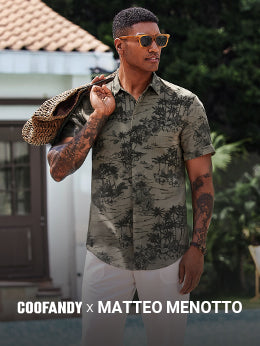
For a quieter front with an open, warm-weather character, compare the Signature hidden-placket shirt. AMV007695 has a camp collar, concealed placket, short sleeves, straight hem and side slits. The concealed front keeps the shirt's main line simple, so it can work as the center of an understated vacation or casual social outfit when the setting accepts that level of dress.
Start with straight trousers and low-contrast shoes. Then check whether the camp collar and short sleeves belong with the destination. If the plan includes a restaurant with a stricter requirement, a business-facing meeting or an evening event where a jacket and long sleeves are expected, this is not the piece to force into that role. Keep the shirt for the plans it actually answers, and choose a different base for the stricter one.
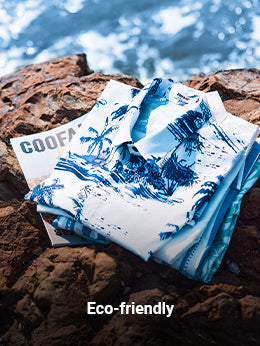
For a visible pattern detail, look at the Signature embroidered Cuban-collar shirt. AMV007685 has a Cuban/camp collar, short sleeves, button-front construction and embroidery. Let the embroidery be the reason the shirt is interesting. Pair it with solid trousers and uncomplicated shoes before you consider adding a watch, necklace, patterned layer or another strong color.
This option can be the right choice for a relaxed celebration, resort plan or casual social setting where the shirt's character fits the room. It is less useful when you need a quiet base beneath a blazer or when the invitation calls for a restrained formal shirt. The point is not that embroidery is too casual for every event; the point is to check whether the visible detail serves the actual setting.
When choosing among these three shirts, use one axis at a time:
- Choose front pleats when you want a deliberate center detail.
- Choose a concealed placket when you want a simpler front line around an open camp collar.
- Choose embroidery when you want the shirt itself to carry the expression.
The trousers, shoes and venue still decide whether the complete outfit works. A product's design detail should make the choice clearer, not make you stop checking the rest of the look.

When a Blazer Is the Better Starting Point
Start with a blazer when the occasion welcomes separates and the layer is solving a real need: more structure for a business event, a polished dinner base, or a recurring social plan where a shirt alone leaves you underdressed. Build the shirt, trousers and shoes before you judge the jacket. If the complete outfit only works when you keep adding pieces, the jacket may not be the gap.
The Signature peak-lapel blazer is AMV007743, a woven blazer with a peak lapel. Its lapel gives you a clear upper-body line to work around. For a jacket-welcome dinner, try a plain light shirt, charcoal or navy trousers and dark shoes. Keep the shirt collar and accessories simple at first so you can see how the lapel relates to the neckline.
This is a strong candidate when you want the blazer to provide the main structure and the rest of the outfit to stay quiet. Sit down, reach forward and remove the jacket. The shirt-and-trouser base should still be a complete outfit for the setting. If the event requires a matching suit, stop the comparison there and follow the requirement.
For a different blazer-led visual, compare the Signature knit blazer. AMV007712 is a brown knit blazer with a contrast collar and a single-breasted two-button front. The contrast around the collar is a reason to be selective about the shirt neckline and nearby colors. Try it with a pale-blue or ivory shirt, darker trousers and shoes that belong with the actual setting; then view the complete combination in ordinary light.
Do not treat the two blazers as a simple formal-to-casual ladder. The peak lapel and the contrast collar create different visual relationships, but the host, venue and full outfit remain decisive. If you prefer the brown blazer with a less structured shirt, make sure the event allows that base. If you need a suit, choose the suit. If you need only a layer for a recurring jacket-welcome plan, compare both with the same trousers and shoes so you are choosing a role, not a product title.
The COOFANDY Signature story gives the collection context. Use the Signature collection as an exploration page after you know whether you are looking for a shirt-led or blazer-led solution. The collection link helps you browse; it does not decide what your invitation requires.

Build the Supporting Outfit Before You Buy
A useful product comparison starts with one complete outfit, not five separate product pages. Lay out the trousers and shoes you expect to wear. Add the shirt or blazer. Then check the outfit from the front, side and seated position.
For a shirt-led plan, check four relationships:
- Does the collar sit naturally with the neckline you want?
- Does the sleeve length and hem belong with the setting?
- Does the shirt detail remain visible without competing with the trousers?
- Do the shoes support the same level of dress?
For a blazer-led plan, add three more:
- Does the shirt remain complete when the jacket comes off?
- Do the lapel or collar details have enough space around them?
- Can you sit, reach and move without changing the outfit's intended shape?
These checks are more useful than choosing the piece with the strongest product name. A peak lapel does not turn every base into formalwear. A camp collar does not make every plan resort-appropriate. Embroidery does not require a holiday theme. Decide what the garment shows, then decide whether that visual message belongs in the room.
If an outfit feels wrong, identify the failing part before replacing the entire look. You may need plainer trousers, a different neckline, a quieter shoe or no extra layer. If the event's requirement is the problem, change the garment category instead of trying to disguise the mismatch with accessories.
Check the Piece Across Two Real Plans
Before buying a piece for one imagined event, name two plans on your calendar where it could do useful work. They should be real enough to describe: a jacket-welcome dinner and a business event, or a resort dinner and a relaxed celebration. If you cannot name the second use without inventing a new wardrobe around it, pause.
For each plan, write the complete base in one line. For example: “front-pleated shirt, navy trousers, brown loafers” or “peak-lapel blazer, plain shirt, charcoal trousers, dark shoes.” Then check whether the venue permits the same garment category in both settings. A blazer that works for a dinner may not satisfy a suit request. A short-sleeve shirt that works for a warm casual gathering may not answer a long-sleeve requirement.
Try the outfit seated and standing. Look at the shirt hem after moving, the jacket front after reaching, and the relationship between the shoes and trouser hem. If you will travel on foot, include that part of the plan. If the outfit needs a jacket removed outdoors or a different base at the venue, plan the change rather than assuming the first combination covers every condition.
The best result may be keeping what you already own. A new Signature piece should solve a named gap: a shirt with the front detail you want, a quieter warm-weather front, a visible embroidery story, or a blazer role your current wardrobe does not fill. Buying without that gap can leave you with more choices and the same decision.

What “Best” Means When Your Calendar Changes
“Best” means the clearest match between the occasion, the design job and the complete outfit. It does not mean the most detailed shirt, the most structured blazer or the product with the broadest occasion list.
Choose a shirt-led piece when the shirt should carry the look and the setting permits it. Choose a blazer-led piece when separates are welcome and the layer solves a real structure or polish need. Choose the requested suit when the invitation calls for one. Then use the product page to confirm the current details of the exact item, and use the collection to compare options only after you know the role you need.
That sequence keeps the purchase tied to your life: requirement first, garment role second, design detail third, complete outfit last. It also gives you a clear no-purchase answer when an existing piece already handles the two plans you named.
FAQ
What is the best COOFANDY Signature piece for a wedding?
Start with the invitation. If it requires a matching suit or formalwear, follow that requirement. If it welcomes separates, compare a blazer-led outfit such as a peak-lapel or knit blazer with the exact shirt, trousers and shoes you plan to wear. No single Signature piece is automatically right for every wedding.
Should I choose a Signature shirt or blazer first?
Choose a shirt first when the shirt can be a complete outfit for the setting and you want its collar, front detail or embroidery to lead. Choose a blazer first when the invitation welcomes a jacket and you need the layer to provide structure. In either case, test the full outfit before buying.
Is one Signature piece enough for several occasions?
It can be, if you can name at least two real occasions where the same piece meets the required level of dress and works with clothes you already own. A blazer does not replace a required suit, and a short-sleeve shirt does not answer every sleeve or venue requirement. If the second use is only hypothetical, you may not need another piece yet.


Lascia un commento