









Commute-to-Office Pants for Summer: A Guide for Interns and New Hires
Every summer, the same scene plays out across cities: you step outside at 7:45 a.m. and the heat hits you like a wall. Twenty minutes later your forehead is damp, your shirt is sticking to your back — and then the revolving door swings shut. The AC kicks in. Suddenly you're sitting in what feels like a walk-in refrigerator for the next eight hours.
If you're starting your first internship or a new role this summer, nobody warns you about this temperature whiplash. The pants you wore to survive the commute feel completely wrong once you're parked under a vent blowing 68 °F air directly onto your ankles. Choosing the right pair up front saves you from stashing a second outfit in your desk drawer.
The Real Problem: Two Climates in One Day
Most dressing advice treats summer office wear as a single-condition problem. "Wear lighter fabrics." That works if you teleport from your apartment to your chair. In reality, your day has four temperature zones:
- The commute — outdoor heat, direct sun, crowded transit.
- The office floor — aggressive AC, sometimes set for people wearing suits in January.
- The midday break — stepping back outside for lunch or errands.
- The evening transition — dinner or drinks while it's still 90 °F.
Each phase pulls in a different direction. You need pants that stay comfortable in direct sunlight and keep you covered in a cool conference room.
What to Look for: Fabric, Fit, and Weight
Before you even think about color or brand, get these three variables right.
Fabric
Not all fabrics behave the same way across temperature swings:
| Fabric | Warm-Weather Feel | AC Comfort | Shape Retention | Office Appropriateness |
|---|---|---|---|---|
| Cotton chino twill | Familiar, comfortable | Solid all-day coverage | Good | High |
| Linen | Very airy, great airflow | Best with a light layer indoors | Relaxed drape | Moderate–high |
| Cotton-linen blend | Balanced | Comfortable range | Good | High |
| Polyester blend | Consistent feel | Holds warmth well | Excellent | High (smooth drape) |
| Wool tropical | Naturally regulating | Ideal for AC settings | Excellent | Very high |
A cotton-linen blend or a poly-blend chino often hits the sweet spot. Each fabric has a different strength — linen excels at airflow, polyester blends hold their shape beautifully, and tropical wool naturally adjusts to temperature shifts. Pick based on what your day looks like.
Fit
Slim-straight or tapered fits work best here:
- Too loose — fabric bunches behind the knee during a sweaty commute, then looks rumpled at the office.
- Too tight — restricts movement and creates visible pulling across the fabric.
- Slim-straight — clean through the thigh, enough room to move, sharp silhouette under fluorescent lights.
Between sizes? Size up slightly. You want a pair that sits at your natural waist without a belt digging in on a packed subway.
Weight
Aim for mid-weight fabrics—roughly 7 to 10 oz per yard. Ultra-lightweight pants (under 6 oz) feel great on the walk in but won't do you any favors once the thermostat dips. Heavier pants (12 oz+) are overkill for any summer commute, period.
Dressing for Each Phase of Your Day
Phase 1: The Commute
Most people grab the thinnest pants they own because the forecast says 92 °F. That solves the outdoor problem—and creates an indoor one.
Think of your commute pants as all-day pants. Choose a mid-weight cotton blend or structured chino. Roll your cuffs once if it's extremely hot—it looks intentional and lets air circulate around your ankles.
Quick survival tips: carry a small towel, leave five minutes earlier to walk at a slower pace, and keep a spare undershirt in your bag. The National Weather Service recommends staying hydrated and limiting direct sun exposure during peak hours.
Phase 2: The Air-Conditioned Office
Office thermostats sit between 68–72 °F, but spots near vents feel much colder. If you chose ultra-light pants for the commute, your legs will let you know within the hour.
A structured chino or polyester-blend trouser retains enough warmth to keep you comfortable all afternoon. Darker colors—navy, charcoal, olive—feel slightly warmer than light khaki, a minor but real advantage when you're sitting for hours.
Keep a light layer at your desk—blazer, cardigan, quarter-zip. Layers solve the upper-body problem; the right pants solve the lower half.
Phase 3: Lunch and Midday Errands
You'll step outside at noon and remember it's summer. If your pants handled the morning commute, they'll handle a 30-minute lunch run the same way.
This is where fabric recovery matters. A cotton-poly blend or tropical wool holds its shape through hours of sitting, so you walk back into the office looking as sharp as you did that morning.
Phase 4: After Work
Summer interns get invited to things—happy hours, team dinners, networking events. You probably won't have time to change. Your work pants need to double as evening-out pants.
Navy and charcoal transition from conference room to rooftop bar without looking out of place. Swap dress shoes for clean sneakers and you've got a different outfit without actually changing.
Your Summer Pants Checklist
Before you buy, run through this list:
- Fabric: Mid-weight blend (cotton-linen, cotton-poly, or tropical wool)
- Fit: Slim-straight or tapered; not baggy, not skin-tight
- Color: Navy, charcoal, olive, or medium gray—versatile enough for all four phases
- Shape retention: Can you sit in them for four hours and still look presentable?
- Waistband: Comfortable without a belt; slight stretch is a bonus
- Length: Hits the top of your shoe with no break, or a slight break at most
If a pair checks five out of six, it's worth trying. If it checks all six—buy two in different colors.
Building Your Summer Capsule (and Avoiding Common Mistakes)
Start with two pairs of versatile pants and rotate them through the week. That alone solves the most common mistake new hires make — buying only for the commute. Those ultra-thin jogger-style pants feel great on the train but look sloppy at a desk. Buy for the office first, then make sure they survive the walk.
A few more pitfalls worth dodging:
- Ignoring color. Darker mid-tones are more forgiving on hot days than light khaki.
- Wearing the same pair all week. Rotating two or three pairs extends their life and lets each pair air out between wears.
- Skipping the tailor. A $15 hem job turns a good pair into a great one. Most dry cleaners offer it.
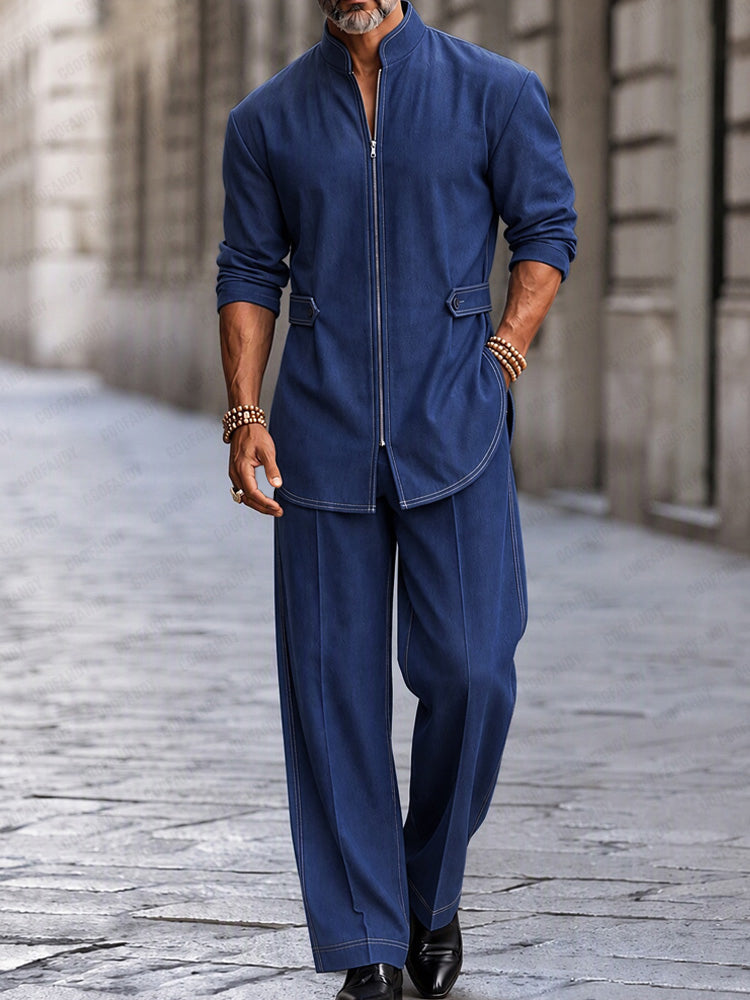
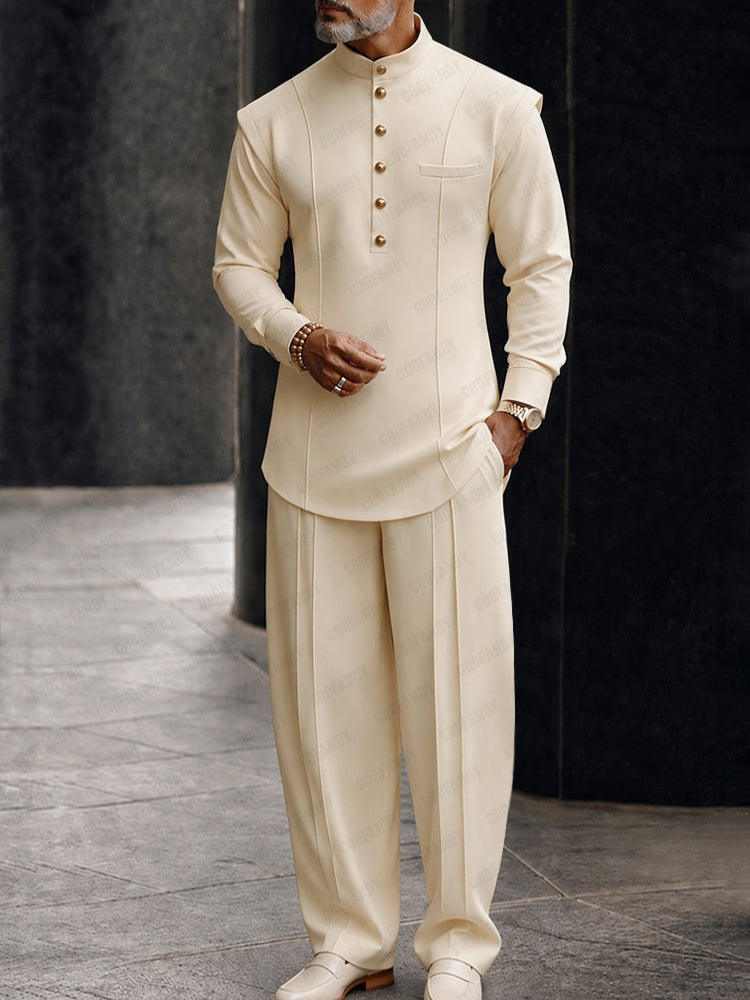
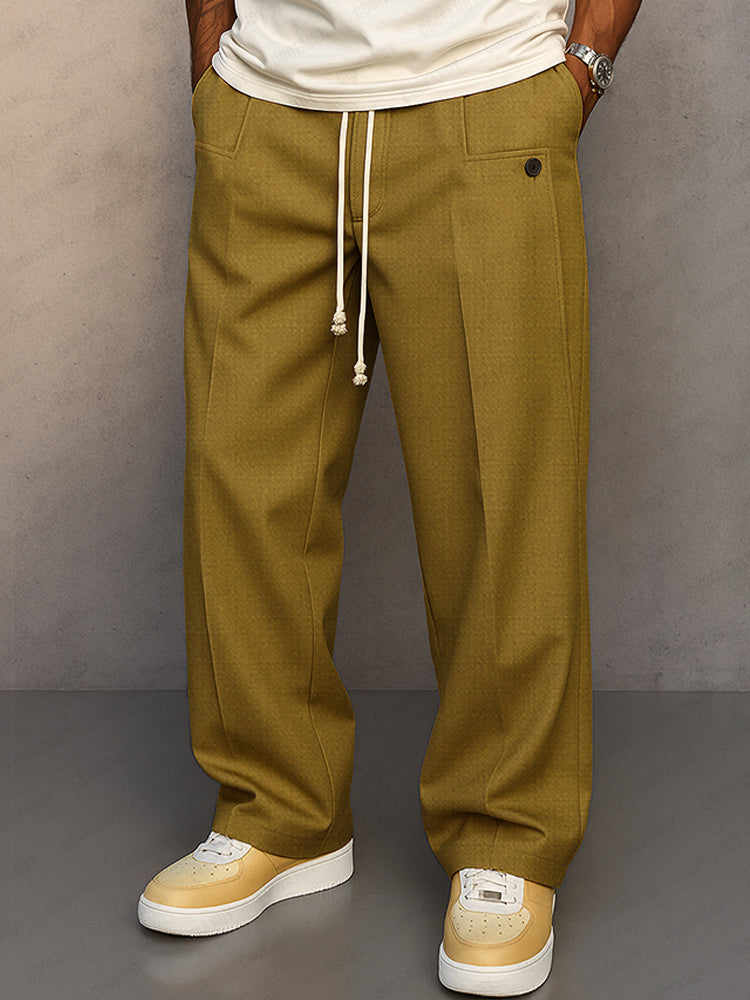
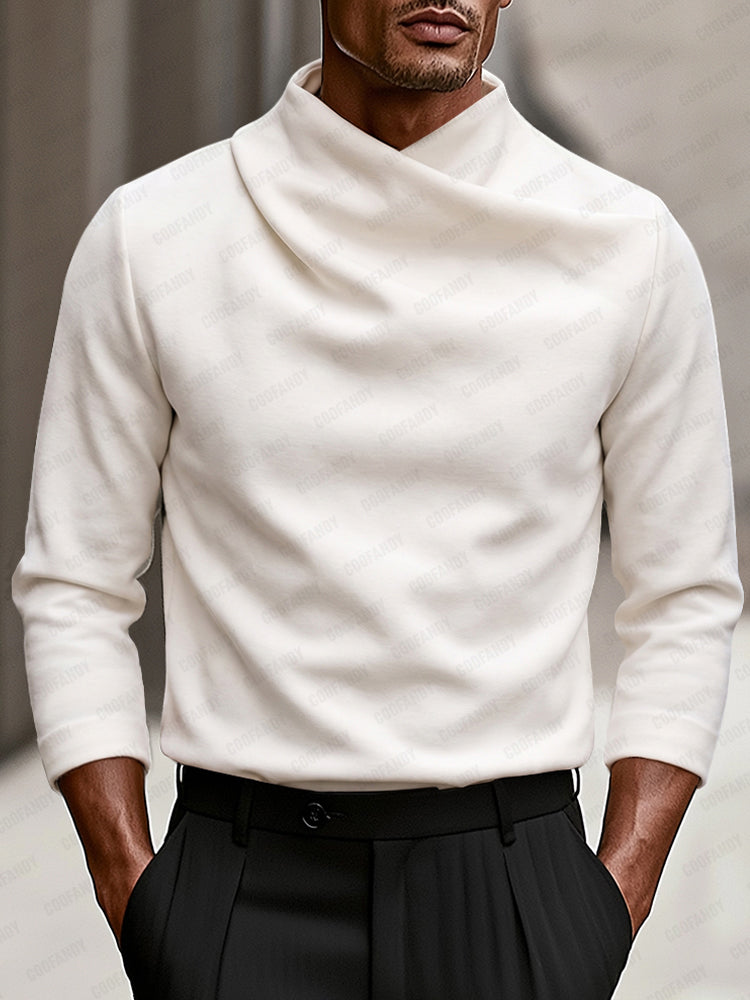
Round out the capsule with three to four tops and one light layer—a blazer or quarter-zip you keep at the office. For pants, COOFANDY's men's pants collection has structured chinos and slim-fit trousers in the neutral tones that work here. On the tops side, a linen shirt paired with a structured chino handles the commute-to-AC swing well.
Two pants, a handful of tops, one layer—enough to get through your first weeks without repeating outfits or freezing under a ceiling vent.
FAQ
What fabric works best for hot commutes and cold offices?
A cotton-linen blend or a cotton-polyester blend tends to handle both extremes well. Pure linen offers excellent airflow for the commute; pairing it with a light desk layer covers the AC side. A mid-weight blend gives you all-day coverage in one piece.
Can I wear chinos to a corporate internship?
In most corporate environments, well-fitted chinos in navy, charcoal, or gray are perfectly acceptable. Check your company's dress code during orientation—some firms still expect wool trousers, but that's increasingly rare for interns.
How many pairs of work pants do I need for summer?
Start with two versatile pairs in neutral colors. That gives you a rotation for the week when combined with different shirts and shoes. Add a third pair once you've settled into your office's dress code and know what fits the culture.
Should I bring a change of clothes for the office?
You don't need a full change of clothes. Keep a spare undershirt and a light layer (blazer or cardigan) at your desk. If your pants are the right fabric and fit, they'll handle the transition on their own.
Are linen pants appropriate for office wear?
It depends on the weave and your office culture. A tightly woven linen trouser with a clean hem can look sharp in business-casual settings. A loose, rumpled linen pant might read too casual. When in doubt, go with a cotton-linen blend—it gives you the airiness of linen with a more polished finish.

Lascia un commento