











How to Retire Jeans for Summer Without Rebuilding Your Wardrobe (2026)
You do not need a new summer wardrobe because you are tired of wearing jeans. The shirts, shoes, watch, belt, and outer layers you already reach for are useful evidence. The work is to find pants that earn a place beside them in the closet, then wear those pants on an ordinary Tuesday before buying anything else.
Jeans become a default because they remove decisions. You know which tee works with them, which shoes look right, and whether they can get you through errands and dinner. Replacing them is not about finding a theoretical substitute. It is about making a few dependable outfits visible and easy to grab on a busy morning.
Pull the closet apart for ten minutes
Open the section where your jeans live. Take out the two or three pairs you wear most, then pull six tops you actually use with them: the white tee, the dark tee, the polo, the casual shirt, and anything you wear for dinner or the office. Put the two shoe pairs that get the most use on the floor below.
Now look at the combination rather than each item alone. Which shirts do you wear tucked? Which ones look better untucked? Which shoes make the jeans feel casual, and which ones make them look more put together? Write down the outfits in your phone or take a quick photo in daylight. This is your real starting point.
The photos may show that you need one dark neutral first, or that a lighter neutral would open more combinations. They may also reveal that the issue is not the jeans at all; perhaps the shoes or shirt length are limiting the outfits. That is useful information. Do not buy pants to solve a closet problem you have not named.
Move the jeans out of reach for a week
You do not have to throw them away or box them up. Put the daily pairs on a higher shelf, in the back of the drawer, or on the far end of the rail. Leave the new pants at the front with the shirts you want to test. Visibility changes what you wear.
Choose one normal day for the first outing. A commute, grocery run, lunch, and evening errand tell you more than a special event. Wear the pants with a shirt and shoes that previously belonged to your jeans routine. Notice whether you reach for the same belt, whether the hem works when you sit, and whether you still feel like yourself when you catch your reflection in a shop window.
Take a note afterward. Perhaps the dark tee looked better than expected but your favorite sneaker changed the proportions. Perhaps the collared shirt was easy, while the long overshirt needed a different pant shape. Those small observations are the kind of closet knowledge that prevents a pile of near-duplicates.
Build outfits on the hanger, not in your head
After the first test, make three complete outfits and put each one on a hanger. One can be for weekend errands, one for dinner, and one for a day when you need a collared shirt. Include the shoes in the photo, even if they stay on the floor. A shirt that looks fine beside a pair of pants may look different once you add the footwear you always use.
Keep the color logic grounded. White, navy, gray, olive, and muted shades already do a lot of work in most closets. A darker neutral can support pale shirts. A lighter neutral can give darker tees and shirts a different setting. Pick the color that makes the most existing pieces usable, not the color that seems most exciting on a product page.
Do not force every top into the experiment. A shirt that only works with jeans can stay a jeans shirt. The point is to make enough outfits that summer pants become a routine option, not to prove that every item in the closet must cooperate.
Give each pair a real job
When the first new pair has been worn a few times, look for a genuine gap in the wardrobe. Maybe you need pants for a casual restaurant, a travel day, a work setting, or weekends when you want a different silhouette. Name the occasion before adding another pair.
Place the second candidate beside the shirts and shoes that caused trouble the first time. Try it with those specific pieces. If it creates the same three outfits as the first pair, it may not add much. If it makes a shirt, shoe, or occasion easier to handle, it has a reason to be there.
Laundry belongs in this decision too. Look at when you usually wash clothes and how many days you want a pair available. A small rotation works best when the pants do not all need attention at the same moment. Leave space on the rail so the items you are testing are visible and not swallowed by the denim section.
Check the product pages against your closet floor
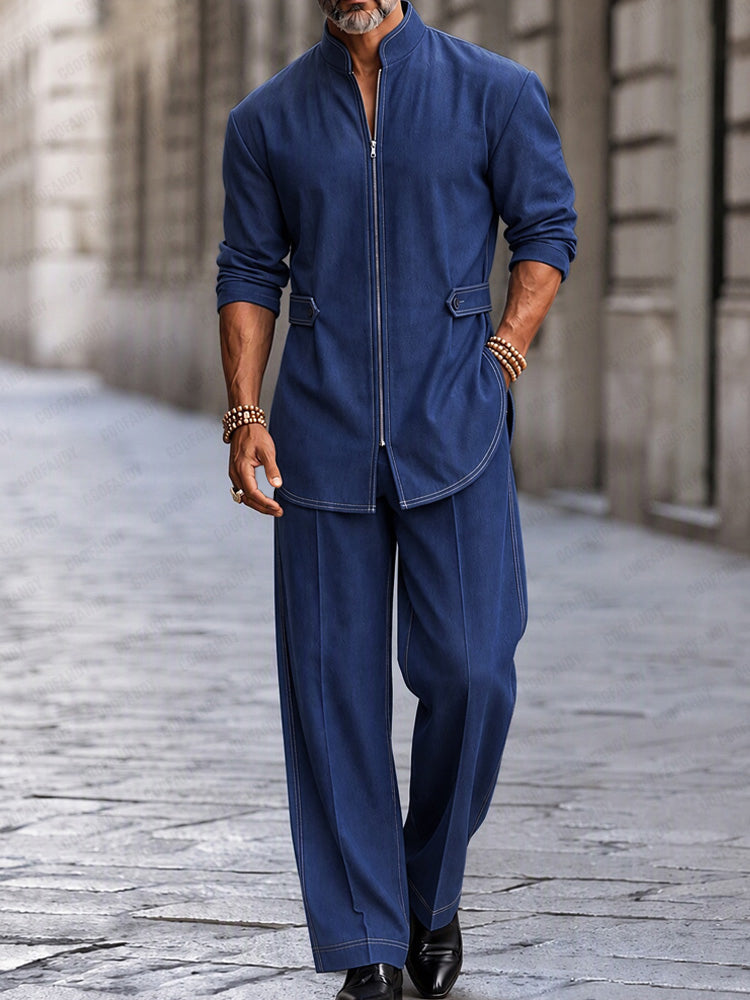
For a straight-leg option, open the Cozy Straight Leg Cotton Linen Pants page beside a pair you already own. Compare the size chart, the listed measurements, the photos of the leg shape, and the care instructions. Then try to picture it with the exact shirts and shoes still laid out on your floor.
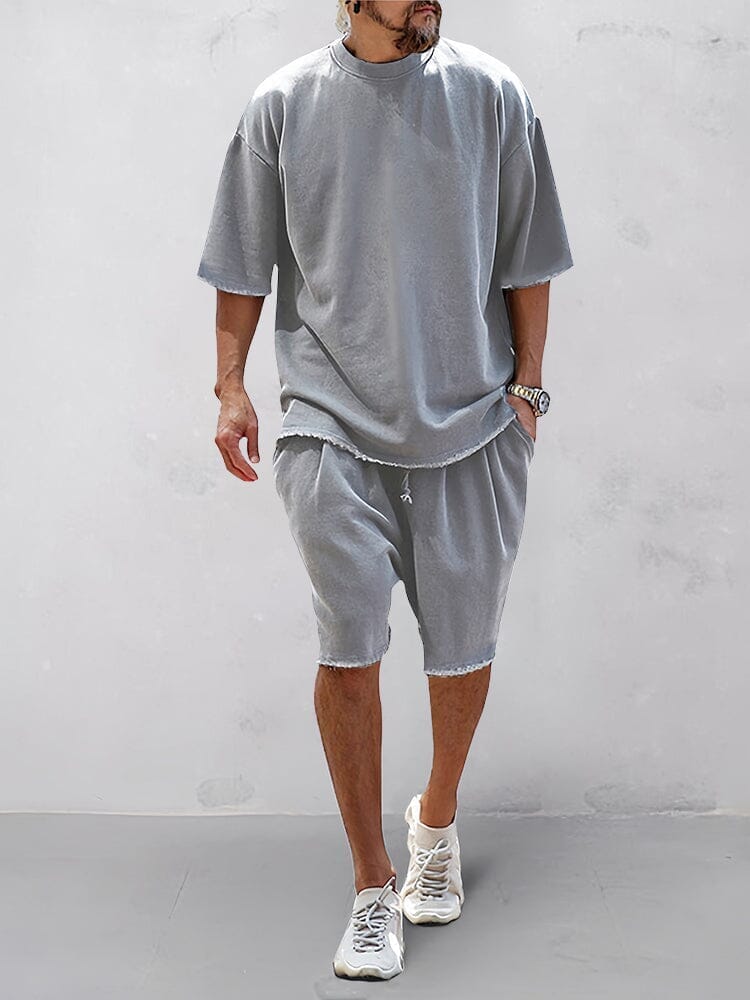
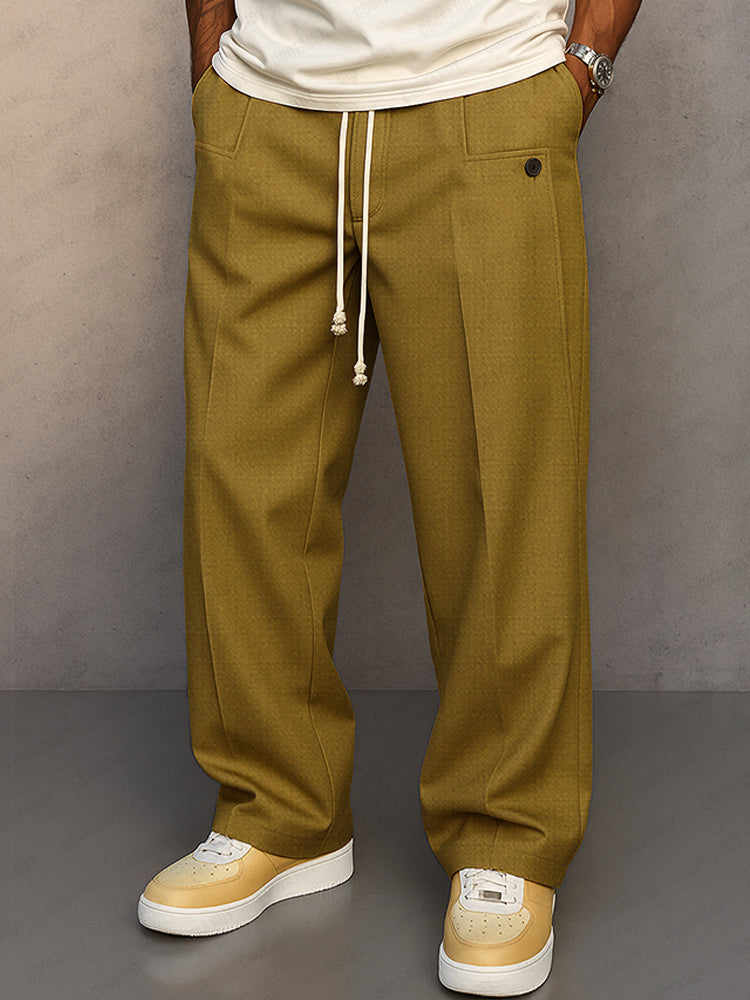
For a more casual direction, inspect the Comfy Urban Style Drawstring Pants page the same way. Check the waist details and measurements before deciding where it would hang in your closet. The product page should answer a specific question: which existing outfits could this pair join next week?
Let the routine settle in
Once you have several combinations that work, put one near the front of the closet every Sunday night. Make it the first choice for a casual weekday or weekend plan. Keep the shirt and belt together on the hanger, and place the chosen shoes where you will see them. The habit will form through use, not through a perfect wardrobe diagram. Repeat the combinations that make leaving the house easy.
Keep the jeans available for the days when they are still the right call. Retiring them for summer does not require a declaration. It means the closet now gives you another answer before your hand automatically reaches for denim. On a rushed morning, choose one of the photographed combinations and leave. That is enough. A few tested outfits, placed where you can see them, will do more than a full rebuild ever could.
FAQ
Which jeans alternative should I test first?
Start with the pair that works with the most shirts and shoes you already wear. A dark or light neutral is useful when it creates several clear outfit options.
Do I need to replace every pair of jeans at once?
No. Move your daily jeans to the back of the closet for a week and test one new pair on ordinary errands before deciding what the wardrobe still lacks.
How can I test new pants without buying a whole new outfit?
Wear them with the tee, shirt, belt, and shoes you normally pair with jeans. Take a photo, then note which combination you would actually choose again.
What if a favorite shirt only works with jeans?
Leave it in the jeans rotation. The goal is to build enough dependable summer combinations, not to force every item in your closet into the same role.

Lascia un commento