








What to Wear to a NASCAR Race: The Complete Survival Guide

Wear breathable clothes, broken-in closed-toe shoes, and a brimmed cap to a NASCAR race. Pack hearing protection, sunscreen, and a light layer for later. The best combination depends on the forecast, your seat, and how much walking the venue requires.
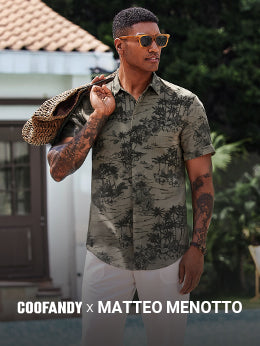
A polo with shorts or chinos is an easy starting point from the men's NASCAR outfit guide. For different colors, collars, and coordinated group looks, these NASCAR outfit ideas build on the same race-day essentials.

Key takeaways
- Plan for arrival, your seat, and the walk back, using the track's hourly forecast.
- Wear familiar closed-toe shoes with socks that stay in place.
- Start with a comfortable base; add a removable layer when conditions call for it.
- Bring a brimmed cap, sun-care essentials, and properly fitted hearing protection.
- Let one team accent connect the outfit, then choose everyday pieces worth wearing again.
Start with the forecast, then the venue
Check the forecast for the track rather than your departure city. Look across the hours you expect to be there, including the journey back to your transport. Temperature tells you whether to choose shorts or trousers; wind and rain help determine which outer layer to bring. A casual overshirt and a rain shell do different jobs.
Next, read your ticket's seating details. An uncovered grandstand means sustained time outdoors, while a suite may involve air conditioning as well as an exposed approach from the parking area. A covered section may not shelter the route to it. Ask the venue about unclear seating information before relying on shade.
For warm grandstands, start with a light shirt and shorts or lightweight trousers. Give the shorts enough length to cover the part of your thigh resting on the seat. If you prefer trousers, look for room through the seat and thigh rather than a narrow cut that pulls across your lap.
Check the host's dress notes for hospitality and the event's entry guidance for bags. Do this before buying clothes or choosing luggage, so your outfit and what you carry suit the same visit.
Choose shoes for the walk and the stands
Broken-in closed-toe sneakers are the most straightforward choice for parking areas, concourses, ramps, and stairs. Choose a pair you have comfortably worn for a long day, not simply a pair that matches the shirt. Familiar boots can work when their weight and tread suit the route.
The approach matters: paved paths, grass parking, and uneven ground can call for different soles. Use the venue's route information to decide between trusted pairs. Check the tread and fastening before the trip; an unsecured heel makes stairs harder to manage.
Wear the socks you normally use with those shoes. A thicker sock can crowd the toe box, while one that slips below the heel can rub. If buying new footwear, leave yourself an opportunity to wear it on ordinary walks first. Race day should not be its first extended outing.
Keep trouser hems clear of the ground. Long cuffs can drag or catch beneath the heel, especially when you climb steps. Clean, comfortable sneakers also give chinos or a polo set a tidy finish without requiring a second pair for photographs.

Build a base outfit and one useful layer
Choose a tee, polo, or shirt that looks complete on its own. A jacket may come off for several hours, so the base should work with your bottoms without depending on an outer piece to finish the look. Keep enough room at the shoulders for reaching forward, and avoid thick fabric gathered beneath a close-fitting layer.
For a cooler finish, a long-sleeve hoodie or overshirt gives you an easy addition. If showers are likely, choose a packable rain shell with space over the clothes underneath. Bring both only when they serve separate needs: a shell for rain and a warmer piece for the evening, for example.
Fabric composition is useful information, but weight, construction, and fit determine whether a particular garment suits your plans. Cotton-rich shirting and stretch knits offer different textures; neither fiber label alone establishes cooling performance or sun protection. Compare measurements with clothes you already enjoy wearing in similar conditions.
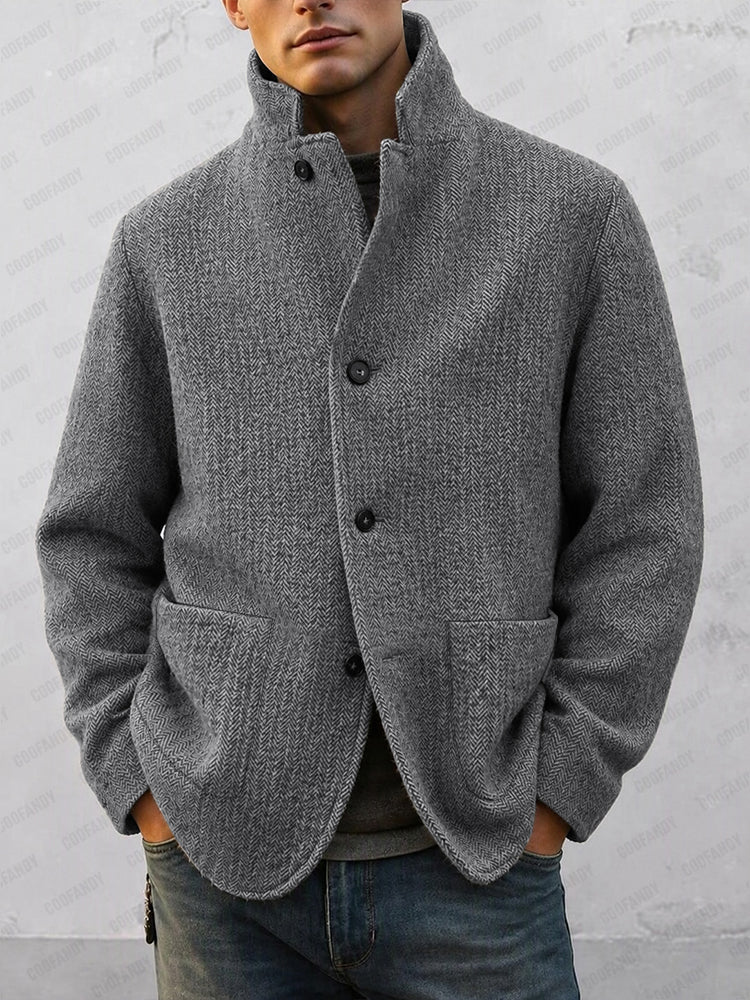
Use a simple color plan across the layers. A gray overshirt can sit over navy, white, or a team-colored base, so removing it does not leave an unfinished combination. A roomy outer sleeve also makes more sense over a rolled shirt cuff than a narrow sleeve that catches on it.
Finish with practical accessories
A brimmed cap, UV-protective sunglasses, and sunscreen used according to its label belong with your clothing choices. Remember exposed areas such as the ears and neck, and follow the sunscreen's reapplication directions. Clothing coverage is useful, but do not assume an ordinary shirt carries a sun-protection rating.
Bring properly fitted hearing protection and follow its manufacturer's instructions. Check that sunglasses, hat, and earmuffs work together: thick sunglass arms or an awkward cap strap can interfere with a comfortable fit. Children need hearing protection appropriate to their size, not an adult pair loosely balanced on their head.
Keep accessories compact. A hat should shade your face without blocking the row behind you. Long necklaces, dangling straps, and bulky key rings can become irritating around collars or crowded seating.
Use pockets for small items that will not dig into your leg. A phone, keys, and sunscreen do not all need to share one shorts pocket. Put the spare layer and remaining essentials in a bag permitted by the venue, leaving hearing protection accessible before the engines start. Check the event's current bag guidance rather than assuming rules from another sporting event apply.

Add team color to your outfit
An official driver shirt can be the centerpiece, with plain shorts or chinos underneath. If you prefer everyday menswear, use a team cap as the clear racing reference. Navy, stone, white, and olive give a brighter accent somewhere to stand out.
Repeat one color from a graphic rather than trying to match every sponsor shade. For a group, share an accent while letting each person choose their own shirt and fit. The result feels connected without requiring everyone to buy identical clothing. Your chosen driver's colors should work with the outfit's fabric weight, not decide it.
Three COOFANDY pieces to build your race weekend around
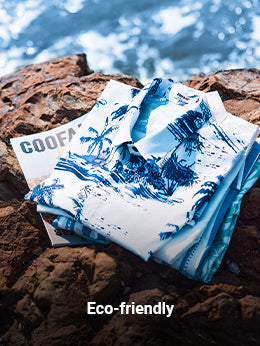
COOFANDY's Christopher Bell partnership connects its everyday menswear with Joe Gibbs Racing. These three picks bring different strengths to a race weekend: a patterned shirt with a distinctive neckline, a coordinated collared set, and a relaxed short-sleeve hooded set. Choose the one that fills a real wardrobe gap, then add your team accent. Explore the COOFANDY × JGR No. 20 Team collection for racing-inspired team accents.
Cotton Linen Floral Henley Shirt: make the shirt the focal point
Choose the Cotton Linen Floral Henley Shirt if you want more character than a plain tee without building the outfit around a driver graphic. The stand collar, button detailing, and curved hem give it enough interest to carry simple shorts or chinos. Its soft, lightweight fabric blends 95% cotton with 5% hemp.

The navy-and-white pattern works especially well with stone shorts and white or gray sneakers. Keep the bottoms plain so the print remains the focus, and use a solid team cap rather than another busy graphic. Roll the long sleeves for a relaxed daytime look, or leave them down when you prefer more coverage. The stand collar keeps the neckline distinct without adding a conventional folded polo collar.
This is the pick for men who like a neater silhouette: the slim cut makes it a main shirt rather than a roomy overshirt over a substantial tee. Compare chest and shoulder measurements with a comfortable shirt you own. Preserve enough ease to reach forward; choosing a close fit just to sharpen the outline undermines its usefulness for the stands.
Wear the curved hem untucked over shorts, checking that it does not hide most of the leg opening. For lunch before the race or a casual dinner afterward, swap the shorts for plain chinos and keep the same sneakers. Machine-washable care makes it easy to return to regular rotation. Buy it for the cotton-hemp fabric, patterned finish, and collar detail if your wardrobe needs one shirt that changes the feel of familiar basics.
Fashion Polo Shirt Shorts Set: get a coordinated outfit with useful details
Go for the Fashion Polo Shirt Shorts Set when you want the top and bottoms settled in one purchase. The short-sleeve zip polo and matching shorts use a lightweight 93% polyester and 7% spandex blend. The collar gives the outfit definition, while the zip lets you adjust the neckline without changing the rest of the look.

The elastic waistband and adjustable drawstring let you fine-tune the waist instead of relying on a rigid waistband alone. Two slant pockets and one back pocket offer places for small essentials. Keep the pocket load modest so it does not pull the shorts out of shape; pocket count is useful, but it is not a reason to carry everything on your body.
Choose this set if you prefer a collared outfit with stretch and less color matching to think about. The white version with familiar white sneakers makes a clean base for a single team-colored cap. Leave the shirt untucked for a casual line, with the drawstring neatly tied rather than hanging low. A gray overshirt can join it later without competing with the collar.
For casual grandstands, a pre-race lunch, or travel, the coordinated pieces give you a complete starting point. Check hospitality dress notes before wearing the shorts to a suite. Compare both top and bottom measurements when choosing a size; a good polo fit cannot compensate for shorts that are too narrow through the thigh.
Both pieces are machine washable and useful separately. Wear the polo with navy chinos for another weekend, then pair the shorts with a plain crewneck tee. That flexibility is the strongest reason to choose the set: it supplies a race-day combination and two pieces you can keep styling afterward.
Loose Fit Hooded Sweatsuit Set: choose an easy, relaxed silhouette
Pick the Loose Fit Hooded Sweatsuit Set if you favor roomy tops and a sportier casual look. It pairs a loose, short-sleeve hooded top with matching shorts in 95% polyester and 5% spandex. The relaxed shape and stretch make it a different proposition from the slim Henley or collared polo set.

The army-green version gives white or gray sneakers a grounded color to work against. Keep the cap simple and let the hooded neckline and matching pieces define the outfit. Avoid adding several oversized accessories; the top already supplies volume. Choose the size by its measurements and intended loose shape rather than automatically sizing up again.
Proportion is the detail to get right. The shorts should remain clearly visible below the top, and the shoulder line should look deliberately relaxed rather than swallowed by excess length. This set suits the drive to the track, casual concourse plans, and daytime grandstand visits when the garment weight matches the conditions.
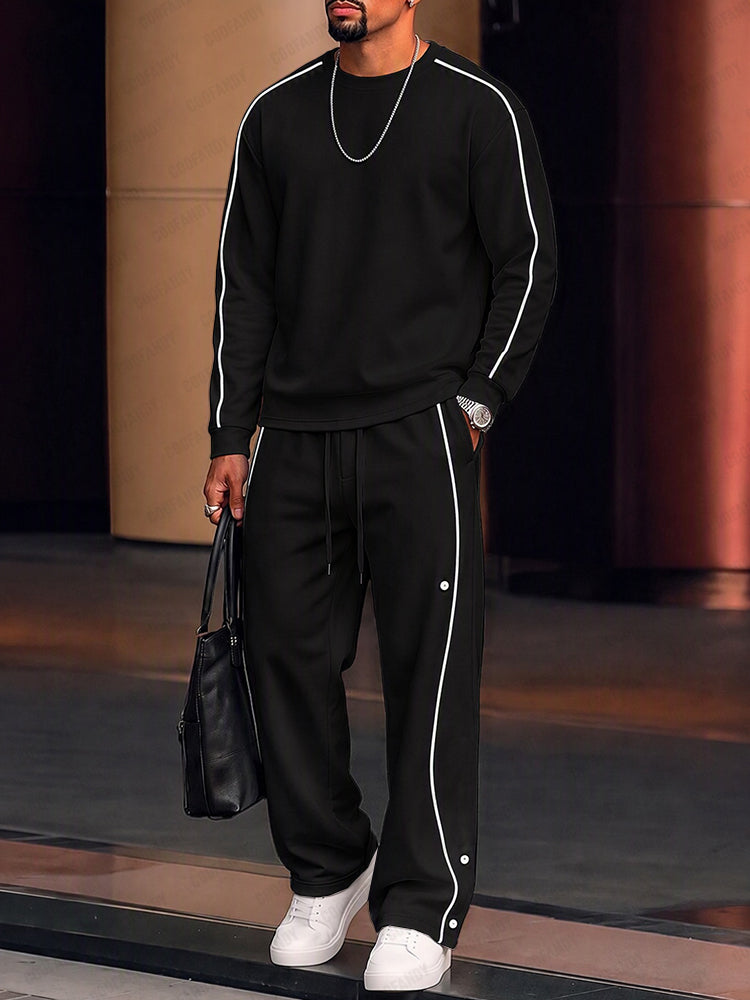
Despite “sweatsuit” in the name, this is not a long-sleeve hoodie-and-sweatpants combination. Do not count it as your evening warmth layer. Bring a separate long-sleeve piece for a cooler finish, allowing room for the hood beneath its neckline.
Machine-washable care keeps it straightforward to use beyond the event. Split the set for more variety: wear the shorts with a fitted plain tee, or balance the loose hooded top with straight casual trousers. Choose it when that relaxed shape already fits your style and you want a coordinated alternative to your usual tee-and-shorts combination.
Adjust for the rest of your plans
Night races. Keep the daytime base and bring a separate long-sleeve layer suited to the evening forecast. A zip or button front is convenient when you want to add it without pulling it over your head and accessories. Before joining the exit flow, put on the layer you need for the walk back.
Children. Prioritize familiar shoes, manageable clothing fastenings, and correctly sized hearing protection. Choose a layer they can put on with the help normally available to them. A child who dislikes a tight collar at home is unlikely to enjoy it more during a long visit. Family colors can match without matching every garment.
Suites and mixed seating. A polo or collared shirt with chinos is a useful smart-casual starting point, subject to the host's requirements. A casual jacket may suit indoor plans, but keep comfortable shoes for the approach. If you will move between hospitality and grandstands, choose one base outfit that works in both rather than planning a full change at the car.
Rain. Wear the shell over your chosen base, keeping enough room to bend your arms. Choose shoes with tread appropriate to the expected footing. If the plan depends on returning to your car for spare clothes, confirm the event's re-entry arrangements first.

A short check before leaving
Run through the whole outfit once, with the items you will actually carry:
- Walk a few steps and take stairs in the shoes and socks.
- Sit to check the waistband, shorts length, and loaded pockets.
- Reach forward with the base and outer layer together.
- Put on the cap, sunglasses, and hearing protection as a combination.
- Confirm tickets, essential accessories, and the bag meet the event's guidance.
Change anything that pinches or needs constant adjustment. One complete check is more useful than repeatedly testing individual pieces without the rest of the outfit.
Conclusion
Start with your seat, the route, and the forecast. Build around familiar shoes, a comfortable base, and a layer with a clear purpose. Add sun-care essentials, hearing protection, and one team accent. COOFANDY's patterned Henley, zip polo set, and loose short-sleeve hooded set offer three distinct ways to finish that base—choose the one you will keep wearing after race weekend.
FAQs
What should I wear to a NASCAR race?
A breathable shirt, shorts or lightweight trousers, and broken-in closed-toe shoes make a useful grandstand outfit. Add a brimmed cap, sunglasses, sunscreen, hearing protection, and a removable layer as the forecast requires.
Can I wear shorts or jeans?
Shorts work well for warm conditions when their length and fit suit the seat. Jeans can work in milder weather if they are comfortable for a long day. Lightweight chinos are another option when you want leg coverage without heavy denim.
Are there clothing restrictions?
Check the event's published guidance and any hospitality dress notes. Requirements can differ by seating area; a collared top does not automatically make shorts suitable for every suite. Bag rules need a separate check.
Do I need ear protection?
Bring properly fitted hearing protection and use it according to its instructions. Children need an appropriate fit of their own. Keep it accessible so it is ready before the engines start.
Can a short-sleeve hooded set replace my evening layer?
No. The featured hooded set has short sleeves and shorts. Treat it as your casual base outfit, then bring separate long-sleeve coverage appropriate to the temperature expected at the finish.


Lascia un commento