









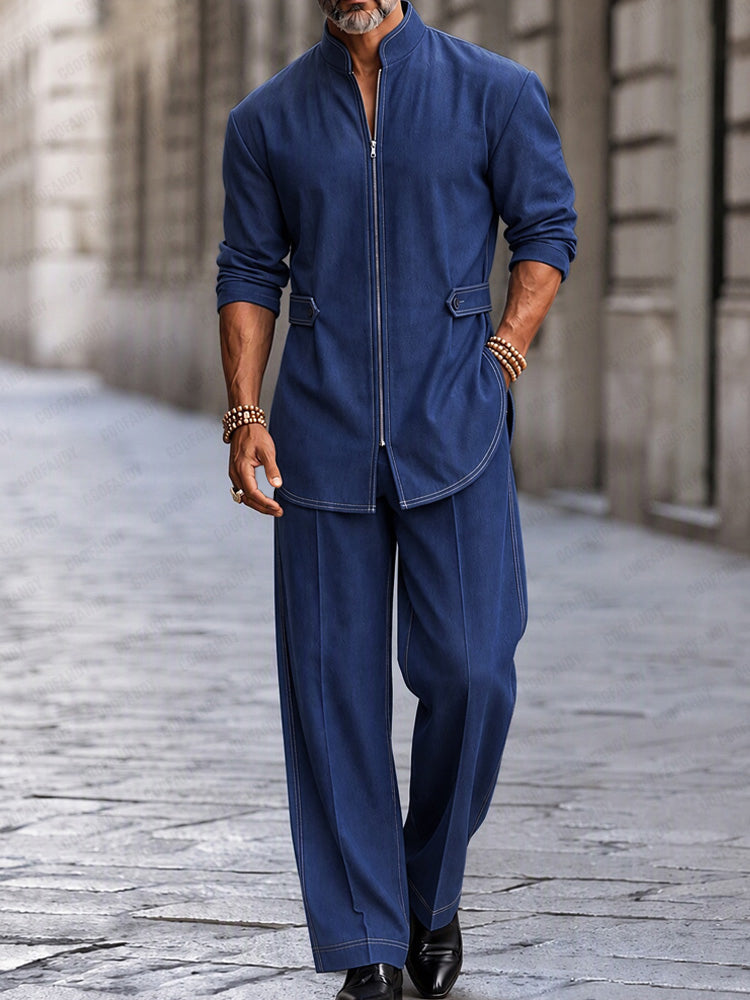
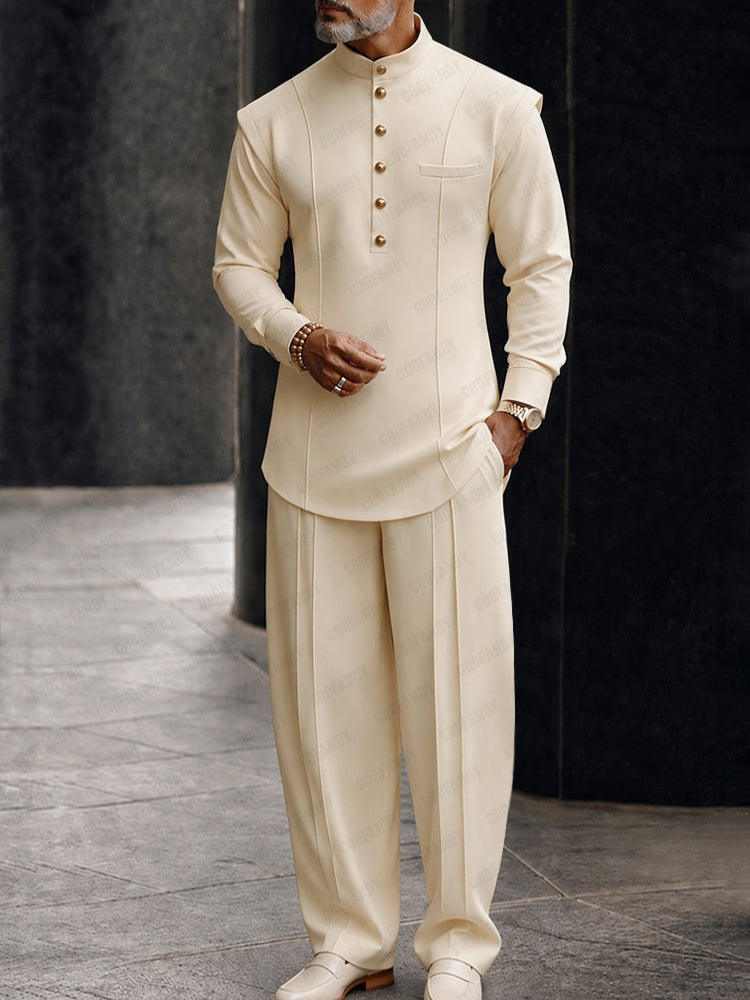
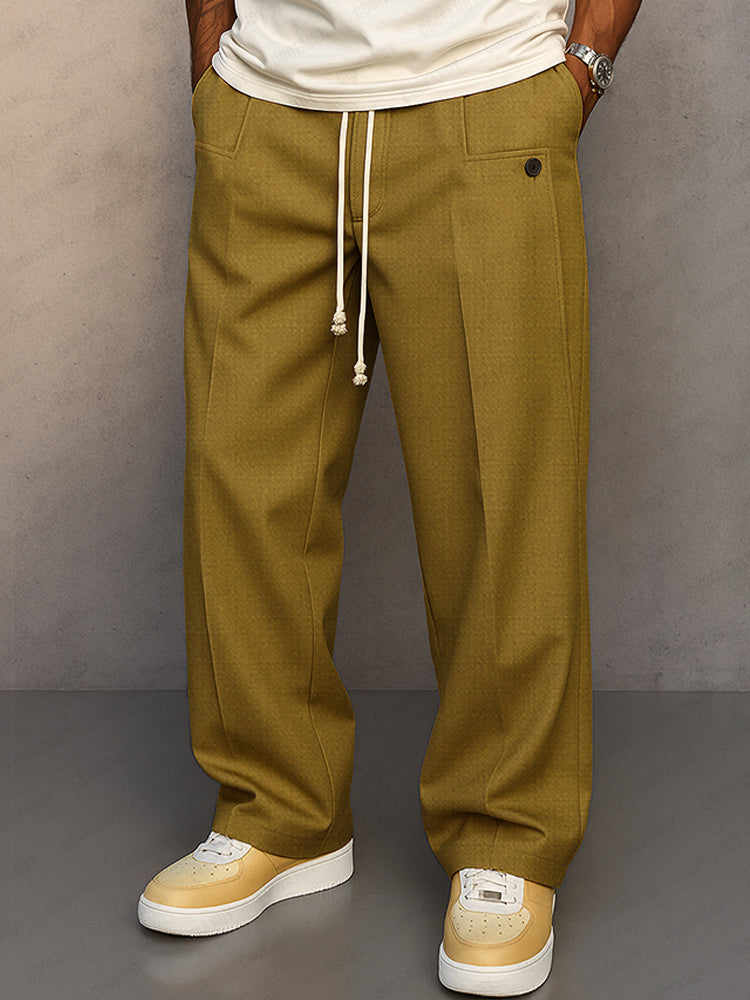
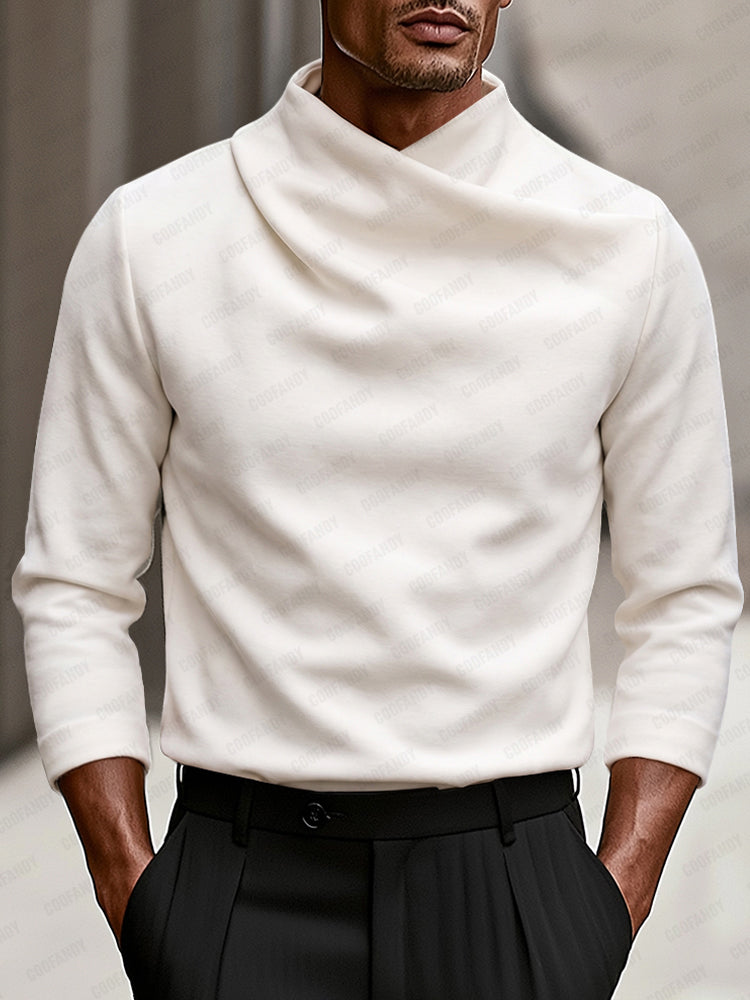
Fall Colors for Men: Oatmeal, Brown, Burgundy & Olive

The most useful fall colors for men are not a list of trends; they are colors that combine easily with clothes you already own. Oatmeal lightens dark outfits, brown adds warmth, burgundy provides a controlled accent, and olive works almost like a neutral. Start with one of these colors, add one dependable neutral, and use a third color only when it has a clear job.
TL;DR
- Oatmeal pairs most easily with navy, charcoal, brown and olive.
- Brown works as an anchor in jackets, trousers and textured knits.
- Burgundy is strongest as one accent against navy, charcoal or oatmeal.
- Olive is a flexible casual neutral with white, oatmeal, navy and brown.
- Use the three-color rule as a simplifier, not a law: one anchor, one support neutral and one optional accent.
The Four-Color Fall Palette
| Anchor color | Best supporting neutrals | Useful accent | Common failure |
|---|---|---|---|
| Oatmeal | Navy, charcoal, dark brown | Olive or burgundy | Too many pale pieces with no visual anchor |
| Brown | Oatmeal, white, navy, charcoal | Burgundy | Several brown tones that almost, but do not quite, match |
| Burgundy | Navy, charcoal, oatmeal | Dark brown | Using burgundy in several competing statement pieces |
| Olive | Oatmeal, white, navy, charcoal | Brown or muted burgundy | Pairing it with too many military-style details |
These combinations are editorial starting points. Screen color, lighting, fabric texture and dye lot can change how a product looks in person, so use the official product images and variant name as the final reference.

Step 1: Choose an Anchor Color
The anchor occupies the largest visible area or sets the outfit's direction. It might be trousers, a sweater, a cardigan or a jacket. Choosing it first prevents you from building the outfit one attractive item at a time and discovering that none of the colors connect.
For a low-risk outfit, make navy, charcoal or dark denim the anchor and use one fall color above it. For a more seasonal result, let brown or olive become the anchor and keep the supporting pieces neutral.
Step 2: Add a Neutral With Enough Contrast
Contrast makes layers readable. Oatmeal under a dark brown cardigan is clear; two medium browns with slightly different undertones can look accidental. The same issue appears when an olive sweater and greenish trousers are close but not coordinated.
You do not always need high contrast. Tonal outfits can work when texture or value separates the layers. A pale oatmeal shirt beneath a deeper beige or brown knit remains readable because one layer is lighter and smoother.
Step 3: Decide Whether You Need an Accent
An accent is optional. If the anchor already has a strong texture or pattern, a third color may add noise rather than interest. When the outfit feels flat, use burgundy in a smaller area or repeat a muted color once at the collar, sock or accessory level.
Do not force the accent to appear in every piece. Repetition can make an outfit cohesive, but exact matching across unrelated fabrics often draws more attention than a natural family of tones.
How to Wear Oatmeal
Oatmeal sits between white, cream and light beige. It softens the contrast of a fall outfit without becoming as stark as bright white. That makes it useful close to the face, especially under dark knitwear.
Oatmeal + navy
Use an oatmeal knit or shirt with navy trousers or dark denim. The cool navy gives the pale top a clear frame. Brown footwear can add warmth without requiring another large color block.

Oatmeal + brown
This is a naturally warm combination, but value matters. Pair a light oatmeal layer with a distinctly darker brown piece. When both are mid-tone, add charcoal or dark denim to establish contrast.
Oatmeal + olive
Oatmeal keeps olive from becoming too heavy. Try a pale base under an olive jacket or knit, supported by navy or dark brown below. Keep military-style pockets, boots and accessories restrained if you want the result to feel contemporary rather than thematic.
How to Wear Brown
Brown ranges from pale tan through chocolate, and the undertone changes the pairing. Rather than trying to match every brown exactly, choose one as the lead and separate the others by lightness or texture.
Brown knit + dark denim
This is the simplest casual version. Denim behaves as a stable cool neutral, allowing the knit texture and warmer color to lead. Add an oatmeal or white base if the neckline needs separation.

Brown outer layer + charcoal trousers
Charcoal prevents brown from becoming overly rustic and supports a smarter setting. Use a clean shirt or fine knit beneath the jacket. This combination can move toward business casual when the garment shapes and workplace are appropriate.
Brown + burgundy
Keep one color small. A brown jacket over a burgundy knit can work when the pants remain neutral, but brown trousers, burgundy sweater and another strong autumn color will compete.
How to Wear Burgundy
Burgundy is easier to control as an accent than as the whole outfit. It provides depth without the brightness of a clear red, but it still commands attention.
Burgundy + navy
Navy is the safest anchor. Use burgundy in a sweater or polo and keep the pants and outer layer quiet. The combination works from weekends to smarter social settings depending on fit and garment type.

Burgundy + charcoal
Charcoal creates a sharper, more urban contrast. A burgundy knit with charcoal trousers is complete without a third seasonal color. Add black or dark brown finishing pieces according to the overall formality.
Burgundy + oatmeal
Oatmeal lifts burgundy and makes it less visually heavy. Use the lighter color at the collar or as trousers only when the setting and weather make pale pants practical.
How to Wear Olive
Olive behaves like a neutral in casual menswear because it combines with the same white, navy, grey and brown pieces many wardrobes already contain.
Olive + white or oatmeal
The light base makes olive look deliberate and keeps the face area open. Choose navy, charcoal or brown below rather than adding another green.

Olive + navy
This low-contrast pair needs separation. A white collar, oatmeal T-shirt or visible texture can keep the top and bottom from blending into one dark block.
Olive + brown
Use one color as the main field and the other as a supporting detail. An olive knit with dark brown finishing pieces is easier than dividing the whole outfit evenly between the two.
COOFANDY offers fall-ready options, including a slim-fit turtleneck sweater. Before purchasing, check the product page for current colors, sizes, and availability, as options may vary by style and region.
Four Easy Color Formulas
- Oatmeal knit + navy trousers + dark brown finish: light above, clear dark anchor below.
- Brown cardigan + white shirt + dark denim: one warm textured layer over familiar neutrals.
- Burgundy sweater + charcoal trousers + black or dark brown jacket: one accent within a controlled evening palette.
- Olive layer + oatmeal base + navy pants: a casual three-color combination with clear separation.
Each formula can be translated across garment types. The rule is not that olive must be a jacket or burgundy must be a sweater; it is that the visual proportions remain controlled.
Mistakes That Make Fall Colors Harder to Wear
Treating every warm color as a match
Rust, camel, orange-brown and burgundy can all belong to an autumn palette while still clashing in one outfit. Compare them together in the same light before deciding.
Ignoring fabric texture
A ribbed knit reflects light differently from smooth trousers. Two colors that appear similar online may separate clearly in texture, while two different names may look almost identical. Evaluate the full garment, not just the variant label.
Building the outfit from accents
Choose the pants and main layer first. Accessories cannot rescue an outfit whose two largest color fields conflict.
Calling a recommendation a trend
These four colors are useful because they combine well, not because every one is proven to be a dominant 2026 trend. A dated trend claim would require separate current evidence.
A Simple Final Check
Photograph the outfit in ordinary daylight and reduce it mentally to three areas: top, bottom and outer layer. Can you identify one anchor? Is there enough contrast between adjacent layers? Does any small accent demand more attention than the main pieces?
If the answer is unclear, remove one color before adding another. A strong fall palette is usually a controlled relationship between two colors, with a third used only when it improves the decision.
Frequently Asked Questions
What colors should men wear in the fall?
Useful fall colors include oatmeal, brown, burgundy and olive because each works with common neutrals. Oatmeal lightens navy or charcoal, brown anchors textured layers, burgundy adds a controlled accent, and olive behaves like a casual neutral. Men do not need to wear every seasonal color together; start with one fall color and one dependable neutral.
What is the three-color rule for men?
The three-color rule limits an outfit to one anchor color, one supporting neutral and, if needed, one accent. It is a simplification rather than a strict law. Tonal shades can read as one family, while a pattern may already contain several colors. Use the rule when an outfit feels busy, then remove the least purposeful color instead of adding another accessory.
Is there one official fall color palette for men's clothing?
No single palette is mandatory for every man or every year. Autumn palettes often draw from warm earth tones, muted greens, deep reds and versatile neutrals, but usefulness depends on the clothes already in the wardrobe. Choose colors that combine with your existing navy, charcoal, white, denim or brown pieces rather than treating a seasonal list as a required trend forecast.
Related Reading
- Men's Fall Outfits: The Complete 2026 Style Guide
- What to Wear in Fall: 12 Easy Men's Outfit Formulas
- Men's Fall Capsule Wardrobe: 10 Pieces, 30 Outfits
About COOFANDY
Founded in 2015, COOFANDY is a menswear brand created for modern men navigating work, weekends, celebrations, and everyday life. Its collection includes shirts, suits, pants, sweaters, and tees designed to help men build versatile, confident looks for different moments and personal styles. Guided by the belief that clothing can reflect confidence and character, COOFANDY focuses on making approachable menswear part of every stage of life.
COOFANDY in the Press
Deixe um comentário