







Men's Fall Wedding Attire by Dress Code
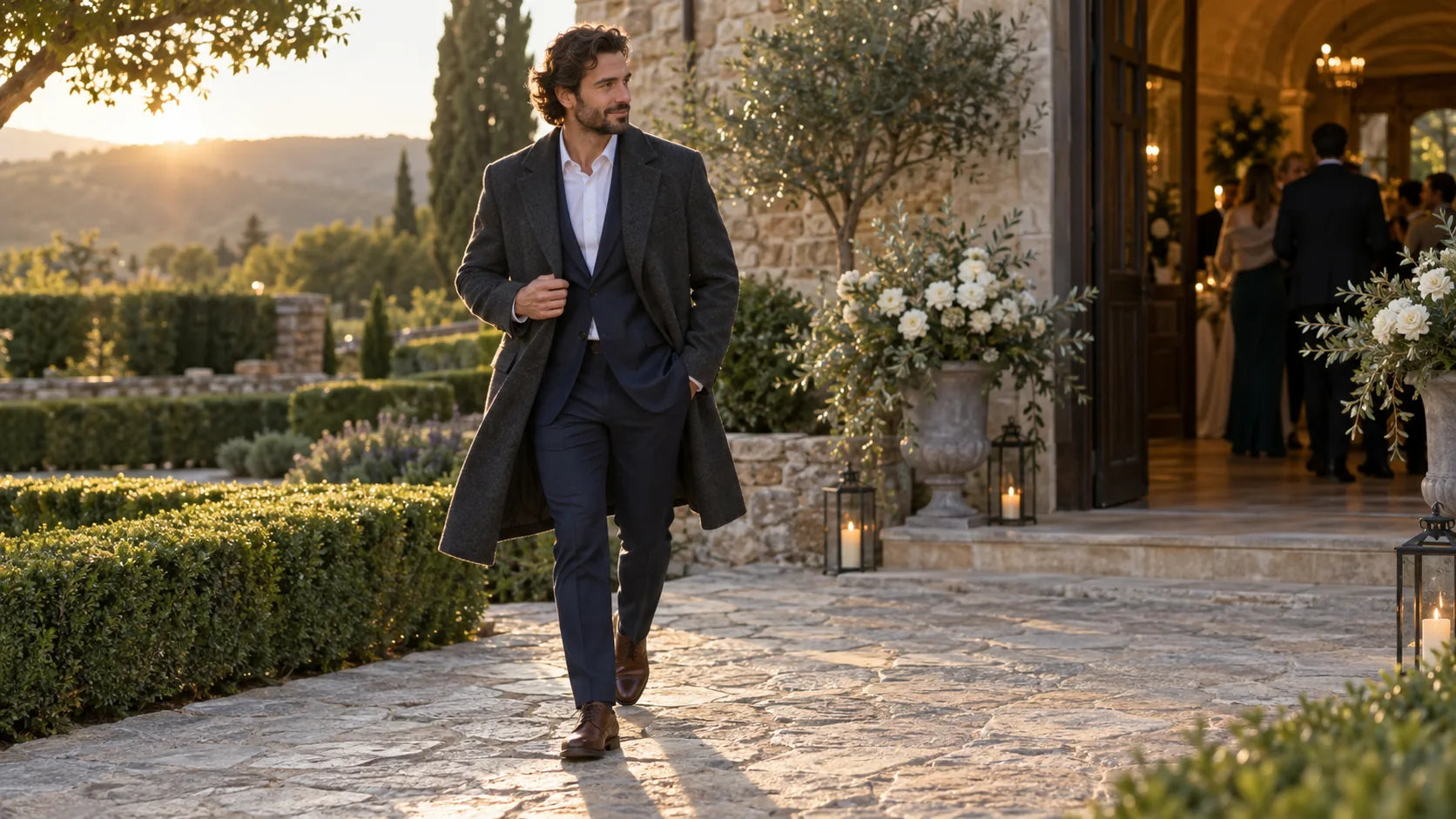
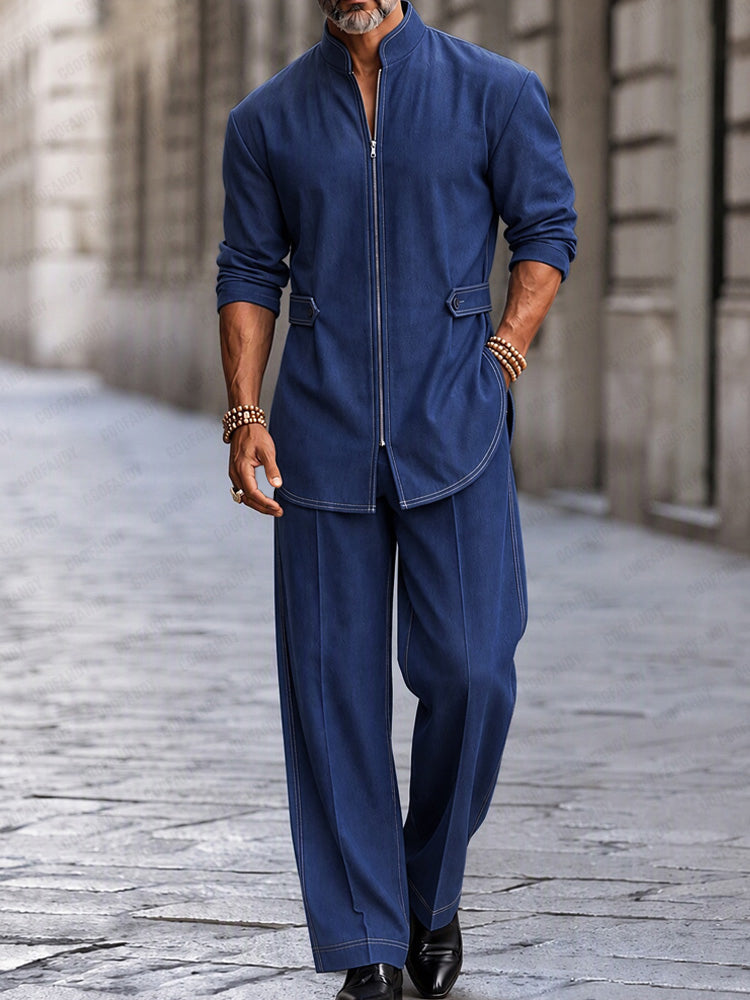
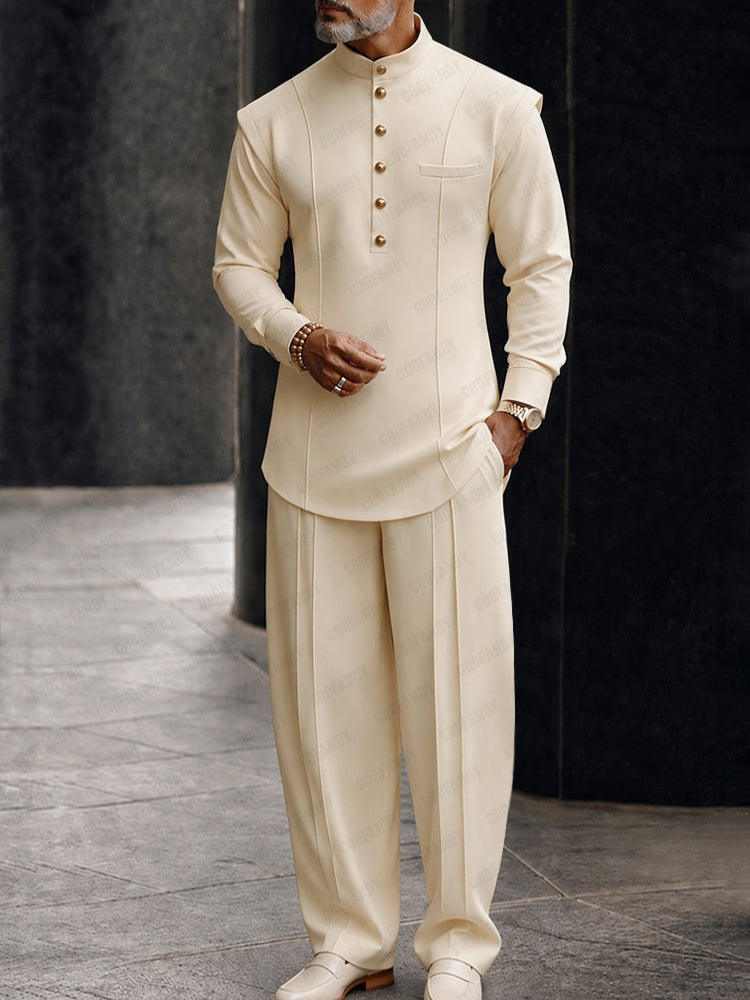
For a fall wedding, men should follow the invitation's dress code first, then adjust fabric weight, color and outer layers for the season. Black tie still calls for formal eveningwear; cocktail usually calls for a dark suit or polished tailoring; semi-formal allows more flexibility; and dressy casual can use refined separates. Autumn color never overrides the stated level of formality.
For the complete season-neutral decision process, use what to wear to a wedding as a male guest. This page handles the narrower fall adjustment.
TL;DR
- Read the exact invitation wording before choosing color or texture.
- Preserve the required formality, then add fall weight and layering.
- Dark neutrals are dependable; brown, burgundy or olive work best as controlled seasonal elements.
- Outdoor and evening events require a removable layer that still respects the dress code.
- When wording is unclear, ask the couple or venue rather than guessing from seasonal photos.

Fall Wedding Dress Codes Compared
| Invitation wording | Core outfit direction | Fall adjustment | Safer colors | Avoid |
|---|---|---|---|---|
| Black tie | Tuxedo or specified formal eveningwear | Formal overcoat suited to the outfit | Black and other conventionally specified formal colors | Replacing formalwear with casual autumn separates |
| Formal / black-tie optional | Dark suit or appropriate formal option | Heavier-looking texture only if tailoring stays polished | Navy, charcoal, deep neutral tones | Costume-like seasonal accessories |
| Cocktail | Dark or rich-toned suit with polished shirt | Refined texture, optional seasonal tie or pocket square | Navy, charcoal, deep brown or restrained burgundy | Casual knitwear as the main substitute for tailoring |
| Semi-formal | Suit or polished tailored separates depending on event | Medium-weight layers and autumn palette | Navy, grey, brown, muted seasonal accents | Denim, athletic details, overly casual shoes |
| Dressy casual | Refined separates | Cardigan, fine knit or unstructured jacket when appropriate | Brown, olive, navy, oatmeal accents | Treating “casual” as everyday weekend wear |
Dress-code language varies by couple, culture, venue and time of day. When the invitation supplies specific instructions, those instructions take priority over this general matrix.
Step 1: Decode the Invitation
Start with the words printed on the invitation or wedding website. Do not use “fall wedding” as a dress code by itself. A rustic venue can still host a formal ceremony, and a city venue can specify dressy casual.
Also note ceremony time, reception time and any separate events. An afternoon ceremony followed by an evening reception may require a layer for the temperature change without changing the underlying level of dress.
If no dress code is listed, ask the couple or organizer. Venue, time and wedding-party clothing can provide clues, but they are weaker than a direct answer.
Step 2: Build the Core Outfit at the Correct Formality
Black tie
Follow the formal direction rather than interpreting autumn as permission to improvise. Seasonal adaptation belongs mainly in suitable outerwear and practical weather planning. A cardigan, casual vest or brown separates outfit is not a replacement for requested black tie.
Formal or black-tie optional
A dark, complete tailored outfit is the dependable guest choice. Keep shirt and finishing details polished. If texture is introduced, it should not make the outfit read as casual or theatrical.
Cocktail
Cocktail attire gives some room for richer color and texture while remaining clearly dressed. A dark suit is the straightforward choice. A restrained burgundy or brown detail can add seasonal character without taking over the outfit.
Semi-formal
Semi-formal remains above ordinary smart casual. A suit is often the lower-risk answer; polished separates may work depending on the invitation, venue and local expectation. When uncertain, choose the more formal interpretation.
Dressy casual
This is where fall separates become most useful. Tailored trousers, a clean shirt and an unstructured jacket can work, as can a fine knit in an appropriate setting. Denim, hoodies and athletic layers remain too casual unless the hosts explicitly say otherwise.
Step 3: Adjust for Temperature Without Lowering Formality
Plan the indoor outfit first, then add a layer that can be removed before the ceremony or reception.
For formal dress codes, the outer layer should be compatible with the tailored outfit in length, room and overall polish. For semi-formal or dressy casual events, a clean overcoat, structured jacket or refined knit may work depending on conditions.

Do not assume one garment is sufficient because the calendar says fall. Check the forecast, wind, rain, ceremony duration and whether seating is outdoors. Personal comfort varies, so avoid relying on a fixed temperature-to-garment promise.
Step 4: Use Fall Color in Controlled Proportions
Navy and charcoal as anchors
These are dependable foundations for formal, cocktail and semi-formal outfits. They make it easier to add one seasonal element without turning the outfit into a theme.
Brown for texture and warmth
Deep brown can work in tailoring or outerwear when the dress code permits it. Keep the shirt and accessories restrained. Several slightly different browns can look accidental under changing indoor and outdoor light.
Burgundy as an accent
Burgundy works well in a tie, pocket square or knit under a dressy-casual jacket. Avoid using it in several competing statement pieces.
Olive for relaxed settings
Olive is most natural in dressy-casual and some semi-formal daytime contexts. It is not a universal substitute for dark formal tailoring.
Oatmeal near the face
Oatmeal can lighten a dressy-casual outfit through a fine knit or shirt-adjacent layer. It should not be used to dilute a dress code that asks for formal eveningwear.
Fall Wedding Outfit Formulas

Formal evening
Dark complete suit or requested formalwear + polished shirt + formal outer layer appropriate to conditions. Keep seasonal color secondary.
Cocktail reception
Navy or charcoal suit + clean shirt + one burgundy or textured brown accent + polished footwear. The accent supports the suit rather than replacing it.
Semi-formal daytime
Suit or clearly coordinated tailored separates + shirt + optional tie according to invitation and venue + removable coat. Use autumn texture only when the silhouette stays polished.
Dressy-casual barn or garden setting
Tailored trousers + button-down + unstructured jacket or fine cardigan + weather-appropriate outer layer. A brown or olive anchor can fit the setting without becoming costume-like.

Rehearsal dinner or welcome event
Read the separate event instructions. Chinos or tailored trousers + knit polo or shirt + jacket can work for dressy casual, but do not assume the ceremony dress code automatically applies or disappears.
Vest Decisions: Sweater Vest, Suit Vest or Western Vest?
These pieces are not interchangeable.
| Vest type | What it is | Possible wedding role | Main risk |
|---|---|---|---|
| Suit waistcoat | Tailored component designed for formal or semi-formal dressing | Part of a coordinated or deliberately compatible tailored outfit | Looking mismatched when fabric and color do not belong together |
| Sweater vest | Knitted sleeveless layer | Dressy-casual daytime layer over a shirt | Too casual for formal or cocktail requirements |
| Western or suede vest | Style-specific casual statement | Only when the event context explicitly supports it | Turning a guest outfit into a costume or theme assumption |
| Paisley or novelty vest | Decorative tailored-style piece | Limited theme or party context | Competing with the wedding party or ignoring the stated dress code |
If the dress code allows tailored separates, the Formal Fashion Vest (US Only) can be worn as a deliberate waistcoat rather than treated as part of a matching three-piece suit. Compare its color, fabric finish and proportions with the jacket and trousers, and make sure the complete outfit still suits the invitation.

What to Wear for an Outdoor Fall Wedding
Outdoor fall weddings add practical concerns such as uneven ground, wind, rain and changing temperatures. Keep the stated dress code as your starting point, then choose footwear and removable outer layers that suit the venue and forecast.
- Check whether the ceremony and reception are both outside.
- Ask about grass, gravel or uneven ground when choosing trouser length and footwear.
- Carry a removable layer that fits over the complete outfit.
- Prepare for rain with appropriate protection rather than relying on a decorative jacket.
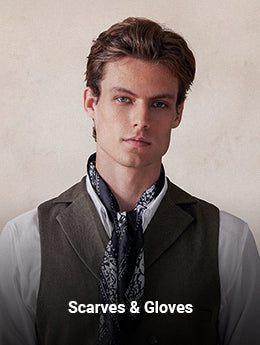
- Keep gloves, scarves and other cold-weather items restrained when the dress code is formal.
For a longer outdoor event, plan for the temperature to change between the ceremony and reception. Choose a removable layer that complements the outfit, and make sure you can walk, sit and move comfortably while wearing it.
Fall Wedding Guest Mistakes
Choosing by palette before dress code
A beautiful brown-and-olive outfit can still be wrong for black tie. Formality is the first filter.
Matching the wedding party too closely
Avoid deliberately copying a color or styling direction reserved for attendants unless the couple requests it.
Wearing an unmatched vest as if it were a three-piece suit
Similar colors do not guarantee compatible fabric, finish or proportion. Treat an odd waistcoat as a deliberate separate, not an automatic suit component.
Forgetting the evening temperature
Plan for the return trip and outdoor transitions. The right solution is a compatible removable layer, not replacing formal clothing with casual warmth.
Assuming “casual” means no standard
Dressy casual still asks for a deliberate event outfit. Everyday distressed denim, athletic layers and visibly worn footwear usually miss that requirement.
Final Decision Checklist
- What exact dress code did the hosts provide?
- Is the core outfit correct before any seasonal styling is added?
- Does the forecast require a compatible outer layer or rain plan?
- Is fall color used as an anchor or accent rather than a costume?
- Will the outfit remain appropriate after the coat comes off?
When any answer is uncertain, ask the hosts or choose the more formal, less attention-seeking option. Fall style should make the required outfit more practical and considered, not change the event's rules.
Frequently Asked Questions
What should a male guest wear to a fall wedding?
Follow the invitation's dress code first. For black tie, wear formal eveningwear; for cocktail or semi-formal, choose an appropriately polished suit or tailored combination; for dressy casual, use refined separates. Add autumn color, texture and a removable layer only after the required formality is correct. Check the venue, ceremony time and forecast before choosing outerwear.
Does a man need to wear a suit to a fall wedding?
A suit is usually the dependable choice for cocktail, semi-formal and many formal weddings, but the invitation controls the answer. Dressy-casual events may allow a blazer with coordinated trousers, while black tie requires a more formal system. If the wording is vague, ask the hosts or choose the more polished, less attention-seeking option rather than guessing from seasonal photos.
What colors work for men's fall wedding attire?
Navy, charcoal and deep brown are dependable anchors, while burgundy, olive, oatmeal or muted earth tones can appear in a shirt, tie, knit or other controlled element. Color should never lower the required formality or compete with the wedding party. Avoid treating an autumn palette as a costume; one seasonal anchor or accent is usually enough.
Related Reading
- Men's Fall Outfits: The Complete 2026 Style Guide
- Fall Colors for Men: Oatmeal, Brown, Burgundy and Olive
- What to Wear to a Wedding as a Male Guest
About COOFANDY
Founded in 2015, COOFANDY is a menswear brand created for modern men navigating work, weekends, celebrations, and everyday life. Its collection includes shirts, suits, pants, sweaters, and tees designed to help men build versatile, confident looks for different moments and personal styles. Guided by the belief that clothing can reflect confidence and character, COOFANDY focuses on making approachable menswear part of every stage of life.
COOFANDY in the Press
Leave a comment