










How to Layer a Short Sleeve Shirt in Cooler Weather

A short-sleeve shirt can remain the base when the route has limited outdoor exposure, a layer you can remove, and a setting that accepts the shirt. Start with the actual route: how long you will be outside, whether you will wait in the wind or rain, how much time you will spend indoors, and what the venue expects. Then choose one removable layer and decide when you will take it off. If the route requires long exposure or the setting calls for a different shirt, switch the base instead of asking a blazer or jacket to solve every problem.
Check the Route Before You Keep the Short Sleeve
Cooler weather is not one outfit problem. A mild morning followed by a heated office is different from a long outdoor commute, an open-air event or a restaurant where you will wait outside. Before you choose the shirt, write down the route in order. Include the first outdoor stretch, the longest wait, the indoor destination and the trip home. The garment decision should follow that sequence rather than a season label.
Ask these questions:
| Route question | What it changes |
|---|---|
| How long will I be outside at one time? | A short walk and a long wait create different layer decisions. |
| Can I step indoors or change the layer easily? | A removable layer makes more sense when the route gives you somewhere to take it off or carry it. |
| Does the route include wind, rain or exposed seating? | A shirt-and-layer combination may not answer an exposed section; plan a different base or a route-specific outer layer. |
| What does the venue or workplace expect? | A weather decision cannot override a stated dress requirement. |
| Will I be moving, sitting or carrying a bag? | Test whether the complete outfit stays workable when the actual activity changes. |
The shirt can stay the base when the cold part is brief, the setting allows the sleeve length and you have a clear way to add or remove the outer layer. That is a conditional decision, not a promise about how the garment will feel. If you expect prolonged exposure and cannot change the base, start with a shirt that answers that route more directly.
Choose a Removable Layer You Can Actually Remove
The useful layer is the one you can take off without creating a new problem. Before choosing it, name its job: getting from the car to the building, covering a short evening walk, meeting an indoor dress expectation or giving the outfit a defined shape for a venue. One layer with a clear job is easier to manage than several pieces added because the day feels uncertain.
Use this sequence:
- Choose the destination first. Confirm whether the room, workplace, restaurant or event accepts the complete outfit. A blazer can change the appearance of a short-sleeve shirt, but it does not change the shirt's construction or automatically answer a long-sleeve requirement.
- Choose an outer layer you can remove. Check where you will put it when you enter the building or warm room. If you cannot carry, hang or store it, the layer may become a burden during the part of the day when you no longer need it.
- Decide the removal point before leaving. It might be the lobby, the train platform, the restaurant table or the moment you enter a heated room. Deciding in advance prevents you from treating the layer as a permanent part of the outfit.
- Check the shirt after the layer comes off. The base should still look deliberate with the trousers and shoes you chose. If removing the outer piece leaves a mismatch with the setting, choose a different base or different supporting pieces.
For a broader explanation of base, mid and outer layers, read How to Layer Clothes for Fall: A Men's Guide. That guide provides the wider layering context; this page keeps the decision narrower by asking whether one short-sleeve shirt can answer one changing route.
Do not choose the blazer because its title or construction appears to promise a weather result. Use the actual conditions, the venue and your ability to remove it. If the layer must remain on for the entire exposed section, reconsider whether a short-sleeve base is the right starting point.

Build the Base Around the Shirt You Have
Once the route permits a short sleeve, build the rest of the outfit around the actual shirt rather than an imagined performance. Look at the collar, front, hem and visible details. Then choose trousers and shoes that support the shirt's visual level without adding another strong message. The point is to make the base coherent when the outer layer comes off.
Start with the shirt's most visible feature. A camp or Cuban collar may read differently from a pointed collar; a hidden placket may make the front quieter than a shirt with visible buttons; a straight hem or side slit may affect how you decide between a tucked and untucked presentation. These are styling observations about the garment in front of you. They do not tell you how warm, breathable or comfortable it will be.
Use a simple pairing check:
- Collar: Does it sit naturally with the neckline of the layer, or does the combination create a crowded front?
- Hem: Does the shirt's length support the trouser rise and the planned tucked or untucked position?
- Trousers: Do they give the short-sleeve base a clear role for the venue, rather than trying to make the shirt answer a dress code it does not meet?
- Shoes: Will they work for the longest walking, standing or indoor portion of the route?
- Layer off: Does the outfit still look intentional when the outer piece is removed?
If the answer changes when you remove the layer, solve the base first. Changing the shirt's color or adding another accessory may alter the appearance, but it does not resolve an exposure, fit or venue problem.

Use the Layer for Indoor and Outdoor Changes
Treat the day as a series of transitions instead of a single “fall outfit.” A removable layer is useful only when you know how the outfit should behave at each point. Before leaving, lay out the base and outer piece together, then imagine the route in order.
| Route point | Decision | Stop or change when |
|---|---|---|
| Morning departure | Start with the short sleeve only if the first outdoor stretch is brief and the setting allows it. | You face a long exposed wait or the venue requires another base. |
| Commute or walk | Carry the removable layer where you can reach it without rebuilding the outfit. | The layer cannot be stored or the route lasts longer than you planned. |
| Indoor arrival | Remove the layer if the room, activity and complete base allow it. | The shirt alone conflicts with the room's stated expectation. |
| Outdoor pause | Recheck the actual location rather than relying on the season name. | Wind, rain, shade or an open seat changes the exposure. |
| Evening return | Decide whether the same base still answers the route or whether a different shirt is more credible. | You will be outside for a prolonged period or cannot make another adjustment. |
The route may need two different answers. You can wear the short-sleeve shirt for a brief transfer and change before a long outdoor plan, or start with a different base and keep the short sleeve for the indoor part only when changing is realistic. That is better than describing a single shirt as suitable for every part of the day.
For the broader wardrobe decision of carrying summer pieces into fall, see How to Transition a Summer Wardrobe Into Fall. It covers the larger transition; use this page for the narrower question of one short-sleeve base and one removable route.

Read Product Pages for Design, Not Weather Promises
When a product page helps you identify a possible base or layer, use it for the fields it actually lists. A page can identify a garment and show visible design details. It cannot decide whether the complete outfit answers your route, and a product title cannot guarantee warmth, breathability, comfort, durability or formalness.
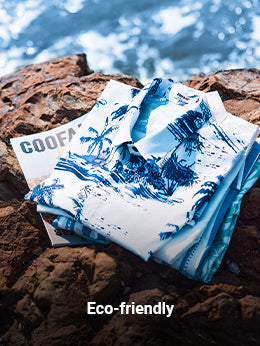
The Vacation Casual Hidden Placket Linen Blend Shirt is a bounded short-sleeve example. The current page lists a Cuban or camp collar, a hidden placket, side slits and a straight hem. Those fields help you plan the shirt's visible relationship with a layer and trousers. They do not turn a short sleeve or a fabric name into a weather promise.
The Casual Peak-Lapel One-Button Wool Blend Blazer is a bounded removable-layer example. The current page lists a peak lapel, one-button front, chest pleat detail and Black or Apricot options. Use those fields to identify the layer and compare its visible design with your setting. They do not establish that the blazer is warmer, more comfortable or automatically formal.
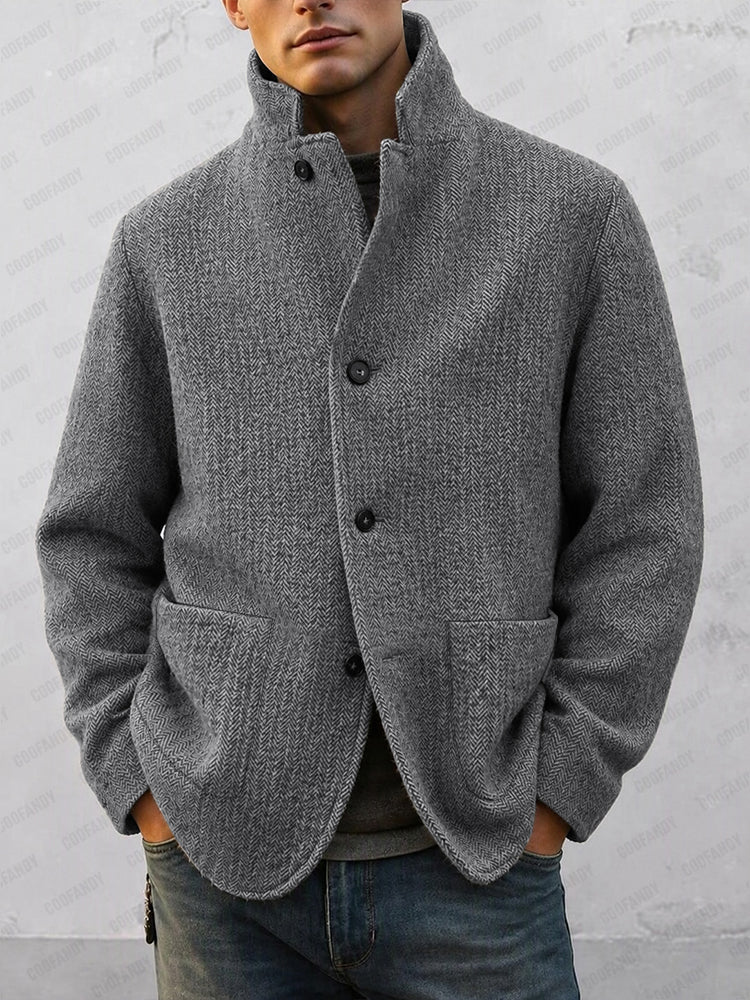
The Tailored Fully-Lined Peak-Lapel Wool Blend Blazer gives a second bounded layer reference. The current page lists an extended peak lapel, structured waist, crisp shoulder line, fully lined construction and Black or Gray options. Those are page fields for identification and styling comparison; they do not certify weather suitability, fit or a particular result on your body.
Keep four questions separate:
- What does the product page identify? Use the exact title, visible design and listed colors.
- What does the garment in your hands do in the outfit? Inspect its actual fit, condition and movement.
- What does the route require? Check outdoor exposure, venue expectations and the time you can remove or change the layer.
- What will you do if the layer comes off? Make sure the short-sleeve base still answers the indoor setting.
The COOFANDY Signature collection can help you browse the current range, but it does not choose the layer for your route. The page fields and the collection destination remain separate from the weather decision you make with the actual garment and plan.
Know When to Switch to a Different Base
The short sleeve is no longer the right base when the route depends on it staying covered for a long exposed stretch, the venue requires another sleeve length, or removing the outer layer leaves an outfit that does not answer the setting. A blazer may change the silhouette, but it does not erase the base shirt's sleeve length or solve every condition.
Use a stop rule when:
- you will be outside for a prolonged period and cannot change clothes;
- wind, rain, shade or exposed seating is a central part of the route;
- the workplace, host or venue specifies a different sleeve or dress expectation;
- the outer layer must stay on but cannot be carried, stored or managed comfortably for the day;
- the shirt's actual fit, condition or care question is unresolved;
- the outfit only works when you assume a product title or color guarantees a weather or formalness outcome.
At that point, choose a different base, change the route or make a real clothing change. The short-sleeve shirt can remain useful for the indoor or warmer part of another plan. Giving it a narrower role is a better decision than forcing it to answer conditions it does not meet.
Cooler-Weather Short-Sleeve Checklist
Before leaving, confirm:
- You know the route's longest outdoor exposure and any wind, rain, shade or open seating.
- The venue or workplace accepts the short-sleeve base and the complete outfit.
- You have one removable layer with a place to carry or store it.
- You know when you will remove the layer and what the base will look like afterward.
- The collar, hem, trousers and shoes work together when the outer layer is off.
- You checked the actual garment instead of turning a title, fabric name or sleeve length into a performance promise.
- You have a different base or change plan if the exposure becomes prolonged or the setting changes.
For more current brand context, visit the COOFANDY Signature page. Use it alongside the current collection and exact product pages, while making the final layering decision from your route, setting and actual garment.
FAQ
Can I wear a short-sleeve shirt in cooler weather?
Sometimes, if the outdoor exposure is limited, the setting accepts the sleeve length and you can add or remove a layer as the route changes. Check the longest exposed section first. If you will wait outside for a prolonged period or cannot change the base, choose a different shirt or plan.
How should I layer a short-sleeve shirt when the day gets cooler?
Start with the actual route, choose one removable outer layer, decide where you will take it off and test the short-sleeve base after removal. Keep the trousers and shoes consistent during the first try so you can see whether the base still answers the setting. A blazer or other layer changes the outfit's appearance but does not create a universal weather solution.
When should I switch from a short-sleeve shirt to a different base?
Switch when prolonged outdoor exposure, wind or rain, a venue requirement, an unresolved fit or care issue, or an unmanageable outer layer makes the route unclear. If the short sleeve only works while it is permanently covered, start with a base that answers the actual plan more directly.



Leave a comment