









How to Rewear a Holiday Blazer After December

Start by asking what made the blazer feel like a holiday piece. The answer may be the shirt, tie, pocket square, bright contrast, metallic detail or the setting where you first wore it. It may also be a feature of the blazer itself. Once you identify that signal, change one surrounding element at a time and keep the rest of the outfit familiar. Then test the complete look against the actual work, dinner or weekend setting. A blazer can have a second role after December, but the invitation, venue, garment condition, care information and fit still decide whether that role is believable.
Start With What Made the Blazer Feel Festive
Do not put the blazer away just because you wore it to one December event. First separate the garment from the outfit that introduced it. Write down what you wore with it and what you noticed in the mirror. Was the strongest signal a red or green shirt, a patterned tie, a bright pocket square, a glossy shoe, a high-contrast combination or simply the fact that the blazer appeared at a party? This short diagnosis prevents you from treating the whole garment as seasonal when only one piece created the association.
Inspect the blazer before styling it again. Look at the shoulders, lapels, front, sleeves, pockets and closure. Check for a mark, odor, moisture, loose thread or damage, and read the care label before cleaning or storing it. If the blazer needs care, resolve that question first. A styling change cannot fix a garment-condition problem, and a product page cannot replace the label on the item in your hands.
Use this distinction:
| What feels festive | What to ask next | First rewear move |
|---|---|---|
| Shirt, tie or pocket square | Is the blazer itself still compatible with a quieter base? | Keep the blazer and replace the most visible holiday accent. |
| Bright contrast around the face | Does the setting call for less contrast, or do you simply want a different mood? | Try a quieter shirt or collar while keeping the trousers familiar. |
| Trousers or shoes chosen for the party | Can the blazer work with a pair already used for ordinary plans? | Change the lower half before changing the jacket. |
| The blazer's own color or visible details | Does the new setting actually allow that visual role? | Test one complete outfit and keep the decision conditional. |
| The event itself | Was the association caused by the room and occasion rather than the clothes? | Recheck the invitation or venue before ruling the garment out. |
There is no requirement to make the blazer look anonymous. The useful question is whether it has a real place in the next setting. If the garment is damaged, the care direction is unresolved or the fit was never right, move to that problem before experimenting with styling.

Change One Surrounding Element at a Time
A controlled change makes the result easier to read. Start with the piece that carries the clearest holiday signal, then leave the other pieces alone for the first try. If you replace the shirt, trousers, shoes and accessories at once, you may produce a different outfit without learning what actually changed the blazer's role.
Try this order:
- Replace the shirt or neckwear. If the first outfit depended on a strongly seasonal color, pattern or tie, test the blazer with a shirt already used in an ordinary setting. Keep the trousers and shoes constant for the first comparison.
- Quiet the lower half. If the party trousers or shoes carried the look, try a pair and shoe combination that already belongs to the reader's work, dinner or weekend wardrobe. Do not call the result more formal or more casual from color alone; check the setting.
- Remove one accessory. A pocket square, watch, necklace or other visible detail can make the complete outfit read as event-specific. Remove one item and look at the outfit again before adding a replacement.
- Adjust contrast deliberately. A high-contrast shirt and blazer may have been right for the party. A lower-contrast combination may be easier to place elsewhere, but the venue and the wearer's actual wardrobe still control the decision.
Keep a simple note after each try-on: what changed, what stayed, where you could wear it and what still feels unresolved. The note turns “this feels less festive” into a decision you can repeat. It also protects you from treating one mirror check as proof that the blazer works for every season or occasion.
If a single change does not solve the problem, make a second change only after you have named the new setting. The goal is not to strip away every visible detail. It is to find the smallest surrounding adjustment that gives the blazer a credible job.
Rewear It for Work, Dinner and Weekends
The same blazer may need three different checks outside December. Start with the setting, not with a rule about holiday colors or a promise that one jacket can cover every part of the year.
For work, begin with the workplace expectation. A blazer with separate trousers may be appropriate in one office and wrong for another. Read the dress guidance or ask the person who sets it. Then build from one familiar shirt and one pair of trousers that already make sense there. The blazer's role is credible only when the complete outfit matches that expectation. For a broader weekly rotation reference, see Business Casual Rewear: A Realistic Week With 3 Shirts and 2 Pants. That page helps with repeat use; it does not decide this blazer's fit or your workplace's dress code.
For dinner, read the venue and invitation. A restaurant reservation, a hosted meal and a casual neighborhood plan may call for different choices. Try the blazer with the shirt and shoes you would actually wear to that venue, then check the result while standing and sitting. If the invitation specifies a matching suit or another requirement, a separate blazer may not answer it. The word “dinner” alone is not enough evidence.
For weekends, give the blazer a specific job. Name the activity and the surrounding clothes: a daytime visit, a relaxed meal, a gallery stop or another real plan. A weekend label does not automatically make a blazer appropriate or inappropriate. If the only use you can name is “some weekend,” keep the decision open and look for a concrete setting. Rewear is strongest when the garment solves a real outfit problem rather than creating a new reason to dress up.
Use this route for each setting:
| Setting | Check first | Rewear question |
|---|---|---|
| Work | Workplace guidance and familiar supporting pieces | Does the full outfit meet the local expectation without relying on the holiday context? |
| Dinner | Invitation, venue and time | Does the blazer work with the actual shirt, trousers and shoes for this reservation? |
| Weekend | Activity and existing wardrobe | Is there a specific plan where the blazer has a useful role? |
If the answer changes when the setting changes, that is useful information. It means the blazer needs a defined role, not a universal label.

Compare the Current Product Details Before You Copy the Outfit
If you are using a current product page as a reference, read it for identity and visible fields before copying an outfit idea. The page can tell you what product you are looking at and which colors or design details are listed. It cannot tell you that the blazer will feel warm, comfortable or durable, and it cannot guarantee that the item will suit every January-to-spring setting.
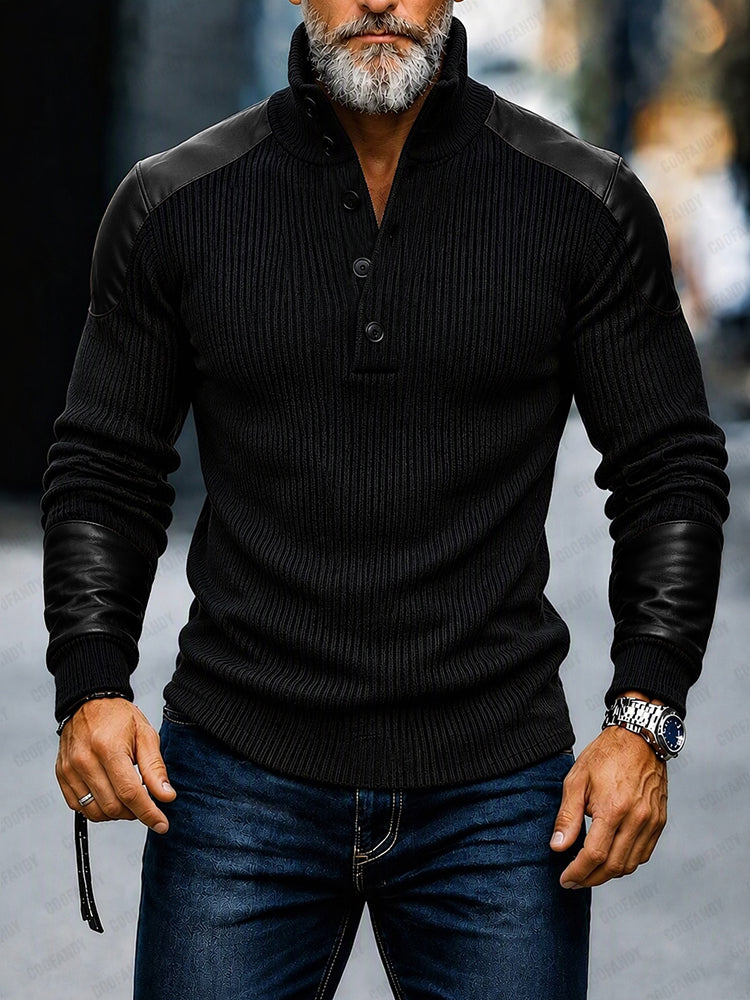
The current page for the Elevated Leather-Collar Wool Blend Knit Blazer is a bounded example of a Signature knit-blazer page. It lists Brown and Apricot options, a contrast collar and a two-button front. Use those fields to identify the visual starting point; do not turn the product name or color into a claim about material experience, warmth or formalness.
The current page for the Casual Peak-Lapel One-Button Wool Blend Blazer lists Black and Apricot options, a peak lapel, a one-button front and chest pleat detail. Those details can help you compare what is visible on the page with the blazer you are considering. They do not decide whether the blazer is more formal, more comfortable or more suitable for every post-holiday setting.
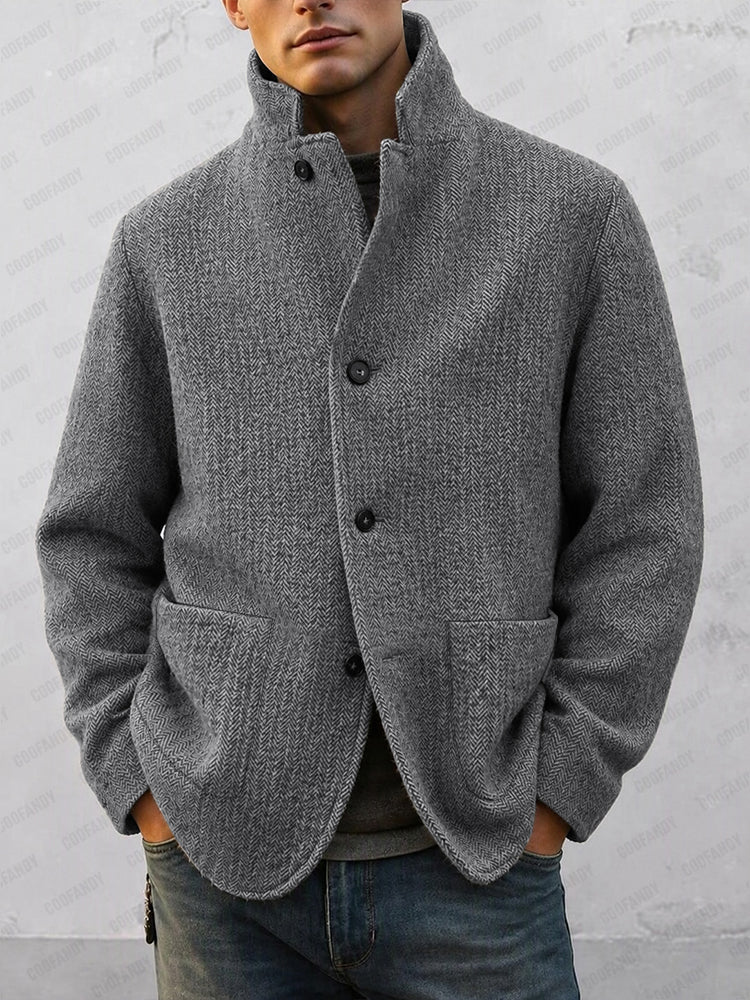
The current page for the Tailored Fully-Lined Peak-Lapel Wool Blend Blazer lists Black and Gray options, an extended peak lapel, fully lined construction, a structured waist and a crisp shoulder line. These are product-page fields, not a universal rewear verdict. Check the exact page and the garment's label when a care or identity question matters.
Keep the page-reading task separate from the outfit task:
- Product page: confirm identity, listed colors and visible design fields.
- Your garment: inspect its condition, label, fit and actual appearance.
- Your setting: confirm the invitation, venue, workplace expectation or activity.
- Your wardrobe: identify the supporting pieces you will really use.
This separation prevents a product title from making the decision for you. It also keeps a current page observation from becoming a claim about season-wide performance.
Check the Complete Outfit and the Garment
Try the whole outfit on at the same time. Put on the shirt, trousers and shoes you intend to use, then add the blazer. Look at the outfit standing still and while sitting or moving through the setting you have in mind. Check whether the shoulder line sits as expected, the sleeves end where you want them, the front closes without strain and the pockets or lining show a new problem.
For a focused shoulder check, read How Should a Casual Blazer Fit Through the Shoulders. Use that page to sharpen an inspection; do not let it replace the actual fit check for your garment.
Ask four questions before deciding:
- Does the complete outfit meet the setting's stated expectation?
- Is the festive cue actually reduced, or did I only change the color in my head?
- Can I sit, move and reach without the garment creating a new concern?
- Is the remaining problem styling, care, damage or fit?
If the answer to the fourth question is care, damage or fit, stop changing accessories. Read the label, ask the seller or consult a qualified cleaner or alteration professional as appropriate. Replacing a pocket square cannot solve a damaged closure, and changing trousers cannot resolve an unresolved shoulder or sleeve problem.

Know When the Blazer Needs a New Role
Not every holiday blazer needs to become a work blazer. A garment can keep a dinner role, become a specific weekend layer or stay reserved for events. The useful test is whether you can name two real situations and the surrounding clothes for each. “After December” is a time reference, not a setting.
Use a stop rule when:
- the workplace, invitation or venue requirement is unclear;
- the blazer's care label or condition needs attention;
- the outfit only works because you are assuming a color means a certain level of dress;
- the blazer does not fit or move as it should;
- you cannot name a second concrete use;
- the proposed changes replace the entire outfit without proving that the blazer has a role.
The right conclusion may be to keep the original party role, wait for a better occasion, or choose a different layer for the next plan. A clear no is more useful than forcing an outfit into a setting it does not answer.
Post-Holiday Rewear Checklist
Before you wear the blazer again, confirm:
- You know what made the original outfit feel festive.
- The blazer is clean or otherwise ready according to its care label.
- You changed one surrounding element first and can explain the result.
- The work, dinner or weekend setting has a real expectation or activity behind it.
- You checked the full outfit, including shoulders, sleeves, closure, pockets and movement.
- You can name two concrete uses, or you have decided to keep the blazer in a narrower role.
- You stopped when the unresolved problem was care, damage, fit or missing setting evidence.
For more current Signature context, visit the COOFANDY Signature page and the COOFANDY Signature collection. Use those pages to explore the range; make the rewear decision from the exact garment, the current product information and the setting in front of you.
FAQ
Can I wear a holiday blazer to work after December?
Possibly, if the workplace allows a blazer with separate trousers and the complete outfit meets its expectation. Start with a familiar work shirt and trousers, change the strongest holiday cue and try the outfit on before deciding. A holiday history does not prove that the blazer is suitable for every office.
How do I make a festive blazer look less seasonal?
Identify the element that creates the strongest holiday signal, then replace that one surrounding piece first. Try a different shirt, trouser, shoe or accessory while keeping the rest of the outfit familiar. Check the actual venue or activity before making another change, and do not treat a quieter color as proof of formalness or universal suitability.
What should I check before rewearing a blazer?
Read the care label and inspect the shoulders, lapels, front, sleeves, pockets and closure. Then try the complete outfit while standing, sitting and moving as the setting requires. If the issue is care, damage, fit or an unclear dress expectation, stop and get the relevant advice before wearing it again.



Leave a comment